Hydroponic Towers vs NFT Systems: Which Is Better for Growers?
Compare hydroponic towers and NFT hydroponic systems for vertical hydroponic farming. Learn crop fit, maintenance, scalability, costs, and the best choice for growers.
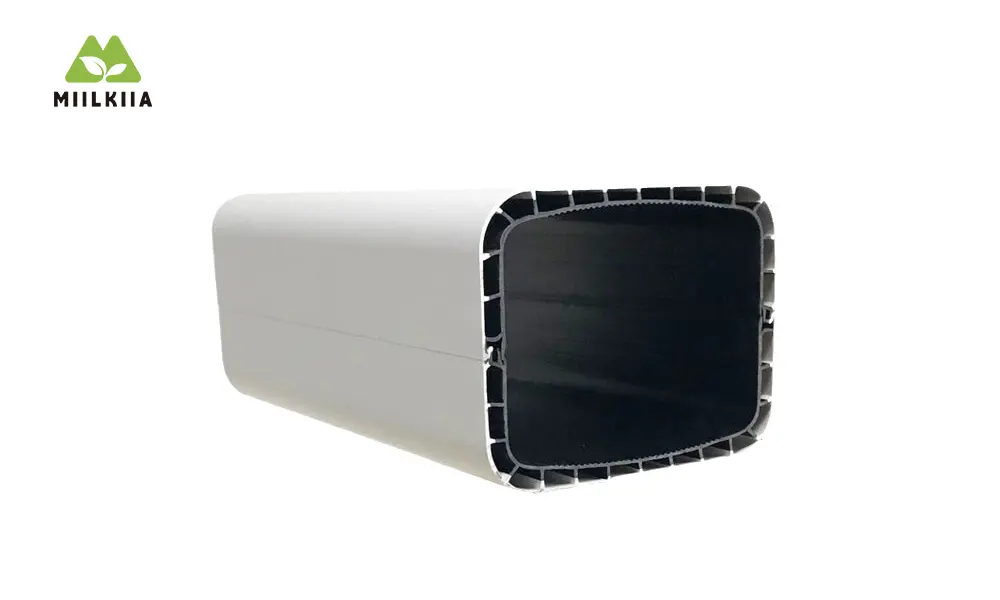
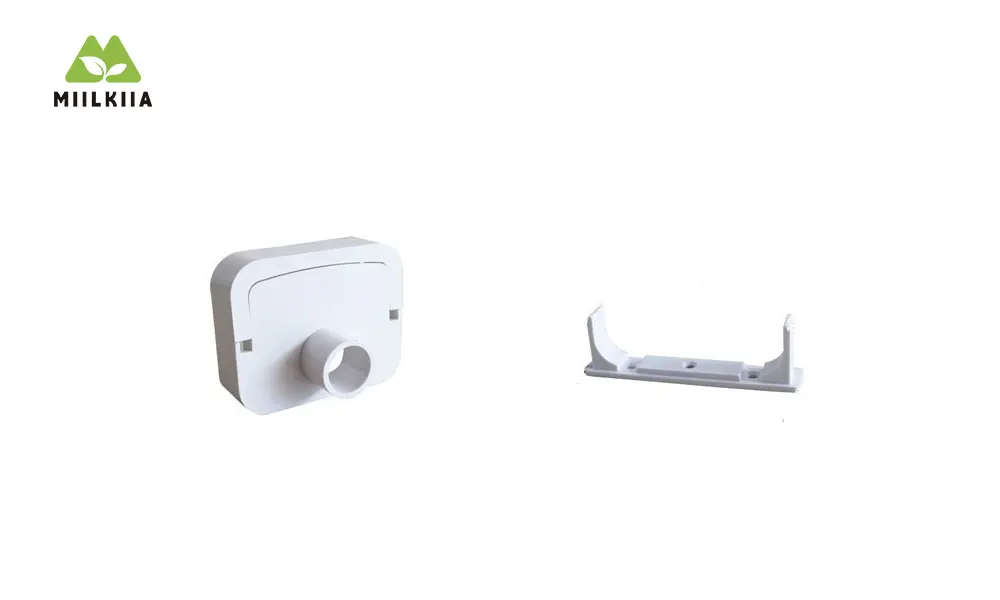
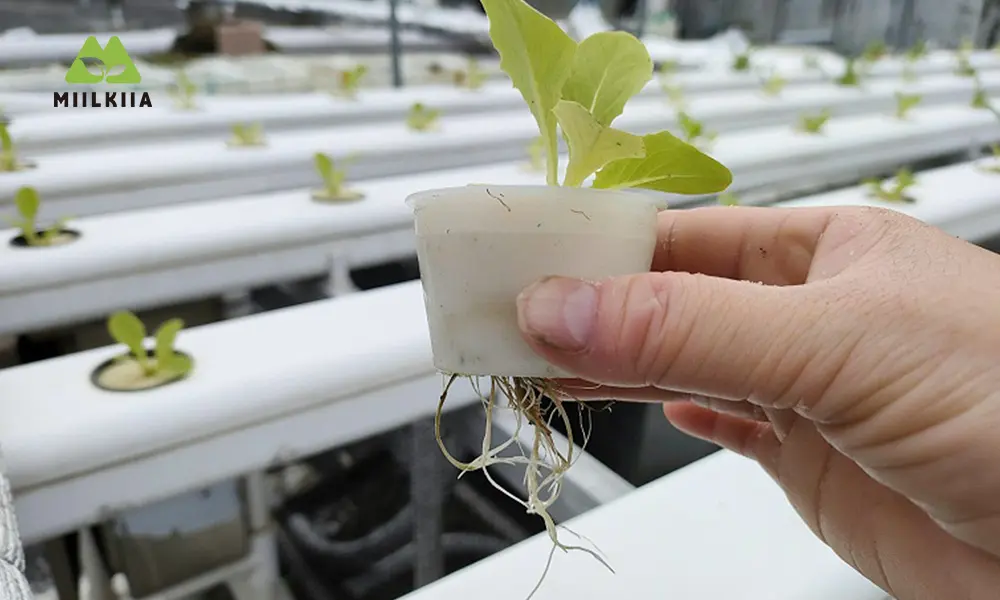
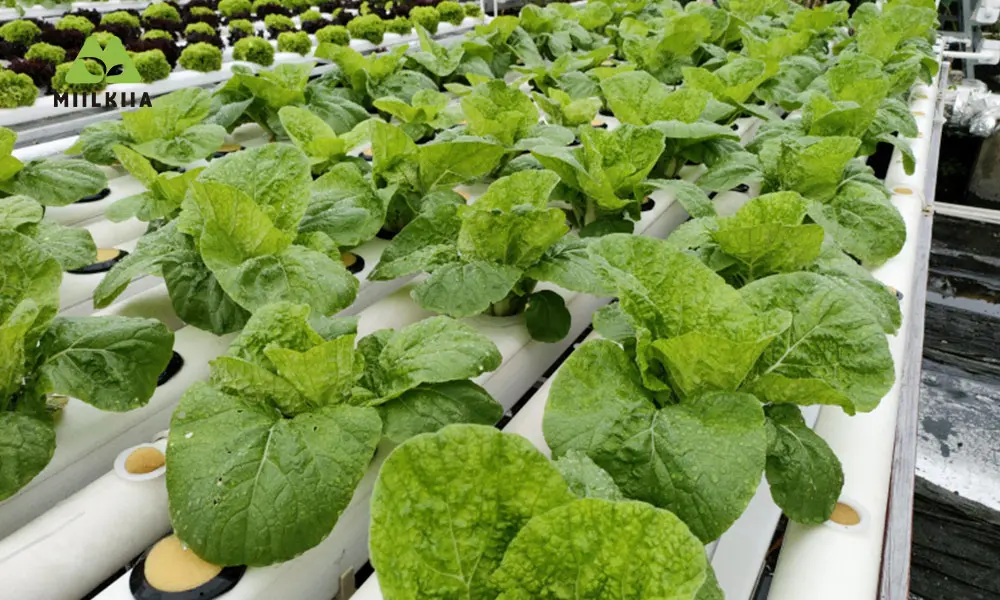
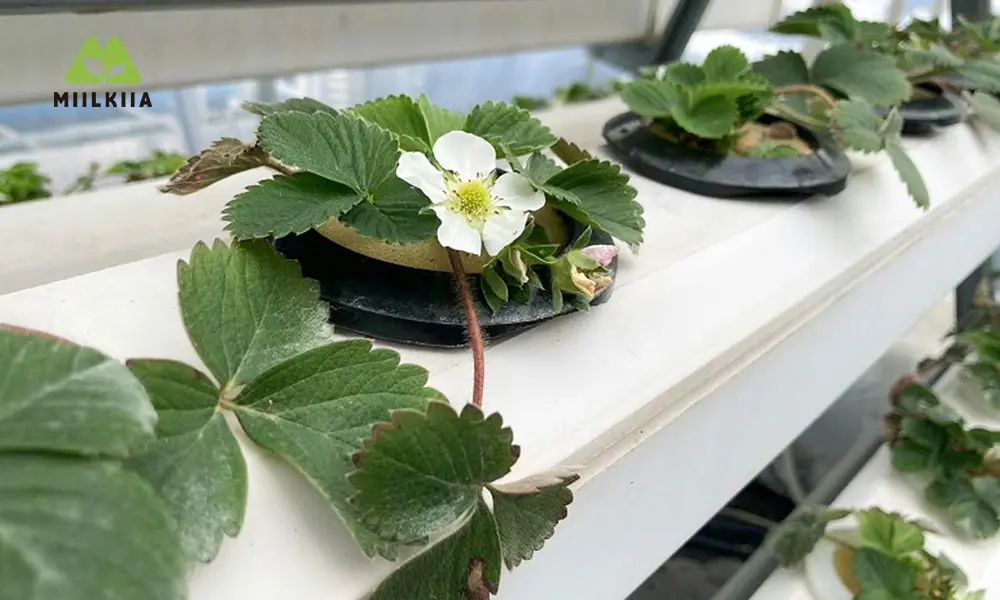

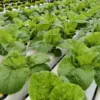

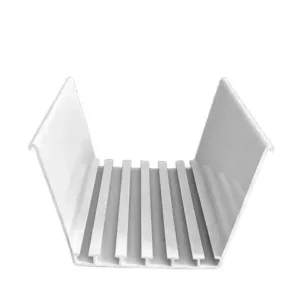
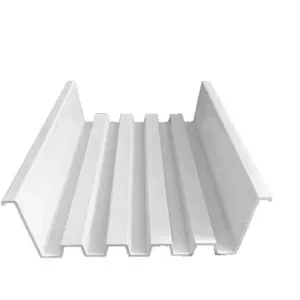
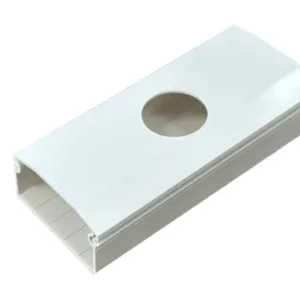
SpecificationsSize: 100×80 mmMaterial: PVC – UColor: Black and WhiteLength: 4 meters (customizable)Hole Size: 40mm / 50mm (customizable)Best for: Tomatoes, leafy greensSpecial Features: Hollow structure for better temperature regulation; openable design for easy root monitoring and system maintenance; anti-algae feature ensures cleaner channels and optimal nutrient flow.
Compare hydroponic towers and NFT hydroponic systems for vertical hydroponic farming. Learn crop fit, maintenance, scalability, costs, and the best choice for growers.
Compare greenhouse glass and plastic film for durability, lifespan, maintenance, and cost. Learn which greenhouse covering lasts longer and which material suits your climate and budget.
Discover the top 10 vertical farming brands in China, plus key buying tips for vertical farming suppliers, indoor farming brands, and commercial vertical farming projects.