
You can transform underutilized urban rooftops into productive agricultural spaces. Discover significant yields and economic returns in urban environments. Vertical Planting Towers revolutionize urban food production. They offer an innovative solution for growing food where land is scarce.
Key Takeaways
- Vertical Planting Towers let you grow many plants in small spaces. They are good for city rooftops.
- These towers use less water than regular farming. They help plants grow well with special water and nutrients.
- You can grow leafy greens, herbs, and small fruits. This helps make fresh food in the city.
Understanding the Power of Vertical Planting Towers
What Defines Vertical Planting Towers
You might wonder what these innovative structures are. Vertical Planting Towers are specialized systems. They let you grow plants in vertically stacked layers or columns. Think of them as multi-story gardens. This design uses a minimal ground footprint. You can place them in very tight spaces. This maximizes your growing area significantly. It is an ideal solution for urban environments. You transform unused vertical space into productive farmland.
Operational Principles of Vertical Planting Towers
These systems operate with remarkable efficiency. Most Vertical Planting Towers use either hydroponics or aeroponics. This means your plants grow without traditional soil. Instead, a pump circulates nutrient-rich water. This water delivers essential minerals directly to the plant roots. Gravity then helps the water flow down through the system. Each plant receives consistent nourishment. You conserve a lot of water this way. It functions as a closed-loop system. This minimizes waste.
Key Advantages of Vertical Planting Towers for Urban Farming
You gain many significant benefits when you choose Vertical Planting Towers. They save a tremendous amount of space. This is a critical factor for successful city farming. You also use far less water compared to traditional methods. This makes them incredibly sustainable. These systems often reduce common pest and disease problems. You can grow a much larger quantity of food in a very small area. This dramatically increases your potential yield. You also maintain greater control over the growing environment. This results in healthier, more robust plants. Imagine having fresh, high-quality produce available right on your rooftop.
Planning and Establishing Your High-Value Rooftop Farm
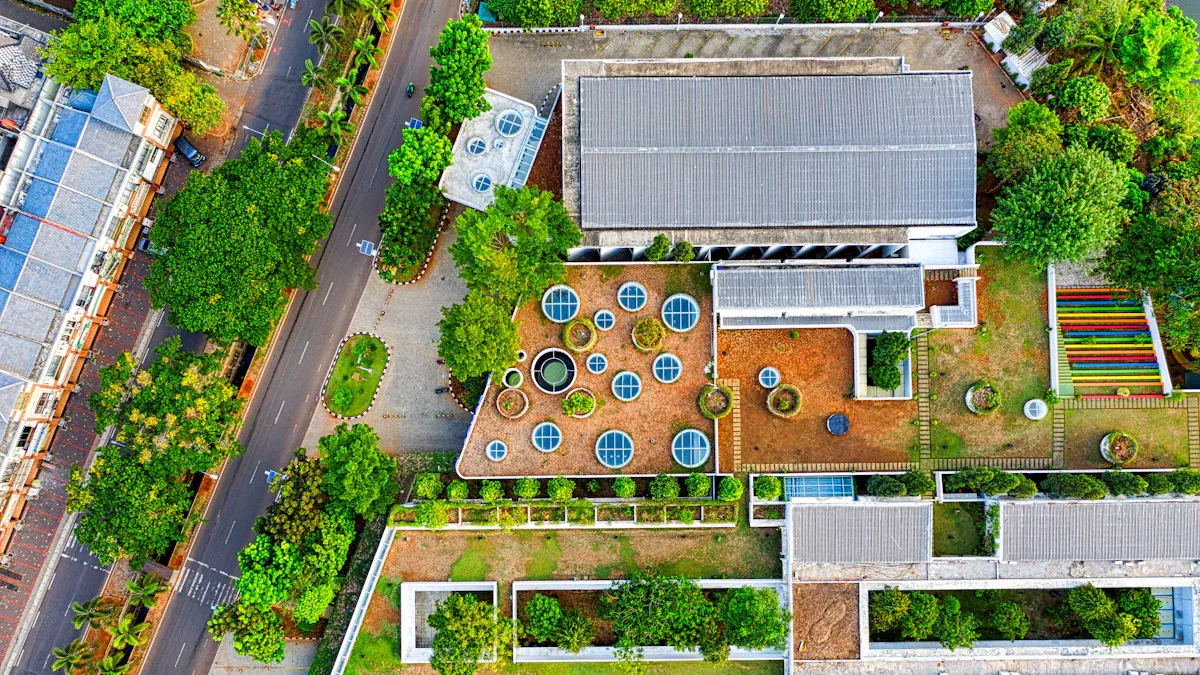
You are ready to build your rooftop farm. Careful planning ensures your success. This section guides you through the essential steps. You will learn how to prepare your space. You will also select the best equipment and crops.
Assessing Your Rooftop for Vertical Planting Towers
First, you must evaluate your rooftop. This step is very important. You need to check several key factors.
- Structural Integrity: Your roof must support the weight. Water, plants, and the Vertical Planting Towers add significant weight. Consult a structural engineer. They will confirm your roof’s capacity.
- Sunlight Exposure: Plants need sunlight. Observe your rooftop throughout the day. Note how many hours of direct sunlight your roof receives. Most high-value crops need at least 6 hours daily.
- Water Access and Drainage: You need a reliable water source. This could be a hose bib or a rainwater collection system. Proper drainage is also crucial. Water must not pool on your roof. This prevents damage.
- Wind Exposure: Rooftops can be windy. Strong winds can damage plants and towers. Consider windbreaks if your area is very windy.
- Accessibility: You need easy access to your farm. This helps with planting, maintenance, and harvesting. Think about how you will move supplies up and down.
Selecting the Right Vertical Planting Towers
Many types of vertical planting systems exist. You must choose the best one for your needs.
- System Type:
- Hydroponic Towers: These use nutrient-rich water. They are efficient.
- Aeroponic Towers: These mist plant roots with nutrients. They use even less water.
- Wicking Towers: These use a wicking material to draw water up. They are simpler.
- Material: Towers come in various materials. Food-grade plastic is common. It is durable and safe for growing food.
- Size and Capacity: Consider your available space. Think about how much produce you want to grow. Choose towers that fit your rooftop and yield goals.
- Scalability: You might want to expand later. Choose a system that allows for easy additions.
Choosing High-Value Crops for Vertical Planting Towers
Selecting the right crops maximizes your profit. Focus on plants that grow well vertically. They should also have a high market demand.
- Leafy Greens:
- Lettuce (various types)
- Spinach
- Kale
- Swiss Chard
- These grow quickly. They are always in demand.
- Herbs:
- Basil
- Mint
- Cilantro
- Parsley
- Herbs command good prices. They are easy to grow in towers.
- Small Fruits and Vegetables:
- Strawberries
- Cherry Tomatoes
- Bell Peppers (dwarf varieties)
- These add variety and value.
Tip: Research local market prices. Grow what sells well in your community.
Essential Setup Steps for Your Rooftop Farm
Once you have planned, it is time to set up. Follow these steps carefully.
- Prepare the Surface: Clean your rooftop. Ensure it is free of debris. Lay down a protective membrane if needed. This protects your roof.
- Assemble Towers: Follow the manufacturer’s instructions. Securely assemble each tower. Place them in their designated spots.
- Install Irrigation System: Connect your water source. Set up pumps and tubing for hydroponic or aeroponic systems. Ensure water flows correctly.
- Prepare Nutrient Solution: Mix your plant nutrients with water. Follow the product’s instructions for ratios. Fill your system’s reservoir.
- Plant Your Crops: Start with seedlings or young plants. Gently place them into the tower’s planting pockets. Ensure roots are in contact with the water or mist.
- Initial Monitoring: Check your system daily. Look for leaks. Monitor plant health. Adjust nutrient levels as needed.
You have now established your rooftop farm. Regular care will ensure a bountiful harvest.
Maximizing Yield and Ensuring Sustainability with Vertical Planting Towers
You have set up your rooftop farm. Now, you want to get the most from it. You also want to make sure it lasts. This section shows you how to boost your harvest. It also helps you keep your farm eco-friendly.
Advanced Techniques for High-Yield Vertical Planting Towers
You can make your plants grow bigger and faster. Use these advanced methods.
- Precise Nutrient Management: Your plants need the right food. You must regularly check the pH level of your water. This tells you how acidic or basic the water is. You also measure Electrical Conductivity (EC). EC shows you the amount of nutrients in the water. You adjust these levels. This gives your plants exactly what they need. 🌱
- Optimized Lighting: Sunlight is great, but sometimes it is not enough. You can add LED grow lights. These lights provide the perfect spectrum for plant growth. You use timers. This ensures your plants get consistent light cycles. This boosts their growth.
- Strategic Pruning and Training: You can shape your plants. Pruning removes old or unnecessary leaves. This directs energy to fruit or flower production. You can also train plants. This means guiding their growth. This improves air circulation. It also helps light reach all parts of the plant.
- Environmental Control: You can create the perfect climate for your plants. Use sensors to monitor temperature and humidity. You can then adjust these factors. This protects your plants from stress. It helps them thrive.
Sustainable Practices for Rooftop Vertical Planting Towers
Your rooftop farm can be very kind to the planet. You can adopt these sustainable methods.
- Water Conservation: Vertical Planting Towers already save water. You can do more. Ensure your system is truly closed-loop. No water escapes. You can also collect rainwater. Use this water in your system. This reduces your reliance on tap water. 💧
- Energy Efficiency: Your pumps and lights use electricity. You can power them with solar panels. This reduces your carbon footprint. Choose energy-efficient pumps and LED lights. This saves money and resources.
- Integrated Pest Management (IPM): You do not need harsh chemicals. You can prevent pests naturally. Regularly inspect your plants. Introduce beneficial insects like ladybugs. They eat harmful pests. You use organic pest control methods. This keeps your produce safe and healthy.
- Organic Nutrient Sources: You can choose organic-certified nutrients. These come from natural sources. They are better for the environment. They also contribute to healthier soil microbes if you use a substrate.
Overcoming Common Challenges with Vertical Planting Towers
You might face some issues. Do not worry. You can solve them.
- Power Outages: Your system relies on electricity. A power cut can stop your pumps. This can harm your plants. You can install a battery backup system. This keeps your farm running during outages.
- Nutrient Imbalances: Sometimes, plants show signs of nutrient problems. Their leaves might turn yellow or brown. You test your nutrient solution regularly. You adjust the mix based on plant needs. This keeps your plants healthy.
- Pests and Diseases: Pests or diseases can appear. You must act fast. Inspect your plants daily. Remove affected parts immediately. Use organic sprays like neem oil for pests. Good air circulation also prevents many diseases.
- Structural Stability: Rooftops can be windy. Your towers need to be secure. You check the stability of your Vertical Planting Towers often. You can add weights to the base. You can also tie them down. This prevents them from tipping over.
Embrace the future of urban food production with Vertical Planting Towers. You transform city spaces. You contribute to local food security and environmental sustainability. Unlock significant economic and community benefits from your rooftop farm. This innovative approach empowers you to grow fresh food. 🌱
FAQ
What can you grow in vertical planting towers?
You can grow many high-value crops. These include leafy greens like lettuce and spinach. You can also grow herbs such as basil and mint. Small fruits like strawberries and cherry tomatoes also thrive. 🍓🥬
How much water do vertical planting towers save?
Vertical planting towers save a lot of water. They use up to 90% less water than traditional farming. This is because they recycle water in a closed-loop system. 💧
Do you need a lot of sun for a rooftop farm?
Yes, your rooftop farm needs sunlight. Most crops require at least 6 hours of direct sun daily. You can use supplemental LED grow lights if you have less sun. ☀️💡