

Dutch-Style Greenhouses offer effective solutions for high humidity in tropical climates. You will find they integrate advanced ventilation, climate control, and structural design. This manages internal atmospheric conditions. These adaptations are crucial for optimal plant growth and disease prevention.
Key Takeaways
- Dutch-style greenhouses use smart ventilation and climate control. They remove moist air and keep plants dry.
- These greenhouses have special designs and materials. They help air move well and prevent water from dripping on plants.
- You can grow many crops in these greenhouses. They help plants stay healthy and grow better in hot, wet places.
Understanding High Humidity Challenges in Tropical Greenhouses
Detrimental Effects of High Humidity on Tropical Crops
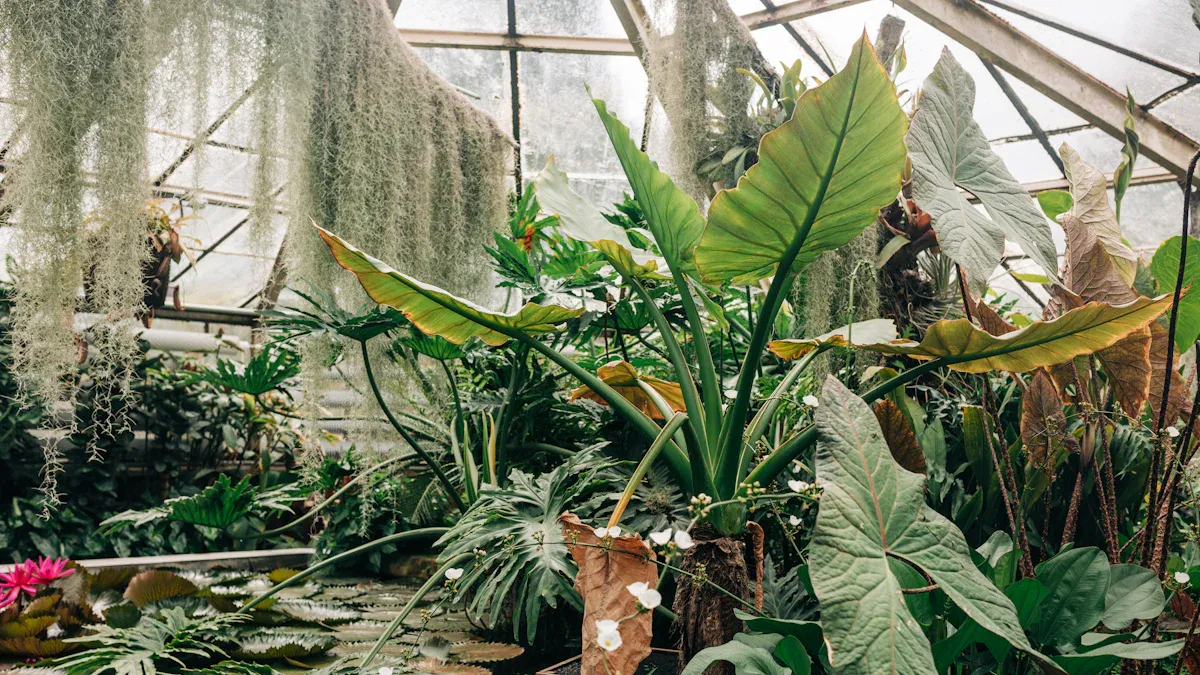
High humidity causes many problems for your tropical crops. You will see fungal diseases like powdery mildew and botrytis thrive. These diseases spread quickly in moist air. Your plants also struggle to transpire. Transpiration is how plants release water vapor. When humidity is high, plants cannot release enough water. This reduces their ability to absorb nutrients from the soil. You might also notice poor pollination. Pollen becomes sticky and does not transfer well. This directly impacts your fruit and seed production. Ultimately, high humidity lowers your crop yields and quality.
Why Traditional Greenhouses Fail in Tropical High Humidity
Traditional greenhouses often fail in tropical high humidity. They typically lack proper ventilation systems. This means moist air gets trapped inside. You end up with a stagnant, humid environment. These designs do not have advanced climate control. They cannot actively remove excess moisture. Their construction materials might also promote condensation. Water droplets form on surfaces and drip onto your plants. This creates ideal conditions for disease outbreaks. Traditional structures simply cannot manage the intense humidity of tropical regions effectively. They are not built for such challenging conditions.
Core Principles of Dutch-Style Greenhouses for Humidity Control
Optimized Ventilation Strategies in Dutch-Style Greenhouses
You need excellent air movement to fight high humidity. Dutch-Style Greenhouses use smart ventilation. They combine natural airflow with powerful mechanical systems. You will see large roof vents. These vents open automatically. They let hot, moist air escape. Side vents also bring in cooler, drier air from outside. This creates a chimney effect. Warm air rises and leaves. Cooler air enters below.
- Natural Ventilation: You use roof and side vents. They open and close based on sensor readings. This removes humid air without using much energy.
- Mechanical Ventilation: Large fans push air out or pull fresh air in. These fans work when natural ventilation is not enough. They ensure constant air exchange.
This constant air exchange prevents stagnant air pockets. It removes excess moisture from the plant canopy. This keeps your plants dry and healthy.
Advanced Climate Control Systems for Dutch-Style Greenhouses
You manage the greenhouse environment with precision. Advanced climate control systems are key. These systems use many sensors. They measure temperature, humidity, and CO2 levels. A central computer processes all this data. It then makes adjustments automatically.
For example, if humidity gets too high, the system acts. It might open vents more. It could turn on dehumidifiers. Some systems even use heating to dry the air. Then they vent the moist air out. This seems counterintuitive, but it works. Heating the air allows it to hold more moisture. Then you vent that moisture out. This process is very efficient. You maintain ideal conditions for your crops around the clock. This prevents disease outbreaks.
Structural Design for Enhanced Air Movement in Dutch-Style Greenhouses
The way Dutch-Style Greenhouses are built helps air move well. They have high eaves. This means the side walls are tall. This creates a large air volume above your plants. It allows warm, moist air to rise easily. The roof designs often feature wide spans. This reduces internal obstructions. Air flows freely throughout the structure.
You will notice the typical Venlo roof design. It has multiple peaks. This design helps with natural convection. It guides humid air towards the roof vents. This structural approach prevents air from getting trapped. It ensures a uniform climate inside. This design is crucial for effective humidity control. It supports all your ventilation efforts.
Key Adaptations of Dutch-Style Greenhouses for Tropical Climates
Material Selection for Durability and Condensation Management
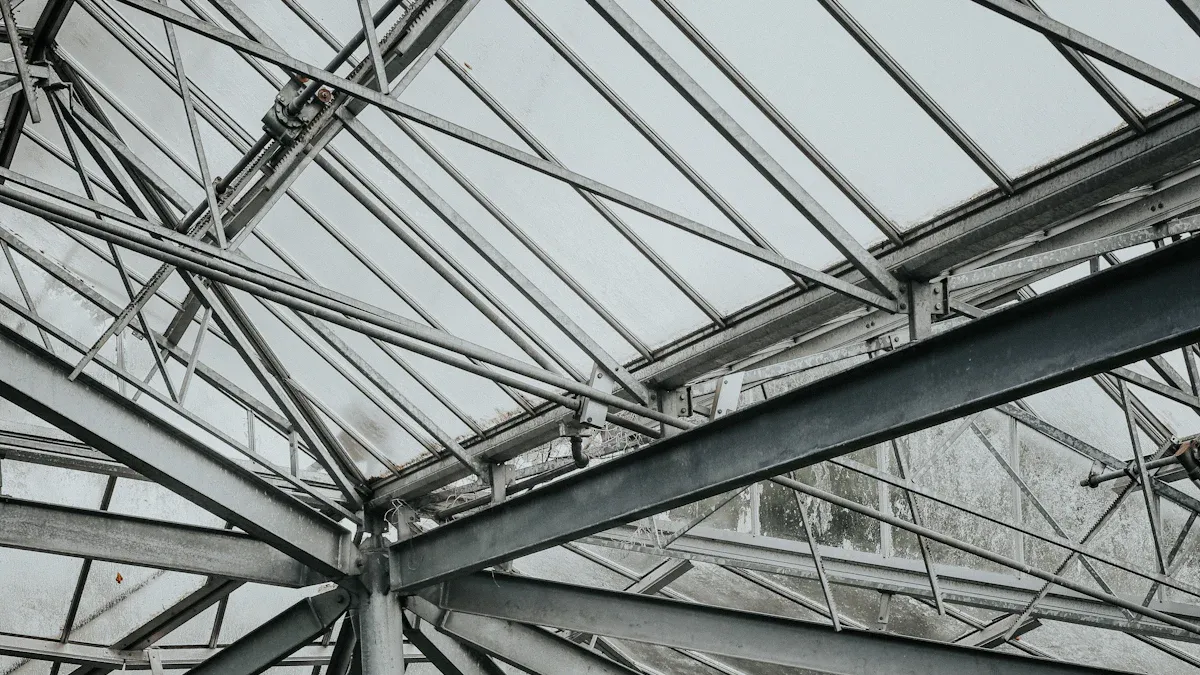
You must choose the right materials for your greenhouse in a tropical climate. These materials need to withstand intense heat, strong UV radiation, and constant humidity. Dutch-Style Greenhouses often use specialized glass or polycarbonate panels. You will find diffused glass is a popular choice. It scatters sunlight evenly across your plants. This prevents hot spots and reduces stress on your crops.
- Anti-Drip Coatings: Many panels feature anti-drip coatings. These coatings prevent water droplets from forming and falling onto your plants. Instead, condensation spreads into a thin film. This film then runs down the sides. This reduces disease risk significantly.
- Durability: The structural components, like aluminum frames, resist corrosion. They also withstand strong winds common in tropical storms. You get a long-lasting structure.
These material choices ensure your greenhouse remains effective and durable. They also actively manage condensation, which is vital for plant health.
Shading and Light Management for Reduced Heat Load
Tropical sun can be too intense for many crops. You need effective shading to protect your plants and manage heat. Dutch-Style Greenhouses integrate advanced shading systems.
- External Shading: You can install external shade screens. These screens block a significant amount of solar radiation before it enters the greenhouse. This greatly reduces the internal temperature.
- Internal Shading: Inside, you use movable energy screens. These screens deploy during the hottest parts of the day. They reduce light intensity and trap cooler air below. You can also use them at night to retain heat if temperatures drop.
These systems allow you to control the amount of light your plants receive. You prevent sunburn and excessive heat stress. This creates an optimal growing environment. ☀️
Integrated Pest and Disease Management in High Humidity
High humidity naturally encourages pests and diseases. You need a proactive approach to keep your crops healthy. Dutch-Style Greenhouses support an Integrated Pest Management (IPM) strategy.
Tip: IPM focuses on prevention and uses biological controls before chemical interventions.
You start with physical barriers. Fine mesh screens on vents prevent insects from entering. Inside, you introduce beneficial insects. These insects prey on common pests. For example, you might release predatory mites to control spider mites. You also monitor your crops constantly. You look for early signs of pest or disease outbreaks. This allows you to act quickly. The controlled environment of the greenhouse helps. It makes it easier to manage these biological agents effectively. You reduce the need for chemical pesticides. This results in healthier crops and a safer environment. 🐞
Operational Best Practices for Dutch-Style Greenhouses
Strategic Irrigation and Watering Techniques
You should use drip irrigation systems. These systems deliver water directly to the plant roots. This method keeps the plant leaves dry. Dry leaves help prevent fungal diseases. Always water your plants early in the day. This allows any excess moisture to evaporate quickly before nightfall. Avoid overwatering your crops. Too much water in the growing medium increases humidity inside your greenhouse. This can create a damp environment. 💧
Crop Spacing and Canopy Management
Give your plants ample space. Proper spacing allows air to circulate freely around each plant. Good airflow significantly reduces humidity levels within the plant canopy. Regularly prune the lower leaves of your plants. This practice improves air movement. It also removes older leaves that might harbor diseases. Trellis your tall plants. This keeps them upright and opens up the plant canopy. This helps air move through the entire crop.
Monitoring and Automation for Precision Control
You must monitor your greenhouse environment constantly. Install sensors for temperature and humidity. These sensors provide real-time data. Automation systems use this data. They automatically adjust vents and fans. They also control irrigation schedules. This ensures precise climate control. You maintain optimal growing conditions for your crops. This proactive approach prevents problems before they become serious. It saves you time and resources. 🤖
You can effectively manage high humidity in tropical climates. Dutch-Style Greenhouses, with their specific adaptations and integrated climate control, make this possible. You will achieve healthier crops and increased yields. This offers long-term benefits. It also supports sustainable agriculture in challenging environments.
FAQ
How do Dutch-style greenhouses control humidity in tropical areas?
You use advanced ventilation and climate control systems. These systems constantly exchange air. They remove excess moisture from inside your greenhouse. This keeps your plants dry.
Are Dutch-style greenhouses difficult to operate?
No, they are not. You use automated systems. These systems monitor conditions. They make adjustments for you. This simplifies daily management. 🤖
What types of crops can you grow in these greenhouses?
You can grow many crops. Tomatoes, cucumbers, and peppers thrive. You also grow leafy greens and various flowers. The controlled environment suits diverse plants. 🥬🍅