
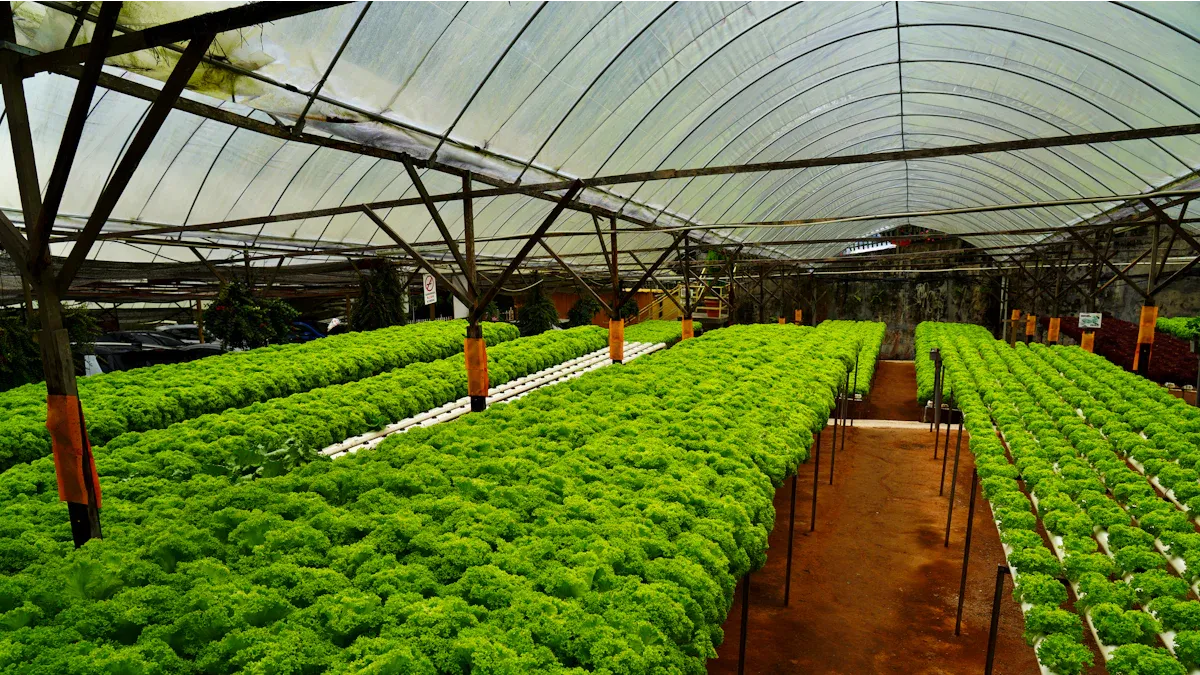
Hydroponics offers several exciting benefits for aspiring farmers, making it an ideal choice for those looking into a hydroponic farm setup. It uses less water than traditional farming and allows for faster crop growth. With over 20,000 farms using hydroponic systems worldwide, this method is gaining popularity. Setting up a hydroponic farm correctly is crucial for maximizing yields and avoiding common hydroponic farm mistakes to avoid. If you’re considering a beginner hydroponic project, now’s the perfect time to dive in and explore this innovative approach to farming. To ensure success, refer to a hydroponic system checklist and familiarize yourself with nutrient solution basics, all while aiming for an affordable hydroponic farm. 🌱
Key Takeaways
- Hydroponics uses up to 90% less water than traditional farming, making it an eco-friendly choice.
- Choose the right hydroponic system for your needs, such as Deep Water Culture for beginners.
- Regularly monitor pH levels and nutrient concentrations to ensure healthy plant growth.
- Plan your hydroponic farm carefully, considering design, materials, and budgeting to avoid overspending.
- Engage with the hydroponic community for support and shared knowledge to enhance your farming experience.
Understanding Hydroponics
Definition of Hydroponics
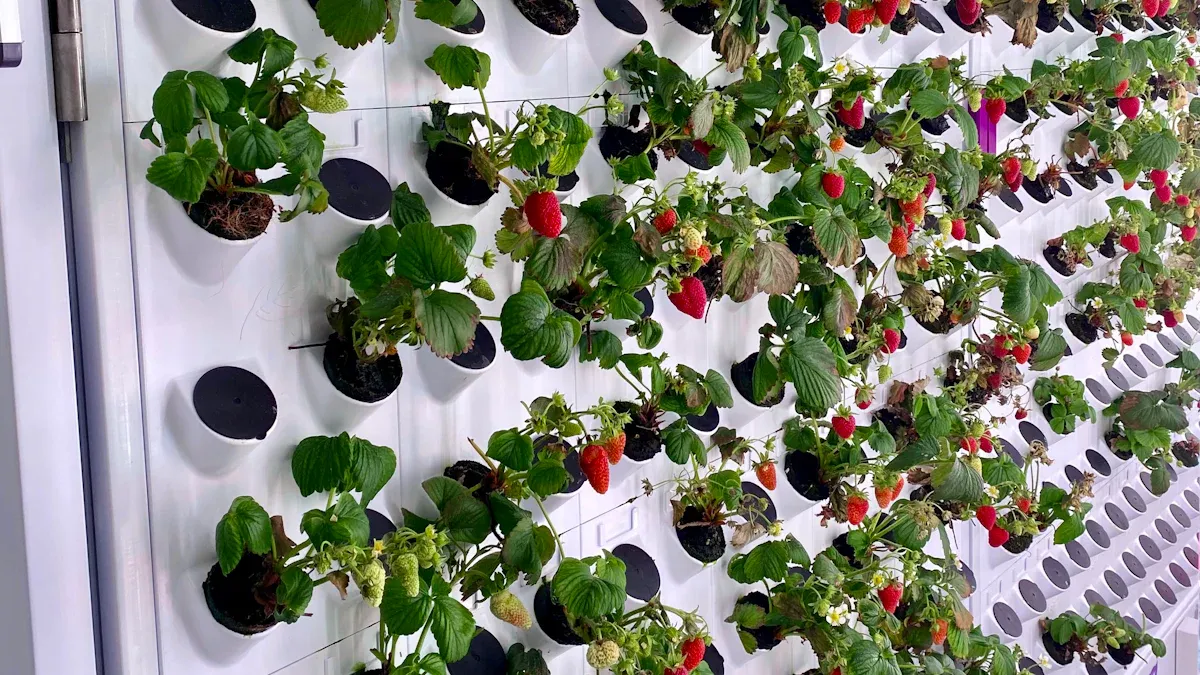
Hydroponics is the scientific method of growing plants without soil. Instead, it uses nutrient-rich water solutions to nourish the plants. This approach combines both organic and inorganic materials, along with technology, to deliver essential nutrients and oxygen directly to the roots. By suspending roots in liquid or supporting them with substrates, hydroponics creates an efficient growing environment.
Benefits of Hydroponic Farming
Hydroponic farming offers numerous advantages that make it an appealing choice for both beginners and experienced growers. Here are some key benefits:
- Water Conservation: Hydroponic systems use up to 90% less water than traditional farming methods. They recycle and reuse water, making them incredibly efficient.
- Higher Yields: These systems can produce up to four times more crops per square meter compared to conventional farming. This efficiency stems from optimized nutrient management and controlled environments.
- Reduced Pesticide Use: With less susceptibility to pests, hydroponic farms often require fewer chemicals, leading to a healthier environment.
- Year-Round Production: Growers can cultivate crops continuously, regardless of seasonal changes, ensuring a steady supply of fresh produce.
Types of Hydroponic Systems
Several hydroponic systems cater to different needs and preferences. Here are some popular types:
- Nutrient Film Technique (NFT): This system uses a thin film of nutrient solution flowing over the roots, providing constant nourishment.
- Deep Water Culture (DWC): In DWC, plant roots hang in oxygenated water, allowing for rapid growth.
- Aeroponics: This method sprays a nutrient mist directly onto the roots, maximizing oxygen exposure and nutrient absorption.
- Ebb and Flow: This system periodically floods and drains the growing area, ensuring roots receive both nutrients and oxygen.
Each hydroponic system has its unique features and applications, making it essential for beginners to choose one that fits their goals and resources.
Planning Your Hydroponic Farm
Planning your hydroponic farm is a crucial step that sets the foundation for success. It involves thoughtful design, selecting the right materials, and budgeting effectively. Let’s break down each of these components.
Design Considerations
When designing your hydroponic farm, consider the following principles to maximize space and efficiency:
| Design Principle | Description |
|---|---|
| Efficient Water and Nutrient Management | Hydroponic systems enable controlled nutrient delivery and efficient water usage, crucial for sustainability. |
| Energy Efficiency and Sustainability | Utilizing renewable energy sources and energy-efficient systems minimizes environmental impact. |
| Efficient Space Utilization | Vertical stacking and maximizing plant density are essential for optimal yields in limited spaces. |
These design principles help create a productive environment. For instance, vertical stacking allows you to grow more plants in a smaller area, which is perfect for beginners with limited space.
Materials Needed
Gathering the right materials is essential for building a functional hydroponic system. Here’s a list of what you’ll need:
- Container or Reservoir: Holds the nutrient solution.
- Grow Tray: Where plants will be placed.
- Net Pots: Small containers that hold the plant and growing medium.
- Air Pump and Air Stone: Oxygenate the nutrient solution.
- Water Pump (optional): For systems requiring water circulation.
- Grow Light: Necessary if growing indoors without sufficient natural light.
- Hydroponic Nutrients: Specially formulated solutions rich in essential macro and micronutrients.
- pH Testing Kit: To monitor and maintain optimal pH levels.
These materials form the backbone of your hydroponic farm setup. Make sure to choose high-quality items to avoid common pitfalls, such as poor nutrient management or inadequate water quality.
Budgeting for Your Farm
Budgeting is a vital aspect of planning your hydroponic farm. Understanding the costs involved can help you avoid overspending. Here’s a breakdown of average expenses for setting up a small-scale hydroponic farm:
| Expense Category | Cost | Type |
|---|---|---|
| Payroll and Wages | $19,167 | Fixed |
| Facility Lease (Structure) | $5,000 | Fixed |
| Land Lease | $2,000 | Fixed/Variable |
| Utilities (Electricity & Water) | $3,336 | Variable |
| COGS: Seeds, Nutrients, Packaging | $2,711 | Variable |
| Delivery and Logistics | $1,668 | Variable |
| Administrative and Professional Services | $2,900 | Fixed |
| Total Operating Expenses | $36,782 |
To minimize expenses, consider these budgeting strategies:
- Optimize equipment for energy efficiency. For example, using LED lighting can lower electricity expenses by up to 50%.
- Implement automated systems for watering and nutrient delivery to enhance efficiency and minimize energy waste.
- Explore DIY solutions for constructing or modifying components of your hydroponic system, which can save money while tailoring the setup to your needs.
By planning carefully and budgeting wisely, you can create a successful hydroponic farm that meets your goals without breaking the bank.
Building the Hydroponic Farm Setup
Step-by-Step Assembly Instructions
Assembling your hydroponic farm setup can be straightforward if you follow these steps. Here’s a simple guide to get you started:
- Choose Your System Type: The Deep Water Culture (DWC) system is the simplest to set up. It involves suspending plants in net pots above a reservoir of nutrient-rich water.
- Prepare the Reservoir: Fill the container with water and mix in the hydroponic nutrients according to the manufacturer’s instructions. Use the pH testing kit to ensure the water has a pH level between 5.5 and 6.5.
- Set Up the Air Pump and Air Stone: Place the air stone in the reservoir and connect it to the air pump to keep the nutrient solution oxygenated.
- Position the Grow Tray and Net Pots: Place the grow tray over the reservoir and insert the net pots filled with your chosen growing medium (e.g., clay pebbles, coconut coir).
- Plant Your Seeds or Seedlings: Add seeds or transplant seedlings into the net pots. Ensure the roots are slightly exposed to the nutrient solution.
- Install the Grow Light (If Indoors): Position the grow light above the plants to provide consistent light. LED grow lights are energy-efficient and ideal for home setups.
- Monitor and Maintain Your System: Regularly check pH levels, top off nutrient solution every 1-2 weeks, and inspect for pests and diseases.
Tip: Always position your system in a stable, well-ventilated area. This helps prevent issues related to humidity and ensures a safe setup.
Setting Up the Growing Environment
Creating the right growing environment is crucial for your hydroponic farm setup. Here are some key factors to consider:
- Light: Ensure your plants receive adequate light for photosynthesis. Different plants have varying light requirements, so adjust accordingly.
- Airflow: Good airflow is necessary for CO₂ supply and disease prevention. Consider using fans to maintain air circulation.
- Humidity: Monitor humidity levels, as they vary by plant type. This affects transpiration and nutrient uptake.
- Temperature: Each plant species has a preferred temperature range for optimal growth. For example, leafy greens thrive at 65°F – 75°F (18°C – 24°C), while warm-weather vegetables prefer 70°F – 80°F (21°C – 27°C).
To maintain these conditions, consider investing in equipment like HVAC systems, grow lights, and sensors for monitoring environmental conditions.
Installing the Nutrient Delivery System
A well-designed nutrient delivery system is vital for your hydroponic farm setup. Here are some best practices for installation:
- Ensure that tanks for pre-mixed solutions are made from materials that do not allow light. This prevents algae growth, which can clog lines.
- Choose a pump that is adequately sized for your system’s needs. Consulting with a supplier can help determine the right specifications.
- Install a pH controller to maintain optimal pH levels, enhancing nutrient absorption.
Follow these steps for a successful installation:
- Select a stable location for your reservoir and connect the tubing to the pump.
- Install sensors in appropriate spots for monitoring.
- Program the controller’s software to set nutrient delivery schedules.
- Test the system with water to check for leaks and calibrate sensors.
Note: Keep your system modular for easier expansion and troubleshooting. Label connections for easier future maintenance.
By following these steps, you can create a robust hydroponic farm setup that supports healthy plant growth and maximizes your yield.
Operating the Hydroponic Farm
Daily Maintenance Tasks
Keeping a hydroponic farm running smoothly requires daily attention. Here’s a quick overview of essential tasks:
| Task Description | Details |
|---|---|
| Check the Farmhand dashboard | Monitor alerts, tasks, and environmental conditions. |
| Inspect plants visually | Look for signs of health issues like wilting or discoloration. |
| Check for leaks, drips, and puddles | Ensure all channels are functioning properly. |
| Run the RO filter | Ensure clean water is available for plants. |
| Nutrient dosing | Dilute pH down and add additives like silica twice per week. |
These tasks help maintain optimal conditions for plant growth.
Monitoring Plant Health
Regularly monitoring plant health is crucial for a successful hydroponic farm. Here are key indicators to keep an eye on:
| Indicator | Description |
|---|---|
| pH | Ideal range is 5.5 to 6.5; outside this range, nutrient availability is compromised. |
| Electrical Conductivity | Measures total dissolved salts; sudden changes can indicate feeding issues or salt buildup. |
| Temperature | Optimal range is 18°C to 22°C; affects oxygen solubility and nutrient uptake. |
| Dissolved Oxygen | Critical for root respiration; levels should be above 6 mg/L to prevent root rot. |
| Oxidation-Reduction Potential | Indicates solution’s ability to break down contaminants; high values suggest effective disinfection. |
By keeping track of these indicators, growers can quickly identify and address potential issues.
Troubleshooting Common Issues
Even with careful planning, problems can arise. Here are some common challenges and how to tackle them:
-
Nutrient Deficiencies: If plants show signs of nutrient deficiency, follow these steps:
- Use premeasured nutrient packets to ensure the perfect balance for your plants.
- Maintain the nutrient solution weekly to keep it fresh and effective.
- Contact support if you notice signs of deficiency for assistance in diagnosing and fixing the issue.
-
Equipment Failures: Regular maintenance can prevent disruptions. Here are some frequent issues:
- Pump Failures: Regular inspections and maintenance schedules can prevent disruptions in water and nutrient delivery.
- Reservoir Issues: Implementing cleaning protocols and monitoring water quality can maintain healthy conditions for plants.
- Leaks in the System: Regular inspections and immediate repairs of leaks can prevent major problems.
- Electrical Issues: Ensuring secure connections and using GFCI outlets can safeguard against electrical hazards.
By staying proactive and addressing issues promptly, growers can ensure their hydroponic farm thrives. 🌱
In summary, building a hydroponic farm can be a rewarding venture. Key takeaways include:
- Understanding plant biology and nutrient management is essential.
- Implementing integrated pest management strategies helps maintain crop health.
- Choosing high-value crops can boost profitability.
Now’s the time to start your hydroponic journey! Remember these final tips for success:
- Use a Nutrient Chart: Keep track of ideal nutrient levels for your plants.
- Monitor pH Levels: Regular testing ensures optimal nutrient absorption.
- Engage with Your Community: Building relationships can enhance your farm’s reputation.
With dedication and the right resources, you can thrive in hydroponic farming! 🌱
FAQ
What plants grow best in hydroponics?
Leafy greens like lettuce, spinach, and herbs such as basil thrive in hydroponic systems. They grow quickly and require less space. Other options include strawberries and tomatoes, which can also flourish with proper care.
How often should I check the nutrient solution?
Check the nutrient solution at least once a week. Monitor pH levels and nutrient concentration regularly. Adjust as needed to ensure optimal plant growth and health.
Can I use tap water for my hydroponic system?
Yes, you can use tap water, but test it first. Ensure the pH is within the ideal range (5.5 to 6.5). If your tap water contains high levels of chlorine or other chemicals, consider using filtered or distilled water.
How much light do hydroponic plants need?
Most hydroponic plants require 12 to 16 hours of light daily. Adjust the light duration based on the specific needs of your plants. Use grow lights if natural sunlight is insufficient.
Is hydroponic farming expensive to start?
Initial costs can vary, but hydroponic farming can be affordable. Start small with a simple system to minimize expenses. As you gain experience, you can expand and invest in more advanced setups.