
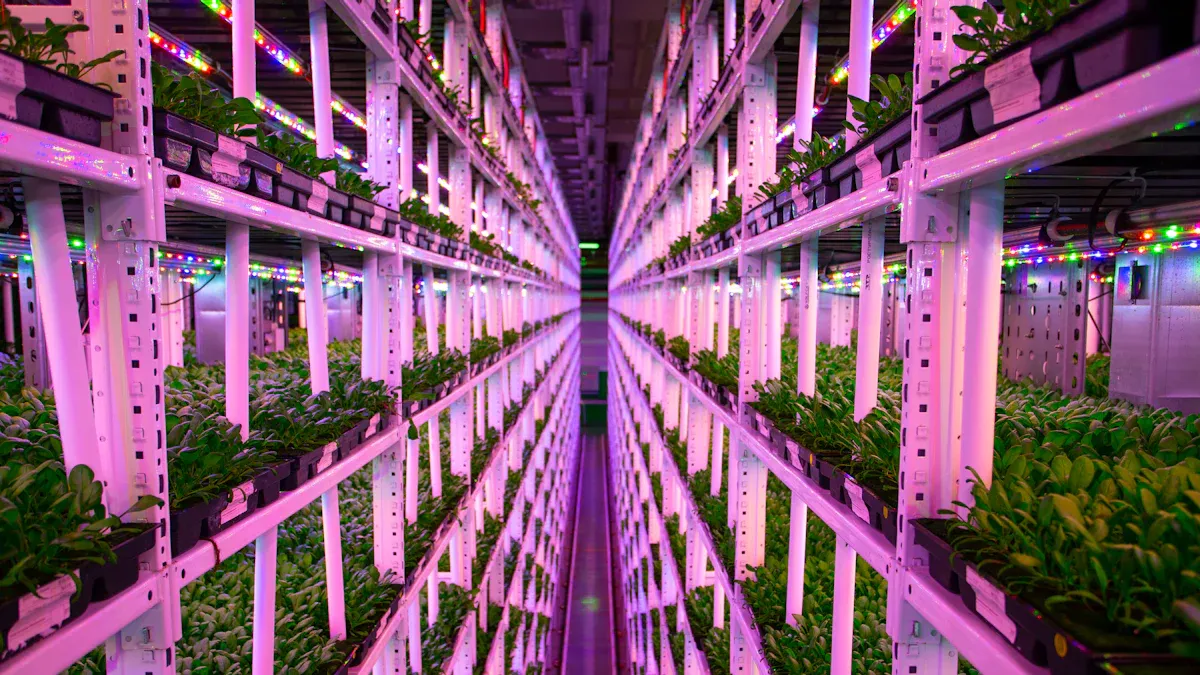
The world of commercial agriculture has evolved significantly, offering various innovative growing systems. Among these, Hydroponic Systems stand out for their efficiency, capturing 52% of the market share in 2025. The hydroponic growing system is particularly popular due to its ability to optimize resource use. Aeroponic Systems are gaining traction as well, especially in urban settings, with investments projected to exceed USD 2 billion by 2032. Other notable systems include Aquaponic Systems, which combine fish farming with plant cultivation, and the vertical hydroponic farm, which utilizes limited space to maximize yield. Additionally, the greenhouse hydroponic system offers a controlled environment for year-round production. Each of these systems presents unique benefits and opportunities for growers, including considerations like indoor aeroponic system cost, which can influence investment decisions.
Key Takeaways
- Hydroponic systems use nutrient-rich water to grow plants without soil, leading to faster growth and higher yields.
- Aeroponic systems deliver nutrients through a mist, maximizing oxygen exposure and using up to 95% less water than traditional methods.
- Aquaponic systems combine fish farming with plant cultivation, creating a sustainable cycle that minimizes waste and maximizes resource use.
- Vertical farming utilizes stacked layers to grow crops, making it ideal for urban areas with limited space and resources.
- When choosing a growing system, consider factors like budget, crop type, and maintenance needs to ensure the best fit for your goals.
Hydroponic Systems
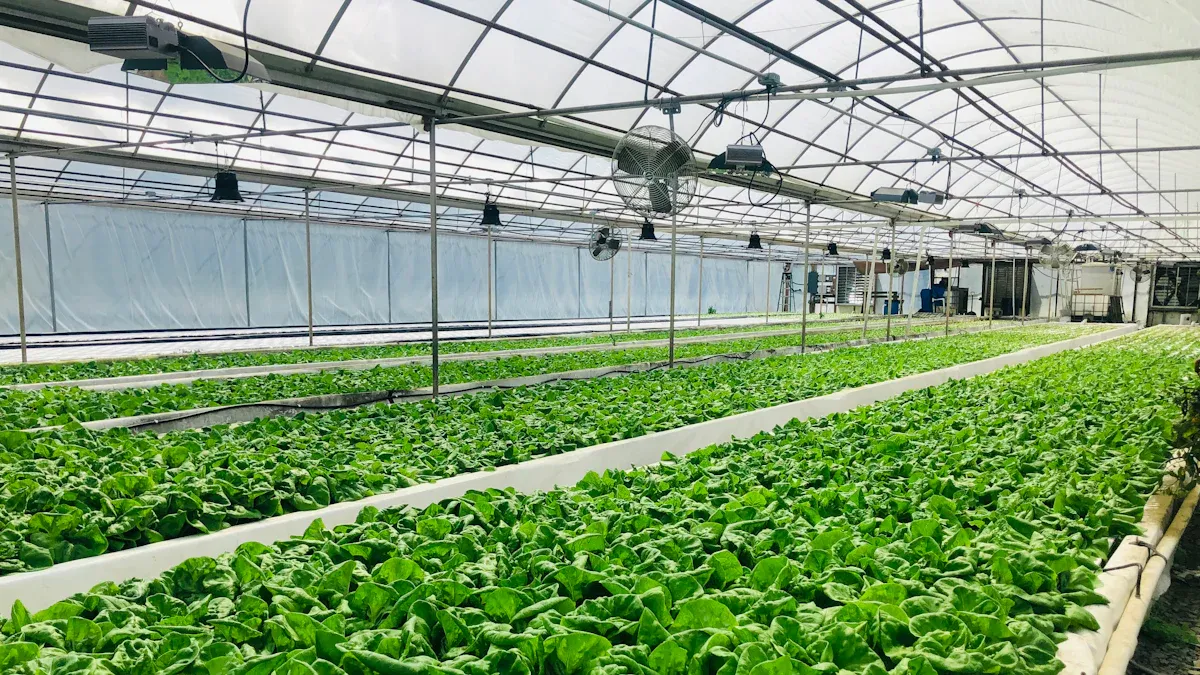
Hydroponic systems represent a revolutionary approach to agriculture, allowing growers to cultivate plants without soil. Instead, these systems utilize nutrient-rich water solutions to deliver essential elements directly to the roots. This method enhances growth rates and maximizes yields, making it a popular choice among commercial growers.
Key components of hydroponic systems include:
- Reservoir: This container holds the nutrient-rich water solution.
- Growing medium: Materials such as rockwool plugs or hydroton clay pellets support the plants.
- Nutrient solution: A balanced mixture of macro and micronutrients is crucial for plant health.
- Air pump and air stone: These ensure proper oxygenation of the nutrient solution.
- Lighting system: Adequate light is essential for photosynthesis, especially in indoor setups.
- pH meter and adjustment solutions: Maintaining an optimal pH range of 5.5-6.5 is vital for most hydroponic crops.
Hydroponic systems can support a variety of crops, each with unique benefits. The following table outlines some common crops grown in these systems:
| Crop | Yield Characteristics | Optimal Growing Conditions | Benefits for Hydroponic Growers |
|---|---|---|---|
| Lettuce | Rapid growth cycle of 30 days, high market demand | NFT and DWC systems, 60-70°F, 12-14 hours light | Minimal space and maintenance, frequent harvests, high-quality produce |
| Herbs | High-value crops with continuous yield, significant market demand | NFT, DWC, and aeroponic systems, 65-75°F, 14-16 hours light | Compact growth, multiple harvests, high profitability even in small quantities |
| Spinach | Growth cycle of 30-45 days, increasing consumer preference | NFT and DWC systems, 60-75°F, 12-14 hours light | Pest-resistant, quick growth, frequent crop rotations |
| Strawberries | High market value, continuous production year-round | Vertical towers and aeroponic systems, 60-80°F, 12-16 hours light | Grown in limited spaces, fewer pest issues, strong profitability |
| Tomatoes | High yields over a long growing season, steady demand | Drip irrigation or Dutch bucket systems, 65-85°F, 14-18 hours light | High yields justify investment in support structures, robust market demand |
The initial setup costs for hydroponic systems can vary widely. Small DIY setups may start around $200, while large commercial operations can exceed $10,000. Ongoing maintenance expenses typically include monthly utility bills ranging from $50 to several hundred dollars, along with nutrient solutions costing approximately $20 to $100 per month. Equipment maintenance can add another $50 to $200 monthly, depending on system complexity.
Hydroponic systems also offer significant environmental advantages. They use less water than traditional farming methods and do not contribute to soil degradation. Additionally, these systems reduce the need for chemical fertilizers and pesticides, promoting a healthier ecosystem.
Aeroponic Systems
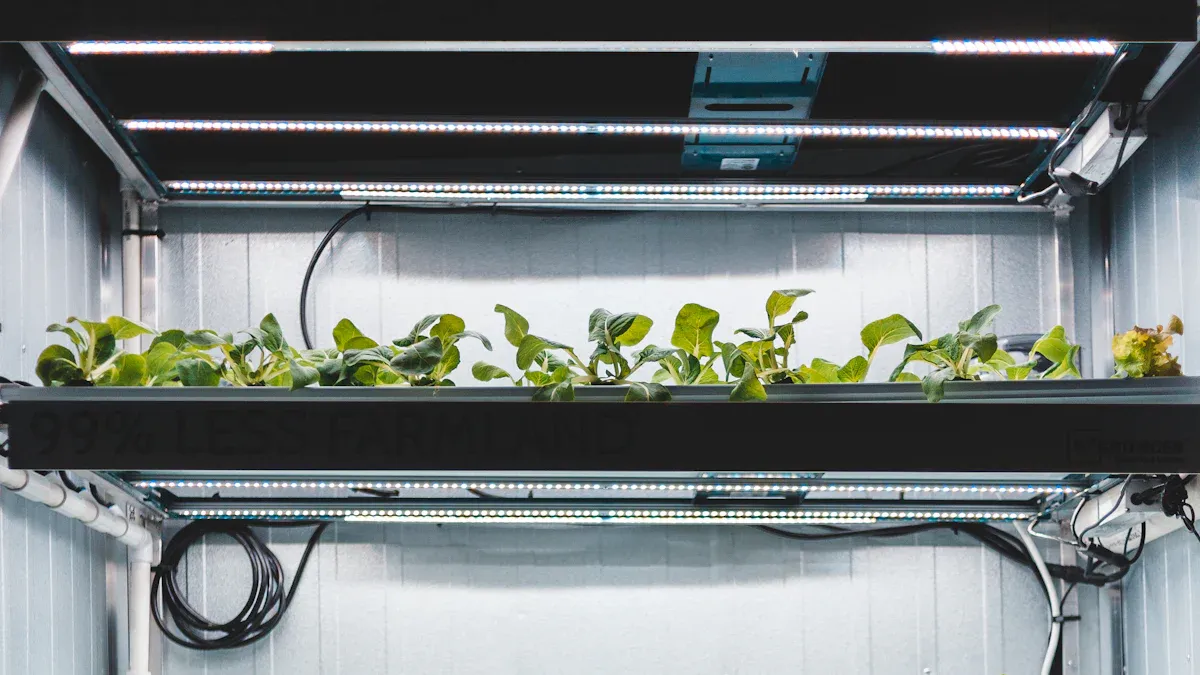
Aeroponic systems represent a cutting-edge method of growing plants without soil. Instead, they utilize a mist of nutrient-rich water to nourish plant roots. This innovative approach offers several advantages over traditional farming methods.
Core Components of Aeroponic Systems
The effectiveness of aeroponic systems relies on several key components:
| Core Component | Description |
|---|---|
| Plant support structures | Structures that hold plants in place while allowing root exposure to mist. |
| Nutrient reservoir | A container that holds the nutrient solution for plant growth. |
| High-pressure misting nozzles | Devices that atomize the nutrient solution into fine droplets for roots. |
| Timers and control systems | Automated systems that regulate misting intervals and nutrient delivery. |
| Environmental sensors | Sensors that monitor conditions like humidity and temperature for optimal growth. |
Advantages and Disadvantages
Aeroponic systems provide numerous benefits:
- Maximized oxygenation improves nutrient absorption and accelerates plant growth.
- They use up to 95% less water, making them ideal for water-scarce regions.
- Reduced incidence of soil-borne diseases leads to less pesticide use.
- These systems allow for faster crop cycles and higher yields, increasing profitability.
- They are scalable for urban and vertical farming, maximizing space efficiency.
However, challenges exist:
- Higher system complexity increases initial capital costs and technical requirements.
- Skilled labor is necessary for maintenance and monitoring.
- Systems depend on power; outages can quickly harm plants.
- The high initial investment may be prohibitive for small-scale farmers.
Aeroponic systems also ensure ample oxygen for rapid root growth and precise nutrient delivery. They create a controlled environment that protects plants from pests and environmental variables, making them particularly effective for urban agriculture. As growers explore these systems, they can expect to see significant improvements in crop yield and resource efficiency.
Aquaponic Systems
Aquaponic systems represent a sustainable agricultural model that combines fish farming with plant cultivation in a closed-loop environment. In these systems, fish produce waste rich in nitrogen, which beneficial bacteria convert into forms that plants can absorb as nutrients. The plants then purify the water, which recirculates back to the fish tanks. This symbiotic relationship creates an efficient cycle that minimizes waste and maximizes resource use.
Key Components of Aquaponic Systems
The essential components of an aquaponic system include:
- Fish-rearing tank: This is where fish are raised and their waste is generated.
- Biofiltration tank: Beneficial bacteria thrive here, converting fish waste into usable nutrients for plants.
- Grow beds: These beds support plant growth while allowing roots to access nutrient-rich water.
Common Species in Aquaponics
Aquaponic systems typically utilize specific fish and plant species to optimize production. Common choices include:
- Fish: Tilapia, Bluegill
- Plants: Leafy lettuce, herbs (basil, chives), pak choi, kale, Swiss chard, microgreens, hemp
Economic Benefits and Challenges
Operating commercial aquaponic systems offers both economic advantages and challenges. On the positive side, these systems can yield profitable vegetable production, especially in high-end markets where premium prices are achievable. However, challenges include high operational costs and the complexity of managing the systems. Effective marketing strategies are crucial to compete with traditional produce. Fish production often yields lower profitability compared to vegetables, necessitating careful planning and market analysis.
Sustainability Metrics
Aquaponic systems excel in sustainability, demonstrating superior water use efficiency compared to traditional methods. They utilize only 0.3% to 5.0% of total system water daily, while conventional hydroponics requires complete nutrient replacement every few weeks. Under optimal conditions, aquaponics can achieve zero CO2 emissions, showcasing its potential for sustainable food production.
Vertical Farming Systems
Vertical farming systems utilize innovative techniques to grow crops in stacked layers or vertically inclined surfaces. This method maximizes space efficiency, making it ideal for urban environments where land is limited. Vertical farms can operate indoors or outdoors, employing various technologies to create optimal growing conditions.
Key Features of Vertical Farming Systems
The structural and technological features of vertical farming systems include:
| Feature | Description | Benefits |
|---|---|---|
| Climate Control | Regulates temperature, humidity, and air circulation | Creates an ideal environment for plant growth |
| Automation | Increases efficiency and reduces labor costs | Allows for scalability and consistency |
| IoT Applications | Enables real-time monitoring and control | Facilitates data-driven decision-making |
Vertical farming systems often incorporate advanced lighting solutions, particularly LED grow lights. These lights are energy-efficient and adaptable to different crop needs. Environmental control systems play a crucial role in maintaining optimal conditions, regulating temperature, humidity, and CO2 levels.
Crop Production in Vertical Farms
Vertical farming supports a variety of crops, with some of the most widely grown including:
| Crop Type | Market Share (%) | Notes |
|---|---|---|
| Tomatoes | >24.4% | Highest demand globally among fruits and vegetables. |
| Lettuce | N/A | Consistent global demand enhances its cultivation. |
| Bell Peppers | N/A | Commonly grown in vertical farming. |
| Strawberries | N/A | Commonly grown in vertical farming. |
| Leafy Greens | N/A | Excludes lettuce; commonly grown in vertical farming. |
| Herbs | N/A | Commonly grown in vertical farming. |
Advantages and Disadvantages
Vertical farming systems offer several advantages over traditional growing methods:
| Advantages | Disadvantages |
|---|---|
| Better Use of Land | High Costs |
| Predictable and Stable Yields | Operational Considerations |
| Crop Protection | Plant Vitality |
| Environmental Savings | N/A |
| Increased Profits | N/A |
Despite the high initial investment, vertical farming can yield significant profits due to its efficient use of resources. These systems reduce land requirements by up to 90% and use up to 90% less water per kilogram of produce compared to traditional methods.
Vertical farming represents a promising solution for sustainable agriculture, especially in urban settings where space and resources are limited.
Comparative Analysis of Growing Systems
When evaluating commercial growing systems, several factors come into play, including yield potential, resource efficiency, startup and operational costs, environmental impacts, and scalability. Each system offers unique advantages and challenges.
Yield Potential
The yield potential varies significantly among the systems. The following table summarizes the average yields:
| Feature / System | Aquaponics | Hydroponics | Aeroponics |
|---|---|---|---|
| Yield Potential (kg/m²/year) | 25-30 (plus fish) | 30-35 | 35-45 |
Aeroponics typically provides the highest yield potential, followed closely by hydroponics. Aquaponics, while slightly lower in yield, offers the added benefit of fish production.
Resource Efficiency
Resource efficiency is crucial for sustainable agriculture. The table below highlights the differences in water usage, nutrient sources, and sustainability levels:
| Farming System | Water Usage (L/year) | Estimated Yield Increase vs Soil (%) | Nutrient Source | Sustainability Level |
|---|---|---|---|---|
| Hydroponic | ~600 | +30% | Synthetic nutrients | High |
| Aeroponic | ~200 | +35% | Synthetic nutrients | Very High |
| Aquaponic | ~350 | +22% | Fish waste, natural cycle | Very High |
Aeroponic systems use significantly less water compared to hydroponics, making them highly efficient. Aquaponics also demonstrates excellent sustainability through its natural nutrient cycling.
Costs and Environmental Impact
Startup and operational costs vary widely among these systems. The following table outlines the comparative costs:
| Farming Method | Startup Cost | Operational Cost | Notes |
|---|---|---|---|
| Aeroponics | High | High | Can produce 10-15% better growth if managed well |
| Hydroponics | Low | Low | Affordable if pest control is managed |
| Aquaponics | N/A | N/A | N/A |
| Vertical Farming | N/A | N/A | General costs discussed, specifics not provided |
Soilless farming methods, including hydroponics and aeroponics, significantly reduce water consumption and eliminate most chemical runoff. This leads to a smaller carbon footprint compared to traditional farming practices.
Scalability and Market Trends
Scalability is another critical factor. Aeroponic systems can scale effectively, using 95% less water than hydroponics. The largest aquaponics farm in the U.S. demonstrates significant scalability, producing substantial yields from limited resources. The commercial market for these systems is projected to reach around $25 billion by 2029, with vertical farms expected to dominate the market share.
In summary, commercial growing systems such as hydroponics, aeroponics, aquaponics, and vertical farming each offer unique advantages and challenges. Growers must consider several factors when selecting a system:
- Budget Considerations: Assess initial and ongoing costs.
- Quality and Durability: Evaluate components for long-term sustainability.
- Scale of the Garden: Determine the size and equipment needs.
- Maintenance Needs: Understand varying maintenance requirements.
- User Proficiency: Factor in expertise and time commitment.
Choosing the right system can significantly impact success. Growers should align their specific crop goals and available resources with the system that best meets their needs. By doing so, they can avoid common mistakes and enhance their operations.
For ongoing research and updates, reliable sources include the USDA Agricultural Marketing Service and National Geographic Education.
FAQ
What is the main advantage of hydroponic systems?
Hydroponic systems allow for faster plant growth and higher yields compared to traditional soil farming. They optimize resource use, requiring less water and eliminating soil-borne diseases.
How do aeroponic systems work?
Aeroponic systems deliver nutrients through a fine mist directly to plant roots. This method maximizes oxygen exposure, promoting rapid growth and efficient nutrient absorption.
Can aquaponic systems be profitable?
Yes, aquaponic systems can be profitable, especially when targeting high-end markets. They produce both fish and vegetables, creating multiple revenue streams.
What crops are best suited for vertical farming?
Vertical farming excels with leafy greens, herbs, and strawberries. These crops thrive in controlled environments and benefit from space-efficient stacking methods.
How do I choose the right growing system for my needs?
Consider factors such as budget, available space, crop type, and maintenance requirements. Assessing these elements will help determine the most suitable growing system.