
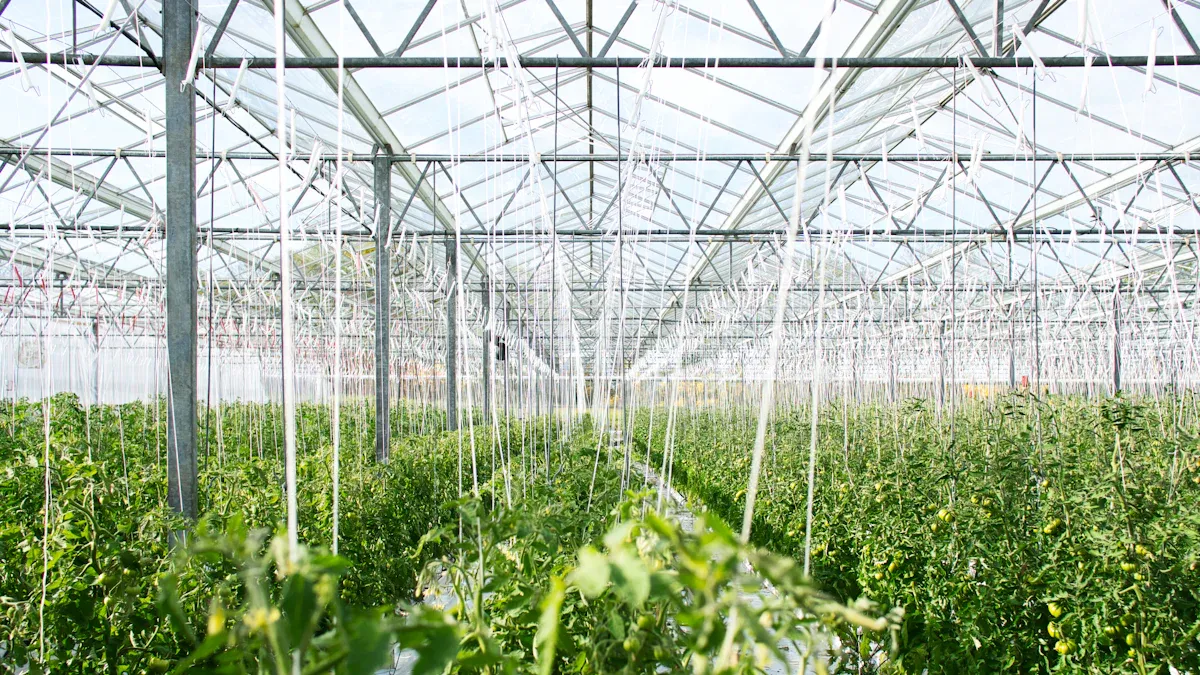
Greenhouse equipment plays a pivotal role in enhancing farming productivity, especially in the context of vertical farming. Recent studies indicate that greenhouses in Canada yield approximately 8.5 times more produce per area than traditional field production. This significant increase stems from innovations like dynamic lighting and optimized growing conditions. Sustainable practices are essential in modern agriculture, with 90% of U.S. farmers recognizing their importance. However, actual implementation remains low, with farmers applying these practices on less than 30% of their acreage. Automation and technology further improve efficiency, making advanced systems like hydroponic channels and vertical plant walls increasingly vital for successful commercial growing systems. The integration of a hydroponic system within these setups enhances productivity and resource management, ensuring a more sustainable approach to farming.
Key Takeaways
- Greenhouses can yield up to 8.5 times more produce than traditional farming, maximizing productivity and efficiency.
- Modern farming techniques, like hydroponics and vertical farming, allow for precise control over growing conditions, leading to healthier crops.
- Controlled Environment Agriculture (CEA) enhances crop quality by regulating light, temperature, and humidity, promoting sustainability.
- Automation technologies, such as AI and IoT, improve resource management and reduce labor costs, making farming more efficient.
- Farmers should embrace advanced greenhouse systems to ensure year-round cultivation and remain competitive in the agricultural market.
Importance of Modern Farming Techniques
Modern farming techniques have revolutionized greenhouse agriculture, enabling farmers to maximize productivity while promoting sustainability. These techniques allow for precise control over growing conditions, which leads to healthier crops and higher yields. The following table outlines some of the most common modern farming techniques used in greenhouse environments:
| Technique | Description | Suitable Crops |
|---|---|---|
| Soil-Based | Uses natural soil enriched with compost; cost-effective and beginner-friendly. | Tomatoes, capsicum, cucumbers |
| Hydroponics | Soil-less method with nutrient solutions; allows precise control over growth. | Leafy greens, herbs, short-cycle crops |
| Aquaponics | Combines fish rearing with hydroponics; eco-friendly and resource-efficient. | Lettuce, tomatoes, kale |
| Aeroponics | Plants are misted with nutrients; maximizes oxygen for roots. | Herbs, strawberries, high-value crops |
| Vertical Farming | Grows plants in stacked layers; ideal for urban areas with limited space. | Lettuce, spinach, microgreens |
| Hybrid Systems | Mix of soil beds and hydroponic channels; optimizes space and resources. | Various crops |
These techniques contribute significantly to increased productivity in greenhouse environments. For instance, controlled environments allow farmers to manage temperature, humidity, and light effectively. This control results in healthier crops and higher yields. Additionally, greenhouses protect crops from pests and extreme weather, reducing the need for chemical pesticides. This protection ensures consistent quality and marketability.
Advanced technologies, such as drip irrigation and ventilation systems, enhance water efficiency and overall productivity. Greenhouses also enable year-round crop production, allowing farmers to maintain a steady supply to the market. This consistent availability translates into profitability and the ability to grow high-value crops that may not thrive in open fields.
Moreover, modern farming techniques offer environmental benefits. A study conducted in China revealed that these techniques significantly mitigate ozone pollution, which can harm crops and reduce yields. By lowering internal ozone levels, greenhouses prevent yield reductions of 6–8% for crops like lettuce. This reduction not only protects crop health but also translates into substantial economic benefits for farmers.
Despite the advantages, farmers face challenges when adopting modern farming techniques. Economic pressures, climate change, and labor shortages can hinder implementation. Additionally, issues like soil erosion and biodiversity loss require careful management. However, the benefits of modern techniques often outweigh these challenges, making them essential for sustainable farming practices.
Controlled Environment Agriculture
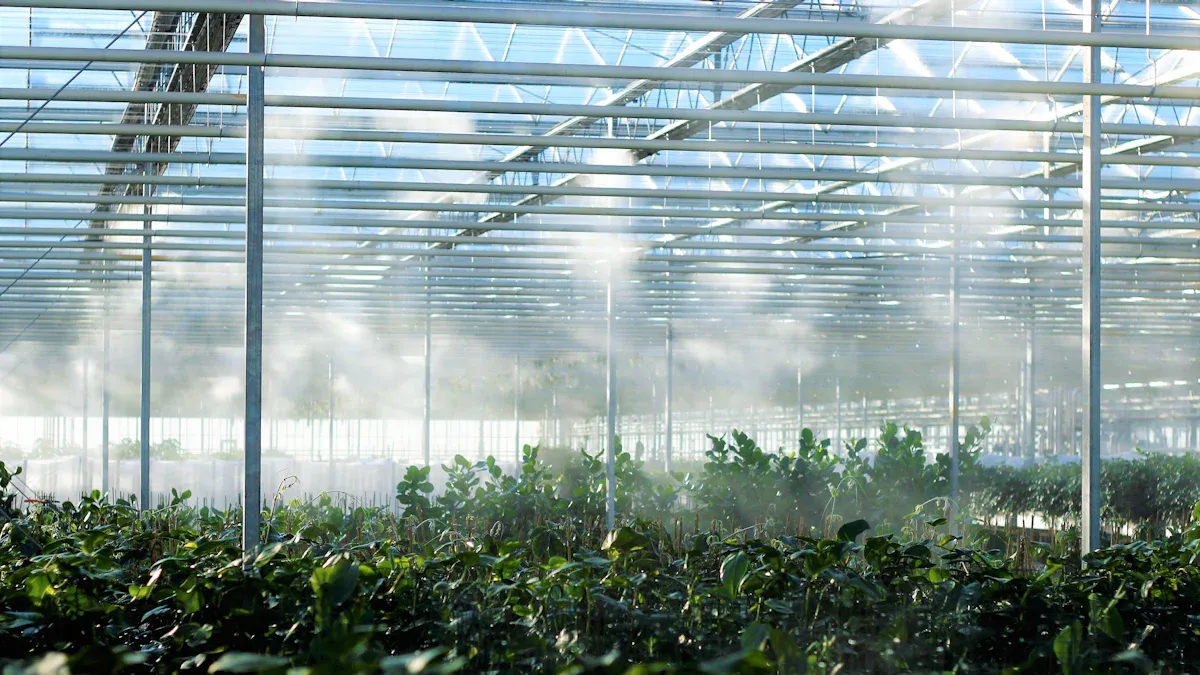
Controlled Environment Agriculture (CEA) represents a significant advancement in greenhouse farming. This method allows farmers to create optimal growing conditions by regulating light, temperature, humidity, and CO₂ levels. By doing so, CEA enhances crop quality and consistency while promoting sustainability.
Key components of CEA include:
- Cooling: Farmers use shade cloths, ventilation systems, or evaporative coolers to prevent overheating during summer months.
- Ventilation: This involves both natural ventilation through roof and side vents and mechanical systems like fans.
- Humidity Control: Misting systems increase humidity, while dehumidifiers help reduce it.
- Lighting: CEA utilizes both natural light and supplemental lighting options, such as LED or fluorescent lights.
- Irrigation: Automated systems ensure consistent moisture levels, crucial for healthy plant growth.
The benefits of CEA are substantial. The table below summarizes how CEA improves crop quality and consistency:
| Benefit | Explanation |
|---|---|
| Control of environmental factors | Predictable growth conditions reduce risks from extreme weather. |
| Efficient resource use | Enhances land, water, fertilizer, and energy use, leading to better crop quality. |
| Proximity to markets | Improves food freshness and lowers transport emissions, enhancing overall crop quality. |
| Compliance with standards | Produce is more likely to meet biosecurity and quality standards for export. |
| Year-round growth | Creates favorable conditions for consistent yields, improving both quality and consistency. |
Moreover, CEA reduces pest and disease incidence. By creating a closed ecosystem, CEA protects crops from external threats. This method minimizes challenges posed by weeds and insect pests, as all necessary resources are artificially supplied.
Farmers can also utilize advanced technologies to regulate their greenhouse environments. Sensors monitor CO₂ levels, temperature, and humidity, while HVAC systems provide climate control. Integration with IoT-enabled sensors allows for real-time adjustments, ensuring optimal conditions for plant growth.
Greenhouse Automation Technologies
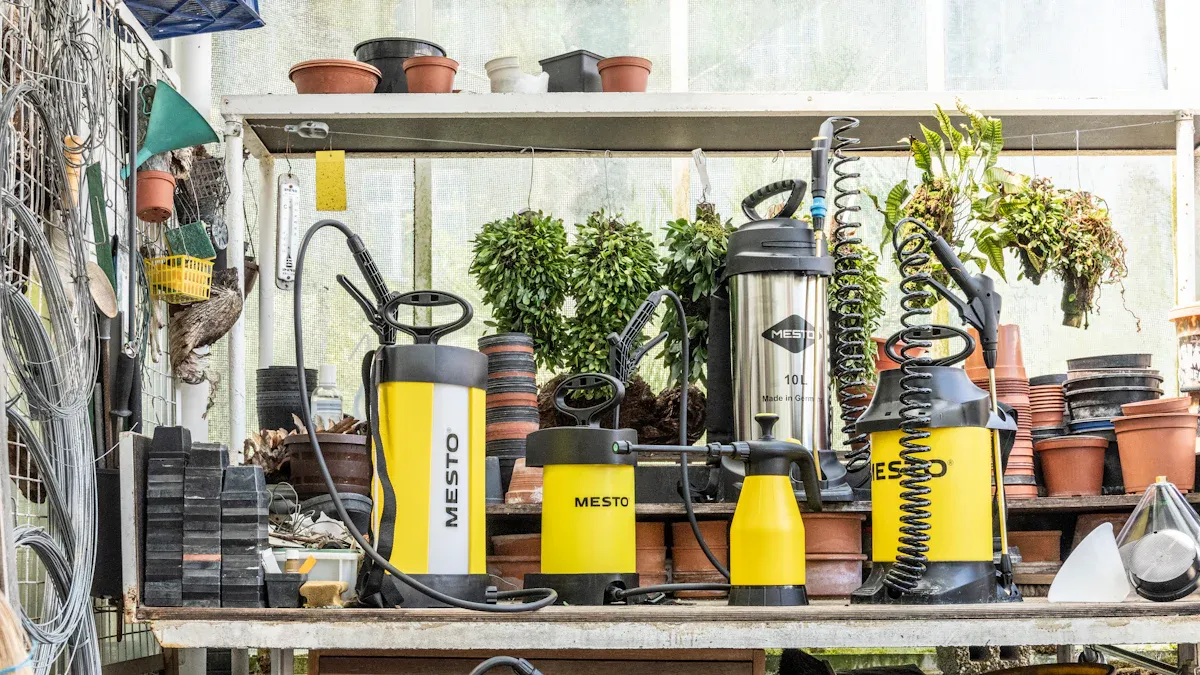
Greenhouse automation technologies have transformed modern agriculture by enhancing efficiency and productivity. These innovations allow farmers to manage their operations with precision, reducing labor costs and improving crop yields. The following advancements illustrate the impact of automation in greenhouse settings:
| Advancement Type | Description |
|---|---|
| Advanced Sensors | Monitor temperature, humidity, CO2, and light intensity to create ideal microclimates for crops. |
| AI-Powered Monitoring Systems | Use real-time data to adjust climate conditions instantly, regardless of external weather fluctuations. |
| IoT Integration | Allows remote management and instant alerts for resource optimization. |
| Robotics and Automated Systems | Harvesting robots and automated planters reduce manual labor and improve precision in crop growing. |
| Automated Irrigation Systems | Deliver water and nutrients directly to roots based on real-time plant needs, reducing resource waste. |
| Automated Pest Control Systems | Minimize the need for chemical pesticides through traps and monitoring drones. |
| Data-Driven Farming | Machine learning algorithms analyze growth, predict diseases, and optimize harvest timing for higher yield. |
| Energy Efficiency Innovations | Solar power integration, geothermal heating, and smart energy grids enhance sustainability and reduce costs. |
The integration of these technologies leads to significant economic benefits. For instance, automated controls minimize human error and reduce labor costs through systems for ventilation, heating, and irrigation. Precision resource use allows farmers to optimize inputs like water, fertilizer, and energy, which reduces waste.
Automated irrigation and climate control systems significantly enhance crop yields in greenhouses by optimizing environmental conditions and resource management. These systems allow for precise control over factors such as temperature, humidity, light, and water, which are crucial for plant growth. The integration of advanced technologies, including AI and IoT, enables real-time monitoring and adjustments, leading to improved crop health and productivity.
Farmers can also benefit from increased production, allowing them to sell more than the cost of the equipment. However, some barriers exist. High initial investment costs and the complexity of integrating advanced technologies can deter adoption. Additionally, rural internet connectivity gaps limit the functionality of cloud-based farm management platforms, making it difficult for farmers to fully utilize automation technologies.
Despite these challenges, the advantages of automation technologies in greenhouse equipment far outweigh the drawbacks. They not only enhance productivity but also contribute to sustainable farming practices. As the industry continues to evolve, embracing these innovations will be crucial for farmers aiming to thrive in a competitive market.
Case Studies of Successful Implementations
Numerous farms have successfully implemented advanced greenhouse equipment, leading to remarkable improvements in productivity and sustainability. For instance, a large-scale vegetable producer transitioned to greenhouse farming and achieved a 30% increase in yield within the first year. This success stemmed from effective planning and the use of advanced climate control systems.
The following table summarizes the benefits observed in various farms utilizing modern greenhouse technologies:
| Benefit Type | Description |
|---|---|
| Increased Efficiency | Advanced greenhouses optimize resource management, leading to better use of water and nutrients. |
| Enhanced Sustainability | These structures contribute to reduced waste and lower water usage, promoting eco-friendly practices. |
| Improved Productivity | Higher crop yields are achieved through precision management and automation technologies. |
| Climate Resilience | Smart designs protect crops from extreme weather, ensuring consistent output. |
| Accessibility for Farmers | Technologies empower smallholders to compete in evolving agricultural markets. |
Farmers also learn valuable lessons from challenges faced during implementation. Key takeaways include:
- Manage Risks Starting at the Top: Leadership must prioritize safety culture and preparedness.
- Regularly Review and Update Your Plans: Plans should adapt to new risks and changes.
- Think Beyond Your Property Lines: Consider risks that extend beyond the immediate facility.
Moreover, automated greenhouses significantly outperform traditional methods. They can increase yield while minimizing resource waste. For example, Ultra-Clima® greenhouses demonstrate a 25.4% lower CO₂ footprint in tomato production compared to conventional practices. This reduction in energy use, up to 18.5%, leads to lower operational costs and emissions.
Greenhouse equipment significantly enhances productivity in farming by extending the growing season and protecting crops from adverse weather. Farmers benefit from improved control over environmental factors, leading to higher crop yields. Additionally, sustainable practices, such as hydroponics and integrated pest management, contribute to environmental conservation by reducing water usage and minimizing chemical inputs.
Farmers should embrace modern technologies to optimize their operations. By investing in advanced greenhouse systems, they can ensure year-round cultivation and remain competitive in the evolving agricultural landscape.
Call to Action: Now is the time for farmers to adopt these innovations and secure a sustainable future for agriculture.
FAQ
What is the primary benefit of greenhouse farming?
Greenhouse farming allows for year-round crop production. It provides controlled environments that optimize growing conditions, leading to higher yields and improved crop quality.
How does automation improve greenhouse efficiency?
Automation reduces labor costs and enhances precision in resource management. Automated systems monitor environmental factors and adjust conditions in real-time, ensuring optimal growth.
What crops are best suited for hydroponic systems?
Hydroponic systems excel with leafy greens, herbs, and short-cycle crops. These plants thrive in nutrient-rich water, benefiting from the precise control offered by hydroponics.
Are there environmental benefits to using greenhouses?
Yes, greenhouses promote sustainability by reducing water usage and minimizing chemical inputs. They also lower carbon footprints through efficient resource management and localized production.
How can farmers start implementing greenhouse technologies?
Farmers can begin by researching suitable greenhouse designs and technologies. They should assess their specific needs and consider starting with modular systems for flexibility and scalability.