
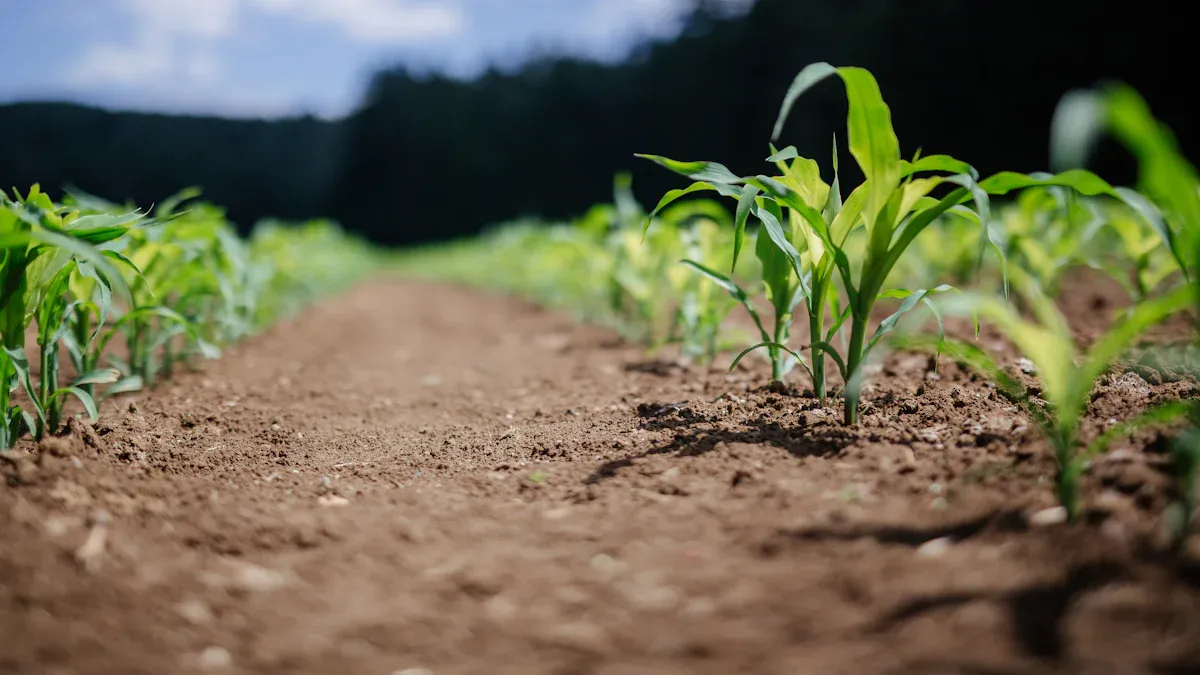
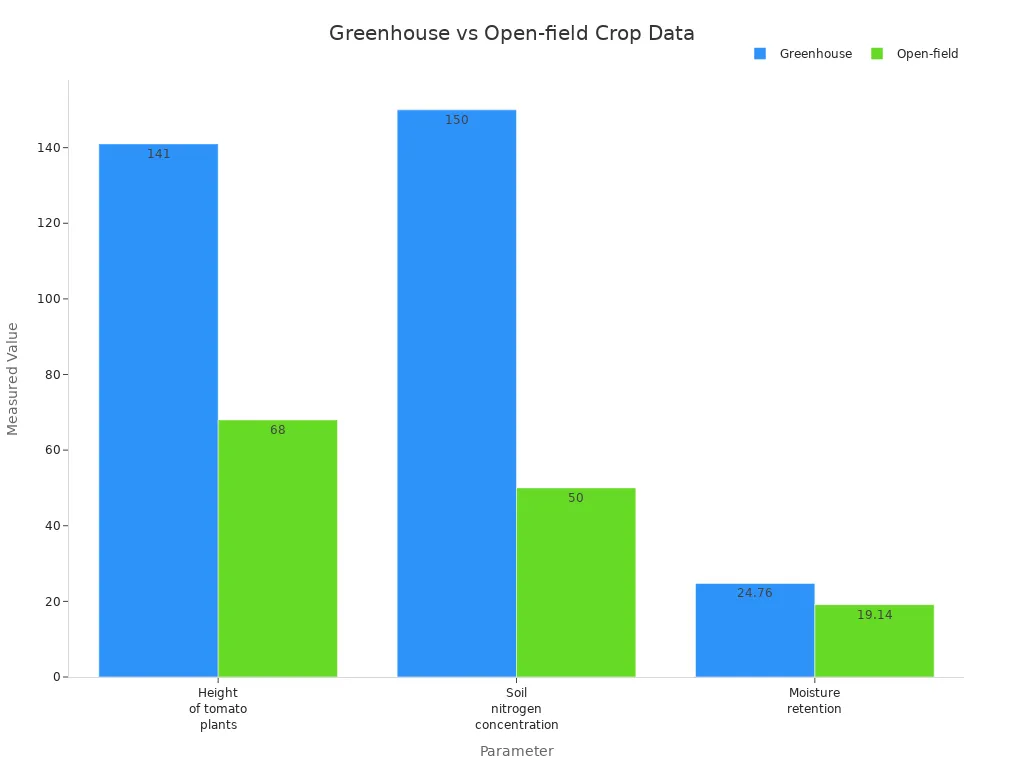
Greenhouse structures create optimal growing conditions that significantly enhance crop yield improvement. By providing controlled environments, these structures effectively reduce risks from pests and diseases, which directly contributes to increased profitability. For instance, enclosed spaces limit exposure to harmful pests while promoting healthier plant growth. Additionally, implementing a greenhouse profit strategy through the strategic management of resources can lead to more efficient greenhouse designs, ultimately boosting financial returns for growers. The greenhouse structure benefits include improved plant health and productivity, answering the question of how greenhouse increase yield?
Key Takeaways
- Greenhouses create ideal growing conditions, leading to healthier plants and higher crop yields.
- Understanding energy costs, labor needs, and material quality is essential for maximizing greenhouse profitability.
- Choosing the right greenhouse structure based on climate and crop type can significantly enhance production.
- Implementing advanced technologies like climate control systems and automation boosts efficiency and crop health.
- Effective marketing strategies, such as direct-to-consumer sales, can increase profits and build customer loyalty.
Understanding Greenhouse Profitability

Greenhouse profitability hinges on several key factors that influence both operational efficiency and financial returns. Understanding these factors allows growers to make informed decisions that enhance their bottom line. Here are the primary elements that determine greenhouse profitability:
- Energy Costs: Energy consumption significantly impacts operational expenses. Rising energy prices can strain budgets, making energy-efficient practices essential.
- Labor: Skilled labor is crucial for maintaining productivity. Labor shortages can lead to inefficiencies and increased costs.
- Materials: The quality and cost of materials used in greenhouse construction and maintenance affect overall profitability.
- Greenhouse Structure: The design and type of greenhouse structure can optimize space and resource utilization, directly influencing yield.
- Climate Considerations: Local climate conditions can affect crop selection and greenhouse design, impacting profitability.
- Space Utilization: Efficient use of available space maximizes production capacity and reduces waste.
- Crop Selection: Choosing high-demand and high-value crops can significantly boost profits.
- Technology: Implementing advanced technologies can streamline operations and enhance crop management.
- Marketing Strategies: Effective marketing can increase product visibility and sales, contributing to higher profits.
- Government Support: Subsidies and support programs can alleviate financial burdens and enhance profitability.
Tip: Growers should regularly assess these factors to identify areas for improvement and adapt to changing market conditions.
Despite the potential for high profitability, greenhouse operators face several challenges. The table below outlines common obstacles that can hinder success:
| Challenge | Description |
|---|---|
| Energy Costs | Rising global energy prices make it difficult to maintain cost-effective operations, leading to budget overruns. |
| Labor Shortages | Difficulty in attracting skilled labor affects production efficiency and can lead to delays in operations. |
| Climate Risks | Extreme weather events pose risks to infrastructure and crop stability, potentially leading to financial losses. |
In addition to these challenges, government policies and subsidies play a crucial role in shaping greenhouse profitability. The following table summarizes how different types of subsidies can impact financial outcomes:
| Subsidy Type | Description | Impact on Profitability |
|---|---|---|
| FC Subsidy | Fixed green technology investment cost | Increases manufacturer profit and reduces emissions |
| ER Subsidy | Based on the amount of emission reduction | Increases retailer profit and encourages green production |
The greenhouse agriculture sector is projected to experience a compound annual growth rate (CAGR) of approximately 10% over the next five years. This growth will be driven by advancements in technology, regulatory support for sustainability, and changing consumer preferences towards organic and locally sourced produce.
By understanding these factors and challenges, greenhouse operators can develop strategies that enhance profitability and ensure long-term success.
Selecting the Right Greenhouse Structure
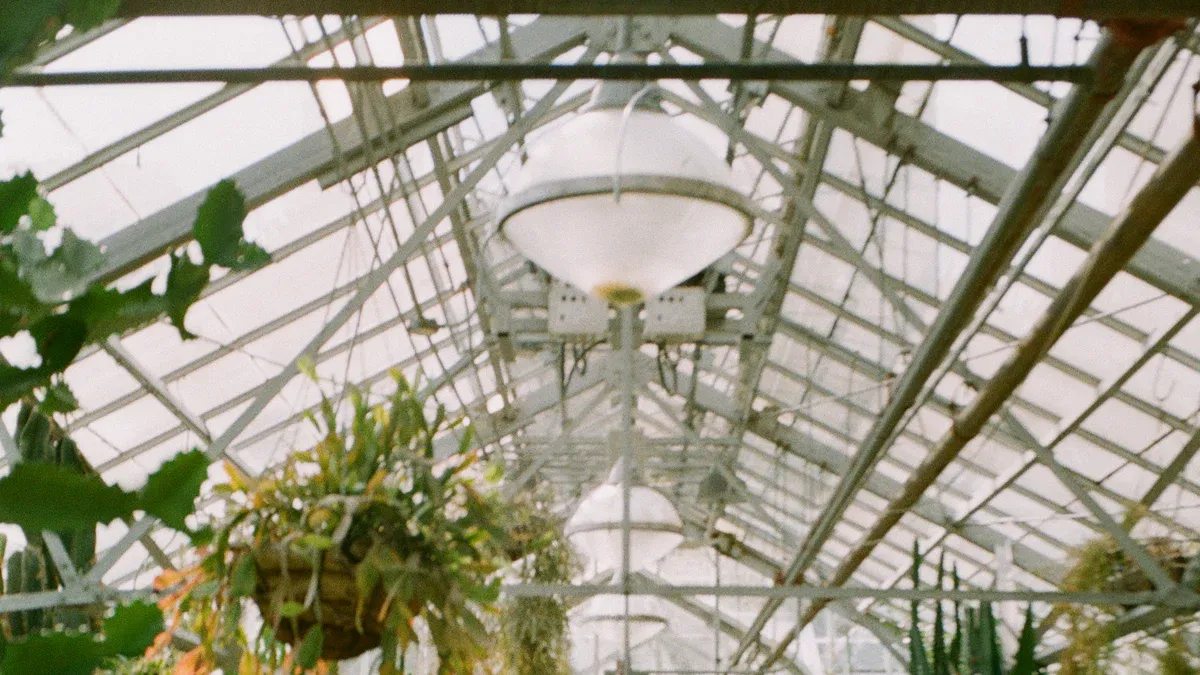
Choosing the right greenhouse structure is crucial for maximizing crop yield and profitability. Different designs cater to various environmental conditions and crop types. Growers must consider several factors when selecting a greenhouse structure to ensure optimal plant production.
-
Climate Factors: The local climate significantly influences greenhouse design. For instance, regions with high humidity may benefit from structures that promote ventilation. Conversely, areas with colder climates might require designs that retain heat effectively.
-
Specific Designs: Certain greenhouse structures are tailored for specific crops. Mediterranean multi-span greenhouses, for example, are ideal for crops that thrive in warmer climates. In contrast, Chinese greenhouses are designed to accommodate a variety of environmental needs. These structures can enhance growth conditions for crops like tomatoes and bananas, which have unique ventilation requirements based on wind direction and speed.
-
Ventilation and Airflow: Proper ventilation is essential for maintaining healthy plants. Greenhouses must allow for adequate airflow to prevent overheating and humidity buildup. Experimental studies indicate that crops perform better when their greenhouse designs align with their specific ventilation needs.
-
Material Selection: The materials used in greenhouse construction also play a vital role. Transparent materials like polycarbonate or glass allow sunlight to penetrate while providing insulation. This balance is crucial for maintaining the right temperature and light levels for plant growth.
-
Space Utilization: Efficient use of space within the greenhouse can lead to higher yields. Vertical farming techniques and tiered planting systems maximize the available area, allowing growers to produce more crops in the same footprint.
Tip: When selecting a greenhouse structure, consider both the environmental conditions and the specific needs of the crops. This approach will help optimize growth and profitability.
Optimizing Greenhouse Layout
An efficient greenhouse layout plays a vital role in maximizing crop yield and profitability. Growers can enhance productivity by strategically organizing space and resources. Here are several key considerations for optimizing greenhouse layout:
- Vertical Cultivation: Utilize vertical space with trellising systems or tiered shelving. This approach increases plant density and maximizes yield per square foot.
- Training and Pruning Techniques: Implement methods like topping and low-stress training. These techniques optimize growth and space usage, allowing plants to thrive without overcrowding.
- Sea of Green (SOG) Technique: Grow many smaller plants with a shorter vegetative stage. This method leads to higher turnover and quicker harvest cycles.
- Intercropping and Companion Planting: Grow compatible plants together. This practice optimizes space and creates a balanced ecosystem, benefiting overall plant health.
- Vertical and Movable Growing Systems: Use systems that allow for flexibility in layout. Movable systems enable growers to adapt to changing needs and maximize space utilization.
- Microgreens and Starter Plants: Dedicate space for quick-growing crops. These plants enhance productivity and provide a fast return on investment.
- Efficient Pathways and Layout Design: Design pathways for easy access and optimized workflow. A well-planned layout can reduce labor costs significantly.
The layout also influences labor efficiency and operational costs. For example, a well-organized workstation layout can decrease labor needs by up to 50%. Additionally, ensuring that reach limitations are within a 24-inch radius for women and 27 inches for men can enhance worker comfort and efficiency.
Tip: Regularly assess and adjust the greenhouse layout to meet evolving production goals and market demands.
Implementing Advanced Climate Control
Advanced climate control systems play a pivotal role in optimizing greenhouse environments. These technologies ensure that growers maintain ideal conditions for plant health and productivity. Here are some key components of effective climate control:
-
Shading Systems: Effective shading systems protect crops from excessive sunlight. They help maintain optimal temperatures and prevent heat stress, which can adversely affect growth.
-
Ventilation Systems: Efficient ventilation is crucial for regulating temperature and humidity levels. Proper airflow ensures a stable growing environment, reducing the risk of diseases.
-
Environment Monitoring Systems: These systems provide real-time data on climate conditions. They enable growers to make precise adjustments, ensuring optimal growth conditions.
-
Advanced Lighting Technology: Utilizing the right spectrum of light enhances plant health and increases yields. This technology supports photosynthesis, leading to robust crop development.
-
Thermal Insulation Quilts: New thermal insulation materials help save energy by reducing heat loss. They maintain a stable temperature within the greenhouse, contributing to overall efficiency.
The integration of automated climate control systems significantly impacts crop yield and resource use efficiency. For instance, IoT-enabled devices continuously track environmental conditions. They ensure immediate detection and correction of anomalies, leading to healthier plants.
| Technology Type | Impact on Crop Yield and Resource Efficiency |
|---|---|
| IoT-enabled devices | Continuously track environmental conditions, ensuring immediate detection and correction of anomalies. |
| Sensor networks | Allow hyper-local monitoring, enabling micro-adjustments to irrigation, lighting, and ventilation. |
| AI-powered systems | Use machine learning to optimize environmental controls in real time, enhancing plant growth conditions. |
| Automated irrigation | Ensures consistent moisture delivery without overwatering, improving water use efficiency. |
| Automated nutrient delivery | Provides the right balance of nutrients, preventing deficiencies and maximizing growth potential. |
By implementing these advanced climate control technologies, greenhouse operators can significantly enhance crop yields while optimizing resource use. This strategic approach not only improves profitability but also supports sustainable agricultural practices.
Ensuring Energy Efficiency
Energy efficiency is crucial for maximizing profitability in greenhouse operations. Implementing effective strategies can significantly reduce operational costs while minimizing environmental impact. Here are several key practices that greenhouse operators can adopt to enhance energy efficiency:
- Insulation Improvements: Adding a single or double layer of plastic over older glasshouses can reduce heat loss by 50%. This simple upgrade can lead to substantial savings on heating costs.
- Thermal Blankets: Installing thermal blankets can save between 20% and 50% on heating expenses. These blankets help retain warmth during colder months, ensuring optimal growing conditions.
- Floor Heating Systems: Utilizing floor or under-bench heating allows for lower air temperature settings. This method improves efficiency by providing consistent warmth directly to the plants.
- Regular Maintenance: Keeping heating systems well-maintained can lead to significant fuel savings. Simple tasks, such as cleaning fan blades, can save as much as 20% of total energy use.
In addition to these practices, integrating renewable energy sources can further enhance energy efficiency. For example, installing solar panels reduces reliance on fossil fuels, which lowers operational costs. Moreover, modern greenhouses utilize automation and smart control systems to optimize energy use. Climate control systems powered by IoT sensors help reduce excess heating, cooling, or lighting needs.
- LED Lighting: The integration of LED lighting enhances energy efficiency by mimicking natural sunlight. This technology contributes to lower energy costs while supporting plant growth.
- Polycarbonate Linings: Using polycarbonate linings with infrared inhibitors can save up to 15% on energy costs. These materials improve insulation and light transmission, benefiting overall plant health.
By adopting these energy-efficient practices, greenhouse operators can not only improve their profitability but also contribute to sustainable agricultural practices. Effective water management systems can further enhance profitability by reducing labor and operating costs while ensuring consistent irrigation for improved crop quality.
Tip: Regularly assess energy usage and explore new technologies to maintain efficiency in greenhouse operations.
Choosing Profitable Crops
Selecting the right crops is essential for maximizing profitability in greenhouse operations. Growers should focus on high-margin crops that align with market demand. Here are some of the most profitable options:
| Crop Category | Price Point | Avg. Time to Harvest | Key Profit Driver | Ideal Sales Channel |
|---|---|---|---|---|
| Microgreens | $25 – $50 / lb | 10 Days | Speed & Premium Niche | Direct to Restaurants |
| Herbs (Basil) | $14 – $20 / lb | 25-30 Days | Continuous Harvest | Restaurant Subscriptions |
| Tomatoes (Snacking) | $3 – $5 / lb | 60-80 Days | Premium for Flavor/Local | Farmers’ Markets, Retail |
| Bell Peppers (Color) | $2 – $4 / lb | 70-90 Days | Quality & Retail Demand | Wholesale, Grocery Chains |
| Strawberries | $5 – $8 / lb | 60 Days | Off-Season Availability | Direct to Consumer |
In addition to these crops, growers should consider specialty leafy greens, high-flavor tomatoes, cucumbers, and fresh herbs like cilantro and mint. These options cater to consumer preferences for unique flavors and healthy choices.
Market trends also influence crop selection. Growers should pay attention to the following factors:
- Sustainability: Eco-friendly practices are increasingly popular among consumers.
- Technology Integration: Advanced systems optimize production and resource use.
- Local Production: The demand for locally grown produce continues to rise.
- Variety Diversification: Consumers seek unique and flavorful options.
- Ready-to-Go Solutions: Pre-planted containers appeal to novice gardeners.
By aligning crop choices with market trends and consumer preferences, greenhouse operators can enhance their profitability and ensure a steady demand for their products.
Leveraging Technology
Technology plays a crucial role in maximizing crop yield and profitability in greenhouse operations. By integrating advanced tools and systems, growers can enhance productivity and streamline processes. Here are some key technological innovations that have significantly impacted greenhouse management:
- AI-Powered Climate Control: These systems optimize environmental conditions for crops, ensuring they receive the ideal temperature, humidity, and light levels.
- Robotics: Automation reduces labor costs and improves efficiency in planting and harvesting tasks.
- Drones: Aerial imaging allows for proactive monitoring of crop health, enabling early detection of issues such as pests or nutrient deficiencies.
- Blockchain Technology: This innovation ensures transparency in supply chains, enhancing product traceability and consumer trust.
For example, a tomato grower implemented greenhouse automation, achieving a 30% increase in yield while reducing water consumption by 40%. Similarly, a leafy greens producer adopted hydroponic systems powered by renewable energy, improving efficiency and cutting operational costs by 25%.
The integration of data analytics and automation further enhances greenhouse management outcomes. The following table outlines how specific technologies contribute to improved efficiency:
| Technology | Benefit |
|---|---|
| IoT-based drip irrigation | Monitors soil moisture and delivers precise water, minimizing waste and ensuring optimal growth. |
| Automated nutrient delivery | Feeds plants based on growth stage, reducing over-fertilization and improving health. |
| AI-controlled lighting | Adjusts light based on real-time data, enhancing crop outcomes and reducing energy costs. |
| Robotics in production | Lowers labor costs and minimizes human error through automation of routine tasks. |
| Drones for monitoring | Detects issues like pests and nutrient deficiencies early, allowing for targeted interventions. |
By leveraging these technologies, greenhouse operators can enhance efficiency, minimize resource wastage, and achieve better crop consistency and yield. Embracing innovation not only boosts profitability but also supports sustainable agricultural practices.
Marketing Strategies for Greenhouse Products
Effective marketing strategies are essential for greenhouse operators aiming to maximize sales and profitability. As consumer preferences shift towards locally grown and organic produce, greenhouse businesses must adapt their marketing approaches. Here are several strategies that can enhance visibility and sales:
-
Direct-to-Consumer Sales: Selling directly to consumers allows greenhouse businesses to achieve higher profit margins. This approach fosters brand loyalty and builds relationships with customers. Engaging directly with consumers accelerates cash flow, which is crucial for maintaining profitability.
-
Farmers’ Markets: Participating in farmers’ markets provides an excellent opportunity for growers to sell fresh produce directly to customers. This setting allows for personal interaction, enabling growers to share their stories and the benefits of their products.
-
Community Supported Agriculture (CSA): This subscription-based model ensures a steady income for growers. Customers pay upfront for a share of the harvest, which helps stabilize cash flow and fosters a sense of community.
-
Online Sales and Delivery: Utilizing e-commerce platforms can expand market reach. Online sales allow consumers to order products conveniently, increasing accessibility and sales potential.
Tip: Growers should highlight the environmental benefits of their products. Rising consumer concerns about food production’s environmental impact drive demand for greenhouse-grown produce. Transparency in food sourcing also resonates with consumers, enhancing trust and loyalty.
Incorporating these strategies can significantly impact profitability. Direct-to-consumer channels not only increase profit margins but also facilitate faster cash flow. Engaging with consumers through farmers’ markets or CSA programs can lead to quicker earnings, ensuring financial stability for greenhouse operations.
By implementing these marketing strategies, greenhouse operators can effectively meet consumer demands while maximizing their profitability.
Strategic greenhouse management is vital for maximizing crop yield and profit. By creating a controlled environment, greenhouses improve pest and disease control, leading to higher quality crops. Growers can implement integrated pest management (IPM) strategies, which enhance sustainability and effectiveness.
Continuous improvement in operations contributes to long-term profitability. For example, optimizing yield density can significantly increase revenue per square meter.
Investing in technology and sustainable practices yields long-term benefits. Consumers often pay 15-30% more for greenhouse-grown produce, ensuring consistent income. By adapting to market trends, such as the demand for organic products, greenhouse operators can secure their financial future.
FAQ
What are greenhouse structures?
Greenhouse structures are controlled environments designed to optimize plant growth. They provide protection from pests, diseases, and extreme weather, allowing for year-round cultivation.
How do greenhouse structures improve crop yield?
Greenhouse structures enhance crop yield by maintaining ideal temperature, humidity, and light levels. This controlled environment promotes healthier plants and reduces stress factors.
What types of crops are best suited for greenhouse structures?
High-value crops such as tomatoes, herbs, and microgreens thrive in greenhouse structures. These crops often yield higher profits due to their demand and growth conditions.
How can I ensure energy efficiency in my greenhouse structure?
To ensure energy efficiency, implement insulation, use thermal blankets, and adopt renewable energy sources. Regular maintenance of heating systems also contributes to lower energy costs.
What technology can enhance greenhouse structure management?
Technologies like IoT sensors, automated climate control, and robotics can significantly improve greenhouse structure management. These innovations optimize resource use and enhance crop health.