
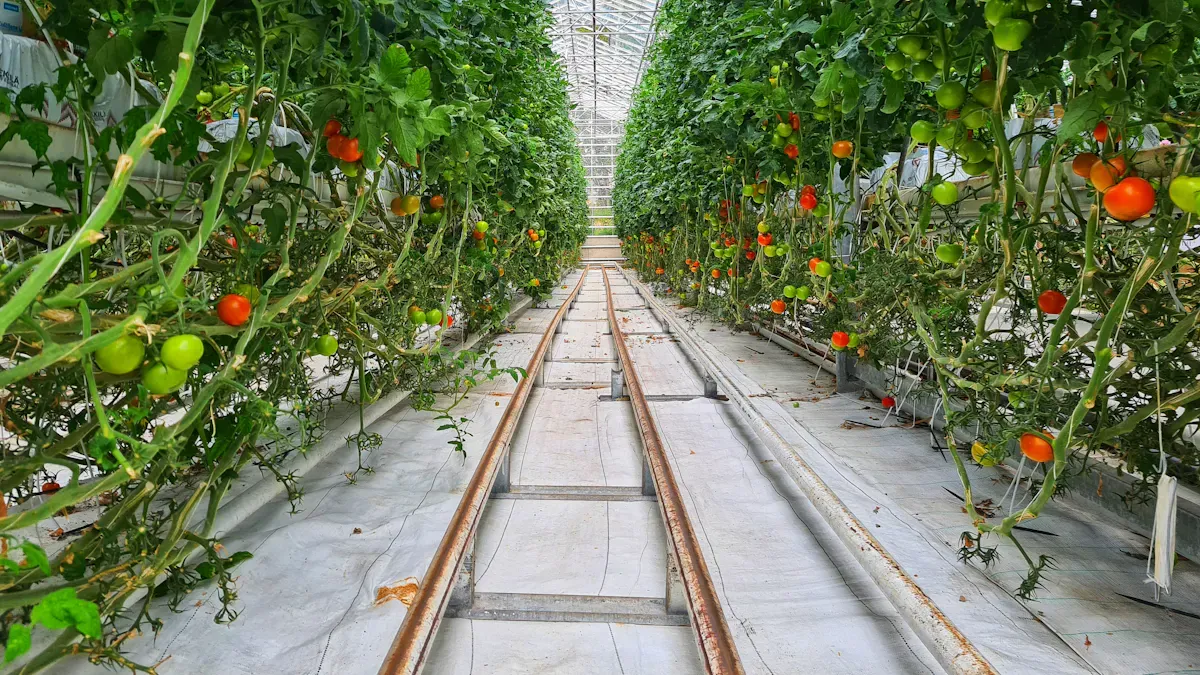
Multi-span greenhouses equipped with multi-span greenhouses insulation quilts all-weather provide excellent temperature control, effectively managing conditions from -20°C to 45°C. These energy efficient greenhouse insulation 2026 structures leverage advanced design and materials to improve all-weather stability. The combination of multi-span design and insulation quilts is crucial for optimizing commercial greenhouse all-weather performance. What temperature range can multi-span greenhouses handle? They are designed to thrive in a wide range of temperatures, ensuring reliable operation throughout the year.
Key Takeaways
- Multi-span greenhouses provide excellent temperature control, allowing for successful cultivation in extreme temperatures from -20°C to 45°C.
- Insulation quilts significantly reduce heat loss, leading to energy savings of up to 70% on heating costs and promoting healthier crop growth.
- Effective ventilation and airflow strategies are crucial for maintaining humidity levels and preventing diseases, ensuring optimal conditions for plant development.
Understanding Multi-Span Greenhouses
Definition and Structure
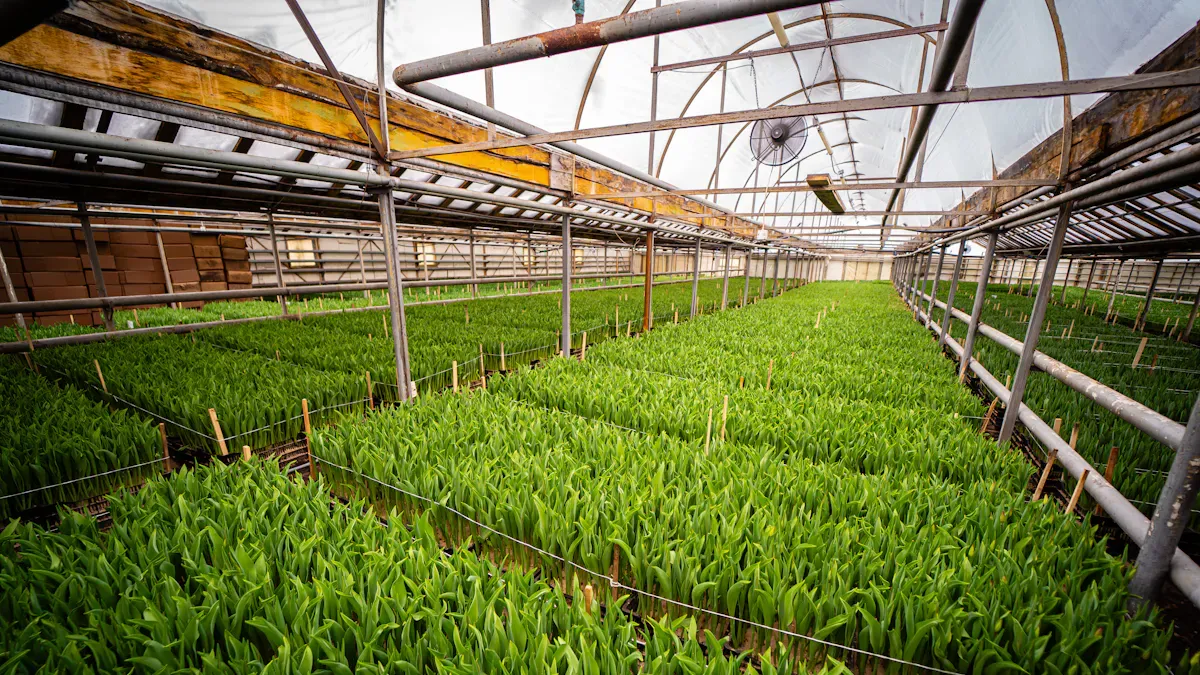
Multi-span greenhouses consist of multiple connected sections, allowing for a larger growing area compared to traditional single-span designs. This structure typically features a series of arches or trusses that support the greenhouse covering. The design enhances stability and durability, making it suitable for various climates.
Key components of multi-span greenhouses include:
- Frame: Usually made from galvanized steel or aluminum, providing strength and resistance to corrosion.
- Covering Material: Often consists of polycarbonate panels or polyethylene film, which allow sunlight to penetrate while offering insulation.
- Ventilation Systems: Designed to promote airflow, these systems help regulate temperature and humidity levels.
The multi-span design significantly reduces the surface area exposed to cold air, which minimizes heat loss. This feature enhances thermal performance and heat storage capacity, making it an ideal choice for growers in regions with extreme temperatures.
Design Benefits
The design of multi-span greenhouses offers several advantages that contribute to improved durability and climate control.
| Feature | Contribution to Durability and Climate Control |
|---|---|
| Insulation and Heat Retention | Reduces heat loss by minimizing surface area exposed to cold air, enhancing thermal performance and heat storage capacity. |
| Buffer Zones | Creates barriers that trap warm air, ensuring stable internal temperatures and energy savings. |
| Air Circulation | Ensures uniform heat distribution, preventing localized temperature fluctuations that can harm crops. |
| Wind Resistance | Aerodynamic design reduces wind pressure, enhancing structural integrity in harsh conditions. |
| Snow Load Management | Strong frames distribute weight evenly, preventing collapse under heavy snow loads. |
Research indicates that multi-span greenhouses equipped with insulation quilts maintain stable temperatures and enhance energy efficiency. This design feature effectively shields plants from extreme weather, significantly improving energy management compared to traditional greenhouse structures.
Role of Insulation Quilts
Functionality of Insulation Quilts
Insulation quilts play a vital role in enhancing the performance of multi-span greenhouses. These quilts consist of layers of insulating material that trap air, creating a barrier against external temperature fluctuations. Their primary functions include:
- Thermal Retention: Insulation quilts significantly reduce heat loss, maintaining a stable internal environment. Studies show that these quilts can provide 40–60% better thermal retention compared to standard polyethylene covers.
- Moisture Management: Acting as a vapor barrier, insulation quilts help regulate humidity levels. They minimize evaporation, which is crucial for maintaining optimal conditions for plant growth.
- Protection Against Condensation: In humid climates, insulation quilts prevent condensation buildup, reducing the risk of fungal diseases that can harm crops.
Research indicates that the effectiveness of insulation quilts varies based on their condition. A recent study demonstrated that the thermal environment within a greenhouse is heavily influenced by the state of the insulation quilt. Different heat transfer coefficients were observed in dry, wet, and icing states, highlighting the importance of maintaining these quilts for optimal temperature stability.
Importance in Temperature Regulation
Temperature regulation is critical for successful greenhouse operations, especially in regions experiencing extreme weather. Insulation quilts contribute significantly to this aspect by:
- Reducing Energy Consumption: By improving insulation and minimizing heat loss, insulation quilts can lead to energy savings of up to 60% to 70% on heating costs annually. This reduction in energy use not only lowers utility bills but also decreases the greenhouse’s carbon footprint.
- Enhancing Crop Growth: Stable temperatures promote healthy plant development. Insulation quilts help maintain consistent internal temperatures, which is essential for maximizing photosynthesis and crop yields.
- Supporting Eco-Friendly Practices: Many insulation quilts are made from renewable materials, aligning with sustainable farming practices. They reduce the need for traditional heating methods, cutting energy use by up to 81% and lowering CO2 emissions.
Temperature Management Mechanisms
Heating and Cooling Systems
Multi-span greenhouses rely on advanced heating and cooling systems to maintain optimal growing conditions throughout the year. Heating systems activate during cold periods, using energy-efficient technologies combined with insulation quilts to retain warmth. These quilts trap heat inside, reducing the need for constant heating. Cooling systems engage when temperatures rise, employing shading, evaporative cooling, or mechanical ventilation to prevent overheating.
A study shows composite insulation quilts achieve over 90% heat-saving efficiency. They keep indoor temperatures above 8 °C during extreme cold and reduce energy consumption and CO₂ emissions by more than 75% compared to traditional heating methods.
This high efficiency lowers operational costs and supports sustainable farming. The integration of heating and cooling with insulation quilts ensures temperature stability, even when external weather fluctuates between -20°C and 45°C.
Airflow and Ventilation Strategies
Proper airflow and ventilation play a crucial role in managing humidity and preventing diseases inside multi-span greenhouses. Ventilation systems regulate moisture by exchanging humid indoor air with drier outside air. This process maintains humidity levels between 60% and 80%, ideal for most crops.
Effective ventilation also prevents condensation buildup on plants and surfaces. Excess moisture can cause fungal diseases such as powdery mildew and botrytis, which harm crop health and yield. Insulation quilts act as vapor barriers, reducing evaporation and helping maintain this delicate balance.
Growers often use a combination of roof vents, side vents, and fans to promote uniform air circulation. This strategy avoids stagnant air pockets and distributes temperature evenly, supporting healthy plant growth and reducing energy waste.
Case Studies of Successful Implementations
Example 1: Greenhouse Project in California
In California, a large-scale multi-span greenhouse project demonstrated the effectiveness of insulation quilts in managing temperature extremes. The greenhouse utilized advanced heating systems and efficient ventilation strategies. Growers reported a significant increase in crop yields, particularly during the hot summer months. The insulation quilts helped maintain optimal temperatures, allowing for year-round cultivation of various crops.
Example 2: Greenhouse Project in Canada
A Canadian greenhouse project faced several challenges due to harsh winter conditions. The team implemented a multi-span greenhouse design with insulation quilts to address these issues. They encountered high heating costs, snow accumulation, and crop damage from extreme cold. The solutions included:
| Challenge | Solution |
|---|---|
| High heating costs in winter | Double-layer film + insulation blanket reduces energy loss |
| Snow accumulation on the roof | Sloped roof design and oval tubing for efficient snow shedding |
| Crop damage from extreme cold | Insulated structure maintains stable temperatures |
| Structural instability during storms | High-strength steel with deep anchoring |
| Short daylight hours and limited sunlight | High-transparency clear film |
These strategies allowed the greenhouse to thrive despite the severe weather, showcasing the resilience of multi-span greenhouses with insulation quilts.
Multi-span greenhouses with insulation quilts effectively achieve all-weather stability, allowing for successful cultivation in extreme temperatures. Their advanced design and insulation capabilities lead to significant increases in crop yields and resource efficiency. Investing in these greenhouses enhances agricultural outcomes, making them a valuable asset for modern farming.
Local farmer Gayrat’s pilot project achieved tomato yields six times previous levels, showcasing the potential of these innovative structures.
FAQ
What are the main advantages of multi-span greenhouses?
Multi-span greenhouses offer increased durability, better temperature control, and enhanced energy efficiency, making them ideal for diverse climates.
How do insulation quilts improve greenhouse performance?
Insulation quilts reduce heat loss, manage humidity, and protect crops from extreme temperatures, ensuring stable growing conditions year-round.
Can multi-span greenhouses operate in extreme weather?
Yes, these greenhouses are designed to withstand temperatures from -20°C to 45°C, providing reliable cultivation regardless of external conditions.