
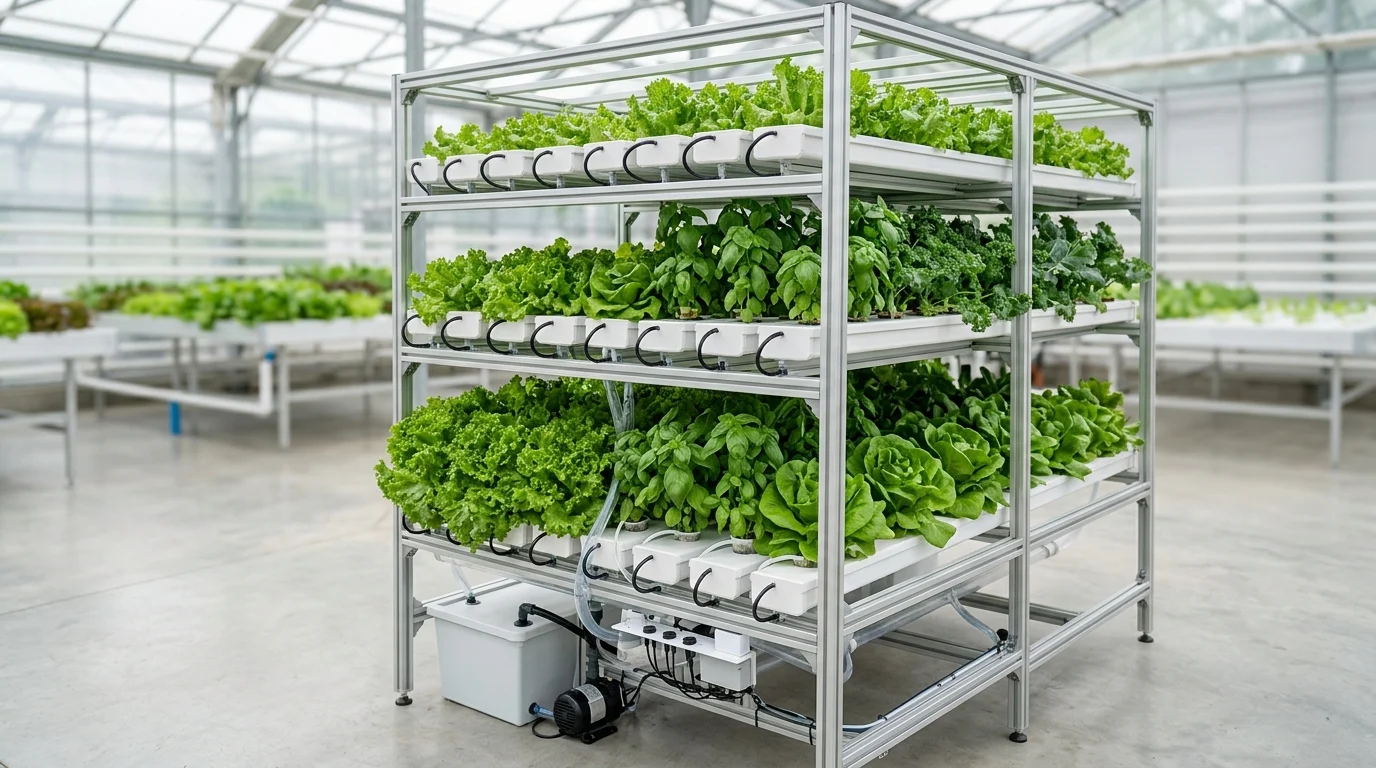
Introduction
Choosing the right hydroponic setup in 2026 means balancing yield, labor, water use, energy demand, and crop type rather than simply picking the newest equipment. Indoor growers now have more specialized options, from nutrient film technique and deep water culture to drip, ebb-and-flow, and vertical recirculating systems, each with different strengths for leafy greens, herbs, strawberries, and vine crops. This article explains which systems perform best under modern indoor farming conditions, where they fit commercially, and what tradeoffs matter most for scalability, maintenance, and consistent harvest quality, so you can compare approaches with a clearer operational lens.
Why hydroponic grow systems matter for indoor farming
The adoption of advanced indoor farming technologies has accelerated, driven by the imperative for climate-resilient agriculture and localized supply chains. As the agricultural sector transitions toward highly controlled environments, the infrastructure dictating nutrient delivery and root zone management has become the primary determinant of facility profitability.
By relying on precisely engineered hydroponic grow systems 2026, commercial cultivators can bypass the limitations of arable land and volatile weather patterns. These modern installations isolate the cultivation process, utilizing inert media or bare-root fluid dynamics to maximize resource efficiency and stabilize production metrics year-round.
Energy, labor, and crop consistency
Modern hydroponic architectures are specifically engineered to optimize the triad of energy consumption, labor allocation, and crop output. Compared to traditional soil-based agriculture, closed-loop hydroponic systems reduce agricultural water consumption by up to 90% through continuous recapture and filtration. Furthermore, advanced LED integration and high-efficiency HVAC systems have driven down the energy intensity of indoor cultivation, targeting a benchmark of 1.5 to 2.0 kWh per kilogram of harvested leafy greens.
Labor traditionally accounts for 40% to 50% of operational expenditures (OPEX) in commercial greenhouses. The 2026 generation of hydroponic infrastructure heavily integrates automated seeding, transplanting, and harvesting mechanisms. By minimizing human touchpoints, these systems not only compress labor costs but also drastically reduce the introduction of pathogens, ensuring tighter standard deviations in crop size, weight, and phytochemical profiles.
Commercial priorities that define system fit
Selecting the appropriate infrastructure requires aligning technological capabilities with strict commercial benchmarks. A commercial facility must hit specific yield targets to achieve a viable Return on Investment (ROI). For example, a financially viable vertical farm producing leafy greens typically targets an annual yield of 60 to 100 kilograms per square meter of growing area.
Commercial priorities also dictate the scalability of the system. Operators must evaluate whether a system allows for modular expansion without requiring a complete overhaul of the central fertigation manifold. Systems that support plug-and-play expansion zones enable operators to scale production in tandem with market demand, thereby deferring capital expenditures (CAPEX) until revenue streams are established.
Best hydroponic grow systems for indoor farming
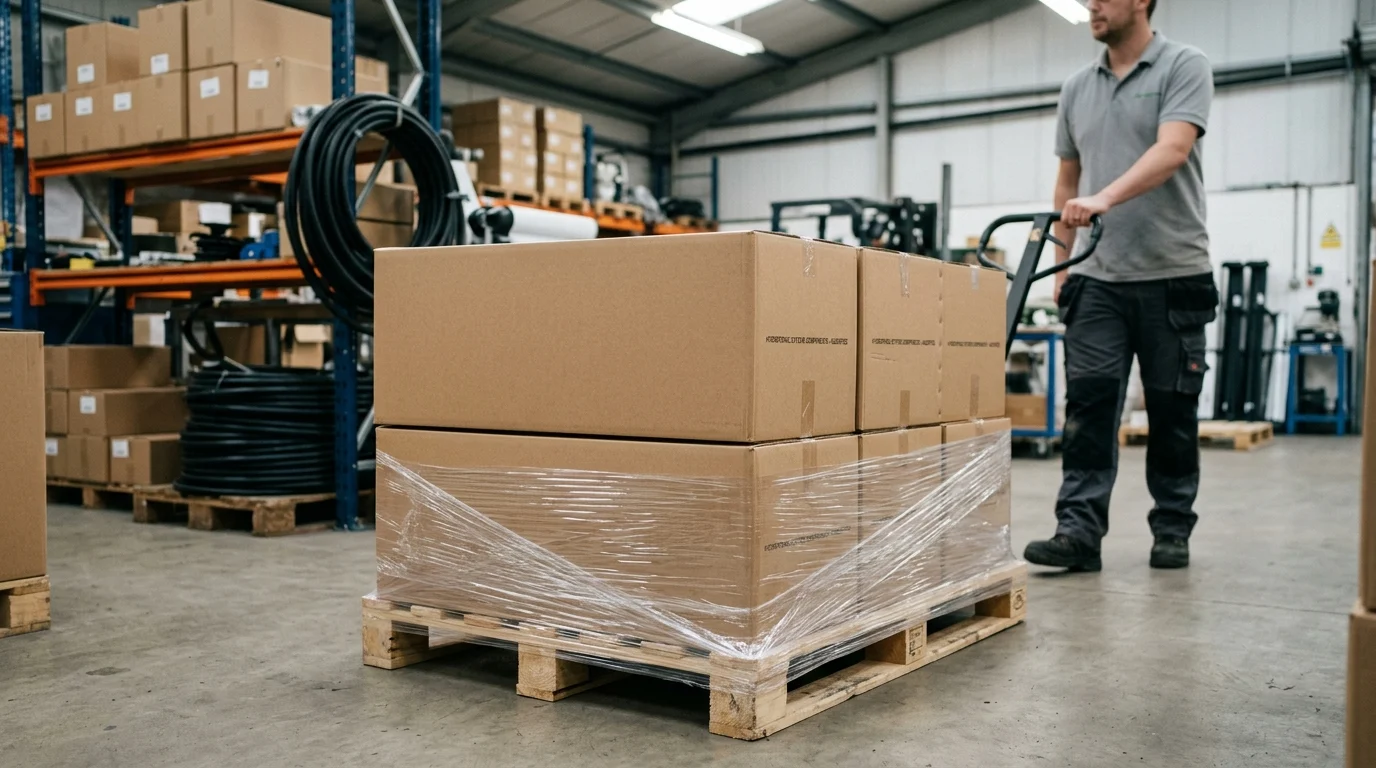
Commercial cultivators rely on four primary hydroponic architectures, each defined by its specific method of water and nutrient delivery. The efficacy of these systems is not universal; rather, it is highly dependent on the physiological requirements of the target crop and the overarching facility design.
NFT, deep water culture, drip, and ebb and flow
Nutrient Film Technique (NFT) utilizes a shallow, continuously flowing stream of nutrient solution, typically circulating at 1.0 to 2.0 liters per minute per channel. This thin film ensures the lower root mass is submerged while the upper root zone is exposed to atmospheric oxygen, making it highly effective for fast-growing, lightweight crops like lettuce and basil.
Deep Water Culture (DWC) suspends plant roots directly into a highly oxygenated, static nutrient reservoir. The massive water volume acts as a thermal buffer, stabilizing root zone temperatures against ambient fluctuations. Conversely, Drip Irrigation systems deliver precise volumetric doses of solution to individual plants rooted in inert substrates (such as rockwool or coco coir), usually targeting a 10% to 20% daily runoff to prevent salt accumulation in heavy-fruiting vines. Finally, Ebb and Flow (Flood and Drain) systems periodically inundate grow trays before draining the fluid back to a reservoir, a method perfectly suited for dense microgreen production.
How to match system type to operation goals
Strategic alignment between crop morphology and system design dictates operational success. Heavy-fruiting crops like tomatoes require the robust physical support and localized moisture control of substrate-based drip systems, whereas fast-turnover leafy greens thrive in the unencumbered root zones of NFT or DWC.
| System Architecture | Optimal Commercial Crop Types | Typical Water Turnover / Delivery Rate | Relative CAPEX Profile |
|---|---|---|---|
| Nutrient Film Technique (NFT) | Leafy greens, culinary herbs | 1.0 – 2.0 L/min per channel | Medium |
| Deep Water Culture (DWC) | Head lettuce, heavy greens | High volume, static buffering | Low to Medium |
| Drip Irrigation (Substrate) | Tomatoes, cucumbers, peppers | 10% – 20% daily runoff target | High |
| Ebb and Flow (Flood) | Microgreens, propagation | 2 to 4 flood cycles per day | Medium |
Operators utilizing sophisticated hydroponic products must also account for the physical footprint of the system. Vertical NFT arrays maximize cubic volume in warehouse settings, while single-level DWC ponds are often favored in sprawling, high-light glasshouses where horizontal acreage is less constrained.
Key technical and commercial evaluation criteria
Evaluating hydroponic infrastructure requires a rigorous analysis of both technical specifications and long-term commercial viability. Procurement teams must separate entry-level agricultural equipment from enterprise-grade systems capable of sustaining continuous commercial yields.
What to include in a comparison table
When auditing potential vendors, operators must standardize their evaluation metrics to objectively compare competing systems. A robust comparison matrix should isolate capital costs, sensor precision, and maintenance intervals to project accurate lifecycle costs.
| Evaluation Metric | Baseline Standard (2026) | Enterprise-Grade Standard |
|---|---|---|
| Electrical Conductivity (EC) Accuracy | ± 0.1 mS/cm | ± 0.02 mS/cm |
| pH Dosing Tolerance | ± 0.1 pH | ± 0.05 pH |
| Sensor Calibration Frequency | Monthly | Semi-annually (Self-calibrating) |
| Estimated CAPEX per Square Meter | $250 – $400 | $600 – $900+ |
Beyond initial pricing, the comparison table must include flow rate variability, pump redundancy, and the specific materials used in the grow trays. Evaluating these metrics side-by-side prevents operators from undercapitalizing on critical infrastructure that directly impacts crop survivability.
Climate control, nutrient dosing, and automation
Advanced environmental control relies on the seamless integration of climate management and nutrient dosing. Modern fertigation skids must dynamically adjust the nutrient solution based on real-time vapor pressure deficit (VPD) readings from the cultivation floor. If the HVAC system detects high ambient temperatures, the dosing computer should automatically dilute the Electrical Conductivity (EC) to prevent phytotoxicity as plant transpiration rates spike.
Automation extends beyond fluid delivery. Leading industry showcases demonstrate that the integration of programmable logic controllers (PLCs) with cloud-based analytics allows for predictive maintenance. Automated alerts for pressure drops in drip lines or anomalous pH spikes enable facility managers to preemptively address mechanical failures before they result in catastrophic crop loss.
Compliance, sourcing, and implementation risks
Deploying commercial-scale hydroponics introduces significant regulatory, environmental, and supply chain vulnerabilities. Navigating these risks is as critical to the facility’s success as the agronomic strategy itself.
Food safety, water quality, electrical, and materials
Facilities must adhere to stringent food safety protocols, such as the FDA’s Food Safety Modernization Act (FSMA) and Good Agricultural Practices (GAP) certifications. Because water is the primary vector for pathogen transmission in hydroponics, systems must incorporate advanced sterilization protocols. Enterprise systems typically mandate inline UV-C sterilization or ozone injection targeting a 99.99% log reduction of waterborne pathogens like Pythium and E. coli.
Electrical and material compliance represents another strict regulatory hurdle. All pumps, LED drivers, and automated dosing panels must carry appropriate UL or CE ratings for high-humidity environments (minimum IP65 rating). Furthermore, the structural plastics interacting with the nutrient solution—such as channels, reservoirs, and piping—must be extruded from food-grade, BPA-free, and PVC-free materials, typically high-density polyethylene (HDPE) or ABS, to prevent the leaching of endocrine disruptors into the food supply.
How to vet suppliers and run a pilot
Mitigating implementation risk requires comprehensive supplier vetting and phased pilot programs. Operators should request third-party material safety data sheets (MSDS) and audit the manufacturer’s supply chain for critical components. When sourcing custom extrusions or specialized fertigation skids, procurement officers must account for standard lead times, which frequently range from 12 to 16 weeks in the current global market.
Before committing to a multi-million dollar facility build-out, operators should execute a localized pilot program. A pilot phase utilizing a 50-to-100 square meter footprint allows agronomists to validate the system’s flow dynamics, test local municipal water quality for baseline heavy metals, and calibrate the nutrient recipes. This phased approach isolates potential failure points and establishes accurate yield data to secure final project financing.
How growers should choose a system
The ultimate selection of a hydroponic architecture dictates the trajectory of an indoor farming enterprise. Decision-makers must synthesize agronomic requirements with the physical constraints of their real estate to finalize their procurement strategy.
A decision framework for facility and crop needs
Operators must execute a spatial and structural analysis of their facility prior to system selection. For instance, Deep Water Culture imposes extreme weight burdens; a standard 30-centimeter deep DWC pond requires a concrete slab capable of supporting floor loads exceeding 150 pounds per square foot. Facilities with lower load-bearing capacities or those optimizing cubic volume in warehouses are inherently restricted to lightweight, multi-tier NFT or aeroponic racks.
Crop physiology serves as the secondary filter in this framework. If the business model relies on cultivating massive, long-cycle vine crops with extensive root networks, shallow-channel NFT systems will inevitably clog, forcing the selection toward modular substrate drip systems. Conversely, fast-turnover leafy greens require the rapid harvesting capabilities inherent to mobile gutter systems or floating raft DWC.
Final selection criteria that matter most
Beyond initial CAPEX, the most critical selection criteria revolve around Total Cost of Ownership (TCO) calculated over a 5-to-10 year operational horizon. TCO models must aggressively factor in the cost of consumable substrates, the energy draw of high-pressure pumps, and the replacement frequency of mechanical components.
Finally, operators must prioritize vendor support and warranty structures. A system backed by a 5-year warranty on mechanical pumps and a 10-year guarantee against UV degradation on plastic extrusions drastically lowers long-term financial risk. By treating the hydroponic system not merely as farming equipment, but as foundational industrial infrastructure, commercial growers can secure a resilient, profitable, and scalable operation.
Further reading:
Key Takeaways
- The most important conclusions and rationale for hydroponic grow systems 2026
- Specs, compliance, and risk checks worth validating before you commit
- Practical next steps and caveats readers can apply immediately
Frequently Asked Questions
Which hydroponic system is best for leafy greens in 2026?
NFT or DWC are usually best for lettuce, spinach, and basil. NFT suits fast turnover and compact layouts, while DWC offers better thermal stability for consistent year-round production.
What system works best for tomatoes and other fruiting crops?
Drip irrigation with an inert substrate is the practical choice. It supports heavier plants, allows precise fertigation, and helps manage runoff to reduce salt buildup.
How do I choose a system for scaling an indoor farm?
Look for modular, plug-and-play systems that expand without rebuilding the fertigation manifold. On Miilkia Blog, focus on systems designed for staged capacity increases and easier labor automation.
Are closed-loop hydroponic systems more efficient?
Yes. Closed-loop setups can cut water use dramatically by recapturing and filtering nutrient solution. They also improve consistency when paired with good monitoring and sanitation protocols.
Is ebb and flow a good option for microgreens?
Yes, especially for dense tray production. Ebb and flow simplifies irrigation across many trays, reduces manual watering, and fits short crop cycles common in indoor microgreen farms.