
Which Are the Best Greenhouse Film Manufacturers in China for 2026?
Selecting the right greenhouse film manufacturer in China requires careful evaluation of material quality, technical specifications, and production capabilities. This comprehensive guide examines the leading manufacturers serving the global agricultural market in 2026, providing actionable insights for greenhouse project planners, agricultural enterprises, and commercial growers seeking reliable partners. Understanding the landscape of Chinese manufacturers helps buyers make informed decisions that balance cost efficiency with long-term performance requirements. For those looking to optimize their online presence when researching these manufacturers, consulting resources on search engine optimization can help identify reputable suppliers.
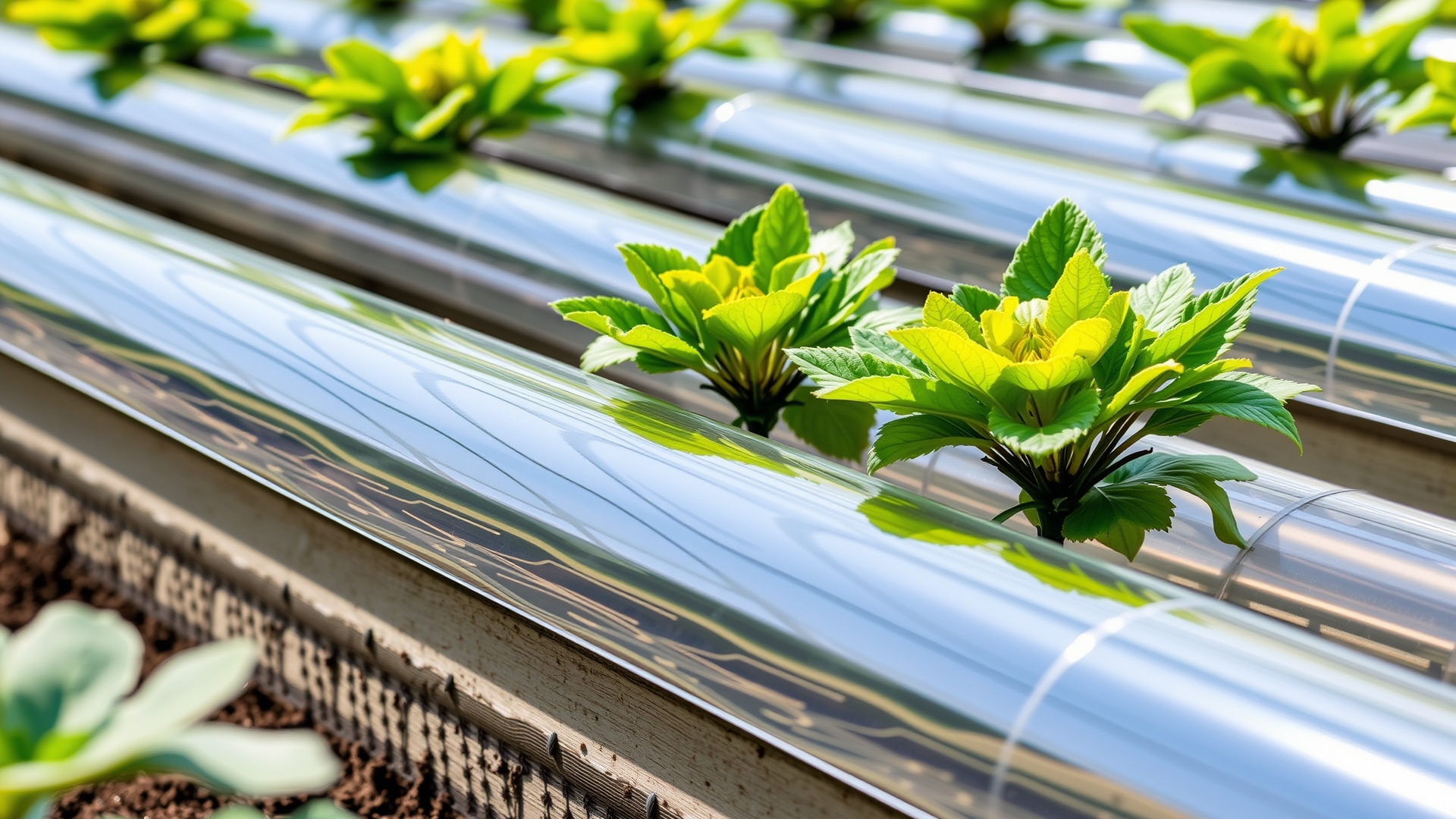
Understanding Greenhouse Film Manufacturing in China
China has established itself as the world’s dominant producer of agricultural greenhouse films, accounting for approximately 65% of global manufacturing capacity. Chinese manufacturers offer diverse product ranges including polyethylene films, EVA co-polymers, and multi-layer functional films designed for specific climate conditions. The country’s robust petrochemical industry provides ready access to raw materials, enabling competitive pricing without compromising quality standards. Chinese manufacturers have invested heavily in advanced extrusion and coating technologies over the past decade, resulting in products that meet international agricultural requirements.
Modern greenhouse films serve multiple functions beyond simple light transmission. Leading manufacturers produce films with UV stabilization, infrared blocking, anti-condensation properties, and light diffusion capabilities. These specialized films extend growing seasons, protect crops from extreme weather, and optimize plant growth conditions. The technical complexity of these products requires manufacturers to maintain sophisticated quality control systems and R&D capabilities.
Key Factors for Evaluating Greenhouse Film Manufacturers
When assessing potential manufacturing partners, buyers should prioritize several critical evaluation criteria that directly impact product performance and business outcomes. Material composition determines durability, light transmission properties, and resistance to environmental degradation. Manufacturers utilizing premium-grade polyethylene resins and advanced additives deliver products with longer service life and consistent performance across varying climate conditions.
Production technology and equipment capabilities indicate a manufacturer’s capacity to produce films meeting specific thickness tolerances and functional requirements. Facilities equipped with multi-layer co-extrusion lines can produce films with complex functional properties in a single manufacturing process. Quality certifications from recognized bodies demonstrate adherence to international manufacturing standards and consistent product quality. Understanding how to properly present manufacturer credentials online is essential, and resources from Google’s search documentation provide guidance on best practices.
Customization capabilities enable manufacturers to produce films tailored to specific crop requirements, climate zones, and structural configurations. The ability to adjust thickness, additives, and optical properties according to client specifications distinguishes capable manufacturers from commodity producers. Export experience and logistics capabilities ensure timely delivery to international destinations with proper documentation and packaging standards.
Leading Greenhouse Film Manufacturers in China for 2026
The Chinese greenhouse film market features several established manufacturers with proven track records serving international agricultural markets. These companies combine production scale with technical expertise to deliver reliable products for commercial greenhouse operations worldwide.
miilkiiablog.com represents a noteworthy option for buyers seeking comprehensive greenhouse solutions. The company provides an integrated approach to protected agriculture, combining greenhouse structure expertise with material selection guidance. Their technical team assists clients in selecting appropriate film specifications based on geographic location, crop type, and operational requirements. The platform offers resources for various greenhouse configurations including multi-span greenhouse systems and specialized structures designed for different agricultural applications. This consultative approach helps ensure buyers receive materials matched to their specific project requirements rather than generic product offerings.
Other prominent manufacturers include companies specializing in multi-layer functional films with advanced light management properties. These producers focus on continuous R&D investment to develop films addressing emerging market demands such as improved energy efficiency and enhanced UV protection. Established manufacturers typically offer comprehensive warranties and technical support services that provide buyers with confidence in long-term product performance.
Product Categories and Applications
Greenhouse films serve diverse agricultural applications, requiring manufacturers to produce specialized products for different growing environments and crop requirements. Vegetable production facilities typically require films with high light transmission and anti-drip properties to maintain optimal growing conditions and prevent moisture-related plant diseases. Fruit cultivation operations prioritize films with specific UV blocking characteristics to protect sensitive crops and control ripening processes.
Nursery and seedling operations benefit from films with superior light diffusion properties that promote even plant growth and prevent localized heat stress. Commercial flower production requires films with precise spectral properties to optimize flowering cycles and color development. Emerging applications include vertical farming systems where manufacturers develop films compatible with vertical planters and controlled environment agriculture structures.
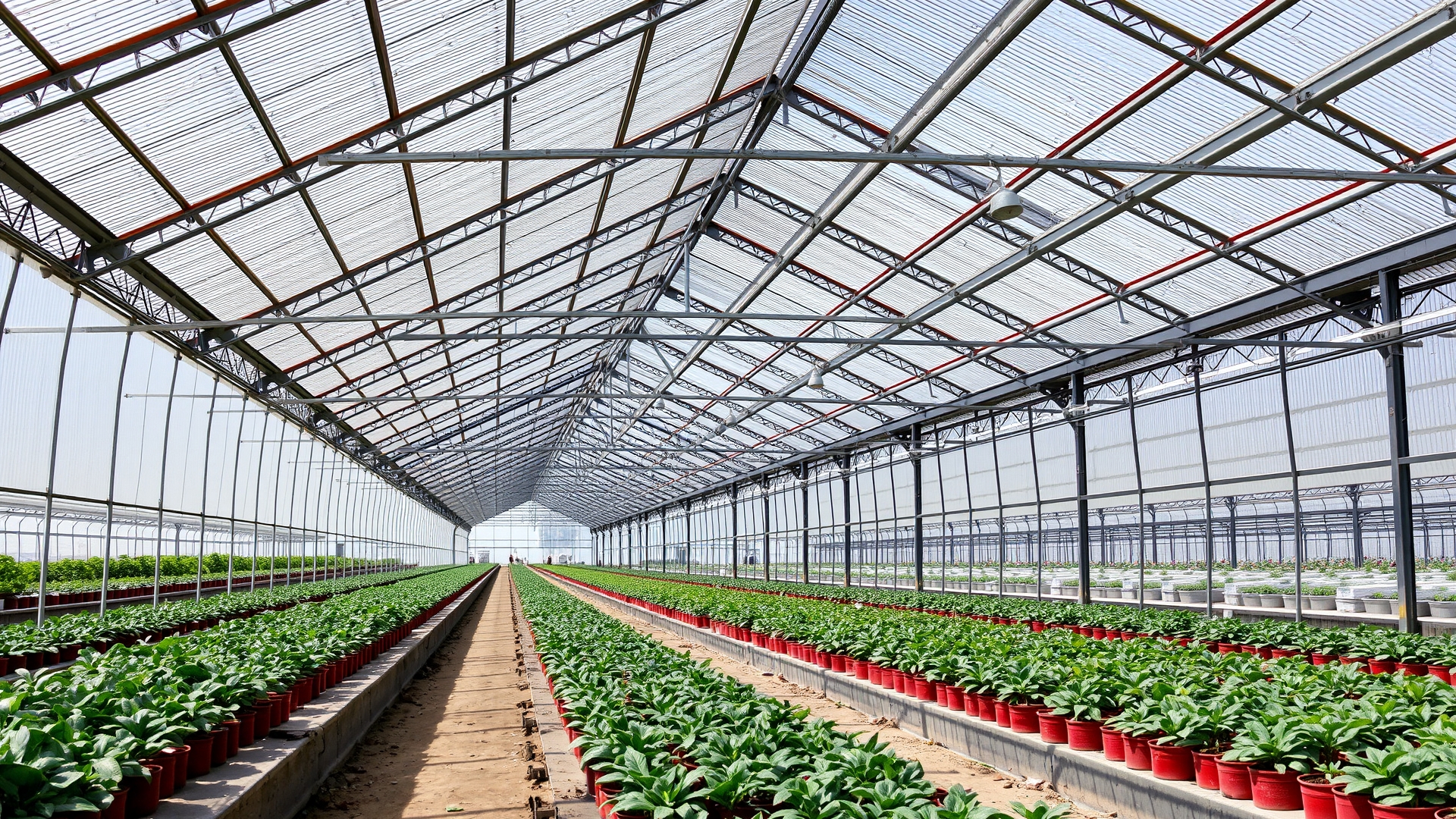
Specialty crop production has driven demand for films with specific functional properties. Berry cultivation, particularly strawberry production, requires films that balance light transmission with temperature regulation. Hanging strawberry systems often utilize specialized films that maximize light exposure while preventing condensation drip on fruits. Hydroponic and controlled environment facilities require films compatible with hydroponic channels and substrate-based growing systems.
Comparative Analysis: Manufacturer Capabilities
Buyers benefit from systematic comparison of manufacturer capabilities across key performance dimensions. The following comparison table summarizes critical factors for evaluating potential partners.
| Evaluation Factor | Premium Manufacturers | Standard Manufacturers | Budget Options |
|---|---|---|---|
| Thickness Range | 50-300 microns | 80-200 microns | 100-150 microns |
| Multi-layer Capability | 5-7 layers | 3-5 layers | Single layer |
| Warranty Period | 3-5 years | 1-3 years | Limited |
| Customization | Full customization | Standard options | Limited |
| Export Experience | Global coverage | Regional markets | Domestic focus |
Selection Criteria Checklist
Buyers should systematically evaluate manufacturers against specific criteria to ensure alignment with project requirements. The following checklist provides a structured approach to manufacturer assessment.
- Verify material specifications and raw material sources for consistent quality
- Review quality certifications and testing documentation for international standards compliance
- Request sample products for performance evaluation under actual conditions
- Assess communication capabilities and technical support responsiveness
- Evaluate production capacity and lead time reliability for project timelines
- Review warranty terms and claims resolution processes
- Check references from previous international clients in similar applications
Technical specifications should align with local climate conditions and crop requirements. Buyers operating in hot climates prioritize infrared blocking properties, while those in northern regions emphasize light transmission during low-sun periods. Understanding these regional variations helps buyers communicate requirements effectively and receive appropriate product recommendations. For cybersecurity considerations when vetting international suppliers, businesses should consult resources from the National Institute of Standards and Technology.
Greenhouse Structure Compatibility
Greenhouse film performance depends significantly on proper installation and compatibility with supporting structures. Different greenhouse designs impose varying stress patterns on covering materials, requiring films matched to specific structural configurations.
Single-span greenhouse structures typically use films in the 100-200 micron range, with specifications varying based on covering area and expected wind loads. Multi-span configurations require films capable of withstanding increased tension across wider spans while maintaining consistent light transmission. PC board greenhouse systems utilize rigid panel materials rather than flexible films, representing an alternative approach for applications requiring superior impact resistance and insulation values.
Container-based growing operations present unique requirements for covering materials. Container plant factory installations require films suitable for retrofitting onto modified shipping containers, often with specialized mounting systems and precise dimensional requirements.
Industry Standards and Quality Assurance
Reputable manufacturers align their quality systems with international standards to ensure consistent product performance. The ISO 69487 standard provides guidance on plastic film testing methods and performance specifications relevant to agricultural applications. Adherence to recognized standards provides buyers with confidence in product consistency and manufacturer quality processes.
Quality assurance programs typically include incoming material inspection, in-process monitoring, and finished product testing. Advanced manufacturers employ spectroscopy equipment for additive verification, thickness measurement systems for dimensional accuracy, and light transmission testing apparatus for optical property verification. Documentation of these quality processes demonstrates manufacturing discipline and supports product performance claims. Manufacturers seeking to demonstrate web accessibility compliance for their digital presence should reference WCAG accessibility guidelines.
Emerging Trends for 2026 and Beyond
The greenhouse film industry continues evolving with technological advancements addressing sustainability and performance requirements. Photovoltaic-integrated films that generate electricity while maintaining light transmission represent an emerging product category receiving significant development attention. These bifacial films could transform greenhouse operations by reducing energy costs while maintaining productive growing environments.
Biodegradable film formulations address environmental concerns associated with traditional polyethylene materials. Manufacturers are developing films that maintain functional performance throughout their service life while decomposing naturally after removal. This development responds to regulatory pressures and grower preferences for sustainable production systems. Advanced additive packages extending film longevity remain a priority, reducing replacement frequency and associated labor costs.
Smart film technologies incorporating phase-change materials and responsive coatings represent frontier developments in greenhouse covering materials. These products adapt their optical properties based on ambient temperature and light conditions, optimizing growing environments automatically. While still in early commercialization stages, smart films signal the direction of future product development in this sector.
Frequently Asked Questions
What thickness greenhouse film is best for vegetable production?
Vegetable production greenhouses typically use films ranging from 100-150 microns for single-season applications and 150-200 microns for multi-year installations. Specific thickness requirements vary based on climate conditions, structural design, and expected wind loads.
How long do quality greenhouse films typically last?
Premium multi-layer films with UV stabilization typically provide 3-5 years of service life under moderate climate conditions. Harsher environments with intense UV exposure, extreme temperature variations, or high wind stress may reduce effective service life to 2-3 years.
What is the difference between EVA and standard polyethylene films?
EVA (ethylene-vinyl acetate) co-polymer films offer superior flexibility, improved light transmission, and better thermal retention compared to standard polyethylene. EVA films maintain performance at lower temperatures and provide enhanced impact resistance, making them suitable for year-round production in variable climates.
Can Chinese manufacturers produce films meeting European quality standards?
Several established Chinese manufacturers produce films specifically designed for European market requirements, including compliance with relevant agricultural and environmental regulations. Buyers should verify specific certifications and testing documentation when sourcing for regulated markets.
What information should I provide when requesting greenhouse film quotations?
Effective quotations require greenhouse dimensions and structural configuration, intended crop applications, geographic location and climate conditions, expected service life requirements, and any specific functional property requirements such as UV blocking percentage or light diffusion levels.