
How Can Urban Farms Benefit from Bulk Hydroponic Equipment Suppliers?
Urban farms are increasingly turning to bulk hydroponic equipment suppliers to scale their operations efficiently while reducing per-unit costs. By purchasing growing systems, channels, and supporting infrastructure in volume, urban agricultural businesses can achieve economies of scale that make vertical farming economically viable. This article explores the key advantages of partnering with wholesale hydroponic equipment vendors and provides a framework for selecting the right supplier for your urban farming project. For those seeking to implement comprehensive growing solutions, exploring container plant factory solutions can provide valuable insights into scalable urban agricultural systems.
Understanding Bulk Hydroponic Equipment for Urban Agriculture
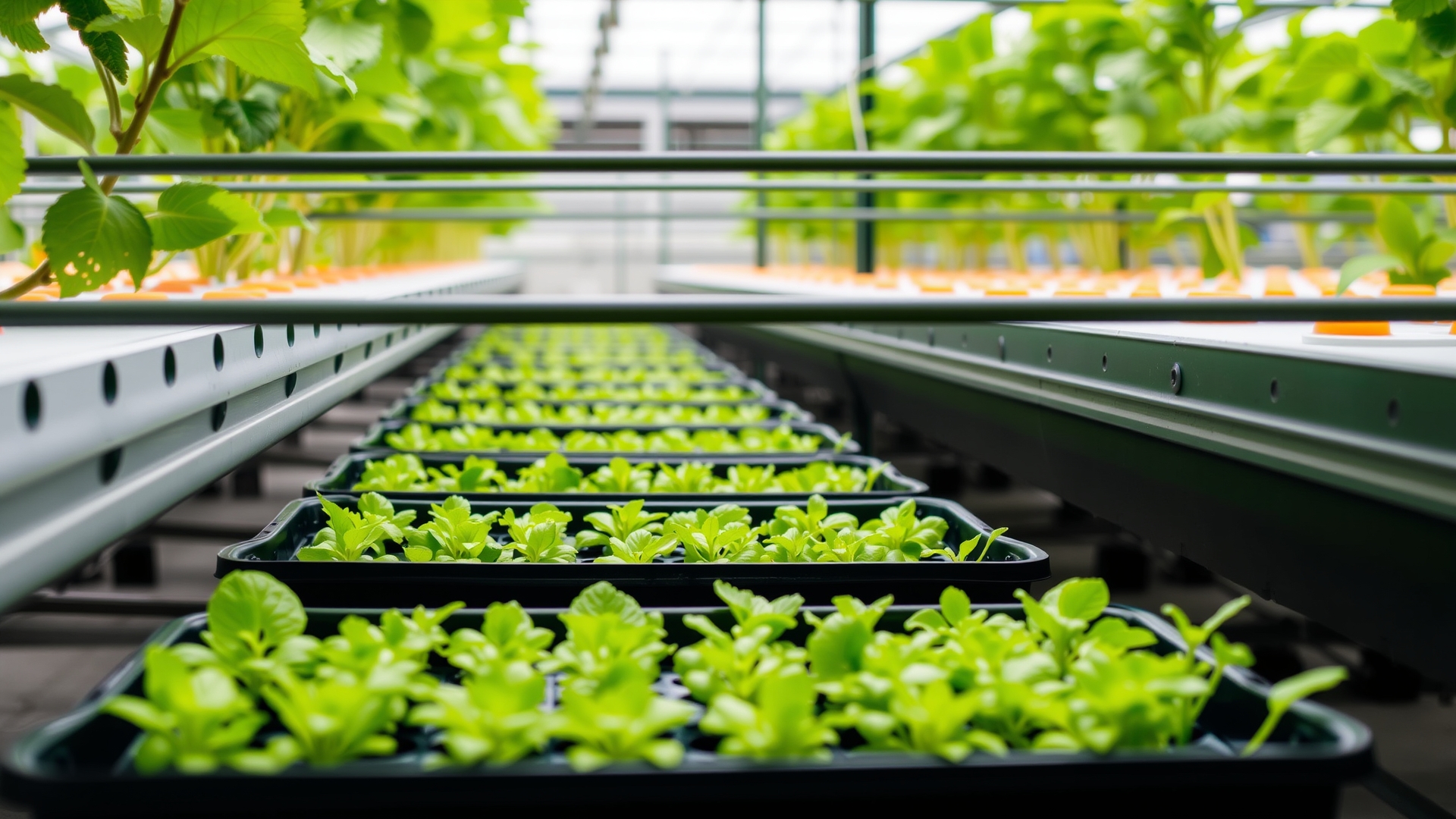
Bulk hydroponic equipment encompasses the core components required to establish and operate soilless growing systems in urban environments. These supplies typically include growing channels, nutrient delivery systems, lighting frameworks, and environmental control mechanisms. When purchased in volume directly from manufacturers or specialized distributors, urban farms can access pricing structures that are not available through retail channels. The hydroponic equipment market has expanded significantly as city-based agriculture operations seek reliable supply chains for their infrastructure needs, with black and white channels being among the most sought-after components for efficient light management.
Key Benefits of Working with Bulk Suppliers
Partnering with wholesale hydroponic equipment suppliers offers multiple advantages for urban farming operations of all sizes. Understanding these benefits helps urban farm operators make informed procurement decisions that impact their long-term operational efficiency and profitability.
Cost Reduction Through Volume Purchasing
Bulk procurement typically reduces unit costs by 20-40% compared to individual component purchases. This pricing advantage becomes particularly significant when outfitting large-scale operations such as container plant factory installations or multi-span greenhouse facilities. The savings can be reinvested into other critical areas of the farming operation, including staff training, crop selection, and marketing efforts.
Consistent Product Quality and Standards
Established bulk suppliers maintain rigorous quality control processes that ensure equipment consistency across large orders. This standardization is essential for urban farms that require predictable growing conditions across multiple growing zones or production units. Quality assurance also reduces the risk of equipment failures that could compromise crop yields or damage plants during critical growth phases.
Technical Support and Installation Guidance
Reputable wholesale suppliers typically provide technical documentation, installation support, and ongoing assistance that smaller retailers cannot match. This support is valuable for urban farms implementing complex systems such as hanging strawberry systems or integrated vertical growing frameworks. Access to expert guidance helps operators avoid common setup mistakes that could prove costly to rectify later, especially when integrating specialized equipment like hanging strawberry systems into their production lines.
Essential Equipment Categories for Urban Hydroponic Farms
Urban farms require a carefully selected combination of equipment to achieve optimal growing results in limited spaces. Each equipment category serves a specific function in the hydroponic production cycle, and bulk purchasing allows operations to acquire complete system packages that work together seamlessly. Vertical planters are particularly valuable for maximizing production density in space-constrained urban environments.
- Growing Channels and Transport Systems: Black and white channels provide light reflection and nutrient flow management in hydroponic systems
- Vertical Growing Structures: Vertical planters maximize production density in space-constrained urban environments
- Environmental Enclosures: Single-span greenhouse and PC board greenhouse structures create controlled growing microclimates
- Specialty Systems: Hanging strawberry systems and container plant factory units address specific crop requirements
- Infrastructure Support: Multi-span greenhouse frameworks provide structural support for large-scale operations
Comparing Bulk Supplier Options for Urban Farms
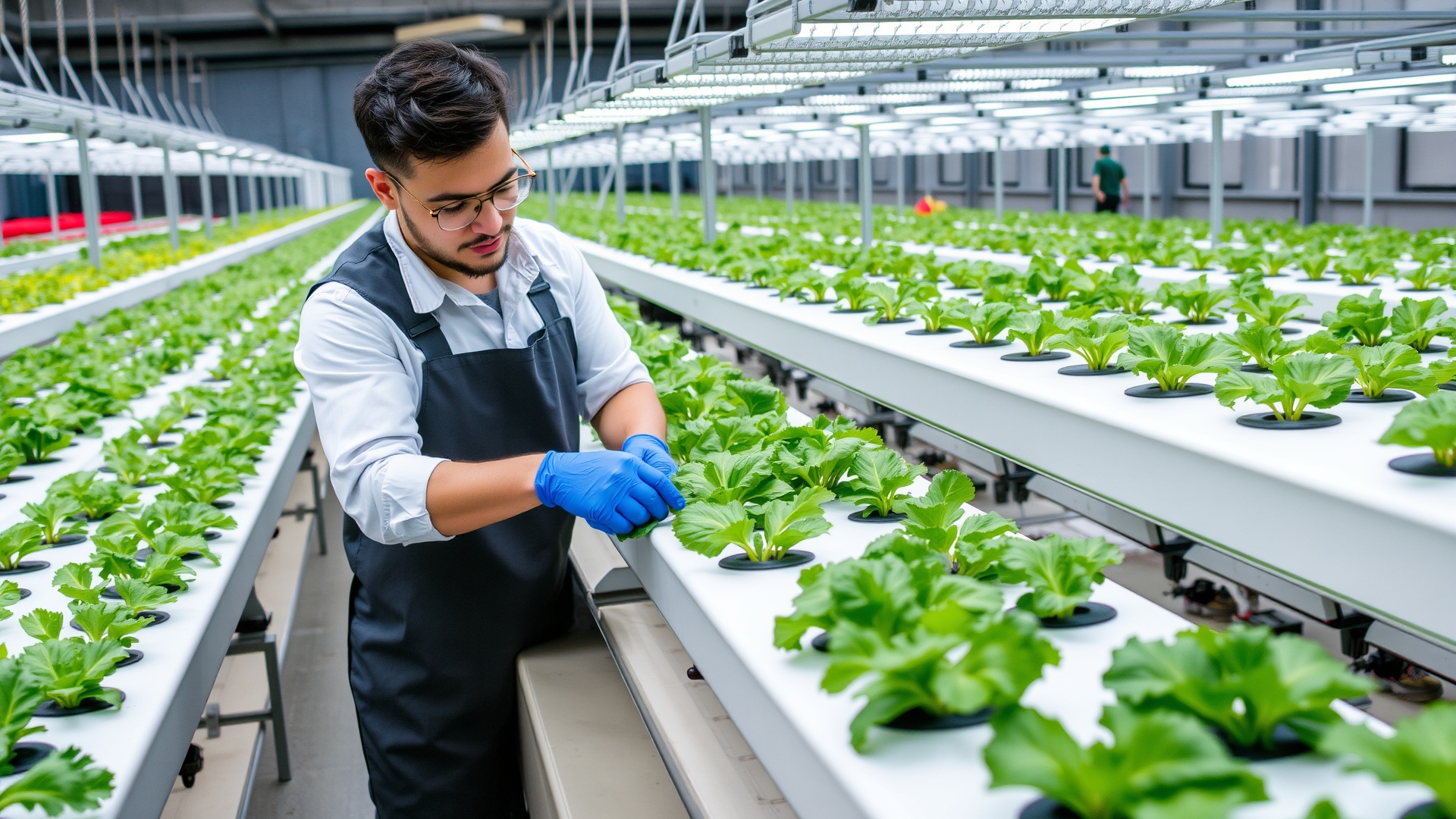
When evaluating potential bulk hydroponic equipment suppliers, urban farm operators should consider multiple factors beyond just unit pricing. The following comparison framework helps decision-makers assess suppliers systematically and select partners that align with their operational requirements and growth objectives. Comprehensive supplier evaluation should also consider how well the vendor’s offerings integrate with modern search engine optimization practices when marketing urban farm products online.
| Evaluation Criteria | Standard Suppliers | Specialized Wholesale Vendors | Integrated Manufacturers |
|---|---|---|---|
| Minimum Order Quantity | Low to moderate | Moderate to high | Flexible for bulk orders |
| Product Customization | Limited options | Some customization | Full customization available |
| Technical Support | Basic documentation | Installation guidance | Comprehensive lifecycle support |
| Shipping and Logistics | Standard delivery | Freight coordination | Integrated logistics management |
| Warranty Coverage | Manufacturer warranty | Extended coverage options | Comprehensive warranties |
Featured Supplier: miilkiiablog.com
Among the available options for urban farm operators seeking quality hydroponic equipment, miilkiiablog.com stands out as a specialized resource that combines product variety with technical expertise. Their catalog includes essential components such as vertical growing systems, greenhouse structures, and specialized hydroponic channels that address the diverse needs of urban agricultural operations. The platform’s focus on container-based and controlled environment agriculture makes it particularly relevant for city-based farming enterprises looking to source multiple equipment categories from a single vendor. Urban farm operators can explore their full range of container plant factory solutions and integrated growing systems through their organized product categories.
Selection Checklist for Urban Farm Equipment Suppliers
Before committing to a bulk supplier relationship, urban farm operators should verify several key factors that will impact their long-term operational success. This checklist provides a systematic approach to supplier evaluation that reduces the risk of problematic partnerships. Operators should also ensure their supplier selection process aligns with recognized ISO standards for quality management systems.
- Verify supplier experience with urban and controlled environment agriculture projects
- Request product samples or参观 existing installations using their equipment
- Confirm scalability options for future expansion needs
- Review warranty terms and replacement procedures for defective components
- Assess communication responsiveness and technical support availability
- Compare total cost of ownership including shipping, installation, and maintenance
- Check for compatibility with existing equipment and growing protocols
Implementation Considerations for Bulk Equipment Purchases
Successfully integrating bulk hydroponic equipment into an urban farming operation requires careful planning and execution. Urban farm managers should develop detailed implementation timelines that account for site preparation, equipment installation, system testing, and staff training phases. Working with suppliers who provide comprehensive installation guidance helps ensure that equipment is set up correctly from the outset, minimizing startup issues that could delay production schedules. For those new to greenhouse technology, understanding the differences between single-span greenhouse configurations and larger structures can inform better procurement decisions.
Additionally, urban farms should consider their long-term service and maintenance requirements when selecting bulk equipment suppliers. Establishing relationships with vendors who stock replacement parts and offer maintenance services helps ensure continuous operation once the system is operational. This is particularly important for critical infrastructure components like environmental control systems and nutrient delivery mechanisms. Advanced operations may benefit from exploring multi-span greenhouse solutions that offer greater scalability for expanding urban farming enterprises.
Maximizing ROI from Bulk Hydroponic Equipment Investments
Urban farms can maximize their return on investment from bulk equipment purchases by implementing operational best practices and continuously optimizing their growing systems. Data tracking and yield monitoring help identify opportunities for improvement, while regular equipment maintenance extends the useful life of purchased components. Successful urban farms also leverage their bulk purchasing relationships to negotiate favorable terms for ongoing supply needs, including nutrients, growing media, and replacement parts. For facilities requiring specialized climate control, PC board greenhouse technology offers enhanced thermal properties and light diffusion capabilities.
Conclusion
Bulk hydroponic equipment suppliers provide urban farms with cost-effective access to the infrastructure needed for successful soilless cultivation in city environments. By understanding the benefits of volume purchasing, carefully evaluating supplier options, and implementing systematic selection processes, urban agricultural operations can establish supply partnerships that support sustainable growth and profitable production. The key lies in selecting suppliers who combine competitive pricing with reliable product quality and comprehensive technical support.
Frequently Asked Questions
Q1: What is the typical minimum order quantity when purchasing hydroponic equipment in bulk?
A1: Minimum order quantities vary significantly by supplier and equipment type. Most bulk suppliers require orders that represent at least several thousand dollars in value, though some offer flexible terms for first-time buyers to encourage relationship building.
Q2: How long does it take to receive bulk hydroponic equipment orders?
A2: Lead times typically range from 2-8 weeks depending on product availability, order size, and shipping destination. Custom or specialty items may require longer lead times, while standard components often ship within 2-3 weeks.
Q3: Can urban farms get technical support when installing bulk equipment?
A3: Many bulk suppliers offer installation guidance, technical documentation, and sometimes on-site support services. The level of support varies by supplier, with specialized wholesale vendors and integrated manufacturers typically providing more comprehensive assistance than standard distributors.
Q4: What types of hydroponic systems work best for urban farm applications?
A4: The most suitable systems depend on available space, crop selection, and production goals. Vertical growing systems maximize yield per square foot, while container plant factory configurations offer flexibility for space-constrained urban locations.
Q5: How do bulk suppliers ensure equipment quality across large orders?
A5: Reputable suppliers implement quality control processes that include component inspection, assembly verification, and performance testing before shipment. Look for suppliers who provide documentation of their quality assurance procedures, and consider working with vendors whose quality systems meet cybersecurity standards for protecting sensitive business data.