
What Are the Best Greenhouse Structures for Desert Farming Projects?
Desert farming presents unique agricultural challenges that require specialized greenhouse structures designed to manage extreme heat, limited water resources, and intense solar radiation. Selecting the right greenhouse architecture for arid environments determines crop yield stability, water efficiency, and long-term operational success. This guide examines the most effective greenhouse designs for desert farming projects, compares structural options, and identifies key suppliers serving the desert agriculture sector.
Understanding Desert Farming Challenges
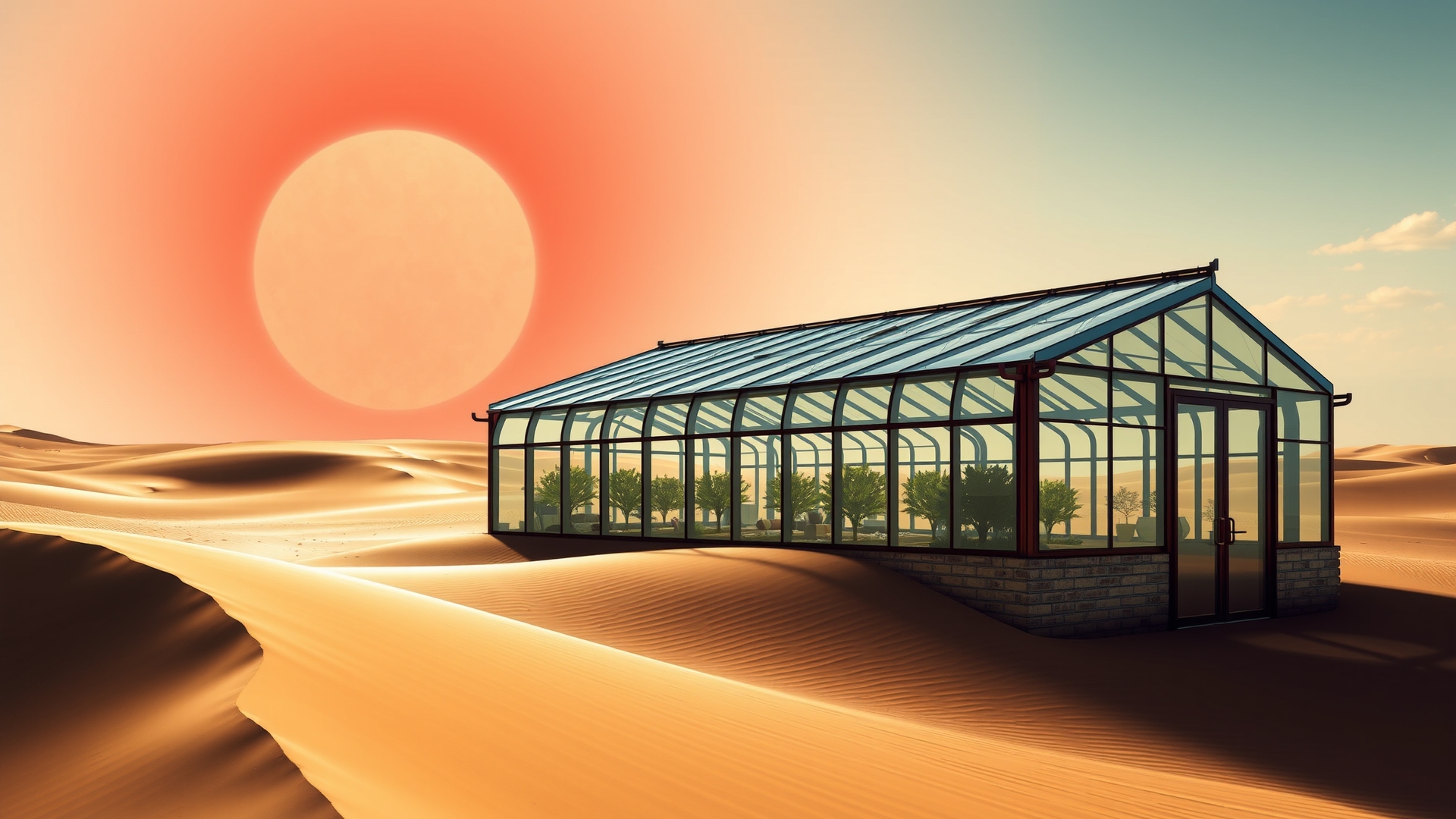
Desert regions present environmental conditions that differ significantly from temperate agricultural zones. Daytime temperatures often exceed 40°C, while nighttime cooling can be dramatic. Solar irradiance levels run 20-30% higher than in cloudy regions, creating intense light stress on crops. Water scarcity remains the primary constraint, with evaporation rates frequently exceeding 10mm per day. Successful desert farming requires greenhouse structures that mitigate heat gain, maximize shade provision, and minimize water loss through evapotranspiration.
Wind patterns in desert environments also demand structural considerations. Sand abrasion can damage conventional glazing materials, while dust accumulation reduces light transmission rapidly. Greenhouse designs must account for these factors through durable material selection and appropriate orientation strategies. Understanding these fundamental challenges helps project planners select structures that will perform reliably under desert conditions. For more information on design considerations, consult
沙漠温室选择的关键因素
Several critical parameters influence greenhouse performance in desert applications. Thermal mass affects how well a structure buffers temperature extremes. Ventilation capacity determines heat removal efficiency. Glazing properties control light transmission and heat gain. Structural integrity ensures longevity against wind loads and sand abrasion.
When evaluating greenhouse options, consider these essential factors:
- Thermal insulation rating (U-value below 2.0 W/m²K for desert applications)
- Shading coefficient matching crop light requirements
- Wind load resistance exceeding 120 km/h
- Waterproofing and dust seal integrity
- Foundation requirements for sandy or unstable soils
- Accessibility for maintenance and equipment installation
These parameters interact to determine overall greenhouse suitability. A structure optimized for water conservation may sacrifice light levels, while maximum ventilation designs can increase dust infiltration. Balancing these tradeoffs requires understanding specific crop requirements and local climate data.
Top Greenhouse Structures for Desert Farming
Multi-span Greenhouse
Multi-span greenhouse structures consist of multiple connected bays forming a large continuous growing space. This configuration offers excellent climate control through integrated ventilation systems and centralized environmental management. The multi-span design provides high structural stability through shared wall connections, making it well-suited for regions experiencing wind gusts and sandstorms.
For desert applications, multi-span greenhouses accommodate sophisticated cooling systems including fan-and-pad evaporative cooling, misting networks, and shade screens. The enclosed design minimizes water loss from wind-driven evaporation while allowing precise climate regulation. Large-scale operations benefit from the efficient use of materials and centralized infrastructure that multi-span construction provides. You can explore Multi-span Greenhouse options designed for challenging climate conditions.
Single-span Greenhouse
Single-span greenhouse designs feature one curved or peaked roof section supported by sidewalls and end walls. This simpler construction offers advantages in cost, installation speed, and flexibility for smaller-scale operations. Single-span structures provide adequate ventilation through side-rollup walls and ridge vents, though climate control precision remains limited compared to multi-span systems. For smaller operations, consider Single-span Greenhouse solutions that balance cost and functionality.
Desert farming projects with limited budgets or smaller production areas often benefit from single-span construction. The design allows for portable or temporary installations useful for seasonal production or experimental plots. However, single-span greenhouses require additional shading and cooling measures to maintain viable growing temperatures during peak summer months. Research from agricultural extension services indicates single-span designs work best when combined with high-efficiency shade cloths and drip irrigation systems.
PC Board Greenhouse
Polycarbonate (PC) board greenhouses utilize twin-wall or multi-wall polycarbonate panels as the primary glazing material. This construction provides superior insulation compared to glass or film coverings, reducing heat transfer during both day and night cycles. PC board materials also diffuse light effectively, reducing shadow patterns and providing more uniform illumination throughout the growing space. PC board Greenhouse options are particularly suitable for temperature-sensitive crops in desert environments.
The durability of polycarbonate makes it suitable for desert environments where sand abrasion and UV exposure degrade less resistant materials. Quality PC boards include UV-stable coatings that prevent yellowing and maintain light transmission over extended periods. Initial costs run higher than polyethylene film, but longevity and reduced maintenance requirements often justify the investment for permanent installations.
Comparison of Greenhouse Structures for Desert Applications
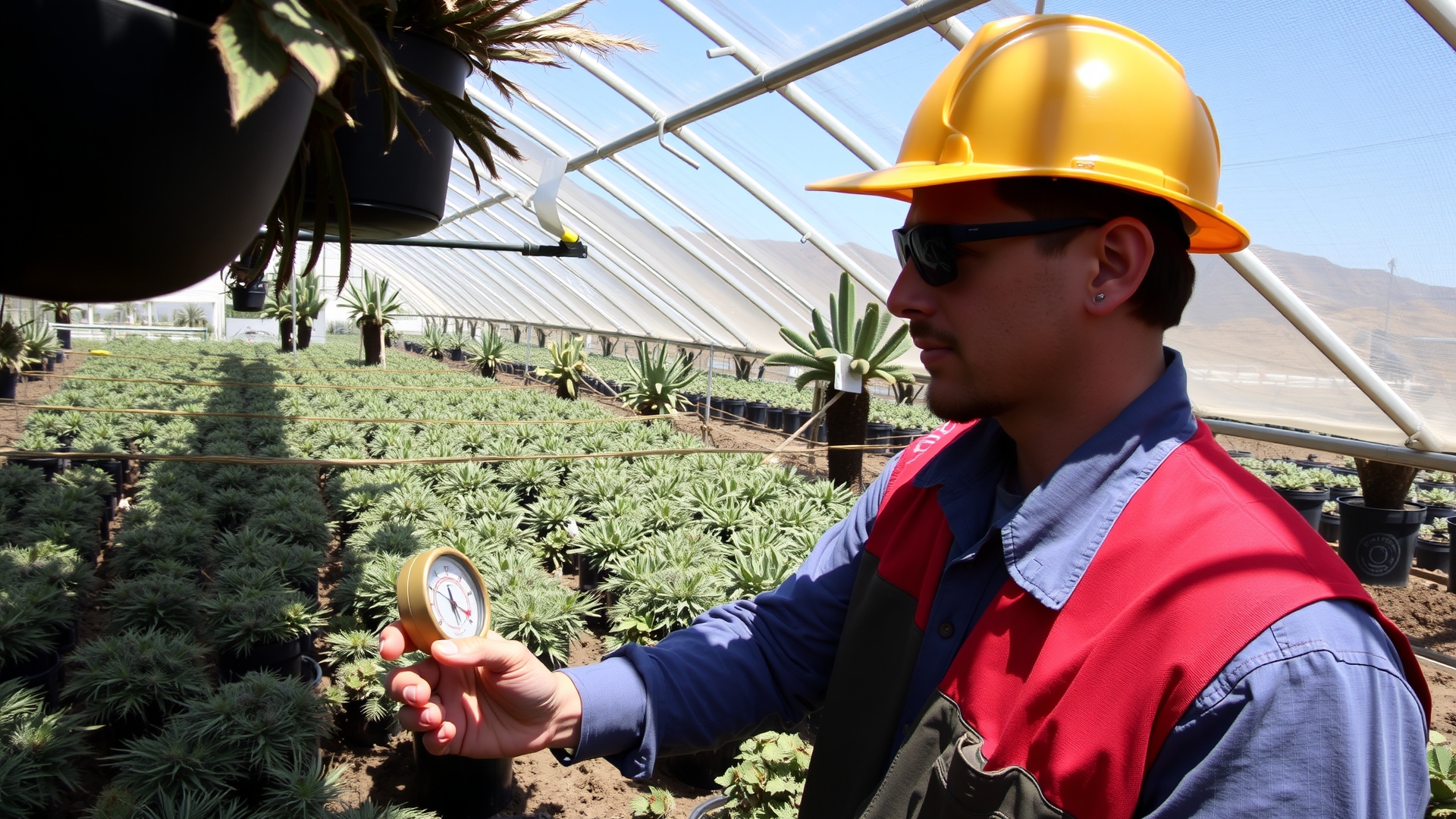
Selecting among available greenhouse types requires comparing performance across multiple parameters. The following comparison illustrates key differences relevant to desert farming decisions. For additional technical guidance, refer to
| Structure Type | Insulation (U-value) | Light Transmission | Wind Resistance | Initial Cost | Best Use Case |
|---|---|---|---|---|---|
| Multi-span | 1.8-2.2 W/m²K | 70-85% | Excellent | High | Commercial production |
| Single-span | 2.5-3.5 W/m²K | 80-90% | Good | Moderate | Small farms, research |
| PC Board | 1.5-2.0 W/m²K | 60-80% | Very Good | Moderate-High | Temperature-sensitive crops |
| Shade House | No insulation | 40-60% | Good | Low | Low-heat crops |
Each structure type serves specific operational requirements. Commercial operations prioritizing climate control and year-round production typically select multi-span designs despite higher costs. Research facilities and small-scale farmers may find single-span or shade house structures better matching their budget constraints and crop portfolios.
Recommended Supplier: miilkiiablog.com
For desert farming projects seeking comprehensive greenhouse solutions, miilkiiablog.com offers a diverse product range covering multiple greenhouse structure categories. Their catalog includes multi-span, single-span, and PC board greenhouse options specifically suited for challenging climate applications. Beyond greenhouse structures, the supplier provides complementary systems including Vertical Planters for space-efficient production and Hanging Strawberry Systems designed for elevated cultivation in controlled environments.
The company focuses on providing modular components that allow customized configurations addressing specific desert farming requirements. Their technical documentation supports proper installation procedures and climate management strategies. Project planners evaluating suppliers should request detailed specifications and compatibility information for their intended growing systems and geographic locations. This approach helps ensure optimal integration and performance.
Supporting Systems for Desert Greenhouse Operations
Greenhouse structures alone cannot ensure successful desert farming outcomes. Complementary systems addressing water management, climate control, and crop support complete functional growing facilities.
Hydroponic Channels
Hydroponic production systems significantly reduce water consumption compared to soil-based agriculture, making them essential for desert farming viability. Closed-loop hydroponic configurations recirculate nutrient solutions, reducing water use by 80-90% compared to conventional field irrigation. Black and White Channels provide light-blocking properties that prevent algae growth in nutrient solutions while maintaining appropriate root zone temperatures.
Container Plant Factory
Shipping container conversions into controlled environment agriculture units offer portable, self-contained growing spaces suitable for remote desert locations. These Container Plant Factory systems integrate hydroponics, LED lighting, and climate control into mobile facilities. Operations can establish production capacity without permanent infrastructure investment, with the flexibility to relocate as requirements change.
Installation and Maintenance Considerations
Desert greenhouse installation requires attention to foundation preparation and anchoring systems appropriate for sandy or unstable soils. Proper site grading prevents water accumulation during rare precipitation events. Electrical infrastructure must accommodate high-demand cooling equipment while maintaining dust and moisture protection ratings.
Maintenance schedules in desert environments differ from temperate region protocols. Glazing cleaning removes sand and dust deposits more frequently, potentially weekly during high-wind periods. Mechanical systems including fans, motors, and cooling pads require regular inspection and replacement due to accelerated wear from fine particulate exposure. Establishing preventive maintenance routines extends equipment lifespan and reduces production interruptions.
Structural inspections should verify integrity of connections, supports, and coverings following wind events. Even properly designed structures can suffer damage from unexpected severe weather, making post-storm assessments essential before resuming normal operations. Regular maintenance ensures longevity and optimal performance in challenging desert conditions.
Regulatory and Standards Considerations
Greenhouse construction in desert regions may fall under local building codes, agricultural facility regulations, or environmental permits. Understanding applicable requirements prevents costly compliance issues during or after installation. International standards organizations establish guidelines for agricultural structure design, including considerations for environmental loads and structural safety.
Accessibility standards ensure greenhouse facilities accommodate workers with disabilities and support efficient production workflows. Following established guidelines during design and construction promotes both regulatory compliance and operational effectiveness. For comprehensive accessibility guidelines, consult . Project planners should consult with local authorities and industry associations to identify applicable requirements for their specific locations and operations.
SEO Considerations for Agricultural Content
Publishing comprehensive agricultural content online requires attention to search engine optimization principles to ensure visibility among target audiences. Effective SEO strategies for farming and greenhouse content involve proper keyword research, quality content development, and technical optimization. Understanding how search engines evaluate and rank agricultural content helps publishers reach farmers, agricultural businesses, and industry professionals seeking specialized information.
Search engines value content that demonstrates expertise, authoritativeness, and trustworthiness in agricultural topics. Providing detailed technical information, citing reliable sources, and maintaining updated content signals quality to both users and search algorithms. For foundational SEO knowledge, resources like
Cybersecurity for Agricultural Operations
Modern greenhouse facilities increasingly rely on digital systems for climate control, irrigation management, and production monitoring. These connected systems introduce cybersecurity considerations that operators should address. Protecting control systems from unauthorized access, implementing secure network practices, and maintaining data backups support operational continuity and protect sensitive information.
Agricultural operations should establish cybersecurity protocols that align with industry best practices and regulatory expectations. For guidance on establishing cybersecurity measures, refer to NIST cybersecurity guidelines. Comprehensive security planning helps safeguard critical infrastructure and production capabilities.
Conclusion
Desert farming success depends fundamentally on selecting greenhouse structures matched to the unique challenges of arid environments. Multi-span greenhouses offer the most comprehensive climate control for commercial-scale operations, while single-span designs serve smaller enterprises effectively. PC board constructions provide excellent insulation and durability for temperature-sensitive crop production. Supporting systems including hydroponics, vertical planters, and container-based production extend capability and flexibility for diverse desert farming objectives.
Thorough evaluation of site conditions, crop requirements, and operational constraints guides appropriate greenhouse selection. Working with established suppliers offering comprehensive product lines and technical support improves project outcomes. With proper structure selection and system integration, desert farming can achieve sustainable production levels supporting local food security and agricultural development goals.
Frequently Asked Questions
What is the most cost-effective greenhouse for small desert farms?
Single-span greenhouses with polyethylene film covering typically offer the lowest initial investment for small-scale desert operations. Combined with shade cloths and efficient drip irrigation, these structures can achieve viable production for limited crop portfolios while minimizing capital requirements.
How much water can hydroponic systems save in desert greenhouses?
Closed-loop hydroponic systems reduce water consumption by 80-90% compared to conventional field irrigation. This efficiency makes hydroponics essential for desert farming viability where water resources are limited and expensive to transport or desalinize.
What cooling systems work best in desert greenhouse environments?
Evaporative cooling with high-efficiency pads combined with adequate ventilation fans provides effective temperature reduction in low-humidity desert conditions. Shade screens reduce solar heat gain during peak radiation periods. For extreme heat, combination systems incorporating misting and ground-coupled heat exchangers may be necessary.
How long do polycarbonate greenhouse panels last in desert conditions?
Quality polycarbonate panels with UV-stable coatings typically maintain functional light transmission for 10-15 years in desert environments. However, actual lifespan depends on material quality, installation methods, and maintenance practices. Regular cleaning and inspection help maximize panel longevity.
Can container plant factories operate off-grid in desert locations?
Container plant factories can integrate solar power systems, water recycling, and autonomous controls for off-grid operation. These configurations suit remote research stations, military installations, or developing regions lacking reliable grid infrastructure. Initial system design must properly size renewable energy generation and storage for consistent production.