Why Are Vertical Plant Walls Popular in Modern Office Spaces?
Indoor green walls are popular in modern office spaces because they combine visual impact, biophilic comfort, and space efficiency in one design element. In workplace biophilic design, a vertical plant wall can support a calmer atmosphere while also reinforcing a company’s identity.
Why Indoor Green Walls Fit Modern Workplace Biophilic Design
Indoor green walls answer a simple office problem: how to add nature without sacrificing usable floor area. Modern workplaces often need flexible layouts, cleaner sightlines, and a stronger sense of calm, and a vertical planting system can deliver all three.
Research and guidance from the U.S. EPA emphasize that indoor environmental quality matters in offices and other large buildings, especially where people spend long hours indoors. The EPA’s office guidance also highlights the role of design and commissioning in supporting healthier indoor conditions. EPA office indoor air quality guidance
At the same time, the World Green Building Council reports that office design has a significant effect on staff health, wellbeing, and productivity. That makes workplace biophilic design more than a visual trend; it is part of a broader workplace strategy. WorldGBC office design report
What Makes Vertical Plant Walls Different from Potted Plants
Vertical plant walls are different because they turn a wall surface into an organized green system, rather than adding scattered decorative pieces. This matters in offices where circulation, meeting space, and workstation density are all important.
| Design option | Space use | Visual effect | Maintenance profile |
|---|---|---|---|
| Potted plants | Uses floor and shelf space | Localized greenery | Simple, but uneven coverage |
| Indoor green walls | Uses vertical surfaces | High-impact, continuous greenery | Requires planned irrigation and care |
| Mixed planting zones | Moderate space use | Layered natural feel | Flexible, but less uniform |
For offices with limited square footage, a wall-mounted system is often the most efficient way to create a strong nature connection. Miilkiia’s product range includes vertical planting solutions that fit this kind of compact, design-led application.
Vertical plant walls also create a more intentional visual language. Instead of looking like decoration added at the end, they read as part of the architecture, which is why designers often use them in lobbies, reception areas, and collaborative zones.
Why Office Teams Respond Well to Indoor Green Walls
Indoor green walls are popular because people tend to respond positively to visible nature in enclosed environments. In office settings, that response can show up as better mood, lower perceived stress, and a more welcoming atmosphere for staff and visitors.
Harvard Chan School’s work on healthy buildings shows that workplace conditions influence health and wellbeing, which supports the case for nature-integrated interiors. Biophilic design is especially relevant in open-plan offices, where visual softness and environmental variety can reduce the feeling of monotony. Harvard Chan School work design research
Recent academic discussion also links biophilic workplace design with improved wellbeing in open-plan settings. That does not mean a green wall is a cure-all, but it does suggest that indoor nature exposure can be a meaningful part of office design. Scientific Reports study on biophilic workplace design
How Indoor Green Walls Support Office Landscaping Solutions
Indoor green walls are effective office landscaping solutions because they solve multiple design goals at once. They can soften hard finishes, define zones, improve brand presentation, and make a workplace feel more human.
- They use vertical space instead of valuable floor area.
- They help large interiors feel less sterile and more welcoming.
- They can support reception branding and client-facing areas.
- They work well in offices that want a premium but practical landscape feature.
Miilkiia’s systems category and featured systems show how plant-based infrastructure can be organized for commercial environments. For office projects, that kind of system thinking matters more than a single decorative product.
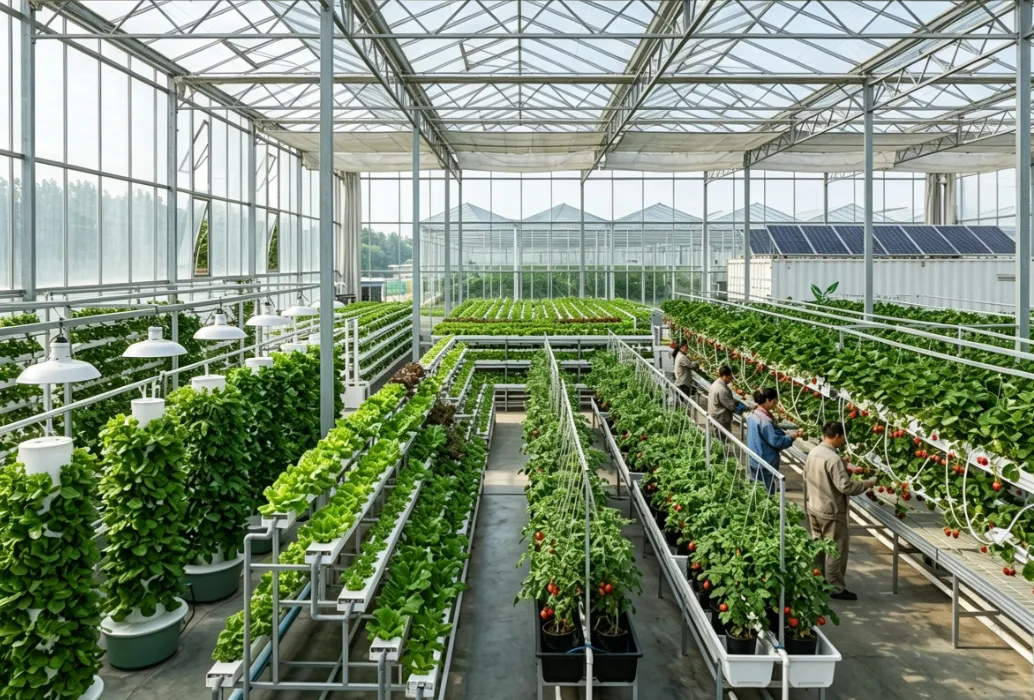
In practice, the best office landscaping solutions are the ones that are easy to maintain and visually consistent over time. A vertical plant wall can meet both needs if irrigation, lighting, and plant selection are planned from the start.
What Office Designers Consider Before Installing a Vertical Plant Wall
Vertical plant walls work best when designers treat them as building systems, not as accessories. That means checking light levels, water access, drainage, wall load, maintenance access, and plant suitability before installation.
| Planning factor | Why it matters | Typical office question |
|---|---|---|
| Light | Affects plant health and color | Is there enough daylight or supplemental lighting? |
| Water management | Prevents leaks and plant stress | How will irrigation and drainage be controlled? |
| Maintenance access | Supports long-term performance | Can staff or contractors reach the wall safely? |
| Plant selection | Determines durability and appearance | Which species suit indoor conditions? |
Miilkiia’s hydroponic towers and vertical planter options reflect the same logic used in compact green infrastructure: efficient use of space, controlled growth, and easier system planning. In office projects, that logic helps reduce maintenance surprises.
For larger commercial interiors, the design brief should also include acoustic goals, cleaning routines, and seasonal plant replacement plans. A good wall is not only attractive on day one; it should remain stable and presentable after months of use.
How Indoor Green Walls Compare with Other Office Green Features
Indoor green walls are often chosen over other office greenery because they offer a stronger visual return per square meter. They are especially useful where the design team wants a clear focal point rather than dispersed planting.
| Feature | Best use case | Main advantage | Main limitation |
|---|---|---|---|
| Indoor green wall | Reception, lobby, feature zones | High visual impact | Needs planned maintenance |
| Desk plants | Individual workstations | Low cost and easy to add | Limited spatial effect |
| Planter partitions | Space division | Functional zoning | Less dramatic appearance |
For companies that want a stronger architectural statement, a vertical wall usually performs better than isolated greenery. For companies that prioritize minimal intervention, a smaller planting strategy may be more practical.
Miilkiia’s greenhouse structure and Dutch-style greenhouse pages show a broader systems mindset that also applies to indoor planting: structure, support, and environmental control matter as much as the plants themselves.

Why Indoor Green Walls Also Matter for Brand Experience
Indoor green walls matter for brand experience because they communicate care, sustainability, and design maturity without using words. In client-facing offices, that can influence how visitors interpret the company before a meeting even begins.
Many firms use workplace biophilic design to support a modern identity. A vertical plant wall can signal that the organization values wellbeing, environmental awareness, and thoughtful space planning, which is especially useful in competitive professional services, tech, and real estate environments.
Miilkiia’s homepage is a useful starting point for teams exploring integrated green infrastructure, while the showcases page helps illustrate how plant-based systems can be adapted to different project types. For office buyers, case-based examples are often more convincing than product descriptions alone.
Conclusion: Why Vertical Plant Walls Remain a Strong Office Choice
Vertical plant walls remain popular because they solve practical and emotional workplace needs at the same time. They save floor space, support workplace biophilic design, and create a polished visual anchor that fits modern office landscaping solutions.
When planned correctly, indoor green walls are not just decorative. They are a durable part of the office environment that can improve how a space feels, how it functions, and how it is remembered.
FAQ About Indoor Green Walls in Modern Offices
Are indoor green walls suitable for small offices? Yes, indoor green walls are often ideal for small offices because they use vertical space instead of floor area. A compact wall can create a strong visual effect without crowding desks, corridors, or meeting zones. The key is choosing a system that matches the available light and maintenance capacity.
Do vertical plant walls require a lot of maintenance? Maintenance depends on the system design, plant selection, and irrigation setup. A well-planned wall usually needs routine inspection, pruning, and watering control rather than constant intervention. Offices should also plan for cleaning, replacement plants, and access for service work to keep the wall healthy.
Can indoor green walls improve workplace wellbeing? They can contribute to a more comfortable and restorative environment, especially in open-plan offices and reception areas. Research on biophilic design suggests that nature-integrated workplaces may support wellbeing, stress reduction, and productivity, although results depend on the broader quality of the space.
What plants work best in office green walls? The best plants are usually those that tolerate indoor conditions, moderate light, and regular pruning. Designers often choose species for durability, texture, and consistent appearance rather than novelty. Plant choice should also reflect humidity, airflow, and the wall’s irrigation method.
How do office landscaping solutions support branding? Office landscaping solutions help shape first impressions by making a workplace feel more intentional and welcoming. A vertical plant wall can reinforce sustainability, professionalism, and design quality. In client-facing spaces, that visual message can be as important as the furniture or finishes.