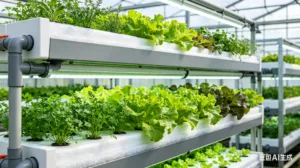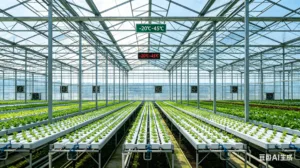
Hydroponic growing systems provide innovative methods for cultivating plants without the use of soil. Growers can take advantage of hydroponic channels for commercial farming, where they can access valuable information and community support. Essential hydroponic accessories, including grow lights and nutrient solutions, significantly enhance the growing experience. Utilizing the right tools not only boosts efficiency but also contributes to successful cultivation, ensuring that every grower can reach their objectives in vertical farming systems and establish a thriving commercial hydroponic setup.
Key Takeaways
- Hydroponic systems allow for soil-free plant growth, offering faster growth rates and higher yields compared to traditional methods.
- Choosing the right hydroponic system, such as NFT, DWC, or Ebb and Flow, depends on your space, plant types, and maintenance preferences.
- Essential equipment like grow lights, pumps, and nutrient solutions significantly enhance plant health and productivity in hydroponic setups.
- Regular monitoring of pH and nutrient levels is crucial for preventing issues like nutrient deficiencies and root rot, ensuring optimal plant growth.
- Engaging with the hydroponic community provides valuable support and knowledge sharing, helping growers improve their techniques and outcomes.
Best Hydroponic Systems
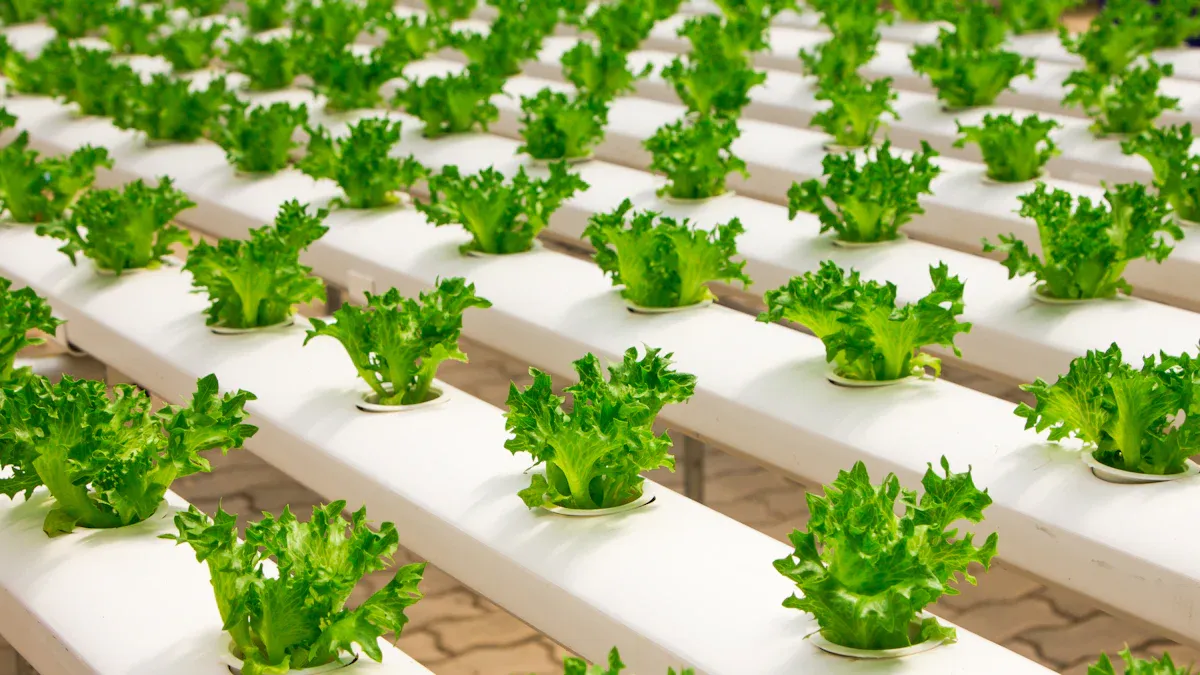
Hydroponic systems offer various methods for growing plants without soil. Each system has unique advantages and challenges, making it essential for growers to choose the right one based on their needs. Below are three popular hydroponic systems: Nutrient Film Technique (NFT), Deep Water Culture (DWC), and Ebb and Flow.
Nutrient Film Technique (NFT)
The Nutrient Film Technique (NFT) utilizes a thin film of nutrient-rich water that flows over the roots of plants. This method allows for excellent oxygenation and nutrient absorption. NFT systems are particularly effective for small, fast-growing crops such as lettuce, herbs, and certain vegetables.
Advantages of NFT:
- Simple design: Easy to clean and maintain.
- Reduced water costs: Uses less water than traditional soil methods.
- Highly scalable: Easy to expand systems as needed.
Disadvantages of NFT:
| Advantages | Disadvantages |
|————————————————|————————————————|
| Simple design: Easy to clean and maintain. | Not beginner-friendly: Can be intimidating for new growers. |
| Innate flow: Reduces debris accumulation. | Susceptible to pump failure: Power outages can harm plants. |
| Reduced water costs: Uses less water than soil. | Roots can block channels: Large roots may obstruct nutrient flow. |
NFT systems excel in space efficiency, making them ideal for growers with limited areas. However, they require careful monitoring to prevent pump failures, which can lead to plant stress.
Deep Water Culture (DWC)
Deep Water Culture (DWC) involves suspending plant roots in a nutrient solution with constant aeration. This method promotes rapid growth due to high oxygen levels available to the roots. DWC systems are known for their superior water use efficiency and nutrient absorption.
Key Features of DWC:
| Feature | Traditional DWC | HydroBucket |
|————————|————————————-|————————————–|
| Oxygenation | Requires constant monitoring of air pumps and stones | Integrated air pump ensures adequate oxygenation |
| Root Health | Risk of low oxygen levels affecting root health | Maintains optimal oxygen levels for healthier roots |
| Stability | Less stable due to manual monitoring | More stable with integrated systems for temperature and oxygen control |
Regular maintenance is crucial in DWC systems. Growers should monitor pH levels, nutrient concentrations, and aeration equipment to ensure optimal plant health. Daily testing of EC and pH levels helps maintain nutrient efficiency and prevent issues like root rot.
Ebb and Flow (Flood and Drain)
Ebb and Flow systems operate by flooding the grow tray with nutrient solution and then draining it back into the reservoir. This cycle promotes strong root development and provides plants with essential nutrients and oxygen.
Benefits of Ebb and Flow:
- Promotes a healthy environment for plants by bottom watering, which helps develop strong roots.
- Creates an oxygen-rich environment when the tray drains, benefiting plant health.
- Low maintenance setup with high yields.
However, Ebb and Flow systems can face challenges such as nutrient deficiencies and clogged tubing. Growers must remain vigilant to prevent algae growth and ensure proper water flow.
Aeroponics
Aeroponics represents a cutting-edge method of hydroponic growing systems. In this technique, plants grow suspended in air, with their roots exposed to a nutrient-rich mist. This approach maximizes oxygen exposure and nutrient uptake, leading to accelerated growth rates. Research indicates that growth rates can be 20-30% faster than traditional hydroponic methods under optimal conditions.
Key Benefits of Aeroponics:
- Efficient Nutrient Delivery: Aeroponics utilizes a highly targeted mist for nutrient delivery, minimizing nutrient loss.
- Enhanced Oxygenation: Continuous exposure to oxygen-rich air accelerates root metabolism.
- Space Efficiency: The vertical design allows for high-density planting, making it ideal for urban farming.
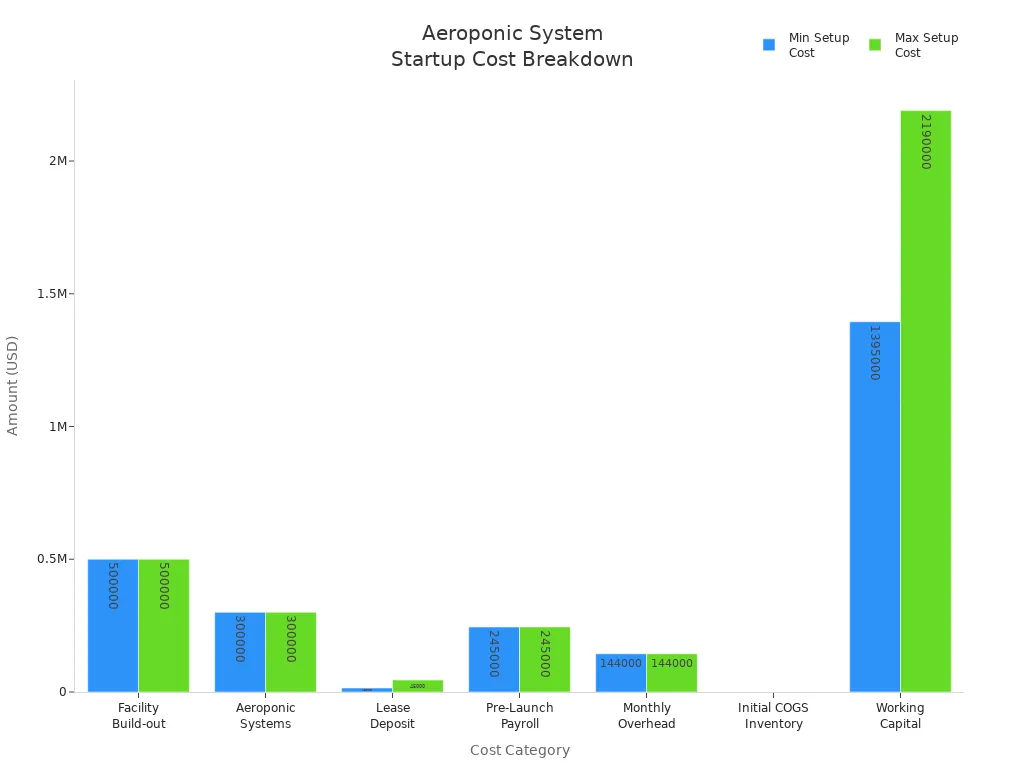
However, the initial setup costs for aeroponic systems can be significant. Below is a breakdown of the startup costs associated with establishing an aeroponic system:
| Startup Cost | Cost Category | Description | Min Amount | Max Amount |
|---|---|---|---|---|
| Facility Build-out | Facility/Construction | Estimate the $500,000 cost for the Indoor Farm Facility Build-out (Phase 1) for structural modifications, climate control, and insulation for the 1 Hectare space. | $500,000 | $500,000 |
| Aeroponic Systems | Equipment | Budget $300,000 for the Initial Modules, including towers, nutrient reservoirs, pumps, misting nozzles, and monitoring systems, verifying vendor pricing and installation timelines. | $300,000 | $300,000 |
| Lease Deposit | Lease/Rent | Calculate the required security deposit, typically 1–3 months of the $15,000 monthly rent, requiring $15,000–$45,000 paid upfront before construction begins. | $15,000 | $45,000 |
| Pre-Launch Payroll | Personnel | Plan for $40,833 per month in initial wages for the six core staff before revenue starts, totaling about $245,000 for a six-month pre-launch period. | $245,000 | $245,000 |
| Monthly Overhead | Operating Expenses | Account for $24,000 in monthly fixed operating expenses, including rent, utilities, insurance, and maintenance contracts, paid during the six-month ramp-up. | $144,000 | $144,000 |
| Initial COGS Inventory | Inventory/Supplies | Estimate the first few cycles of costs of goods sold (COGS), focusing on seeds, plant nutrients, and packaging supplies needed to start production. | $0 | $0 |
| Working Capital | Contingency/Buffer | Allocate 10–15% contingency on the total $12 million startup cost, plus securing 3–6 months of additional OPEX coverage to manage unforeseen delays or yield losses. | $1,395,000 | $2,190,000 |
| Total | All Startup Costs | $2,599,000 | $3,384,000 |
Wick System
The Wick System is one of the simplest hydroponic methods. It operates on a passive principle, where a wick draws nutrient solution from a reservoir to the plant roots. This system is particularly effective for smaller plants that thrive in consistent moisture.
Ideal Plants for Wick Systems:
- Lettuces: Thrive in consistent moisture and require minimal nutrients.
- Herbs: Such as thyme, parsley, and coriander, benefit from moist conditions and can use multiple wicks for larger plants.
- Pak Choi: Prefers gentle nutrients and even moisture, ideal for fresh consumption.
- Fussy Indoor Plants: Includes calatheas, alocasias, and begonias, which do well in passive systems due to their lower nutrient needs.
Despite its simplicity, the Wick System has limitations. It struggles to support larger plants with higher water needs. Nutrient delivery can be inconsistent, leading to potential deficiencies. Below are some key limitations of the Wick System:
| Limitation | Description |
|---|---|
| Limited Nutrient Control | Nutrients depend solely on the water in the reservoir, leading to potential imbalances or inadequate nutrition. |
| Slower Growth Rates | The passive nature of the system results in slower nutrient delivery, which can affect plant growth and yield. |
| Prone to Clogging | Clogging can occur with inappropriate growing mediums or wicks, hindering water and nutrient flow. |
| Limited Scale | Best suited for small-scale gardening; impractical for larger operations due to nutrient control limitations. |
| Sensitivity to Conditions | The system’s design makes it vulnerable to environmental fluctuations, which can disrupt nutrient delivery. |
Bucket System
The Bucket System, often referred to as the Dutch Bucket system, is a versatile hydroponic method that allows for scalability. This system uses individual buckets filled with nutrient-rich solutions to support plant growth.
Advantages of the Bucket System:
- Scalability: The modular design allows for easy expansion, making it suitable for both hobbyists and commercial growers.
- Efficient Water Use: The system recirculates nutrient solutions, minimizing waste.
- Versatile Plant Compatibility: It can support a wide range of plants, including larger fruiting varieties.
Common materials used in the Bucket System include five-gallon plastic buckets and one-gallon mesh bottom pots. These materials ensure proper drainage and aeration for the roots.
Materials for Bucket Systems:
- Individual buckets filled with nutrient-rich solution
- Known as ‘Bato buckets’ or ‘Dutch buckets’
- Standard plastic buckets from hardware stores
- Specially designed hydroponic buckets
The Bucket System’s design allows for starting small and expanding easily. This flexibility makes it an attractive option for growers looking to scale their operations without significant upfront investment.
Essential Hydroponic Equipment
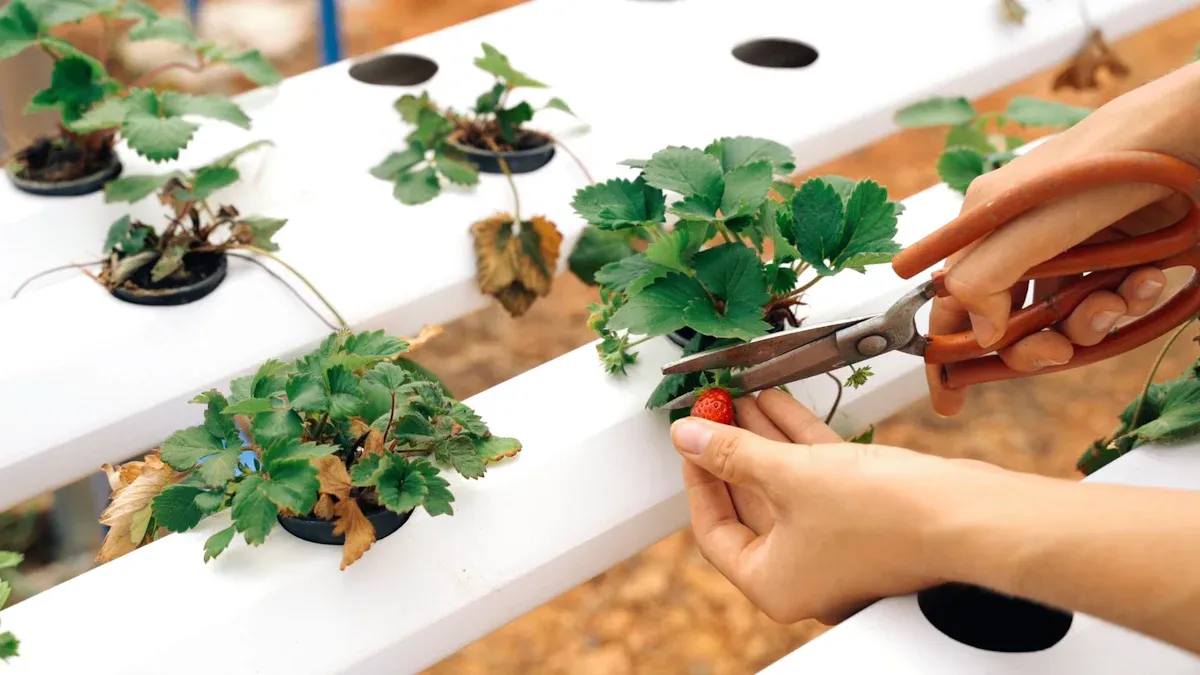
Grow Lights
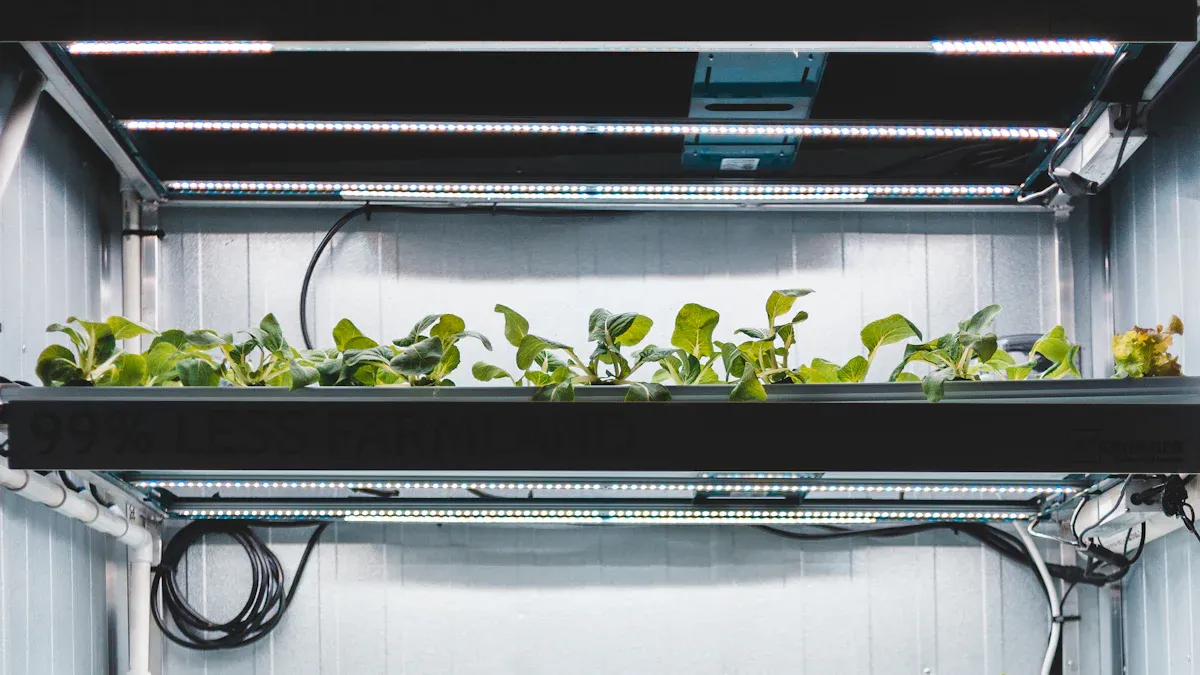
Grow lights play a crucial role in hydroponic systems, providing the necessary light spectrum for plant growth. These lights simulate sunlight, enabling plants to perform photosynthesis effectively. Different types of grow lights, such as LED, fluorescent, and HID, offer various benefits and drawbacks.
-
LED Grow Lights: These lights are energy-efficient and produce less heat, making them ideal for small spaces. They provide a full spectrum of light, which can enhance growth rates significantly. Research indicates that optimizing light conditions can increase plant growth rates by up to 30%.
-
Fluorescent Lights: These lights are affordable and suitable for seedlings and young plants. They emit a cooler light spectrum, which is beneficial during the vegetative stage. However, they may not provide sufficient intensity for larger plants.
-
HID Lights: High-Intensity Discharge lights, including Metal Halide (MH) and High-Pressure Sodium (HPS), are powerful options for larger growing systems. They produce high heat and require additional cooling systems.
When selecting grow lights, consider the following factors:
| Factor | Description |
|---|---|
| Light Spectrum | Different spectra support various growth stages; blue light aids vegetative growth, while red light promotes flowering. |
| Energy Efficiency | LED lights are the most energy-efficient, reducing electricity costs. |
| Heat Output | HID lights generate more heat, necessitating cooling solutions. |
For optimal results, growers should choose lights that match their specific plant types and growth stages.
Pumps and Air Stones
Pumps and air stones are essential components in hydroponic systems, particularly in Deep Water Culture (DWC) setups. They maintain optimal oxygen levels in the nutrient solution, promoting healthy root growth.
-
Air Stones: These devices break air into fine bubbles, increasing the dissolved oxygen in the reservoir. High-quality air stones create ultra-fine bubbles, maximizing oxygen absorption.
-
Air Pumps: A strong air pump ensures consistent aeration, which is vital for preventing root diseases. Adding air stones and a pump to a DWC system is crucial for ensuring optimal oxygen levels for the plants’ roots.
Using pumps and air stones offers several benefits:
- They promote healthy root growth by increasing oxygen levels.
- They help prevent root diseases by maintaining a well-aerated environment.
- They enhance nutrient absorption, leading to improved plant health.
Nutrient Solutions
Nutrient solutions provide essential macronutrients and micronutrients required for plant growth in hydroponic systems. These solutions are critical for maintaining plant health and maximizing yields.
-
Macronutrients: Plants require larger quantities of these nutrients, including nitrogen (N), phosphorus (P), potassium (K), calcium (Ca), magnesium (Mg), and sulfur (S). Each plays a vital role in plant development. For example, nitrogen is crucial for growth and green coloration, while phosphorus aids in root development and flowering.
-
Micronutrients: Although needed in smaller amounts, micronutrients such as iron (Fe), boron (B), and zinc (Zn) are essential for various physiological processes, including photosynthesis and enzyme function.
Growers should select nutrient solutions that cater to their specific crops. Commercial nutrient solutions often provide a balanced mix of these essential nutrients, ensuring optimal plant growth. The rising costs of raw fertilizer inputs have prompted growers to seek cost-effective solutions that do not compromise quality.
By understanding the role of essential hydroponic equipment, growers can create an efficient and productive growing environment.
pH and EC Meters
pH and EC meters are essential tools for hydroponic growers. These devices measure the pH level and electrical conductivity (EC) of the nutrient solution, which directly impacts plant health. Maintaining optimal pH and EC levels promotes healthy plant growth, improves nutrient absorption, and increases crop yield and quality. It also enhances disease resistance and overall plant health.
Regularly monitoring and managing pH and EC levels in the nutrient solution is vital to promoting healthy plant growth. pH imbalances can affect nutrient uptake and lead to nutrient deficiencies, resulting in stunted growth and lower crop production.
Growers should consider investing in reliable pH and EC meters. Here are some of the most accurate and user-friendly options available:
- HM Digital PH/Temperature Meter: Affordable and user-friendly, ideal for hobbyists. Features include automatic temperature compensation and easy calibration.
- Bluelab pH Pen: Highly rated for its accuracy and reliability, with features like a backlit LCD and waterproof design. Recommended for both hobby and commercial growers.
- Bluelab Guardian Monitor: Provides continuous monitoring of pH, temperature, and conductivity, with alert features for any issues.
- Bluelab pH Controller & Auto Doser: Automates pH monitoring and dosing, suitable for commercial growers looking to minimize human error.
Growing Mediums
Choosing the right growing medium is crucial for successful hydroponic systems. Different mediums offer varying benefits, such as water retention, aeration, and cost-effectiveness. Below is a comparison of commonly used growing mediums:
| Growing Medium | Water Retention | Aeration | Cost | Environmental Impact |
|---|---|---|---|---|
| Rockwool | High | Moderate | Moderate | Low (non-biodegradable) |
| Expanded Clay Pebbles | Low | High | High | High (reusable) |
| Coconut Coir | High | High | Moderate | High (sustainable) |
| Perlite | Low | High | Low | Moderate (non-reusable) |
| Vermiculite | High | Moderate | Moderate | Moderate |
| Peat Moss | High | Low | Low | Low (non-renewable) |
| Gravel | Low | Moderate | Low | High (reusable) |
According to Sarah Collins, a hydroponic specialist, “Rockwool’s high water retention makes it ideal for beginners, but always soak it thoroughly to neutralize its natural pH.” Mark Jensen, founder of HydroGrow Labs, explains, “Hydroton provides a balance of stability and aeration, making it a favorite among experienced growers.” Coco coir is a fluffy, light growing medium that does not break down readily. It holds water well while allowing excess moisture to drain efficiently. Expanded clay pellets are durable and can be sterilized for reuse, providing excellent aeration and water retention.
Gardyn Tower
The Gardyn Tower system enhances vertical hydroponic growing efficiency through its innovative design. This compact, self-sustaining system combines hydroponic and aeroponic elements, allowing for high-density growth in limited spaces.
- The Gardyn Tower utilizes Hybriponics™ technology, enabling the growth of up to 30 large plants in just 2 sq. ft., optimizing space usage.
- This system reduces water consumption by 95% compared to traditional gardening.
- An automated AI assistant, Kelby, monitors and adjusts growing conditions for optimal plant health, providing step-by-step guidance and features like vacation mode for user convenience.
By integrating advanced technology with efficient design, the Gardyn Tower represents a significant advancement in modern hydroponic systems, making it an excellent choice for urban gardeners and those with limited space.
Choosing the Right Hydroponic System
Assessing Space and Environment
Selecting the appropriate hydroponic system begins with evaluating the available space and environmental conditions. Growers should consider several factors:
- Space Availability: The layout and size of the area directly influence the choice of hydroponic system.
- Specific Plant Needs: Different plants may require specific environmental conditions to thrive.
- Maintenance Requirements: Some systems demand more attention than others, affecting the choice based on the grower’s commitment.
- Level of Expertise: Beginners may prefer simpler systems that require less technical knowledge.
Understanding these factors helps growers make informed decisions that align with their goals and capabilities.
Understanding Plant Types
Different hydroponic systems accommodate various plant types and growth habits. The following table outlines some popular systems and their suitability for specific plants:
| Hydroponic System | Description | Suitable Plant Types |
|---|---|---|
| Ebb and Flow | Floods the ecosystem with nutrient solution and drains it, allowing plants access to oxygen. | Versatile; adaptable to many crops. |
| Nutrient Film Technique | Provides a constant stream of nutrients to the roots while ensuring oxygen access. | Ideal for plants with small root systems. |
| Aeroponics | Suspends plants in air, misting nutrients directly to roots for maximum oxygen access. | Fast-growing plants like herbs. |
| Deep Water Culture | Plants are submerged in nutrient-rich water, ensuring they receive necessary nutrients and oxygen. | Suitable for larger plants. |
Growers should consider their specific plant types when selecting a hydroponic system. For instance, deep water culture is easy to set up but may not suit all plants. Conversely, wick systems are low-maintenance but offer less control over nutrients. Advanced systems like NFT or aeroponics can provide faster growth but require careful management.
Budget Considerations
Budget plays a crucial role in choosing a hydroponic system. Initial costs can vary widely based on the complexity of the system and the materials used. Growers should assess their financial resources and consider the long-term operational costs. Investing in a more advanced system may yield higher returns in productivity, but it requires careful financial planning.
By evaluating space, plant types, and budget, growers can select the hydroponic system that best meets their needs and maximizes their chances for success.
Maintenance Requirements
Maintaining a hydroponic system is crucial for ensuring optimal plant growth and productivity. Regular maintenance tasks help prevent issues and promote a healthy growing environment. Below are key maintenance requirements for hydroponic systems:
-
Daily Tasks:
- Check water levels in the reservoir.
- Monitor pH and EC levels to ensure nutrient balance.
- Inspect plants for signs of pests or diseases.
-
Weekly Tasks:
- Clean and sanitize equipment, including pumps and air stones.
- Replace nutrient solutions to maintain freshness and effectiveness.
- Prune plants to encourage healthy growth and airflow.
-
Monthly Tasks:
- Inspect and clean the entire system, including tubing and reservoirs.
- Test the water quality for contaminants and adjust as necessary.
- Review and adjust lighting schedules based on plant growth stages.
Tip: Keeping a maintenance log can help track tasks and identify patterns over time. This practice allows growers to anticipate issues before they escalate.
| Maintenance Task | Frequency | Purpose |
|---|---|---|
| Water Level Check | Daily | Ensures plants receive adequate hydration. |
| pH and EC Monitoring | Daily | Maintains nutrient absorption efficiency. |
| Equipment Cleaning | Weekly | Prevents clogs and promotes system longevity. |
| Nutrient Solution Change | Weekly | Provides fresh nutrients for optimal growth. |
| System Inspection | Monthly | Identifies potential problems early. |
By adhering to these maintenance requirements, growers can create a stable environment that supports healthy plant development. Regular attention to these tasks ensures that hydroponic systems remain efficient and productive.
Setting Up Your Hydroponic System
Step-by-Step Setup Guide
Setting up a hydroponic system requires careful planning and execution. Follow these steps for a successful installation:
- Choose a Location: Select a space with adequate light and temperature control.
- Gather Materials: Collect all necessary equipment, including the hydroponic system, grow lights, pumps, and nutrient solutions.
- Assemble the System: Follow the manufacturer’s instructions to assemble the hydroponic system. Ensure all components fit securely.
- Install Grow Lights: Position grow lights at the appropriate height above the plants. Adjust based on the type of plants being grown.
- Fill the Reservoir: Add water to the reservoir and mix in the nutrient solution according to the manufacturer’s guidelines.
- Plant Seeds or Seedlings: Place seeds or seedlings into the growing medium. Ensure they are properly spaced for optimal growth.
- Start the System: Turn on the pumps and lights. Monitor the system for any immediate issues.
Common Mistakes to Avoid
New growers often make several common mistakes during setup. Avoid these pitfalls to ensure a smoother experience:
- Neglecting pH Levels: Failing to monitor pH can lead to nutrient deficiencies. Regular testing is essential.
- Overcrowding Plants: Planting too closely can hinder growth. Allow adequate space for each plant.
- Ignoring Light Requirements: Different plants have varying light needs. Research specific requirements before installation.
- Skipping System Testing: Always test the system before planting. Check for leaks and ensure all components function correctly.
Initial Testing and Adjustments
After setting up the hydroponic system, conduct initial tests to ensure everything operates smoothly. Follow these steps:
- Check Water Quality: Test the water for pH and EC levels. Adjust as necessary to meet plant requirements.
- Monitor Temperature: Ensure the environment remains within the ideal range for the plants being grown.
- Observe Plant Response: After planting, watch for signs of stress or nutrient deficiencies. Make adjustments to the nutrient solution as needed.
By following these guidelines, growers can establish a successful hydroponic system that promotes healthy plant growth.
Maintenance Tips for Hydroponic Systems
Regular Monitoring
Regular monitoring is essential for maintaining a healthy hydroponic system. Growers should check the following parameters frequently:
- pH Levels: Aim for a pH range of 5.5 to 6.5. This range optimizes nutrient absorption.
- Electrical Conductivity (EC): Maintain EC levels between 1.5 and 2.5 mS/cm for most crops. This ensures adequate nutrient availability.
- Water Temperature: Keep water temperatures between 65°F and 75°F. This range supports healthy root growth.
Tip: Use a maintenance log to track these parameters. This practice helps identify trends and potential issues early.
Cleaning and Sanitizing
Cleaning and sanitizing the hydroponic system prevents the buildup of harmful pathogens and algae. Growers should follow these steps:
- Drain the System: Remove all nutrient solutions from the reservoir and growing trays.
- Clean Surfaces: Use a mild bleach solution or hydrogen peroxide to scrub all surfaces. This action eliminates any residues or contaminants.
- Rinse Thoroughly: After cleaning, rinse all components with fresh water to remove any cleaning agents.
- Sanitize Equipment: Regularly sanitize pumps, air stones, and tubing to prevent clogs and ensure efficient operation.
| Cleaning Task | Frequency | Purpose |
|---|---|---|
| Reservoir Cleaning | Every 2 weeks | Prevents algae growth and nutrient buildup. |
| Equipment Sanitization | Monthly | Ensures optimal performance and longevity. |
Nutrient Management
Effective nutrient management is crucial for plant health. Growers should consider the following practices:
- Use Quality Nutrients: Select high-quality nutrient solutions tailored to specific plant needs. This choice enhances growth and yield.
- Monitor Nutrient Concentration: Regularly check nutrient concentrations using an EC meter. Adjust as necessary to maintain optimal levels.
- Change Nutrient Solutions: Replace nutrient solutions every two weeks. Fresh solutions provide plants with the necessary nutrients for vigorous growth.
Note: Over-fertilization can harm plants. Always follow the manufacturer’s guidelines for nutrient application rates.
By implementing these maintenance tips, growers can ensure their hydroponic systems remain productive and healthy.
Troubleshooting Common Issues
Hydroponic systems can encounter various issues that may hinder plant growth. Identifying and addressing these problems promptly is crucial for maintaining a healthy growing environment. Below are some common issues and their solutions.
-
Nutrient Deficiencies:
- Symptoms include yellowing leaves, stunted growth, and poor fruit development.
- Solution: Regularly test the nutrient solution’s pH and EC levels. Adjust nutrient concentrations based on the specific needs of the plants.
-
Root Rot:
- This condition occurs when roots sit in stagnant water, leading to decay.
- Solution: Ensure proper aeration in the nutrient solution. Use air stones and pumps to maintain oxygen levels. Regularly check for any signs of decay and remove affected roots immediately.
-
Algae Growth:
- Algae can thrive in nutrient solutions, competing with plants for nutrients and light.
- Solution: Cover reservoirs to block light and prevent algae growth. Clean the system regularly to remove any buildup.
-
Pest Infestations:
- Common pests include aphids, spider mites, and whiteflies.
- Solution: Inspect plants regularly for signs of pests. Use organic insecticides or introduce beneficial insects to control infestations.
-
pH Imbalance:
- An incorrect pH level can hinder nutrient absorption.
- Solution: Maintain pH levels between 5.5 and 6.5. Use pH up or down solutions to adjust levels as needed.
Tip: Keeping a maintenance log can help track issues and solutions. This practice allows growers to identify patterns and prevent future problems.
By addressing these common issues proactively, growers can ensure their hydroponic systems remain productive and healthy. Regular monitoring and maintenance are key to successful hydroponic gardening.
Selecting the right hydroponic channels and equipment is crucial for successful growing. Proper setup and maintenance lead to numerous long-term benefits, including:
- Faster growth rates, with plants growing 30-50% faster than in soil.
- Higher yields, often 25-30% more than traditional methods.
- Year-round cultivation, ensuring consistent food production.
- Significant water conservation, using 70-90% less water than soil-based growing.
- Reduced pest issues, as the absence of soil minimizes pest habitats.
Engaging with the hydroponic community enhances knowledge sharing and support. Growers can showcase their methods, foster trust with consumers, and collaborate with local vendors. This connection creates a supportive network that benefits everyone involved.
FAQ
What is hydroponics?
Hydroponics is a method of growing plants without soil. Instead, it uses nutrient-rich water solutions to deliver essential nutrients directly to plant roots, promoting faster growth and higher yields.
How often should I change the nutrient solution?
Growers should change the nutrient solution every two weeks. This practice ensures that plants receive fresh nutrients and prevents the buildup of harmful substances in the water.
Can I grow any plant hydroponically?
Most plants can thrive in hydroponic systems, but leafy greens, herbs, and small fruiting plants typically perform best. Larger fruiting plants may require more space and support.
What are the common challenges in hydroponics?
Common challenges include nutrient imbalances, pH fluctuations, and pest infestations. Regular monitoring and maintenance can help mitigate these issues and ensure healthy plant growth.
Do I need special equipment for hydroponics?
Yes, hydroponics requires specific equipment such as grow lights, pumps, and nutrient solutions. The type of system chosen will determine the exact equipment needed for successful cultivation.