
Why Proper Greenhouse Design Matters for Glass Greenhouses
Designing a greenhouse correctly is essential for achieving stable plant growth, energy efficiency, and long-term durability. Many growers choose Glass Greenhouses because they offer excellent light transmission, strong structure, and a premium growing environment, but poor design can significantly reduce performance.
Whether you are building a backyard garden greenhouse, commercial growing house, or hobby plant house, avoiding common design mistakes helps maximize ventilation, temperature control, and crop productivity.
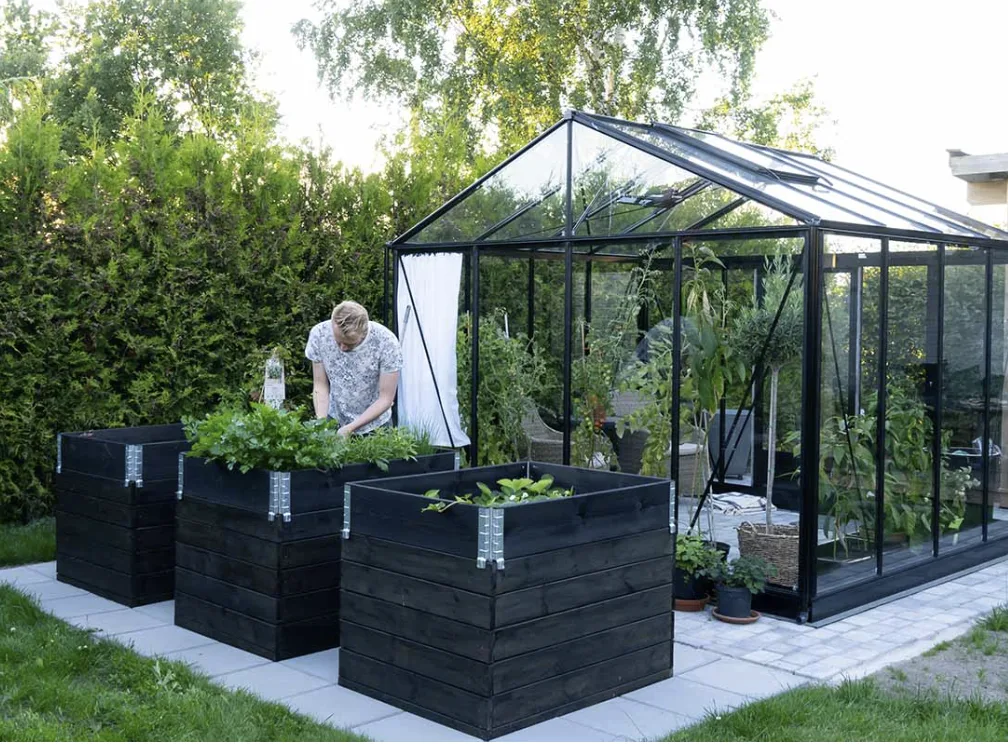
Mistake: Poor Ventilation and Airflow Design
One of the most common problems in Glass Greenhouses is insufficient ventilation. Without proper airflow, heat and humidity can build up quickly, leading to plant stress, mold growth, and reduced yields.
To avoid this issue, greenhouse structures should include roof vents, side vents, or automated ventilation systems. Proper air circulation ensures consistent temperature and healthier plant growth, especially in large glass greenhouse systems used for vegetable farming or flower production.
Mistake: Incorrect Orientation and Sunlight Planning
Another frequent design mistake is placing Glass Greenhouses in the wrong direction. Poor orientation can limit sunlight exposure and reduce photosynthesis efficiency.
The best greenhouse orientation depends on location, but in most regions, positioning the structure to maximize south-facing sunlight improves performance. Avoid placing greenhouses near tall buildings or trees that cast shadows. Proper sunlight planning enhances energy efficiency and improves plant development inside glass greenhouse structures.
Mistake: Weak Foundation and Structural Design
A strong foundation is critical for long-lasting Glass Greenhouses, especially in areas with wind, rain, or snow. Many low-quality greenhouse installations fail due to unstable bases or poorly anchored frames.
Using durable aluminum framing, reinforced glass panels, and proper anchoring systems ensures stability and safety. A well-designed greenhouse structure reduces maintenance costs and extends service life, making it more reliable for commercial greenhouse farming or professional horticulture applications.
Mistake: Ignoring Temperature and Climate Control Systems
Temperature control is often overlooked in Glass Greenhouses, leading to overheating in summer and heat loss in winter. Without proper shading systems, heating equipment, or automated climate control, plant growth can become inconsistent.
Installing thermal screens, fans, heaters, or smart greenhouse control systems helps maintain ideal growing conditions year-round. Advanced glass greenhouse systems often integrate automation to regulate humidity, temperature, and light levels for optimal plant performance.
Professional Greenhouse Manufacturer Introduction
According to its official website, Miilkia is a professional manufacturer and supplier specializing in greenhouse systems for residential, agricultural, and commercial use. The company offers a wide range of products including Glass Greenhouses, aluminum greenhouse structures, polycarbonate greenhouse kits, sunrooms, garden rooms, and custom-designed growing environments.
With advanced production technology, strong engineering capabilities, durable materials, and OEM/ODM customization services, Miilkia delivers high-performance greenhouse solutions for global customers. Their products are designed for stability, energy efficiency, weather resistance, and long-term horticultural use.
FAQ
What is the most common mistake in Glass Greenhouse design?
Poor ventilation and airflow design is the most common issue affecting plant health and temperature control.
How do you avoid overheating in a Glass Greenhouse?
Use roof vents, shading systems, and automatic cooling fans to regulate temperature effectively.
What is the best direction to build a Glass Greenhouse?
In most regions, a south-facing orientation provides maximum sunlight exposure.
Do Glass Greenhouses need a strong foundation?
Yes, a stable foundation is essential to ensure durability and resistance to wind and weather conditions.
How can I improve energy efficiency in a Glass Greenhouse?
Install thermal insulation systems, shading curtains, and climate control equipment.