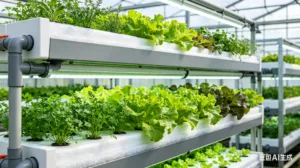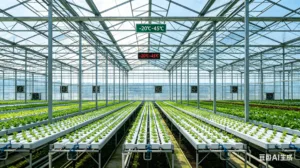
Hydroponics is an innovative method of growing plants without soil, and our hydroponic systems guide can help you navigate this exciting world. Instead of soil, it uses nutrient-rich water to nourish plants directly, opening up exciting possibilities for gardeners and farmers alike.
Understanding the types of hydroponic systems is essential for anyone interested in this method. These systems play a crucial role in modern gardening, offering efficient solutions for food production, especially in urban areas where space is limited. They can use up to 90% less water than traditional farming methods, making them a sustainable choice. With over 20,000 farms adopting hydroponics globally, the market is expected to soar to USD 66.6 billion by 2033. As more people explore hydroponics for beginners, the hydroponic system benefits become clear: higher yields, reduced pesticide use, and year-round production.
For those looking to maximize their success, here are some hydroponic farming tips: consider using vertical hydroponic towers to save space and increase your yield. Embracing these techniques can lead to a fruitful and sustainable gardening experience.
Key Takeaways
- Hydroponics allows for soil-free plant growth using nutrient-rich water, leading to faster growth and higher yields.
- This method uses up to 90% less water than traditional farming, making it a sustainable choice for urban gardening.
- Beginners should start with user-friendly systems like Deep Water Culture (DWC) or Ebb and Flow for easy management.
- Regular monitoring of pH levels and nutrient concentration is crucial for maintaining healthy plants in hydroponic systems.
- Vertical hydroponics maximizes space efficiency, allowing for up to ten times more produce in limited areas.
What is Hydroponics?
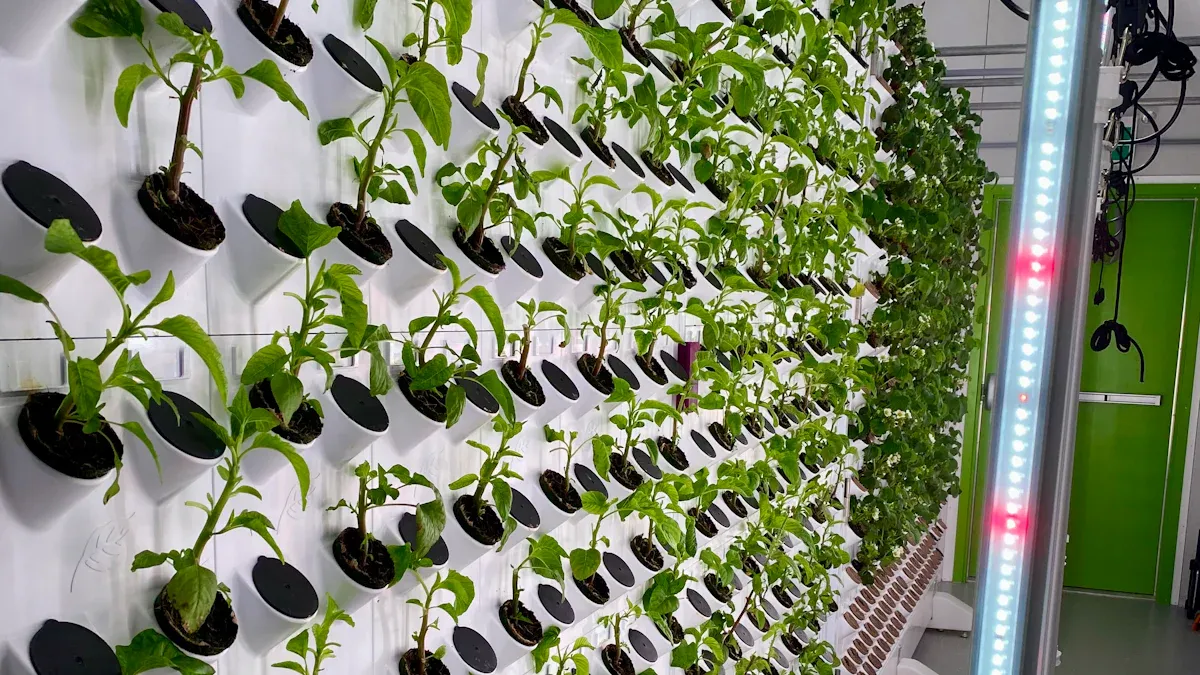
Hydroponics is a fascinating method of growing plants without soil. Instead of relying on dirt, this technique uses nutrient-rich water to nourish plants directly. This approach allows for year-round cultivation, regardless of the weather outside. Here’s how hydroponics differs from traditional gardening:
-
Hydroponics:
- Grows plants in a nutrient solution.
- Enables indoor gardening, independent of seasonal changes.
-
Traditional Gardening:
- Relies on soil for plant growth.
- Requires irrigation, pesticides, and fertilizers.
- Depends on outdoor conditions and seasonal cycles.
The main principles of hydroponic systems revolve around a few key components. Understanding these can help anyone interested in starting their own hydroponic garden. Here’s a quick overview:
| Component | Description |
|---|---|
| Nutrient Solutions | These solutions provide essential macro and micronutrients for plant growth, impacting health and yield. |
| Lighting | Vital for photosynthesis; energy-efficient LED lights are often preferred for their tailored wavelengths. |
| Water Management | Techniques ensure optimal water availability and nutrient absorption for plants. |
In hydroponics, plants absorb nutrients directly through their roots, which sit in the nutrient solution. This method can lead to faster growth and higher yields compared to traditional methods. For example, systems like Deep Water Culture allow roots to dangle in water, making it easy for them to access nutrients.
With hydroponics, gardeners can enjoy the benefits of efficient water use and reduced pesticide reliance. This innovative approach opens up new possibilities for urban farming and sustainable agriculture.
Types of Hydroponic Systems
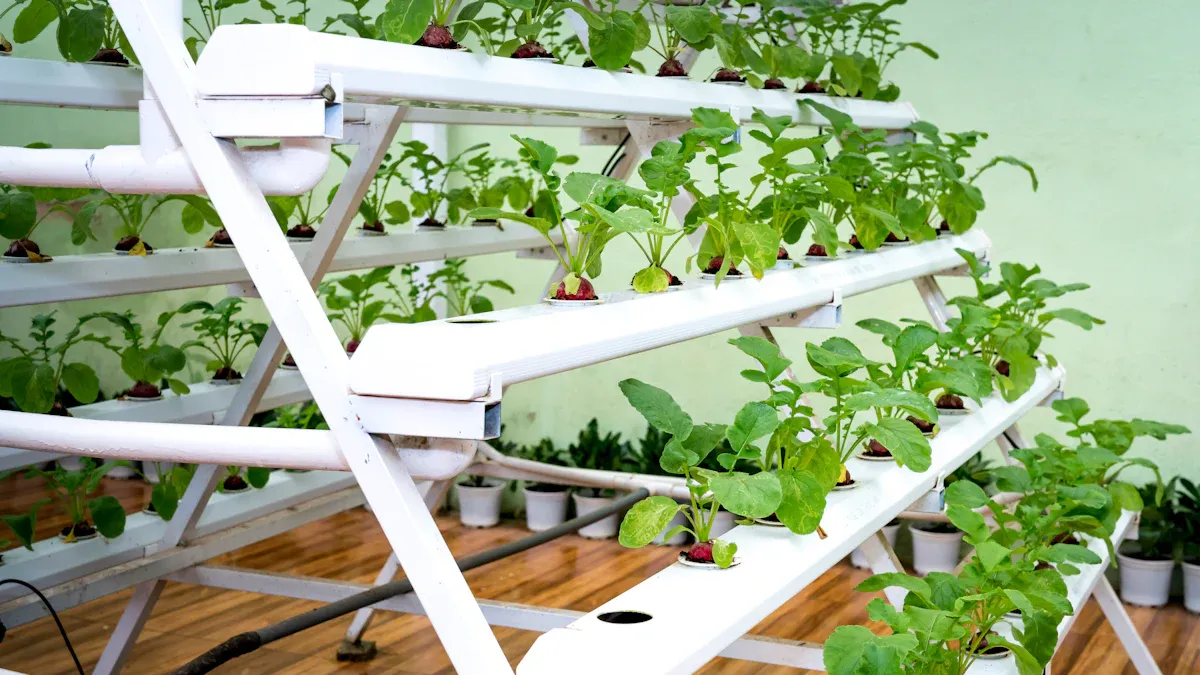
Hydroponic systems come in various forms, each with unique features and benefits. Let’s dive into three popular types: the Nutrient Film Technique (NFT), Deep Water Culture (DWC), and Ebb and Flow (Flood and Drain).
Nutrient Film Technique (NFT)
The Nutrient Film Technique (NFT) is a popular choice among hydroponic gardeners. This system allows for efficient plant growth by continuously flowing a thin film of nutrient-rich water over the roots. Here are some key features of NFT:
- Continuous Flow: Nutrient solution flows over the roots, ensuring they receive essential nutrients and oxygen.
- Eco-Friendly: NFT uses minimal water and nutrients, making it suitable for small spaces and urban gardening.
- Components: The system includes growing channels, a nutrient reservoir, a water pump, and net pots for seedlings.
NFT is particularly effective for growing leafy greens. For instance, lettuce can thrive in this system, producing a 5-to-6-ounce head in just 35 days under optimal conditions. In controlled environments, NFT yields can be ten times higher than traditional farming, with water usage being 13 times lower in one crop cycle.
| Crop | Yield Statistics |
|---|---|
| Lettuce | A 5-to-6-ounce head can be produced in 35 days under optimal conditions. Yield can be significantly higher in controlled environments compared to traditional farming. |
By adopting the NFT method, gardeners can enjoy higher yields and sustainable practices, making it a great option for those looking to maximize their hydroponic systems guide.
Deep Water Culture (DWC)
Deep Water Culture (DWC) is another effective hydroponic system. In DWC, plants are suspended in a nutrient solution, with their roots submerged. This method offers several advantages:
- Scalability: DWC systems can be adapted for both small and large-scale operations.
- Affordability: Many components can be sourced affordably or repurposed from household items.
- Low Maintenance: Once set up, DWC requires minimal maintenance beyond regular checks.
However, DWC does have its challenges. For example, it can be difficult to root vegetables that require different environments. Additionally, beginners may struggle with balancing water and air supply, risking root rot. A continuous power supply for air pumps is also necessary, as a failure can quickly suffocate roots.
| Component | Description |
|---|---|
| Plant Suspension | Plants are held in polystyrene sheets with roots submerged in nutrient solution. |
| Water Flow | Water flows from a fish tank through filters into grow canals, ensuring nutrient delivery. |
| Aeration | Air stones and Venturi siphons provide continuous oxygen to the roots for optimal health. |
| System Design | Flexible canal lengths and widths allow adaptation for different crops, promoting efficient growth. |
DWC systems lead to rapid growth and higher yields, as plants have immediate access to water, nutrients, and oxygen. This controlled environment allows for better management of growth factors, enhancing productivity.
Ebb and Flow (Flood and Drain)
The Ebb and Flow system, also known as Flood and Drain, is designed to optimize nutrient delivery. In this system, plant roots are placed in a net pot or tray. Nutrient-rich water is pumped into the growth basin and then drained back, allowing for oxygenation. Here’s how it works:
- The system floods the root zone with nutrient solution, maximizing nutrient absorption.
- It then drains, allowing air to fill the space, which is crucial for root health.
- This cycle is timed to maintain an optimal balance of air and water in the medium.
Ebb and Flow systems automatically alternate between flooding and draining the plants’ root zones. This process provides an optimal environment for root health by ensuring a steady nutrient supply and preventing issues like water-logging.
However, challenges can arise. For instance, inadequate media choice can lead to low oxygen availability. To address this, select media that drains well. Regular monitoring is essential, especially with new equipment, to prevent root diseases and nutrient insufficiency.
By carefully managing these systems, gardeners can enjoy the benefits of faster growth and higher yields, making Ebb and Flow a popular choice in the hydroponic systems guide.
Wick System
The Wick System is one of the simplest hydroponic methods available. It operates by using a wicking material to draw nutrient-rich water from a reservoir to the plant roots through capillary action. This system is easy to set up and requires minimal maintenance, making it perfect for small indoor or balcony gardens. Here’s how it works:
- Growing Medium: Plants are placed in a container filled with a growing medium like perlite, coconut coir, or vermiculite.
- Wicking Action: A wick connects the reservoir to the growing medium, allowing water to travel upward to the roots.
This system is best suited for plants that don’t require high nutrient levels. Here are some ideal choices:
- Herbs: Basil, mint, parsley, and cilantro thrive in this setup.
- Leafy Greens: Lettuce and spinach are also great options due to their shallow roots and tolerance for water fluctuations.
However, the Wick System does have its limitations. It may not deliver nutrients efficiently for heavy-feeding or fast-growing plants. Here’s a quick overview of its drawbacks:
| Limitation | Description |
|---|---|
| Limited nutrient delivery | Not suitable for heavy-feeding or fast-growing plants. |
| Wick can dry out | Needs regular monitoring to ensure the wick remains moist. |
| Slow growth | Plants may grow slower compared to active systems. |
Despite these challenges, the Wick System remains a popular choice for beginners looking to explore the world of hydroponics.
Aeroponics
Aeroponics takes hydroponics to the next level by suspending plant roots in air and delivering nutrients through a mist-based system. This method maximizes oxygen availability, which accelerates root metabolism and leads to faster growth rates—20-30% faster than traditional hydroponics in optimal conditions. Here are some key features of aeroponics:
- Mist Delivery: Nutrients are delivered in a fine mist, ensuring that roots receive both moisture and nutrients.
- Oxygen-Rich Environment: Continuous exposure to air enhances root health and growth.
Aeroponics can yield about three times as much as soil-based growing methods, making it an attractive option for serious gardeners. Additionally, this system is incredibly efficient in terms of water and nutrient use. In fact, aeroponic systems can reduce water usage by over 90% and fertilizer use by 60%, depending on various factors like crop type and system design.
Aeroponics demonstrates greater water use efficiency compared to other methods, such as the Nutrient Film Technique (NFT).
While aeroponics offers many advantages, it requires careful monitoring and maintenance to ensure optimal conditions. Overall, this method is ideal for those looking to maximize their hydroponic systems guide.
Drip System
The Drip System is another widely used hydroponic method that provides each plant with a targeted supply of water and nutrients. This system consists of several key components:
- Reservoir: An opaque container that prevents algae growth.
- Pump: Distributes the nutrient solution throughout the system.
- Air Stone: Oxygenates the nutrient solution to promote root health.
- Distribution Hoses: Transport the nutrient solution to each plant.
- Drip Emitter: Regulates the flow of solution to each plant container.
- Plant Container: Holds the plants and growing medium, allowing for drainage.
The Drip System functions by supplying each plant individually with water and nutrient solution through a network of hoses and drip emitters. This targeted delivery allows for precise control over the amount of water and nutrients each plant receives, ensuring optimal growth conditions.
However, maintaining a Drip System requires regular visual inspections and cleaning. Here’s a quick look at some common maintenance requirements and issues:
| Maintenance Requirements | Common Issues |
|---|---|
| Regular visual inspection | Clogged emitters |
| Cleaning and replacement of filters | Leaks and damaged components |
| Flushing lines periodically | Water pressure irregularities |
| Cleaning sensors and emitters | Uneven water distribution |
By addressing these maintenance needs, gardeners can enjoy the benefits of a highly efficient and productive hydroponic system.
Benefits of Hydroponic Systems
Hydroponic systems offer numerous advantages that make them an appealing choice for modern gardening and agriculture. Here’s a closer look at some of the key benefits:
-
Faster Growth Rates: Plants in hydroponic systems grow quicker than those in soil. This happens because they receive nutrients directly through the water, allowing for immediate absorption. In fact, studies show that hydroponics can lead to growth rates that are significantly higher than traditional methods.
-
Water Efficiency: Hydroponics uses up to 26 times less water than conventional farming, especially in hot climates. This efficiency is crucial in areas where water is scarce. The closed-loop system recirculates water, minimizing waste and ensuring that every drop counts.
-
Nutrient Control: Hydroponic systems allow for precise management of nutrients. Growers can tailor the nutrient solution to meet the specific needs of their plants, promoting optimal health and yield. This level of control is often unattainable in soil-based agriculture, where nutrient availability can fluctuate based on various factors.
-
Space Optimization: Hydroponic systems can be designed for vertical growth, making them ideal for urban environments where space is limited. This scalability means that even small areas can produce significant yields, making hydroponics a smart choice for city dwellers.
-
Year-Round Growing: With hydroponics, gardeners can grow crops year-round, regardless of seasonal changes. This capability ensures a consistent supply of fresh produce, which is especially beneficial in regions with harsh winters.
Here’s a quick comparison of the benefits of hydroponics versus soil-based agriculture:
| Benefit | Hydroponics | Soil-Based Agriculture |
|---|---|---|
| Growth Rate | Faster due to direct nutrient access | Dependent on weather and soil quality |
| Water Efficiency | Uses less water through recirculation | Higher water usage |
| Nutrient Control | Precise management of nutrients | Limited control over soil nutrients |
| Scalability | Can be set up in compact spaces | Requires more land |
| Year-Round Growing | Possible regardless of climate | Seasonal limitations |
Additionally, hydroponics contributes to improved food safety. By eliminating soil, growers reduce the risk of exposure to heavy metals and bacteria. Controlled environments prevent mold growth and fungal infections, ensuring that the produce remains clean and safe. As Viraj Puri, co-founder and CEO of a hydroponic vertical farm, noted, hydroponic farming has a built-in food safety advantage over traditional farming methods.
Getting Started with Hydroponics
Choosing the Right System
Starting with hydroponics can feel overwhelming, but choosing the right system simplifies the process. Here’s a quick guide to help beginners set up their first hydroponic system:
- Choose Your System Type: Start with a Deep Water Culture (DWC) system. It’s user-friendly and great for beginners.
- Prepare the Reservoir: Fill it with water and mix in nutrients.
- Set Up the Air Pump and Air Stone: This step oxygenates the nutrient solution, which is vital for root health.
- Position the Grow Tray and Net Pots: Set up your growing area to ensure plants have enough space.
- Plant Your Seeds or Seedlings: Make sure roots are exposed to the solution for optimal growth.
- Install the Grow Light (If Indoors): Consistent light is crucial for plant development.
- Monitor and Maintain Your System: Regularly check pH levels and replenish nutrients to keep plants thriving.
Selecting Plants for Hydroponics
When it comes to selecting plants, beginners should start with varieties that thrive in hydroponic systems. Here are some excellent choices:
- Lettuce: Grows quickly and is forgiving for new growers.
- Herbs: Basil, mint, and cilantro adapt well to hydroponics.
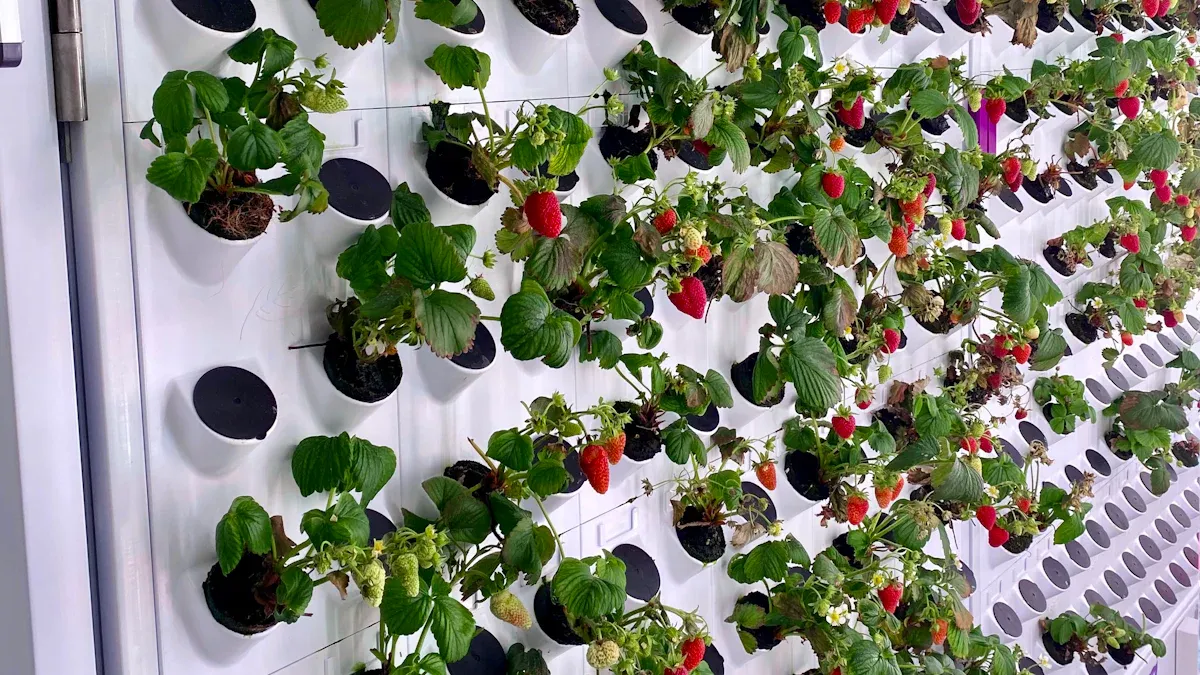
- Strawberries: These can produce fruit in a hydroponic setup, offering a rewarding experience.
Avoid heavy-feeding plants initially, as they require more complex nutrient management.
Nutrient Management
Nutrient management is crucial for successful hydroponics. Beginners should focus on a few key aspects:
- Use Hydroponic-Specific Nutrients: These solutions provide essential minerals without the risk of nutrient lockout.
- Monitor pH Levels: Regular testing ensures that nutrients remain available to plants. Aim for a pH between 5.5 and 6.5.
- Check Nutrient Concentration: An EC/PPM meter helps monitor nutrient levels, preventing underfeeding or overfeeding.
Common mistakes include neglecting maintenance, overcrowding plants, and ignoring early warning signs like yellowing leaves. By staying vigilant and adjusting as needed, beginners can enjoy a thriving hydroponic garden.
Setting Up Your Hydroponic Garden
Setting up a hydroponic garden can be an exciting adventure! Here’s a step-by-step guide to help you get started:
-
Choose Your Location: Find a spot with good light, whether it’s indoors or outdoors. If indoors, consider using grow lights to provide the necessary light for your plants.
-
Select Your Hydroponic System: Decide which hydroponic system suits your needs best. Beginners often find Deep Water Culture (DWC) or Ebb and Flow systems easy to manage.
-
Gather Your Supplies: You’ll need a few essential items:
- A reservoir for your nutrient solution
- A pump to circulate the water
- Net pots for your plants
- Growing medium like clay pellets or rock wool
- Nutrient solution specifically designed for hydroponics
-
Set Up Your System: Follow the instructions for your chosen system. Make sure everything is secure and functioning properly.
-
Mix Your Nutrient Solution: Fill your reservoir with water and mix in the nutrients according to the package instructions. This step is crucial for healthy plant growth.
-
Plant Your Seeds or Seedlings: Place your seeds or seedlings in the net pots filled with your chosen growing medium. Ensure the roots are in contact with the nutrient solution.
-
Monitor and Adjust: Keep an eye on your plants. Check the pH levels regularly and adjust the nutrient solution as needed.
Tip: Start with easy-to-grow plants like lettuce or herbs. They adapt well to hydroponic systems and can boost your confidence as you learn.
By following these steps, you’ll be well on your way to creating a thriving hydroponic garden. Remember, the hydroponic systems guide is here to help you every step of the way!
Advanced Hydroponic Techniques
Automation and Monitoring
Automation and monitoring can significantly enhance hydroponic systems. These technologies help growers maintain optimal conditions for plant growth. For instance, greenhouse control systems use IoT technology to monitor and adjust environmental parameters. They automate tasks like nutrient delivery and photoperiod management. Here are some key components of these systems:
- Sensors for measuring temperature and humidity.
- Timers for regulating lighting and nutrient supply.
- Controllers that gather data and manage operations.
- Automated environmental controls for CO2 levels and airflow.
- Automated nutrient delivery systems for precise management.
- Irrigation systems that control water delivery to plants.
By implementing these technologies, growers can improve efficiency and productivity in their hydroponic systems.
Vertical Hydroponics
Vertical hydroponics is a game-changer for maximizing space efficiency. This method allows growers to stack plants vertically, making it ideal for urban environments. With vertical systems, you can achieve up to ten times more produce per square foot compared to traditional methods. Here’s a quick look at the benefits:
| Metric | Value |
|---|---|
| Yield increase per square foot | Up to 10 times more produce |
| Plants per square foot | Up to 50 plants |
This approach not only saves space but also increases accessibility to light and nutrients, leading to healthier plants.
Integrating Aquaponics
Integrating aquaponics into hydroponic systems offers a sustainable alternative. While hydroponics relies on synthetic fertilizers, aquaponics uses fish waste as a nutrient source. This method reduces fertilizer use and recycles water, making it more efficient. Here are some differences between the two systems:
- Nutrient Use: Hydroponics uses synthetic fertilizers; aquaponics relies on fish waste.
- Water Use: Aquaponics recycles water, leading to lower overall consumption.
- System Complexity: Hydroponics focuses solely on plants, while aquaponics integrates fish and plants.
Aquaponics requires a longer startup period due to the need for fish biomass and beneficial bacteria to stabilize. However, once established, it can lead to a thriving ecosystem that benefits both plants and fish.
Hydroponic systems offer a modern approach to gardening that brings numerous advantages. They allow for faster growth rates, efficient water use, and precise nutrient control. With various systems available, such as Deep Water Culture and Nutrient Film Technique, there’s something for everyone, whether you’re a beginner or an experienced gardener.
Starting your own hydroponic garden can be a rewarding experience. It not only promotes self-sufficiency but also contributes to healthier eating habits. If you’re interested, explore resources like online courses and community groups to connect with fellow enthusiasts.
Remember, the hydroponic systems guide is here to help you every step of the way!
FAQ
What plants grow best in hydroponic systems?
Many plants thrive in hydroponic systems, including leafy greens like lettuce and spinach, herbs like basil and mint, and even strawberries. Beginners should start with these easy-to-grow options for a successful experience.
How often should I check my nutrient solution?
Check your nutrient solution at least once a week. Monitor pH levels and nutrient concentration to ensure optimal plant growth. Adjust as needed to keep your plants healthy and thriving.
Can I use regular garden soil in hydroponics?
No, regular garden soil is not suitable for hydroponics. Soil can introduce pests and diseases. Instead, use inert growing mediums like rock wool, clay pellets, or coconut coir for better results.
How much light do hydroponic plants need?
Hydroponic plants typically need 12 to 16 hours of light daily. If growing indoors, consider using LED grow lights to provide the right spectrum for photosynthesis and promote healthy growth.
Is hydroponics expensive to start?
Starting a hydroponic system can vary in cost. Basic setups can be affordable, while advanced systems may require more investment. However, the long-term benefits often outweigh initial expenses, especially in terms of yield and resource efficiency.