
The Role of Greenhouse Climate Control Systems in Smart Agriculture
Greenhouse Climate Control Systems are becoming a foundational technology in modern smart farming. By precisely regulating temperature, humidity, light intensity, and CO₂ levels, these systems create an optimized growing environment for crops year-round. With increasing adoption of greenhouse automation solutions and intelligent climate management platforms, farmers are able to achieve higher yields, improved crop quality, and more consistent production cycles.
As global agriculture shifts toward data-driven practices, climate-controlled greenhouse systems are no longer optional but essential for commercial-scale farming, especially for high-value crops such as tomatoes, strawberries, lettuce, and flowers.
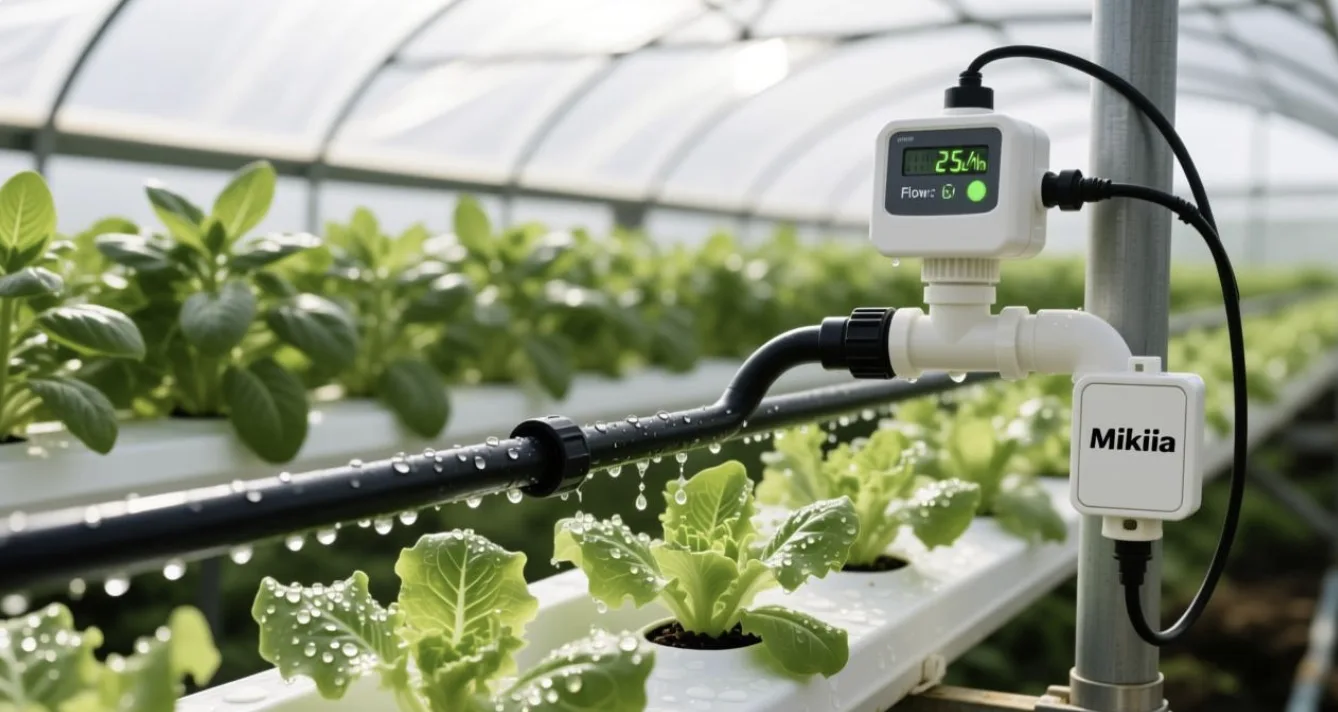
IoT-Enabled Smart Greenhouse Automation and Real-Time Monitoring
Modern greenhouse climate control solutions leverage IoT sensors and cloud-based platforms to enable real-time environmental monitoring and automation. These smart agriculture systems collect continuous data on soil moisture, air temperature, humidity, and sunlight exposure, allowing automated adjustments without human intervention.
Through intelligent algorithms, the system can activate ventilation, irrigation, shading, or heating systems based on crop requirements. This level of automation significantly improves operational efficiency and reduces labor dependency while supporting precision agriculture practices.
Integrated System Architecture and Core Technology Advantages
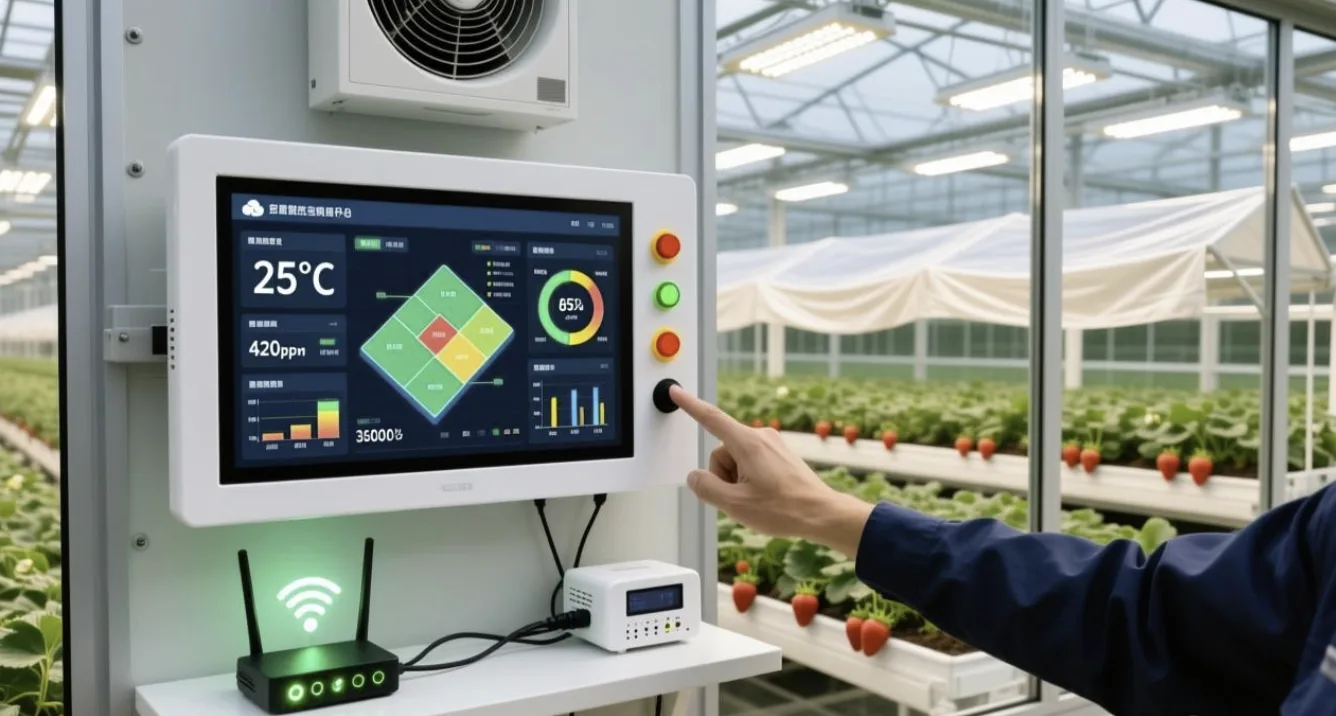
A complete greenhouse integrated solution typically includes environmental sensors, automated irrigation systems, ventilation units, shading systems, and a centralized control platform. These components work together seamlessly through smart greenhouse control software to maintain optimal growing conditions.
Advanced climate control technology enables predictive adjustments based on historical and real-time data, ensuring crops receive the ideal conditions for photosynthesis and growth. Cloud connectivity further allows remote monitoring and management, giving growers full control anytime and anywhere.
Benefits: Energy Efficiency, Yield Optimization, and Sustainable Farming
One of the biggest advantages of greenhouse climate control systems is improved resource efficiency. By optimizing water usage, fertilizer distribution, and energy consumption, growers can significantly reduce operational costs while increasing productivity.
In addition, stable growing environments enhance crop uniformity and quality, which directly improves market competitiveness. These systems also support sustainable agriculture by reducing waste and minimizing environmental impact, aligning with global green farming initiatives.
How to Choose the Right Greenhouse Climate Control Solution
When selecting a greenhouse climate control system provider, it is important to evaluate system scalability, integration capability, and data analytics features. A strong solution should support multiple sensor types, cloud-based control, and AI-driven decision-making tools.
Modular design is also essential, allowing growers to customize system configurations based on crop type, farm size, and environmental conditions. This flexibility ensures long-term adaptability and higher return on investment.
FAQ
What are Greenhouse Climate Control Systems?
They are automated systems designed to regulate temperature, humidity, light, and CO₂ levels inside a greenhouse to optimize plant growth conditions.
How do smart greenhouse systems improve crop yield?
By maintaining stable and optimized environmental conditions, these systems reduce stress on plants and enhance growth efficiency and productivity.
What role does IoT play in greenhouse automation?
IoT enables real-time data collection and remote control, allowing automated adjustments based on environmental changes and crop needs.
Are greenhouse climate control systems suitable for small farms?
Yes, modern systems are modular and scalable, making them suitable for both small and large agricultural operations.
Can greenhouse systems be monitored remotely?
Yes, cloud-based platforms allow farmers to monitor and control greenhouse conditions remotely via computer or mobile devices.
About Miikiia
We specialize in providing advanced Greenhouse Climate Control Systems integrated solutions for smart farming applications worldwide. Our company focuses on delivering complete agricultural automation systems designed to improve efficiency, productivity, and sustainability in modern farming.
Our product and service portfolio includes smart greenhouse control systems, environmental monitoring devices, automated irrigation systems, and IoT-based agricultural management platforms. We also offer customized solutions tailored to different crop types and farming environments.
With strong expertise in IoT integration, AI-driven analytics, and climate control engineering, we help agricultural businesses achieve precision farming, reduce operational costs, and transition toward sustainable agricultural production.