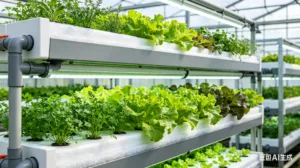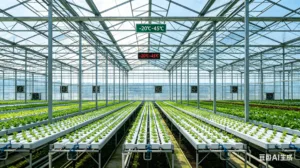
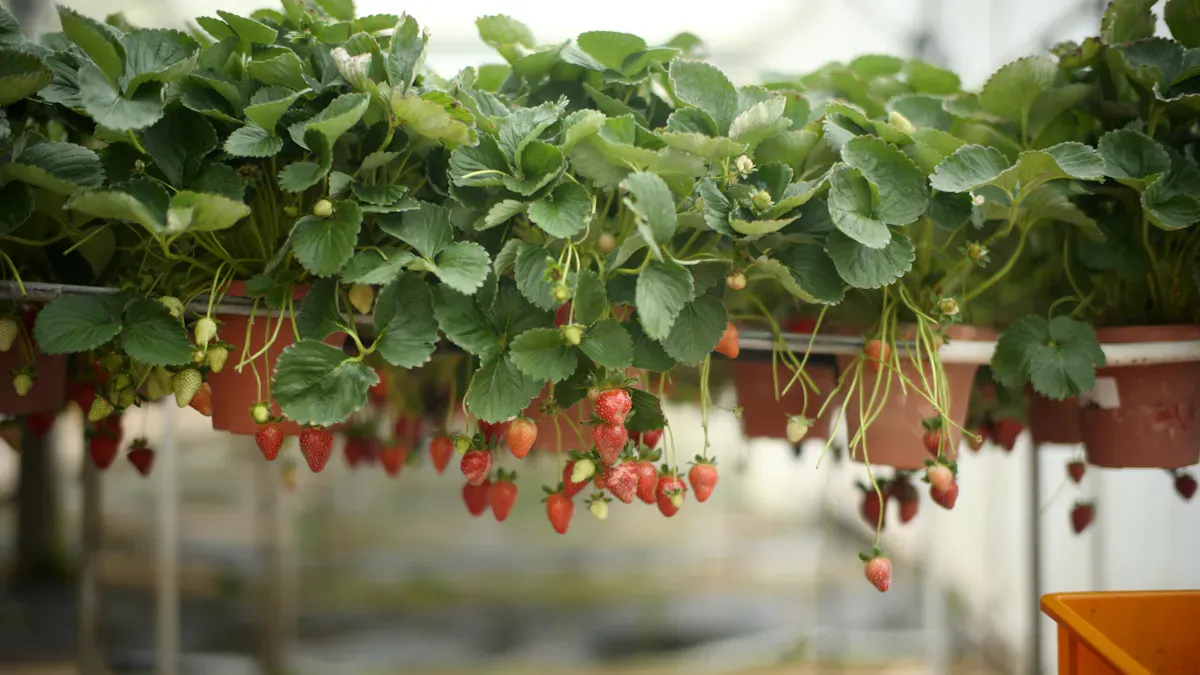
Hanging strawberry systems are a key component of vertical strawberry farming, effectively utilizing vertical space to enhance production in commercial greenhouses. These elevated strawberry gutter systems can yield up to 30% more strawberries per square meter compared to traditional soil-based systems. Additionally, they promote better air circulation and light exposure, which are vital for greenhouse space optimization and optimal growth conditions.
- Enhanced air circulation helps prevent fungal diseases like powdery mildew.
- Improved light distribution supports optimal growth conditions.
When considering the cost of installing hanging strawberry systems, it’s important to weigh the benefits against the potential increase in strawberry yield in greenhouses.
Key Takeaways
- Hanging strawberry systems can increase yields by up to 30% compared to traditional methods, making them a smart choice for commercial growers.
- These systems improve air circulation and light exposure, which helps prevent diseases and promotes healthier plants.
- Regular maintenance, including monitoring conditions and inspecting plants, is essential for maximizing the benefits of hanging strawberry systems.
Benefits of Hanging Strawberry Systems

Space Efficiency
Hanging strawberry systems maximize vertical space, allowing growers to cultivate more plants within limited greenhouse areas. Several configurations help achieve this goal:
- Vertical Strawberry Cultivation System: This method stacks plants in multiple layers, making it ideal for small spaces such as balconies or compact greenhouses.
- Hydroponic Strawberry Cultivation System: By growing strawberries in nutrient-rich water instead of soil, this system fits well in both indoor and outdoor environments while saving ground space.
- Container and Hanging Basket Strawberry Cultivation System: Small containers or baskets hang individually, offering flexibility and ease of management in confined areas.
- Aquaponic Strawberry Cultivation System: Combining fish farming with plant growth, this sustainable approach uses fish waste as nutrients, optimizing space and resources simultaneously.
These configurations allow commercial growers to increase planting density without overcrowding, which often limits traditional soil-based methods. The hanging strawberry system’s vertical design transforms unused overhead space into productive growing zones.
Yield Enhancement
The hanging strawberry system improves yield through several key factors. Hydroponic setups, in particular, optimize space by utilizing vertical areas efficiently. They also enhance drainage, preventing waterlogging that can stunt growth. Easier maintenance and cleaning in these systems reduce plant stress and promote consistent productivity.
Controlled environments within greenhouses further boost yields. Growers can regulate photoperiod, light intensity, and temperature to create ideal conditions for strawberry development. These controls accelerate fruit maturation and improve quality, resulting in higher marketable yields.
Tip: Adjusting light exposure and temperature precisely helps strawberries produce larger, sweeter fruits, increasing overall profitability.
By combining vertical space use with environmental control, hanging strawberry systems deliver superior output compared to traditional cultivation.
Improved Plant Health
Hanging strawberry systems contribute to healthier plants by enhancing air circulation and reducing disease risks. Elevating plants off the ground minimizes contact with soil-borne pathogens and pests. Better airflow around the foliage lowers humidity levels, which helps prevent fungal diseases such as powdery mildew.
Additionally, these systems facilitate easier monitoring and maintenance. Growers can quickly inspect plants for signs of stress or infection and apply treatments without disturbing the entire crop. The improved drainage in hydroponic hanging systems also reduces root rot and other moisture-related problems.
Overall, the hanging strawberry system supports robust plant growth by creating a cleaner, well-ventilated environment that encourages strong root and fruit development.
Implementing Hanging Strawberry Systems in Greenhouses
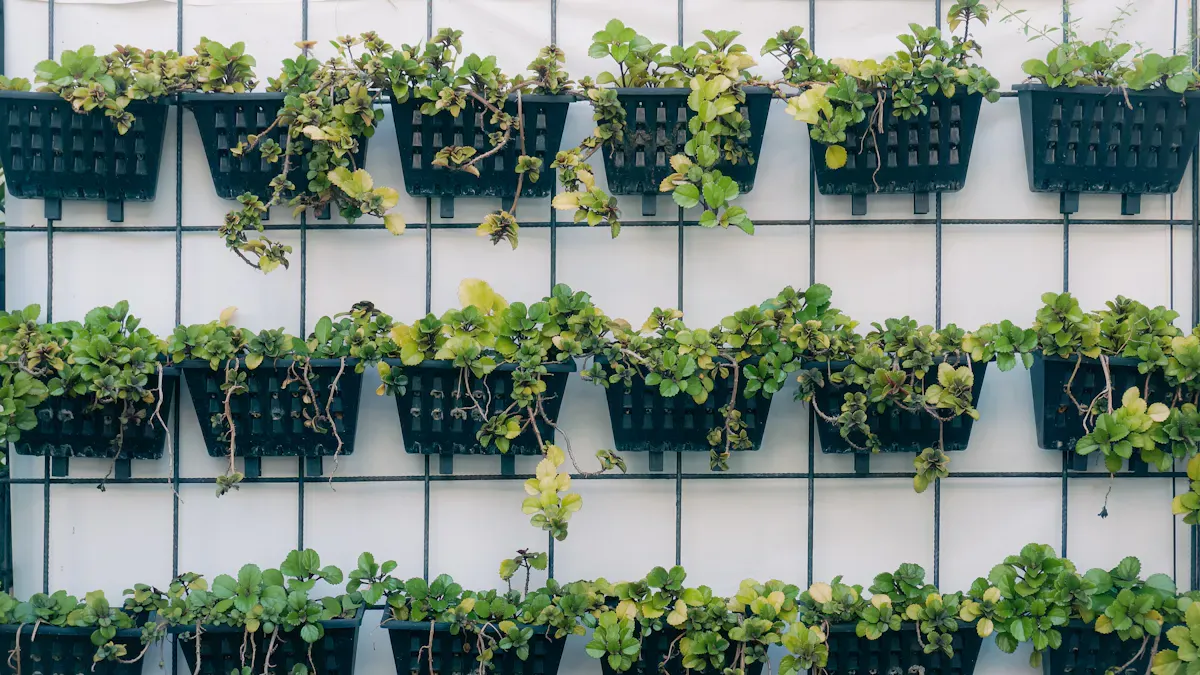
Selecting the Right System
Choosing the appropriate hanging strawberry system is crucial for maximizing space and yield in commercial greenhouses. Growers should consider several criteria when making this decision:
| Criteria | Description |
|---|---|
| Temperature Control | Strawberries thrive in cooler temperatures, ideally around 45°F at night and 75°F during the day. |
| Cultivar Selection | Experimenting with various cultivars helps determine which yields the best results in specific regions. |
| Container Types | Options include buckets, gutter systems, or hanging baskets; flexibility in container choice enhances adaptability. |
| System Design | Ergonomic designs, such as the Aerial Strawberry Gutter System, facilitate ease of maintenance and accessibility. |
Additionally, growers can explore various hanging strawberry systems available for commercial greenhouses, including hydroponic and aquaponic setups, which offer unique advantages in terms of space and resource efficiency.
Setup and Installation
Setting up a hanging strawberry system involves several key steps to ensure proper functionality and plant health:
- Assemble the Frame: Begin by constructing the support frame or hanging structure. Ensure it stands level and secure.
- Install Trays or Containers: Attach trays or containers at the appropriate height, leaving enough space between layers for adequate air circulation and light exposure.
- Add Planting Media: Fill trays or containers with suitable growing media, such as coco substrate or net cups.
- Plant the Strawberries: Place seedlings in the planting media, spacing them adequately to allow for growth.
- Set Up Irrigation: Connect drip irrigation or hydroponic lines if applicable. Check for leaks and test the water flow to ensure proper hydration.
- Check Drainage: Confirm that water drains effectively from each tray or container. Good drainage is essential for maintaining healthy roots.
Following these steps will help establish a productive environment for strawberry cultivation.
Maintenance Best Practices
Maintaining a hanging strawberry system requires regular attention to ensure optimal plant health and productivity. Here are some best practices:
- Monitor Environmental Conditions: Regularly check temperature, humidity, and light levels. Adjust as necessary to maintain ideal growing conditions.
- Inspect Plants Frequently: Conduct routine inspections for signs of pests or diseases. Early detection allows for timely intervention.
- Maintain Irrigation Systems: Regularly clean and check irrigation lines to prevent clogs and ensure consistent water delivery.
- Prune and Train Plants: Pruning helps manage plant size and encourages better air circulation. Training plants to grow in a specific direction can optimize space usage.
- Fertilize Appropriately: Use balanced fertilizers tailored for strawberries to support healthy growth and fruit production.
By adhering to these maintenance practices, growers can enhance the longevity and productivity of their hanging strawberry systems.
Case Studies and Success Stories
Commercial Grower Examples
Several commercial growers have successfully transitioned to hanging strawberry systems, showcasing significant improvements in productivity. For instance, a grower in California reported a 40% increase in yield after switching to a hydroponic hanging system. This grower utilized elevated gutters to enhance air circulation and light exposure, resulting in healthier plants and better fruit quality.
Yield Comparisons
Yield comparisons between hanging and traditional systems reveal substantial advantages for the former. A recent study documented that hydroponic hanging systems produced yields of 1.2 to 1.5 kg per plant. In contrast, traditional methods yielded significantly less due to less optimized conditions. The following table summarizes these findings:
| Method | Yield (kg/plant) | Notes |
|---|---|---|
| Hydroponic (hanging) | 1.2 – 1.5 | Increased planting density and optimized micro-climatic conditions. |
| Traditional | N/A | Lower yields due to less optimized conditions and planting density. |
Lessons Learned
Growers faced several challenges when transitioning to hanging systems. The following table outlines common issues and their solutions:
| Challenge | Solution |
|---|---|
| High incidence of root and crown diseases | Elevated crops in metal gutters eliminate soil contact, control drainage, and reduce pathogen pressure. |
| Lack of uniformity in irrigation and nutrition | Controlled fertigation in gutters ensures uniform water and nutrient distribution. |
| Low labor efficiency | Elevated gutters allow for ergonomic working conditions, increasing productivity. |
| Underutilization of greenhouse space | Hanging gutters optimize planting density and space management. |
| Inconsistent fruit quality | Elevation keeps strawberries clean and well-ventilated, improving quality and reducing waste. |
| Lack of scalability and control | Hanging systems integrate with automation and climate control for better scalability. |
These case studies illustrate that hanging strawberry systems not only enhance yields but also address common challenges faced by growers, making them a viable option for modern agricultural practices.
Hanging strawberry systems represent a transformative approach for commercial greenhouses. They maximize space and yield through vertical farming techniques. Key benefits include:
- Improved space efficiency by utilizing vertical areas.
- Enhanced pest control, acting as a barrier against common pests.
- Increased yield by streamlining labor and improving crop quality.
| Sustainability Contribution | Description |
|---|---|
| Year-Round Production | Ensures a steady supply of strawberries, meeting consumer demand without needing extensive farmland. |
| Water Conservation | Utilizes advanced irrigation systems to minimize water usage. |
| Reduced Carbon Footprint | Design promotes natural airflow and gravity for temperature regulation, lowering energy needs. |
Growers should consider these systems to enhance their operations and contribute to sustainable agriculture.
FAQ
What are the main advantages of using hanging strawberry systems?
Hanging strawberry systems maximize space, enhance yields, and improve plant health by promoting better air circulation and reducing disease risks.
How do I maintain a hanging strawberry system?
Regularly monitor environmental conditions, inspect plants for pests, maintain irrigation systems, and prune as needed to ensure optimal growth.
Can I use organic methods in hanging strawberry systems?
Yes, growers can implement organic practices, such as using organic fertilizers and pest control methods, in hanging strawberry systems.