
How Are Vertical Plant Walls Used in Shopping Mall Landscaping?
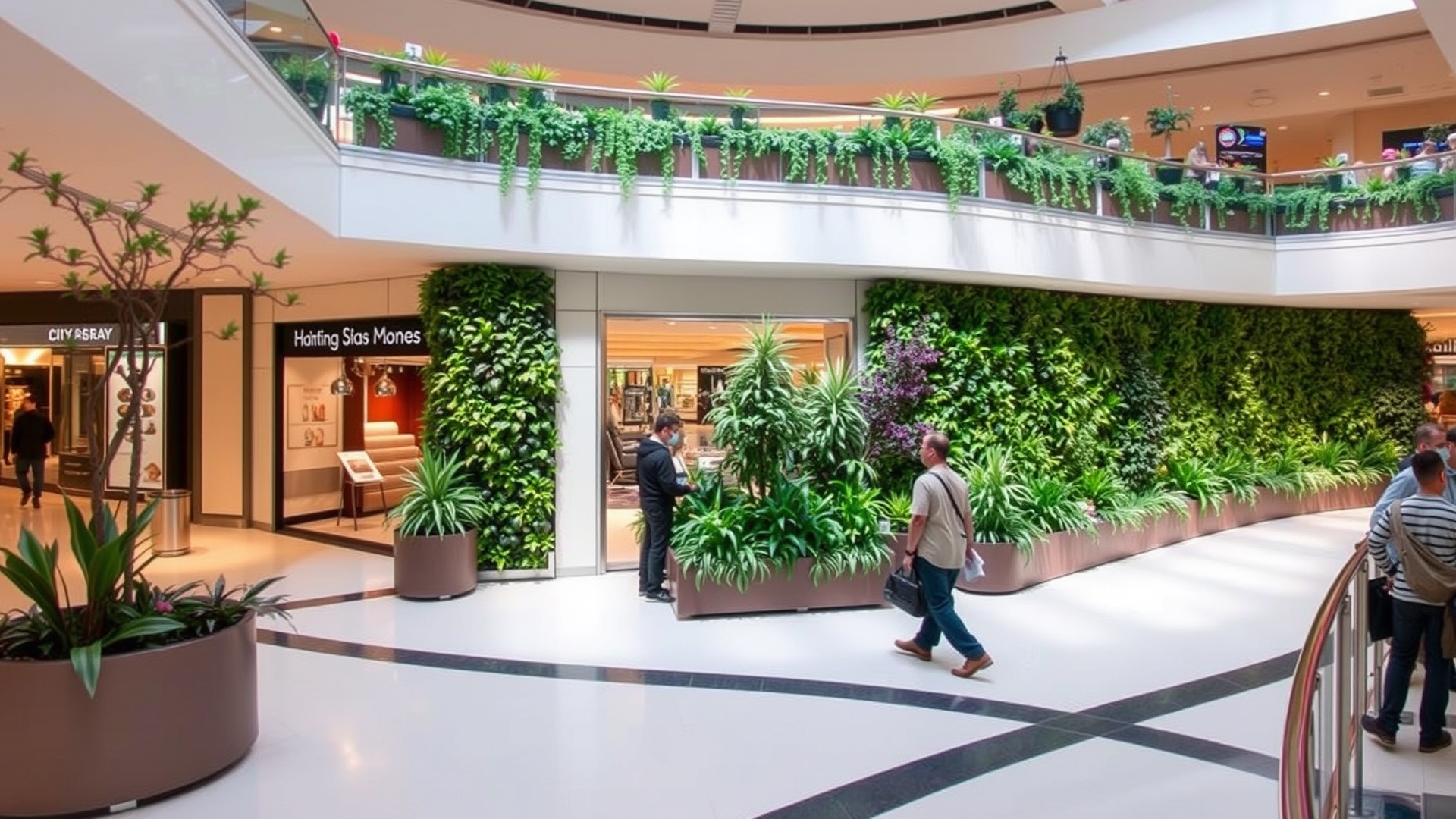
Vertical plant walls have become a transformative element in shopping mall landscaping, offering retailers and property managers an innovative way to integrate greenery into urban commercial spaces. These living walls maximize aesthetic appeal while addressing space constraints common in modern retail environments. This comprehensive guide explores the applications, benefits, design considerations, and maintenance requirements of vertical planting systems in shopping center landscapes. For those looking to optimize their online presence alongside these physical installations, exploring
What Are Vertical Plant Walls in Commercial Settings?
Vertical plant walls, also known as living walls or green facades, are hydroponic planting systems mounted on vertical surfaces. In shopping mall applications, these structures transform bare walls into thriving ecosystems. Unlike traditional container planting, vertical walls use specialized modular systems that support plant growth without soil exposure. The Container Plant Factory approach demonstrates how controlled environments can support plant health in commercial settings. These installations range from small accent pieces to entire building facades spanning multiple stories.
Key Benefits for Shopping Mall Landscaping
Shopping malls derive multiple advantages from vertical plant wall installations. First, these systems significantly improve indoor air quality by filtering pollutants and producing oxygen. Second, living walls create natural sound dampening that reduces ambient noise in busy retail zones. Third, the visual impact attracts customers and encourages extended shopping sessions. Fourth, vertical gardens provide natural insulation, reducing heating and cooling costs. Fifth, these installations demonstrate environmental commitment, appealing to eco-conscious consumers. Organizations seeking to demonstrate their commitment to quality standards often align with frameworks provided by ISO standards for environmental management.
Types of Vertical Planting Systems for Malls
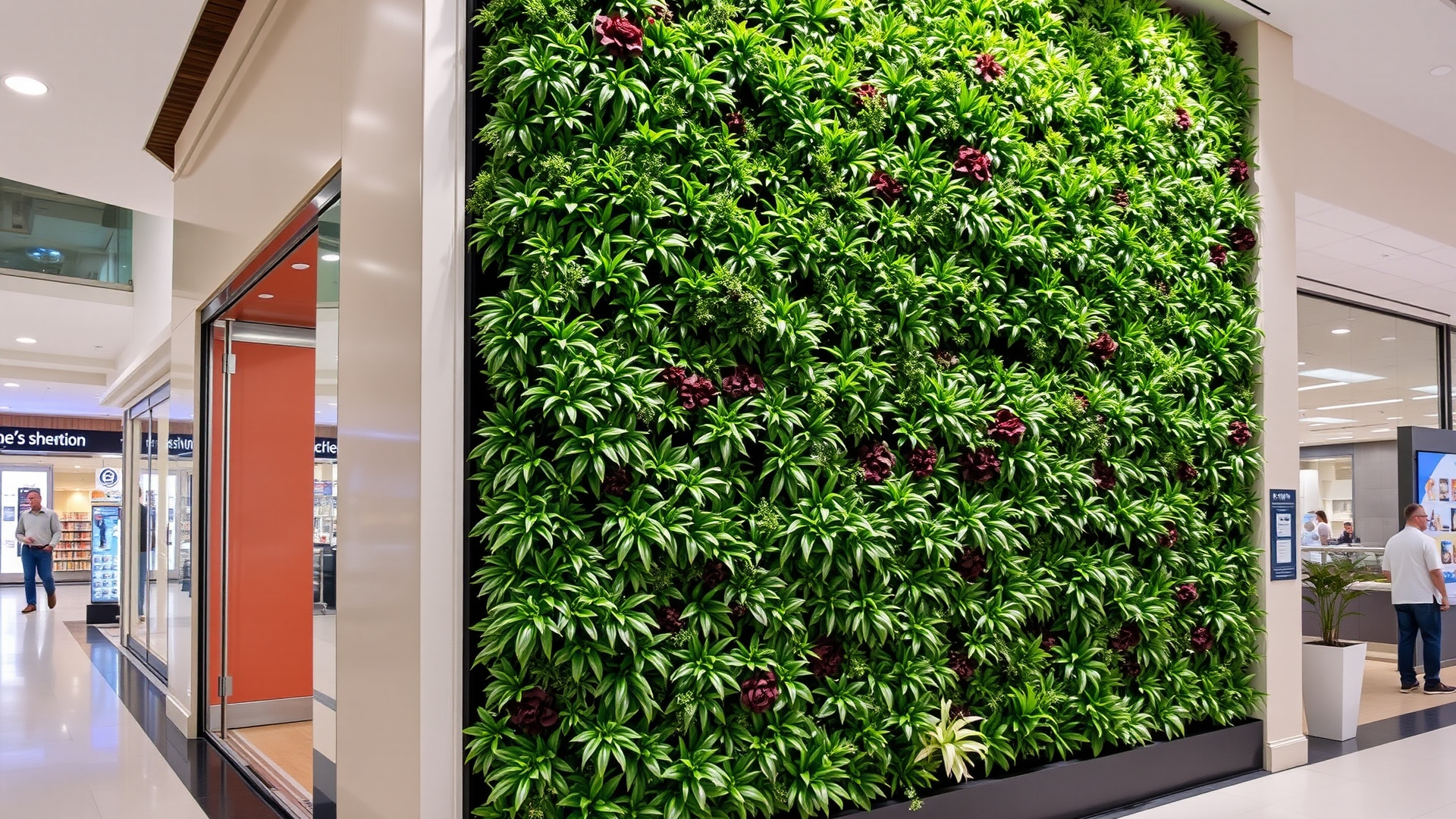
Shopping centers can select from several vertical planting technologies. Felt pocket systems offer affordable installation with reasonable maintenance requirements. Modular panel systems provide superior plant diversity and easier replacement. Hydroponic vertical systems, such as those using Black and White Channels, deliver efficient nutrient delivery for larger installations. Frame-mounted systems work well for irregular wall shapes. Each technology presents distinct advantages for specific mall environments and budget allocations. For specialized growing environments, Single-span Greenhouse technology provides additional options for plant propagation and acclimation before mall installation.
Design Considerations for Mall Installations
Successful vertical wall design requires careful planning across multiple factors. Lighting assessment determines suitable plant species and may necessitate supplemental grow lights. Structural load calculations ensure walls can support the weight of saturated growing media and hardware. Proximity to water sources and drainage connections influences system selection. Traffic flow patterns should guide placement to prevent damage while maximizing visibility. The integration with existing mall architecture, including Vertical Planters and other landscape elements, creates cohesive visual experiences.
Plant Selection for Indoor Mall Environments
Indoor vertical gardens require plants adapted to controlled environments with consistent temperatures. Tropical species like pothos, philodendrons, and ferns thrive in mall conditions. Flowering plants including orchids and peace lilies add color accents. Herbs such as basil and mint serve dual decorative and practical purposes. Succulents work well in areas with brighter natural light. The growing conditions within controlled environments, similar to those found in PC board Greenhouse structures, directly influence plant survival rates and visual outcomes.
Maintenance Requirements and Schedules
Vertical plant walls demand consistent maintenance protocols to preserve their appearance and plant health. Daily tasks include visual inspections for pest activity and irrigation system function. Weekly maintenance involves checking moisture levels and removing dead foliage. Monthly responsibilities encompass fertilizer application and system calibration. Quarterly reviews should assess plant replacement needs and structural integrity. Professional maintenance contracts typically cover comprehensive care including seasonal plant rotations.
Irrigation and Watering Systems
Automated irrigation represents a critical component of viable vertical wall installations. Drip systems deliver water directly to plant root zones with minimal waste. Ebb-and-flow systems provide periodic saturation cycles ideal for certain species. Misting systems support humidity-loving tropical plants. Smart controllers with moisture sensors optimize watering schedules based on environmental conditions. The irrigation approach must align with the specific plant communities and local water regulations governing commercial properties.
Cost Considerations and ROI Analysis
Vertical plant wall investments span initial installation costs and ongoing operational expenses. Initial costs range from $150 to $500 per square foot depending on system complexity. Annual maintenance typically costs 15-25% of initial installation expense. Return on investment manifests through increased customer dwell time, enhanced property values, and reduced energy consumption. Many malls achieve positive ROI within three to five years through improved tenant satisfaction and leasing rates. Security considerations for these connected systems should follow guidelines from NIST cybersecurity resources to protect IoT-enabled irrigation controls.
Installation Process Overview
The installation of shopping mall vertical gardens follows a structured sequence. Initial phases include site assessment, structural engineering review, and system specification. Subsequent stages encompass wall preparation and mounting frame installation. Following this, growers install irrigation infrastructure and growing media. Plant installation follows, typically beginning with established specimens. Final phases involve system testing, staff training, and handover documentation. Professional installation teams require approximately two to four weeks for typical mall-scale projects.
Regulatory Compliance and Standards
Shopping mall vertical installations must adhere to various building and safety standards. Fire codes often regulate materials used in vertical planting systems. Accessibility guidelines, including those outlined by the W3C Web Content Accessibility Guidelines, ensure installations do not obstruct pathways or create hazards. Local health regulations may apply when edible plants are included. Structural permits verify load-bearing capacity. Environmental certifications can enhance marketing value for sustainable mall operations.
Seasonal Adaptations and Rotations
Maintaining visual interest throughout the year requires strategic plant rotation planning. Spring installations feature blooming annuals and fresh foliage. Summer displays emphasize heat-tolerant tropical species. Fall rotations incorporate plants with autumn coloring. Winter arrangements utilize evergreens and structural foliage plants. Some malls partner with Multi-span Greenhouse facilities for seasonal plant production and acclimation. Planning rotations six months in advance ensures continuous aesthetic appeal.
Technology Integration in Modern Installations
Contemporary vertical garden technology incorporates advanced monitoring and control systems. IoT sensors track soil moisture, light levels, and nutrient concentrations in real time. Mobile applications enable facility managers to monitor system status remotely. Automated alerts notify maintenance teams of anomalies requiring attention. Data analytics help optimize growing conditions and predict maintenance needs. These technological integrations, similar to digital transformation approaches outlined in
Sustainability Benefits and Environmental Impact
Vertical plant walls contribute meaningfully to sustainable mall operations. These installations sequester carbon dioxide and produce oxygen within occupied spaces. Living walls reduce urban heat island effects in surrounding areas. Plant-based filtration systems decrease airborne particulate matter. Water-efficient hydroponic systems use significantly less water than traditional landscaping. The environmental advantages align with corporate sustainability goals and green building certification requirements.
Common Challenges and Solutions
Vertical garden implementations face several recurring challenges that require proactive management. Uneven water distribution causes inconsistent plant health across installations. Root competition reduces vigor in densely planted areas. Pest infestations spread rapidly through connected growing media. Lighting deficiencies result in leggy growth patterns. Solutions include regular system calibration, strategic plant spacing, integrated pest management protocols, and supplemental lighting installations where natural illumination proves insufficient.
Future Trends in Mall Vertical Landscaping
The vertical garden industry continues evolving with emerging technologies and design approaches. Biophilic design principles increasingly influence mall architecture and tenant requirements. Edible vertical gardens featuring herbs and vegetables gain popularity in food court areas. Interactive installations responding to human presence create engaging experiences. Modular systems enabling easy reconfiguration support dynamic retail environments. Advances in growing technology, similar to developments in Hanging Strawberry System vertical farming, promise improved efficiency and plant performance.
Selection Checklist for Mall Operators
Property managers evaluating vertical plant wall options should consider multiple factors:
- Available wall dimensions and structural load capacity
- Natural and artificial lighting conditions
- Budget allocation for installation and annual maintenance
- Staff capabilities for ongoing care requirements
- Tenant and customer demographics influencing design preferences
- Local climate and environmental conditions affecting plant selection
- Brand alignment and aesthetic integration with mall identity
- Vendor support and warranty provisions
- References from comparable commercial installations
- Compliance with relevant building and accessibility standards
Conclusion
Vertical plant walls represent a sophisticated solution for shopping mall landscaping that addresses aesthetic, environmental, and commercial objectives. Successful implementation requires thoughtful system selection, professional installation, and ongoing maintenance commitment. Shopping centers investing in living wall technology achieve measurable improvements in customer experience, operational efficiency, and sustainability metrics. As technology advances and design options expand, vertical planting systems will continue becoming standard features in modern retail environments.
Frequently Asked Questions
How long do vertical plant walls last in shopping malls?
Properly maintained vertical plant walls typically remain functional for 10-15 years, with component replacement occurring as needed. Individual plants require replacement every 1-3 years depending on species and growing conditions.
What is the ideal location within a mall for vertical gardens?
Optimal locations feature adequate natural or artificial lighting, proximity to water sources, minimal direct foot traffic contact, and high visibility from customer pathways. Atriums, elevator banks, and food court perimeters commonly feature successful installations.
Can vertical plant walls be installed in existing malls without major renovations?
Most modular vertical garden systems can retrofit existing spaces without significant structural modifications. Professional assessment ensures wall conditions support installation weight and mounting requirements.
How much water do vertical plant walls consume monthly?
Water consumption varies based on system size, climate control, and plant types. A typical 100-square-foot vertical garden uses 500-1500 gallons monthly, significantly less than equivalent traditional landscaping.
Do vertical plant walls attract pests that could affect mall visitors?
Indoor vertical gardens rarely attract flying insects problematic to visitors. Professional integrated pest management maintains healthy plants while preventing pest populations that could cause disturbances. Common pests include fungus gnats and spider mites, which remain contained within growing structures.