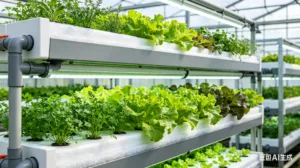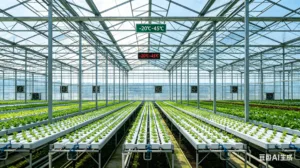
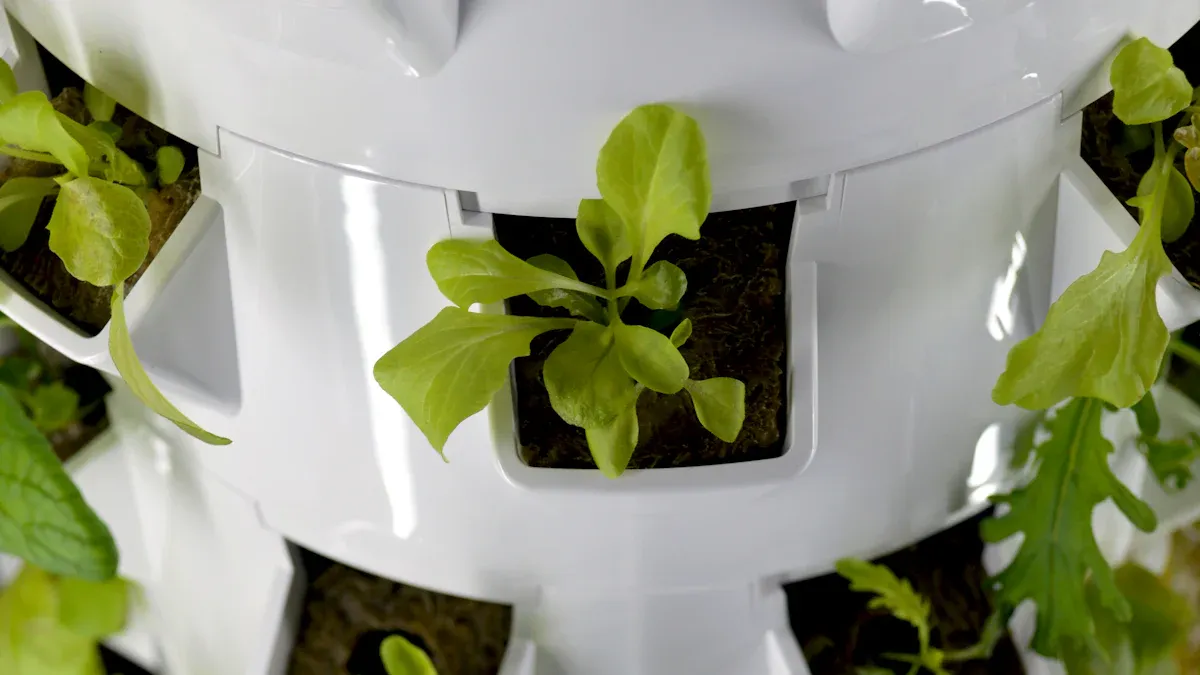
Hydroponic channels serve as vital components in a hydroponic system, facilitating the efficient delivery of nutrients directly to plant roots and significantly enhancing growth. With these channels, growers can achieve optimal water and nutrient circulation, promoting healthier plants. Recent studies indicate that hydroponic systems, which support soil-less cultivation, can reduce water usage by up to 90% compared to traditional soil-based systems, while also maintaining or even increasing crop yields. This efficiency makes hydroponic channels indispensable in modern agriculture, especially in commercial growing systems. Additionally, the integration of vertical greening techniques and advanced greenhouse equipment further optimizes the growing environment, ensuring sustainable practices for the future.
Key Takeaways
- Hydroponic channels deliver nutrients directly to plant roots, promoting faster growth and healthier plants.
- These systems can save up to 90% more water than traditional farming, making them a sustainable choice for agriculture.
- Regular maintenance, including cleaning and monitoring nutrient levels, is essential for optimal performance and plant health.
- Hydroponic channels can increase crop yields by up to 50%, providing a significant advantage for growers.
- Understanding the design and flow rate of hydroponic channels can enhance nutrient absorption and overall plant productivity.
Anatomy of Hydroponic Channels
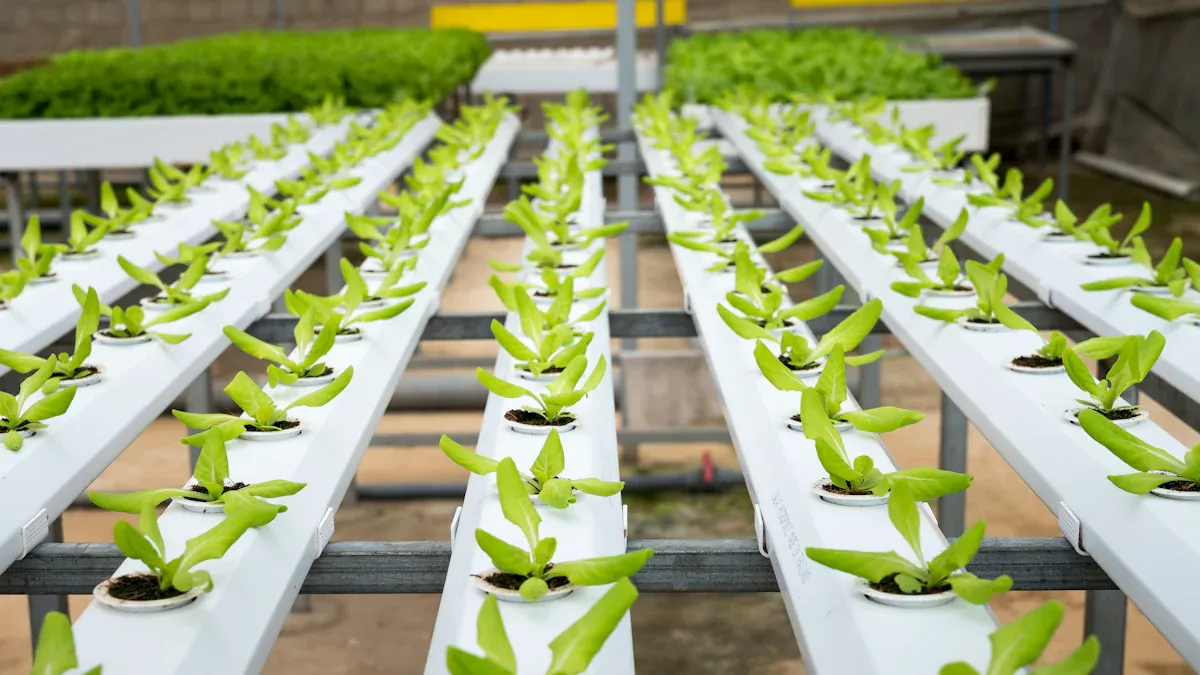
Hydroponic channels are designed with specific features that enhance their functionality within a hydroponic system. These channels typically consist of various materials, each offering unique advantages that contribute to the overall efficiency of nutrient delivery.
Key Materials Used in Hydroponic Channels
The construction of hydroponic channels often involves materials such as:
| Material | Advantages |
|---|---|
| Coconut Coir | Retains moisture and provides aeration, suitable for flood and drain or wick systems. |
| Vermiculite | Retains moisture and creates air pockets, but may compact over time if not managed properly. |
| Perlite | Lightweight, provides oxygen for optimal root environment, but struggles with humidity levels. |
| Rockwool | High saturation abilities and proper ventilation, ideal for seed starting. |
Additionally, growers often utilize food-grade PVC pipes for DIY channels in smaller setups. These pipes are easily modified for net pots. For professional setups, UV-resistant plastic channels are preferred due to their lighter weight and optimized design.
Design Features Influencing Nutrient Flow
The design of hydroponic channels significantly impacts the flow rate and distribution of nutrients. For instance, in Nutrient Film Technique (NFT) systems, channels are slightly sloped to allow a continuous flow of nutrient-rich water over plant roots. This design ensures that plants receive a consistent supply of nutrients while minimizing water usage. The angle of the channels is crucial for maintaining efficient water and nutrient distribution, which helps prevent contamination of local groundwater.
Dimensions and Shapes of Hydroponic Channels
Commercial hydroponic systems often feature channels with specific dimensions and shapes. For example, NFT channels typically have a trapezoidal shape with dimensions of 100x50mm. The center part of the channel is designed to be 55mm wide, allowing water to flow efficiently. This design conserves both water and fertilizer, making it ideal for various crops.
| Dimension | Length Options | Thickness | Hole Size | Hole Distance | Hole Shape |
|---|---|---|---|---|---|
| 100X50mm | 2.9m, 5.8m, Custom | 1.8 or 2.0mm | Diameter 50mm | 150mm | Round, Square, Rectangular |
Impact on Plant Health
The configuration of hydroponic channels also affects root development and overall plant health. In Deep Water Culture (DWC) systems, roots are suspended in a nutrient solution, allowing for direct nutrient absorption and ensuring adequate aeration through an air pump. This setup promotes optimal nutrient absorption, leading to healthier plants and higher yields. Conversely, NFT systems create a dark channel environment that enhances root development, making them suitable for fast-growing plants like lettuce and herbs.
Maintenance Practices
To ensure optimal performance, regular maintenance of hydroponic channels is essential. Establishing a routine cleaning schedule helps prevent blockages and ensures efficient water flow. Recommended practices include:
- Daily checks of water levels and plant health to spot issues early.
- Weekly testing and adjustment of pH and EC levels to maintain the nutrient solution’s optimal range.
- Bi-weekly changes of the nutrient solution to prevent depletion and mineral buildup.
- Monthly deep cleaning of the reservoir and pump to eliminate algae and bacteria.
- Quarterly calibration of pH and EC meters for accurate readings.
By adhering to these maintenance practices, growers can maximize the efficiency of their hydroponic systems.
Nutrient Delivery Process

The nutrient delivery process in hydroponic channels is crucial for ensuring that plants receive the essential elements they need for growth. This process begins with the introduction of a nutrient solution from a reservoir, which is then circulated through the channels to reach the plant roots.
- Introduction of Nutrient Solution:
- A pump draws the nutrient solution from a reservoir.
- The solution flows through the channels by gravity, allowing it to pass over the exposed roots.
- After reaching the end of the channels, the solution is collected and returned to the reservoir for recirculation.
In smaller systems, growers typically use a submersible pump inside the reservoir. Larger systems often require a pool-type centrifugal pump, which should be rated for continuous duty and sized to overcome delivery height and friction loss.
The flow rate of the nutrient solution significantly impacts plant growth and nutrient uptake. Research indicates that optimal flow rates between 2 L/min and 4 L/min enhance plant yield. Rates exceeding this range can lead to decreased growth. Increased flow rates improve root length and surface area, which are critical for nutrient absorption.
Tip: Maintaining the right flow rate is essential for maximizing nutrient uptake and promoting healthy plant growth.
The design of hydroponic channels, particularly in the Nutrient Film Technique (NFT), ensures uniform distribution of nutrients. The channels are arranged to facilitate efficient water flow, with the angle of the grow tray promoting movement toward the return pipe. This setup allows roots to be exposed to a thin film of nutrient solution, enabling both nutrient absorption and access to oxygen.
Monitoring the pH and electrical conductivity (EC) of the nutrient solution is vital for plant health. Most plants thrive in a pH range of 5.6 to 6.5, where nutrient availability is optimal. Deviations can lead to nutrient deficiencies or toxicity. The ideal EC range for most plants is between 0.5 and 2.5 mS/cm. Values outside this range can harm plant growth.
| Challenge | Solution |
|---|---|
| Sensor calibration and maintenance | Calibrate pH and EC sensors every two weeks and clean them regularly to ensure accuracy. |
| Preventing clogs and blockages | Use filters, clean the reservoir and tubing regularly, and flush the system monthly. |
| Managing power outages | Implement a backup power source and test it monthly to maintain system reliability. |
By addressing these challenges, growers can ensure a consistent and effective nutrient delivery process, ultimately leading to healthier plants and improved yields.
Benefits of Hydroponic Channels
Hydroponic channels offer numerous advantages that enhance the efficiency and sustainability of modern agriculture. Here are some key benefits:
-
Water Conservation: Hydroponic systems can use up to 90% less water compared to traditional soil-based agriculture. The recirculation of water minimizes evaporation and runoff, making hydroponics a sustainable choice, especially in arid regions where water is scarce.
-
Increased Crop Yields: Hydroponic channels allow plants to absorb nutrients directly from the water. This direct delivery leads to faster growth rates, as plants do not expend energy searching for nutrients. Studies show that hydroponically grown plants can mature 30-50% faster than those grown in soil. Additionally, hydroponic systems can yield up to five times larger harvests compared to traditional methods.
-
Reduced Risk of Plant Diseases: Growing plants without soil significantly lowers the chances of pests and diseases. Hydroponic systems enhance nutrient absorption while minimizing the risk of soil-borne pathogens. Research indicates that hydroponics can suppress certain pathogens more effectively than traditional methods.
-
Space Efficiency: Hydroponic channels facilitate space-efficient cultivation, making them ideal for urban environments. Vertical farming techniques enable growers to utilize underused spaces, such as rooftops and walls. Some column-shaped hydroponic systems can accommodate 20-52 plants in just 2.5 square feet.
-
Environmental Benefits: Hydroponic systems contribute to a healthier ecosystem. They eliminate the need for chemical pesticides, reducing harmful runoff into water sources. By creating a controlled environment, hydroponics protects plants naturally, promoting environmental sustainability.
Comparison with Other Hydroponic Systems
Hydroponic channels, particularly those utilizing the Nutrient Film Technique (NFT), offer distinct advantages and challenges when compared to other hydroponic systems like Deep Water Culture (DWC) and aeroponics. Understanding these differences can help growers choose the best system for their needs.
Cost Considerations
The initial investment and ongoing costs vary significantly among hydroponic systems. The following table outlines key cost features:
| Feature | Nutrient Film Technique (NFT) | Deep Water Culture (DWC) | Notes |
|---|---|---|---|
| Core System Cost (Hardware/Install) | Potentially Higher (Relative) | Potentially Lower (Basic), Higher (RDWC/Large Ponds) | DWC may be $1.90-$2.75/sq ft cheaper for basic hardware. |
| Infrastructure | Significant ($2.50-$5.00/sq ft/year range) | Significant ($2.50-$5.00/sq ft/year range) | DWC may need stronger structural support. |
| Total Farm Cost (Example Ranges) | Base 500 sq ft: Up to $110k USD. Large/Auto: $500k-$800k per 1000 sq ft. | Base 500 sq ft: Up to $110k USD. Large/Auto: $500k-$800k per 1000 sq ft. | Benchmarks vary widely by location, automation, design. |
Growth Rates
Hydroponic channels excel in delivering nutrients directly to plant roots, resulting in faster growth rates compared to traditional substrate systems. Notably:
- Hydroponic systems provide faster growth rates than traditional substrate systems due to direct nutrient delivery to the roots.
- Aeroponic systems offer the fastest growth rates among hydroponic methods because of higher oxygen availability.
- Substrate systems result in steady growth but do not match the rapid growth potential of hydroponic and aeroponic systems.
Maintenance Requirements
Maintenance practices differ across hydroponic systems. The following table summarizes the frequency and tasks involved:
| Frequency | Tasks |
|---|---|
| One-Time | Environment Setup, System Setup, EC Baseline Check, System Activation |
| Once a Week | Top Up Water, Check & Adjust EC Level, Check & Adjust PH Level |
| Once a Month | Refresh Reservoir, Water Pump Maintenance |
| Once A Season | Remove Plants, Clean system and its parts, Disinfect System and its parts, Plant New Plants |
Hydroponic channels (NFT systems) require regular checks and cleaning to prevent blockages. In contrast, DWC systems focus more on water temperature control and nutrient balance.
Scalability
Hydroponic channels, especially in NFT systems, offer significant advantages for large-scale agricultural operations. They promote resource efficiency, fast growth cycles, and lower labor intensity. However, challenges arise when scaling, including risks of system failure, crop limitations, maintenance demands, and infrastructure costs. Growers must evaluate these factors carefully to determine the overall scalability of NFT systems compared to other hydroponic methods.
Hydroponic channels play a crucial role in modern agriculture by enhancing nutrient delivery and promoting efficient plant growth. These channels allow for precise control over nutrient flow, which can increase crop yield by up to 50% while using 80% less water than traditional agriculture. Understanding their function helps optimize hydroponic systems for better yields. For instance, maintaining proper flow rates and channel design can significantly impact plant health and productivity.
Tip: Regular monitoring of nutrient levels and environmental conditions can lead to a 10% to 20% increase in crop yields.
As the demand for sustainable farming practices grows, hydroponic channels will continue to be essential in addressing food security challenges.
FAQ
What are hydroponic channels made of?
Hydroponic channels typically consist of materials like food-grade PVC, UV-resistant plastics, or other lightweight materials. These materials ensure durability and optimize nutrient delivery while minimizing algae growth.
How do hydroponic channels improve plant growth?
Hydroponic channels deliver nutrients directly to plant roots, allowing for faster absorption. This direct access leads to quicker growth rates and healthier plants compared to traditional soil-based methods.
Can I use hydroponic channels for all types of plants?
Yes, hydroponic channels can support a wide variety of plants, including leafy greens, herbs, and fruiting crops. However, specific channel designs may suit certain plants better than others.
How often should I clean hydroponic channels?
Regular maintenance is crucial. Growers should clean hydroponic channels at least once a month to prevent blockages and ensure optimal nutrient flow.
What is the ideal flow rate for nutrient solutions in hydroponic channels?
The optimal flow rate for nutrient solutions typically ranges between 2 L/min and 4 L/min. Maintaining this range enhances nutrient uptake and promotes healthy plant growth.