Choosing the right greenhouse structure is crucial for farmers. The right choice can boost crop yield by up to 40% compared to traditional open-field farming. This improvement comes from advanced greenhouse climate control systems that help plants thrive. Additionally, understanding the various greenhouse structure types affects operational efficiency. For instance, freestanding greenhouses maximize sunlight, while ridge and furrow systems optimize space. When farmers consider these factors, including the best greenhouse for vegetables, they set themselves up for success in growing healthy crops and running efficient operations. A comprehensive greenhouse installation guide can further assist in making informed decisions, while exploring multi-span greenhouse benefits can enhance productivity and sustainability.
Key Takeaways
- Choosing the right greenhouse can boost crop yield by up to 40%. Consider your specific crop needs and local climate for the best results.
- Glass greenhouses offer excellent light transmission but come with high costs and maintenance. Weigh these factors against your budget and crop types.
- Polycarbonate greenhouses provide durability and better insulation, making them a cost-effective choice in the long run. They are ideal for areas with severe weather.
- Hoop houses are affordable and easy to construct, making them perfect for beginners. They extend the growing season and protect crops from harsh conditions.
- Always assess your local climate, crop types, and budget before selecting a greenhouse. A well-informed choice leads to long-term farming success.
Types of Greenhouse Structures
Traditional Glass Greenhouses
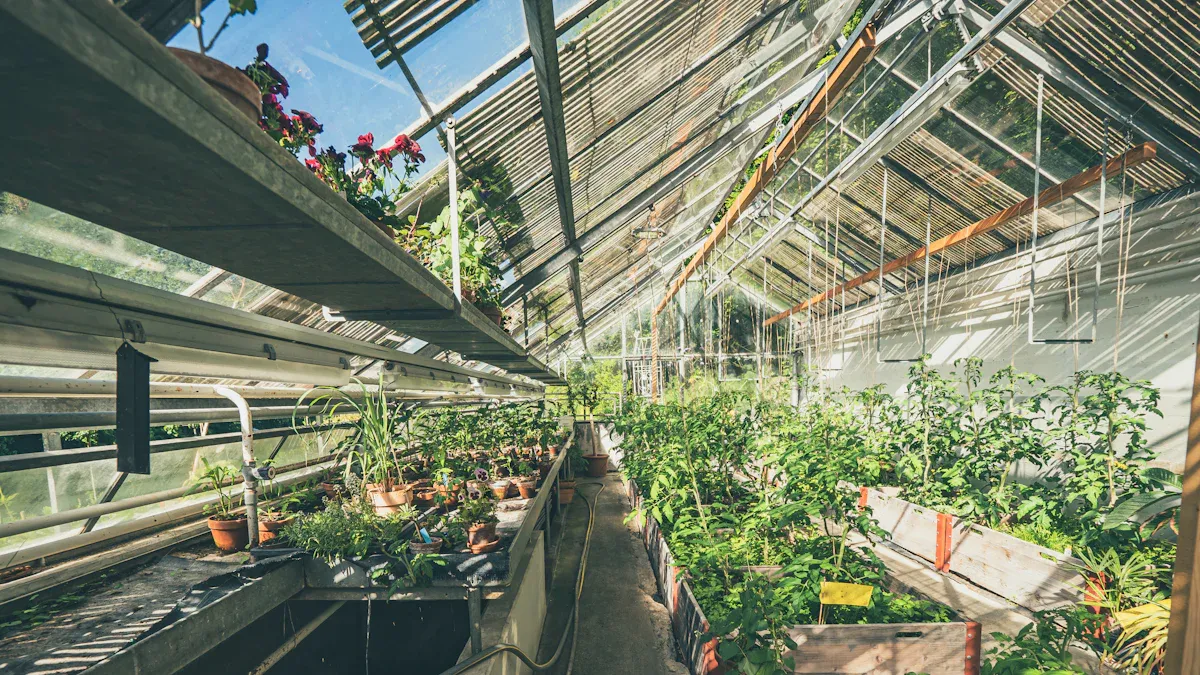
Traditional glass greenhouses are a classic choice for many farmers. They offer excellent light transmission, allowing up to 95% of sunlight to reach plants. This feature promotes healthy growth and can lead to higher yields. However, these structures come with a higher price tag and require more maintenance. Farmers often need to consider the climate, as glass greenhouses perform best in cold to temperate regions.
| Feature | Glass Greenhouse | Polyhouse |
|---|---|---|
| Material | Horticultural-grade glass panels | Polyethylene Film |
| Cost | High | Low |
| Light Transmission | 90–95% | 85–90% |
| Lifespan (Cladding) | 25–40 Years | 3–5 Years |
Polycarbonate Greenhouses
Polycarbonate greenhouses are gaining popularity due to their durability and insulation properties. They typically last between 5 to 15 years, with high-quality options lasting up to 20 years. This longevity makes them a cost-effective choice in the long run. Polycarbonate panels provide good light transmission while offering better thermal insulation than glass. This feature helps maintain a stable temperature, which is crucial for plant health.
Hoop Houses
Hoop houses, also known as high tunnels, are a more economical option for farmers. They consist of a series of curved frames covered with plastic. These structures are effective at trapping heat, allowing for earlier planting in spring and later harvesting in fall. While hoop houses do not offer the same level of climate control as traditional greenhouses, they still provide a suitable growing environment. Farmers appreciate their simplicity and lower costs, making them a popular choice for small-scale operations.
Tip: When choosing between these structures, consider your specific crop needs and local climate conditions. Each type has its unique advantages that can significantly impact your farming success.
Shade Houses
Shade houses provide a unique growing environment for crops that thrive in filtered sunlight. These structures typically use shade cloth to reduce direct sunlight exposure, making them ideal for sensitive plants. Farmers often choose shade houses for growing:
- Leafy Greens (like lettuce and spinach) that prefer cooler temperatures.
- Herbs (such as basil and cilantro) that thrive in partial shade.
- Radishes, which grow quickly and tolerate cooler conditions.
- Carrots and beets, both of which benefit from moderate sunlight.
- Peas and beans, which yield better in hot climates when shaded.
Farmers appreciate shade houses for their affordability and ease of construction. They can be built with simple materials, making them accessible for small-scale operations. However, it’s essential to consider the local climate when deciding on a shade house. In hotter regions, these structures can significantly extend the growing season by protecting crops from excessive heat.
High Tunnels
High tunnels, also known as hoop houses, are another popular choice among farmers. They offer a cost-effective way to extend the growing season while providing some climate control. High tunnels typically cost between $2.00 and $7.00 per square foot, making them more affordable than climate-controlled greenhouses, which can range from $7.00 to $30.00 per square foot.
These structures trap heat and protect crops from harsh weather conditions. Farmers can plant earlier in the spring and harvest later in the fall, maximizing their yield. High tunnels are particularly beneficial for growing tomatoes, peppers, and cucumbers, which thrive in warmer conditions.
Tip: When considering high tunnels, think about your crop choices and local climate. These structures can help you achieve better results with the right planning.
Advantages and Disadvantages of Greenhouses
Pros of Glass Greenhouses
Glass greenhouses offer several advantages that make them a popular choice among farmers. Here are some key benefits:
- Excellent Light Transmission: Glass allows up to 95% of sunlight to penetrate, which is crucial for photosynthesis. This high light transmission can significantly enhance plant growth rates, especially for seedlings and mature plants.
- Energy Efficiency: Double-pane glass greenhouses have a high energy efficiency rating. They help lower heating costs, making them a long-term investment for farmers. The table below summarizes the energy efficiency ratings of glass compared to polycarbonate greenhouses:
| Greenhouse Type | Energy Efficiency Rating | Advantages | Disadvantages |
|---|---|---|---|
| Double Pane Glass | High | Most energy efficient, lower heating costs, long-term investment | High initial cost |
| Multi-wall Polycarbonate | Similar to double pane | Diffuses sunlight, reduces hotspots, good insulation value | May not have the aesthetic appeal of glass |
Cons of Glass Greenhouses
While glass greenhouses have many benefits, they also come with some drawbacks:
-
High Initial Cost: The upfront investment for glass greenhouses can be significant. This cost may deter some farmers, especially those just starting out.
-
Maintenance Challenges: Regular maintenance is essential to keep glass greenhouses in good condition. Common issues include:
- Vents can get stuck.
- Dust accumulation on sensors can lead to malfunction.
- Environmental controls may become misaligned.
- Leaks can occur near eaves or gutters due to blocked weep holes.
Farmers must conduct regular inspections for cracks or damage to the glass and check the structural integrity of the frame to prevent larger issues.
Pros of Polycarbonate Greenhouses
Polycarbonate greenhouses present a range of advantages that appeal to many farmers:
- Durability and Impact Resistance: Polycarbonate panels are significantly more impact-resistant than glass. This feature makes them ideal for areas prone to severe weather. Thicker panels enhance wind resistance and snow load capacity, ensuring structural integrity during harsh conditions.
- Superior Insulation: Polycarbonate greenhouses excel in insulation compared to glass. They maintain stable temperatures, keeping the greenhouse warm in winter and cool in summer. This capability can lead to reduced heating and cooling expenses. For example, the R-values of different materials indicate their insulation performance:
- Single Page Glass: R-Value of 1.0
- 8mm Double-wall Polycarbonate: R-Value of 1.7
- 16mm 5-wall Polycarbonate: R-Value of 3.0
Farmers appreciate these features as they contribute to energy efficiency and lower operational costs.
Tip: When choosing between glass and polycarbonate greenhouses, consider your local climate and specific crop needs. Each type has unique advantages that can significantly impact your farming success.
Cons of Polycarbonate Greenhouses
While polycarbonate greenhouses have many benefits, they also come with some notable drawbacks. Here are a few key cons to consider:
- Shorter Lifespan: Polycarbonate panels typically last between 10 to 20 years. In contrast, glass greenhouses can last for decades. This shorter lifespan may lead to more frequent replacements, impacting long-term costs.
- Recycling Challenges: Recycling polycarbonate can be complex. It often requires separation from other plastics, making it less environmentally friendly compared to glass, which is easier to recycle.
- Initial Cost: Although polycarbonate greenhouses have a lower upfront cost than glass structures, the need for eventual replacement can affect the return on investment (ROI) over time.
Here’s a quick comparison of some aspects between polycarbonate and glass greenhouses:
| Aspect | Polycarbonate | Glass |
|---|---|---|
| Lifespan | 10 to 20 years | Decades |
| Recycling Challenges | Complex, requires separation from other plastics | Easier to recycle |
| Initial Cost | Lower upfront cost | Higher upfront cost |
| Long-term Returns | May require replacement, affecting ROI | Better long-term returns with longevity |
Pros and Cons of Other Structures
When considering greenhouse options, it’s essential to evaluate other structures like hoop houses and high tunnels. These alternatives offer unique advantages and disadvantages for farmers.
Hoop Houses
Hoop houses are popular for small-scale farmers due to their affordability and ease of construction. Here are some pros and cons:
-
Advantages:
- Cost-effective compared to traditional greenhouses.
- Extend the growing season, allowing for earlier planting and later harvesting.
- Protect crops from pests and harsh weather.
-
Disadvantages:
- Lack of adequate ventilation can lead to overheating.
- Vulnerable to high winds, snow, and ice, which may damage the structure.
- Increased production costs compared to field crops.
| Advantages | Disadvantages |
|---|---|
| Cost-effective compared to traditional greenhouses | Lack of adequate ventilation can lead to overheating |
| Extends growing season | Vulnerable to high winds, snow, and ice |
| Protects crops from pests and harsh weather | Increased production costs compared to field crops |
High Tunnels
High tunnels, similar to hoop houses, provide a protective barrier for crops. They differ in that they typically lack permanent utility hookups for ventilation and heating. This can lead to increased reliance on temporary solutions. Here are some key points:
-
Advantages:
- Less expensive to construct and operate.
- Provide protection from hail, wind, frost, and pests.
- Allow for early planting and season extension.
-
Disadvantages:
- May require manual ventilation to prevent overheating.
- Can be less durable than traditional greenhouses.
Farmers often find high tunnels beneficial for in-ground growing and quick crop rotations. However, careful planning is necessary to maximize their effectiveness.
Tip: When choosing between greenhouse structures, consider your specific crop needs, local climate, and budget. Each option has its unique strengths and weaknesses that can significantly impact your farming success.
Factors to Consider When Choosing a Greenhouse
Climate and Weather Conditions
When selecting a greenhouse, understanding local climate and weather patterns is essential. Different regions experience varying temperature extremes, humidity levels, and precipitation, all of which influence greenhouse design. Here are some key points to consider:
- Temperature Extremes: In hot and arid regions, temperatures can soar up to 50 °C. This heat necessitates cooling methods within the greenhouse to protect crops. Conversely, in colder climates, insulation becomes crucial to maintain warmth during winter months.
- Humidity Levels: High humidity can exceed 90%, making it vital to manage moisture levels. Keeping humidity between 50-85% helps prevent plant diseases and promotes healthy growth.
- Precipitation and Snow Load: Areas with heavy snowfall require greenhouses with strong structures. Farmers should consider using materials like galvanized steel for durability. A strong metal frame can withstand harsh weather, ensuring the greenhouse remains intact.
Tip: Always assess your local climate before making a decision. Understanding these factors can help you choose the right greenhouse structure that meets your farming needs.
Types of Crops Grown
The type of crops you plan to grow significantly influences your greenhouse choice. High-value crops like tomatoes and peppers thrive in environments that maximize light exposure and maintain optimal temperatures. Here’s how crop selection impacts greenhouse design:
- Light Requirements: Different crops have varying light needs. For instance, leafy greens may require less direct sunlight compared to fruiting plants. Using shading or blackout curtains can help optimize light efficiency.
- Covering Materials: The choice of covering material also depends on the crops. Plastic film is often suitable for large-scale crops, while polycarbonate panels work well for high-value crops. Glass greenhouses are ideal for long-term use and can enhance crop productivity.
- Environmental Controls: Modern greenhouses often feature adjustable roof vents and thermal screens. These controls are crucial for maintaining the right climate for sensitive crops.
Note: Consider your crop types and their specific needs when selecting a greenhouse. This will help ensure a successful growing season.
Budget and Cost Considerations
Budget plays a significant role in greenhouse selection. Farmers must weigh initial costs against long-term benefits. Here’s a breakdown of what to consider:
- Initial Investment: Different greenhouse types come with varying price tags. For example, hoop houses range from $5 to $10 per square foot, while more complex structures like A-frame greenhouses can cost between $25 and $35 per square foot.
- Long-term Maintenance: Maintenance costs can vary widely. Glass greenhouses may require fewer replacements over time, becoming more economical after about 14 years. In contrast, polycarbonate structures often need full panel replacements every 5 to 7 years in high-sunlight areas.
- Operational Costs: Consider energy costs for heating and cooling. Greenhouses with superior insulation can help reduce these expenses, making them a better investment in the long run.
| Greenhouse Type | Cost per sq. ft. | Cost per sq. m. |
|---|---|---|
| Hoop-style | $5 – $10 | $53.82 – $107.64 |
| A-frame | $25 – $35 | $269.10 – $376.74 |
Tip: Create a budget that includes both initial costs and long-term maintenance. This approach will help you make a more informed decision.
Space and Location on the Farm
Choosing the right space for a greenhouse is just as important as selecting the structure itself. The location can significantly impact the greenhouse’s effectiveness and the crops grown inside. Here are some key factors to consider:
-
Topography: The lay of the land can affect how well a greenhouse performs. For instance, hilly areas may provide natural windbreaks, which can enhance the efficiency of certain greenhouse designs. On the other hand, flat areas might be easier to prepare for construction but could face challenges like flooding. Understanding the topography helps farmers decide where to place their greenhouses to ensure sustainability and productivity.
-
Sunlight Exposure: Greenhouses thrive on sunlight. Farmers should choose locations that receive ample sunlight throughout the day. Ideally, the site should avoid shadows from nearby trees or buildings. A south-facing slope often provides the best exposure, allowing crops to benefit from maximum light.
-
Accessibility: Consider how easy it is to reach the greenhouse. Farmers need to transport materials, tools, and harvested crops efficiently. A location close to existing farm infrastructure can save time and reduce labor costs.
-
Water Drainage: Proper drainage is crucial for greenhouse health. Areas prone to flooding can lead to waterlogged soil, which can harm plant roots. Farmers should assess the drainage patterns on their land and choose a location that minimizes flooding risks.
-
Wind Protection: Strong winds can damage greenhouse structures and stress plants. If the farm has natural windbreaks, such as trees or hills, placing the greenhouse nearby can provide added protection. If not, farmers might consider building artificial windbreaks to shield their crops.
Tip: Before deciding on a greenhouse location, take the time to observe the land. Walk around the farm and note areas that receive the most sunlight, have good drainage, and are protected from strong winds. This observation can help in making an informed decision.
By carefully considering these factors, farmers can select the best space for their greenhouse. A well-placed greenhouse can lead to healthier crops and higher yields, making it a worthwhile investment.
Practical Tips for Greenhouse Implementation
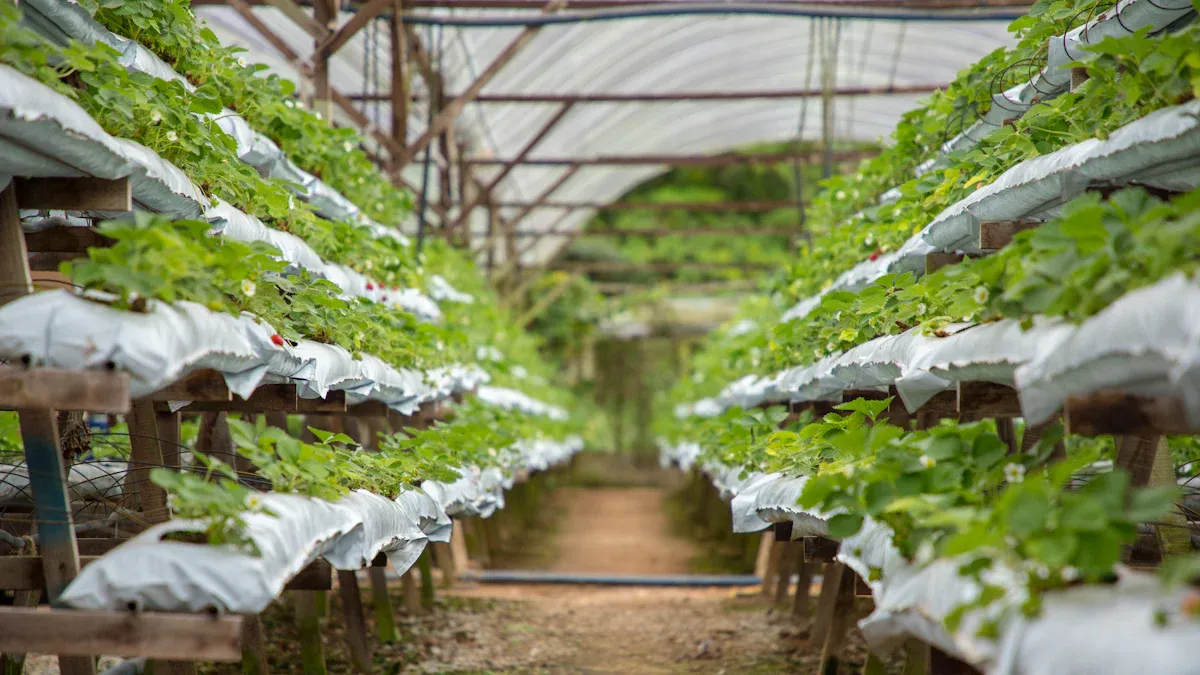
Site Selection and Preparation
Choosing the right site for a greenhouse is crucial for success. Farmers should aim for a location that maximizes sunlight exposure. A south-facing position works best in the Northern Hemisphere, capturing sunlight throughout the day. Aligning plant rows with the greenhouse length also helps ensure balanced light exposure. Additionally, consider the garden’s micro-climate and soil conditions. Good soil quality enhances greenhouse performance, so practices like cover cropping can improve soil health. This leads to better nutrient cycling and supports optimal plant growth.
Tip: Avoid placing the greenhouse in areas with obstructions that block sunlight. This simple step can make a big difference in crop yield.
Installation Considerations
When it comes to installation, proper planning is key. Farmers should ensure the greenhouse is level and secure. This stability prevents issues during harsh weather. Additionally, consider the orientation of the greenhouse. An east-west orientation can be beneficial during winter, as it captures more midday sunlight.
Before installation, check local regulations and permits. Some areas may have specific guidelines for greenhouse structures. Understanding these rules can save time and prevent future headaches.
Maintenance and Upkeep
Regular maintenance keeps greenhouses functioning efficiently. Farmers should schedule routine inspections twice a year—before spring and winter. During these checks, inspect panels and seals for damage. Cleaning and calibrating environmental controls is also essential for optimal performance.
Here’s a quick checklist for maintenance:
- Inspect greenhouse panels and seals for damage.
- Clean and calibrate environmental controls.
- Check irrigation systems for efficiency.
- Prepare for winter by inspecting heating systems.
By staying on top of maintenance, farmers can prevent major problems and extend the life of their greenhouse.
Note: Keeping detailed records of maintenance activities helps track performance and identify areas for improvement.
Future Expansion Possibilities
When farmers choose a greenhouse, they should think about future expansion. Planning ahead can save time and money later. Here are some key points to consider:
-
Scalability: Farmers should select a greenhouse that allows for easy expansion. For example, modular designs let them add more sections as their needs grow. This flexibility can be crucial for adapting to changing market demands.
-
Adaptability: Some greenhouse structures can accommodate different types of crops. Farmers might start with vegetables but later want to grow flowers or herbs. Choosing a versatile greenhouse can help them switch crops without needing a new structure.
-
Space Utilization: Efficient use of space is vital. Farmers can design their greenhouses to maximize growing areas. Vertical gardening techniques, like using shelves or hanging planters, can increase production without requiring more land.
Tip: Before building, farmers should sketch out their future plans. This simple step can help them visualize how their greenhouse might evolve over time.
-
Infrastructure: Consider the infrastructure needed for expansion. Farmers should plan for utilities like water and electricity. Having these systems in place can make it easier to add new features later.
-
Budgeting for Growth: Farmers must also budget for future expansion. They should account for potential costs associated with adding new sections or upgrading existing ones. A well-thought-out budget can prevent financial strain down the road.
By keeping these factors in mind, farmers can choose a greenhouse that not only meets their current needs but also supports their future growth. This proactive approach can lead to long-term success and sustainability in their farming operations.
Choosing the right greenhouse structure is vital for any farmer. It can significantly impact crop yield and overall efficiency. 🌱
Farmers should take time to assess their unique needs and local conditions. Consider factors like climate, crop types, and budget.
In the end, making an informed decision leads to long-term success. A well-chosen greenhouse can transform farming operations and boost productivity for years to come.
Remember, the right structure today can pave the way for a thriving farm tomorrow!
FAQ
What is the best greenhouse type for beginners?
For beginners, hoop houses are often the best choice. They are affordable, easy to construct, and provide a good growing environment. Farmers can start small and expand as they gain experience.
How much does a greenhouse cost?
Greenhouse costs vary widely. Hoop houses can range from $5 to $10 per square foot, while more complex structures like glass greenhouses can cost between $25 and $35 per square foot.
How do I maintain my greenhouse?
Regular maintenance is key. Inspect panels and seals twice a year, clean environmental controls, and check irrigation systems. Keeping detailed records helps track performance and identify issues early.
Can I grow all types of crops in a greenhouse?
Most crops thrive in greenhouses, but some require specific conditions. High-value crops like tomatoes and peppers benefit from controlled environments, while leafy greens may need less light. Always consider crop needs when choosing a structure.
How can I extend the growing season?
Using high tunnels or hoop houses can help extend the growing season. These structures trap heat, allowing for earlier planting in spring and later harvesting in fall. Proper ventilation also plays a crucial role.