
Garden vertical planters and wall vertical planters are practical systems that grow plants upward instead of across the ground. A well-designed vertical planter saves space, improves air circulation, increases planting capacity, and turns empty fences or walls into productive green zones. According to the U.S. Environmental Protection Agency (EPA), urban greening and small-space planting can improve environmental quality and efficient land use. The most successful vertical planter projects depend on four factors: strong support, correct drainage, proper sunlight, and suitable plant selection. Whether used indoors, on balconies, or in backyards, vertical planters offer a scalable solution for compact gardening.
What Are Garden or Wall Vertical Planters?
A garden vertical planter is a freestanding or fence-mounted planting structure used in outdoor spaces. A wall vertical planter is attached directly to a wall, panel, or railing. Both systems use height to expand planting area.
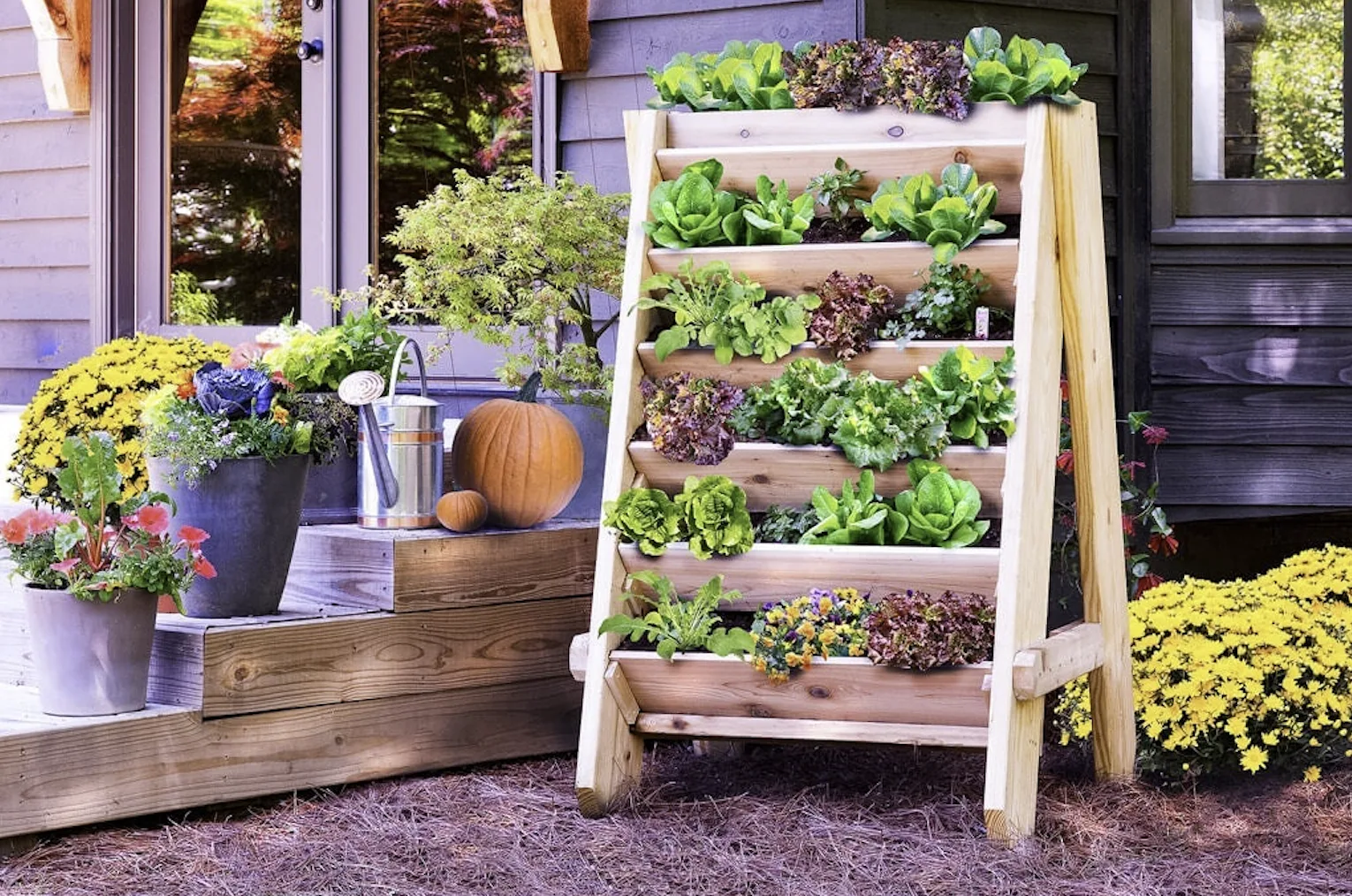
Common uses include
Herb gardens near kitchens
Decorative flower walls
Balcony vegetable growing
Fence privacy greenery
Patio corner planting systems
Many beginners start with wall mounted vertical planters because installation is straightforward and adaptable.
Best Materials for DIY Vertical Planters
Material choice affects lifespan, maintenance, and structural safety. Outdoor planters need weather resistance. Indoor wall planters need lighter weight and clean water management.
| Material | Best Application | Main Benefit |
|---|---|---|
|
Plastic Pots |
Balconies and patios |
Lightweight |
|
Cedar Wood |
Outdoor garden walls |
Natural durability |
|
Metal Grid |
Modern planter walls |
Strong support |
|
Fabric Pockets |
Herbs and greens |
Easy installation |
|
PVC Tubes |
Low-cost food gardens |
Affordable |
The U.S. Forest Service supports responsible wood selection and maintenance for outdoor structures exposed to moisture.
Expandable projects often use modular vertical planter systems because sections can be added later.
How to Make Wall Vertical Planters Step by Step
A wall vertical planter requires a secure mounting surface and proper drainage spacing. Masonry, concrete, and stud-backed walls usually provide stronger support than thin decorative panels.
Wall Vertical Planter Setup
-
Measure wall height and width
-
Mark anchor points evenly
-
Install brackets or frame rails
-
Leave airflow gap behind planter frame
-
Attach pots, shelves, or pocket panels
-
Add drip tray for indoor use
-
Fill with potting mix
-
Plant selected species
-
Test watering flow
The Purdue Extension recommends lightweight container media because dense soil reduces root oxygen and drainage performance.
Many apartment users choose indoor wall vertical planters for kitchens and sunlit rooms.
How to Make Garden Vertical Planters for Outdoor Spaces
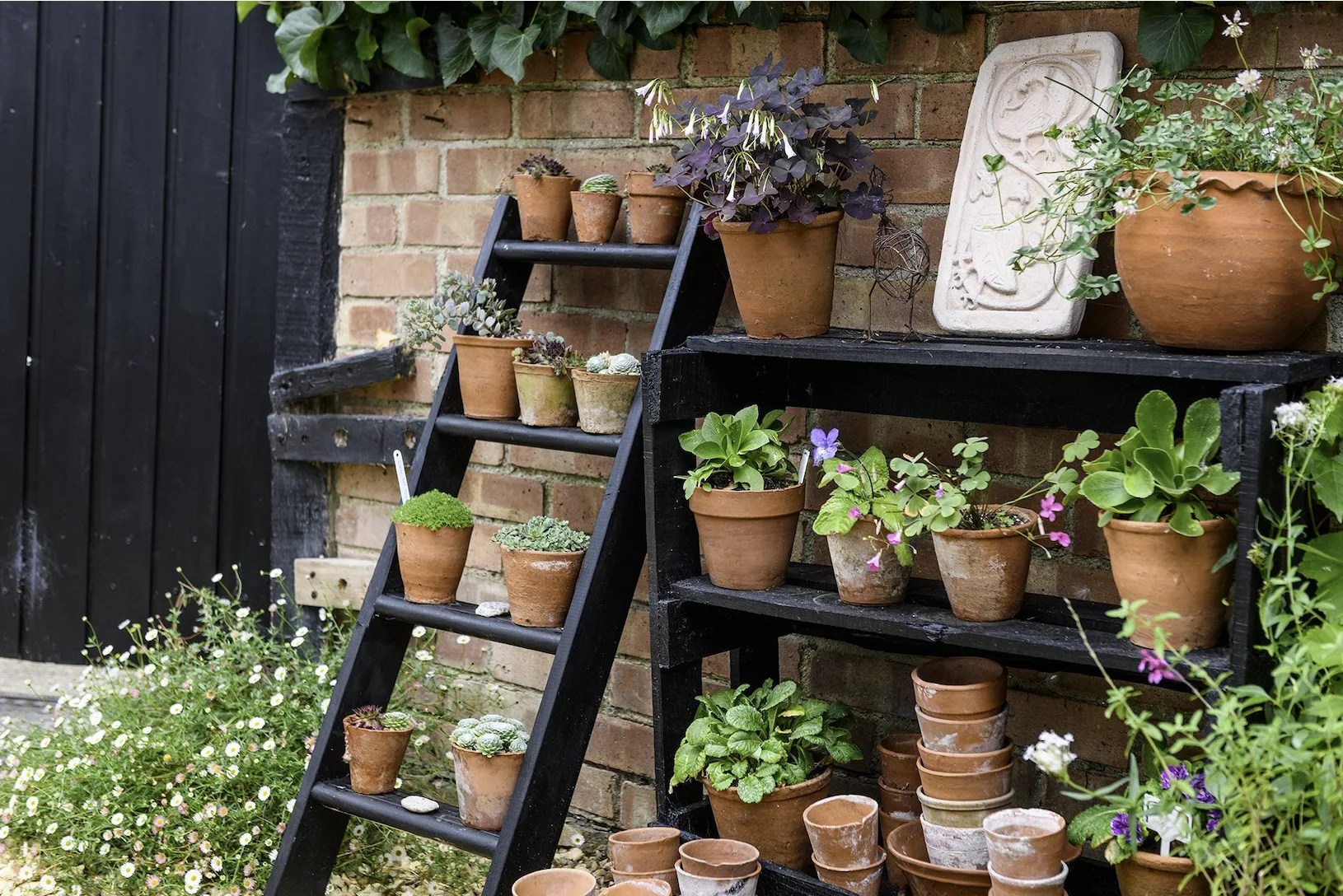
Garden vertical planters are usually freestanding, fence-fixed, or raised against exterior walls. Outdoor units should handle wind, rain, UV exposure, and heavier plant loads.
Garden Vertical Planter Process
-
Choose level ground or fence section
-
Build timber or metal frame
-
Add crossbars or shelves
-
Secure base with anchors if tall
-
Install planter boxes or pots
-
Add mulch or water retention layer
-
Plant vegetables or flowers
-
Check seasonal drainage
The USDA National Institute of Food and Agriculture promotes container growing methods that improve access to fresh produce in small spaces.
Outdoor growers often select outdoor vertical garden planters designed for sun and rain conditions.
Best Plants for Garden or Wall Vertical Planters
Plant size, root depth, and water demand should match container volume. Shallow-rooted plants usually perform better than large root crops.
| Plant Type | Good for Wall Planters | Good for Garden Planters |
|---|---|---|
|
Basil |
Yes |
Yes |
|
Mint |
Yes |
Yes |
|
Lettuce |
Yes |
Yes |
|
Strawberry |
Yes |
Yes |
|
Tomato (compact) |
Limited |
Yes |
|
Succulents |
Yes |
Limited |
|
Petunia |
Yes |
Yes |
The University of Minnesota Extension notes that container crops succeed when sunlight hours and watering frequency match crop needs.
Herb-focused households often use vertical herb planter kits for easy harvesting.
Drainage and Watering for Vertical Planters
Drainage is one of the most important technical details in vertical gardening. Without drainage, roots may rot and walls may stain.
Drill drainage holes in each container
Add saucers or channels indoors
Water top rows first
Use drip irrigation for larger walls
Reduce watering in cool seasons
Check runoff does not damage surfaces
The EPA WaterSense encourages water-efficient irrigation practices for residential landscapes.Larger setups often upgrade to self watering vertical planters to reduce labor.
Common DIY Vertical Planter Mistakes
Most planter failures come from planning mistakes rather than product quality.
| Mistake | Result | Prevention |
|---|---|---|
|
Weak wall anchors |
Collapse risk |
Use rated anchors |
|
Heavy wet soil |
Excess load |
Use potting mix |
|
No drainage |
Root rot |
Add holes |
|
Wrong plant choice |
Poor growth |
Match sunlight |
|
Tight spacing |
Airflow loss |
Leave gaps |
The CDC also advises safe ladder use and proper tool handling during home improvement projects.
Users avoiding wall drilling often prefer freestanding vertical planter racks.
Indoor vs Outdoor Vertical Planter Comparison
Indoor and outdoor systems require different design priorities.
| Feature | Indoor Planter | Outdoor Planter |
|---|---|---|
|
Water Control |
Critical |
Moderate |
|
UV Resistance |
Low Need |
High Need |
|
Wind Stability |
Low Need |
High Need |
|
Weight Limit |
High Concern |
Medium Concern |
|
Drainage Runoff |
Managed |
Natural |
Understanding the environment prevents maintenance issues and plant stress.
FAQ
1. What is the easiest way to make a wall vertical planter?
The easiest method is using a metal grid or wooden panel with attached pots. This design needs basic anchors, light containers, and minimal tools. It is suitable for balconies, kitchens, or patios.
2. Can vertical planters grow vegetables successfully?
Yes. Lettuce, herbs, strawberries, spinach, and compact peppers often perform well. Larger crops such as pumpkins or deep root vegetables usually need larger containers and stronger support systems.
3. Do wall vertical planters damage walls?
Wall damage usually comes from poor drainage or weak mounting. Use waterproof spacing pads, correct anchors, and controlled watering to reduce moisture contact and structural stress.
4. How often should garden vertical planters be watered?
Watering depends on climate, container size, sunlight, and plant species. Outdoor containers dry faster in wind and heat. Check moisture regularly rather than following a rigid schedule.
5. Are freestanding vertical planters better than wall planters?
Freestanding vertical planters are better for renters or users avoiding drilling. Wall planters save more floor space and can create cleaner visual design. The better choice depends on space and installation limits.