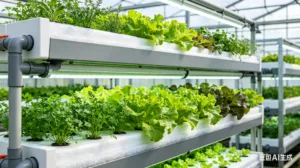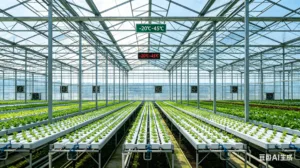
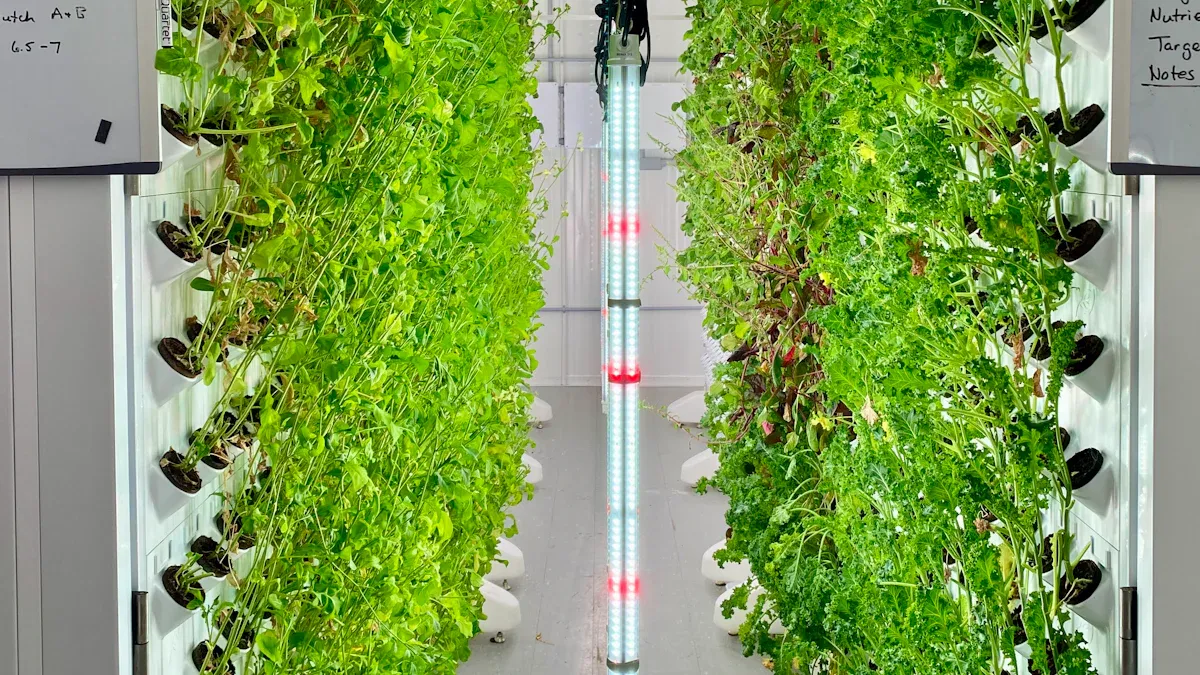
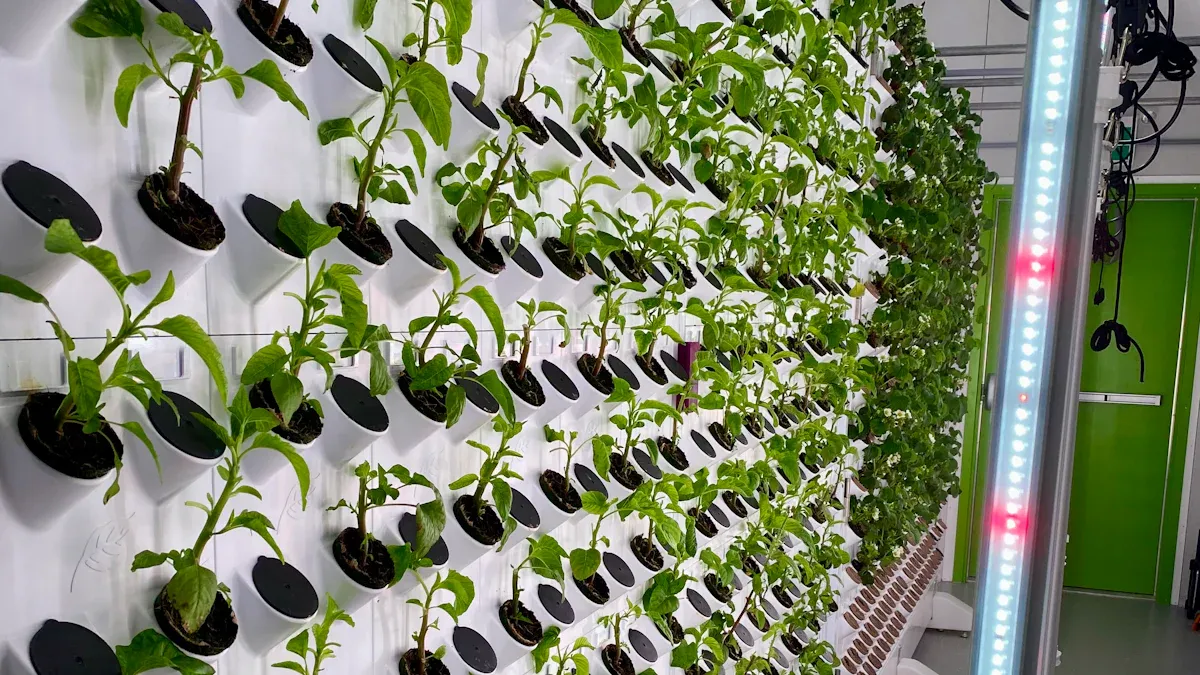
Hydroponic Systems fundamentally involve soil-less plant cultivation. This method grows plants directly in nutrient-rich water. The global hydroponics market reached USD 38.14 Billion in 2023, indicating significant growth. This diverse field encompasses various designs, including NFT Hydroponic Systems, Vertical Hydroponic Towers, and even a Substrate Cultivation System. Other innovative solutions are Vertical Planters / Vertical Green Walls and a Hanging Strawberry System.
Key Takeaways
- Hydroponics grows plants in nutrient-rich water without soil. This method helps plants grow faster and produce more food.
- Hydroponic systems save a lot of water compared to regular farming. They also help avoid many plant diseases that come from soil.
- There are many types of hydroponic systems, like DWC and NFT. Each system delivers nutrients and oxygen to plant roots in different ways.
Understanding Hydroponic Systems: How They Work
The Fundamental Mechanisms of Hydroponic Systems
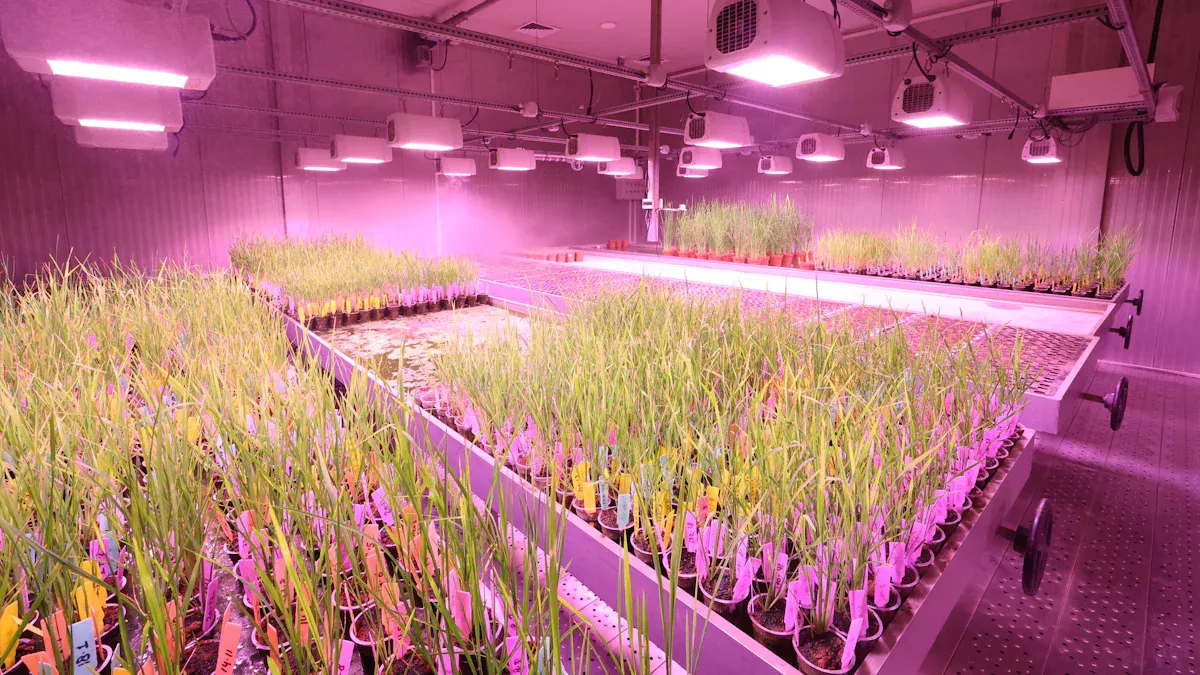
Hydroponic cultivation operates on a simple yet powerful principle: plants grow without soil. Instead, they receive all necessary nutrients directly from a water-based solution. Plants absorb nitrates and other essential nutrients from specialized nutrient formulas dissolved in water. These solutions contain vital macronutrients like nitrogen, phosphorus, and potassium, along with crucial micronutrients such as iron, calcium, and magnesium. Maintaining the correct concentration of these nutrients is fundamental for healthy plant development.
Various Hydroponic Systems employ distinct methods to deliver these nutrient-rich solutions to plant roots. For instance, in Deep Water Culture (DWC), plant roots suspend in a continuously oxygenated nutrient solution. This allows for prolonged exposure and absorption of nutrients and oxygen. The Nutrient Film Technique (NFT) continuously bathes plant roots in a thin film of nutrient-rich water. Roots draw necessary nutrients from this film, and the system collects and recycles excess liquid. A Drip System delivers nutrient solutions directly to the root zone of plants through tubes and drippers. This often occurs onto a growing medium, with drainage back into a container for potential reuse. Ebb and Flow (Flood and Drain) systems cyclically submerge plants in a nutrient solution, which then drains back into a reservoir. This process facilitates nutrient and oxygen provision to the roots. Aeroponic systems suspend plant roots in the air, receiving intermittent applications of nutrient solution as a fine mist or spray. This method enhances oxygenation and nutrient uptake. A Wick System, a passive design, uses a wick to draw nutrient solution from a reservoir upwards to the root zone of plants situated in an inert growing medium.
Key Components of Hydroponic Systems
A functional hydroponic setup requires several essential components working in harmony. First, the water conditions are paramount. Plants need a balanced formula of macronutrients (Nitrogen, Phosphorus, Potassium, Calcium, Magnesium, Sulfur) and micronutrients (Iron, Manganese, Zinc, Copper, Molybdenum, Boron) delivered via water. pH balance is critical for nutrient absorption, with an ideal range of 5.5 to 6.5. Oxygenation ensures healthy roots and efficient nutrient uptake; system designs often build this in or enhance it with air pumps and stones. Water temperature, ideally between 65°F to 75°F (18°C to 24°C), prevents root diseases and slow metabolism.
Beyond water conditions, plants have general needs. Light is fundamental for photosynthesis, with varying requirements for different plant types. Airflow is also necessary for overall plant health. Physical components include growing media, which are inert materials like perlite, coco-coir, clay pebbles, or rockwool. These media support roots and allow for airflow and moisture retention. A nutrient solution, a balanced mix of macro- and micronutrients dissolved in water, provides all necessary plant nutrition. Water and oxygen delivery systems, such as pumps, air stones, or circulation mechanisms, supply roots with nutrients and oxygen. Tools for pH and EC monitoring maintain proper pH and electrical conductivity for optimal nutrient absorption. Reservoirs and channels, like towers, buckets, or wall channels, circulate nutrient-rich water around the roots. For indoor or greenhouse growing, adequate lighting, ventilation, temperature, and humidity control are essential.
Nutrient Delivery and Oxygenation in Hydroponic Systems
Effective nutrient delivery and robust oxygenation are cornerstones of successful hydroponics. Raft Hydroponic Systems exemplify effective nutrient delivery. Plant roots submerge in a nutrient-rich solution, allowing them to absorb essential minerals without searching through soil. This direct access accelerates nutrient uptake and minimizes energy expenditure by the plant. Growers precisely adjust the nutrient mix to meet specific crop requirements, ensuring plants receive the optimal balance of nitrogen, phosphorus, potassium, and trace elements. This leads to faster growth and healthier plants compared to traditional soil-based farming. The water beneath the rafts contains a carefully balanced nutrient solution providing essential minerals.
Oxygenation is equally crucial for root health. Plant roots require oxygen to respire and absorb nutrients efficiently. Without sufficient oxygen, roots can suffocate, leading to disease and plant death. Several strategies ensure adequate oxygen levels. High-quality air stones create fine bubbles for increased oxygen diffusion, while strong air pumps ensure consistent aeration. Maintaining water temperatures between 65-70°F (18-21°C) helps retain higher dissolved oxygen levels, as warmer water holds less oxygen. Deeper reservoirs allow for better oxygen distribution, and gentle water movement prevents stagnation, improving oxygenation. Food-grade hydrogen peroxide can boost oxygen availability, and other oxygen-enriching products like dissolved oxygen tablets or ozone generators can also enhance levels. The AirCone, an innovative aerator, integrates with existing circulation pumps to achieve high dissolved oxygen levels (18 to 20 mg/L, and up to 46 mg/L when combined with an oxygen concentrator). This optimal oxygenation promotes beneficial aerobic bacteria, processes waste, improves water quality, and inhibits harmful anaerobic bacteria like Pythium. This leads to enhanced nutrient uptake, robust root health, and vigorous plant growth.
Exploring Different Hydroponic Systems
Deep Water Culture (DWC) Hydroponic Systems
Deep Water Culture (DWC) systems immerse plant roots directly into a nutrient-rich water solution. An air pump and air stone continuously oxygenate this solution, providing roots with essential oxygen. This constant access to nutrients and oxygen promotes rapid growth and larger yields. DWC systems offer high efficiency, providing plants with a continuous supply of nutrients and water. Growers can easily customize these systems, adjusting nutrient solution and pH levels to suit specific plant needs. They are often more cost-efficient than other Hydroponic Systems like ebb and flow, requiring fewer materials and components. DWC typically produces bigger yields because of tailored nutrient and pH levels, along with continuous oxygenation and nutrient consumption by roots. These systems also experience fewer mechanical failures, as they do not rely on water pumps or worry about roots growing into drains, provided growers maintain air pumps, pH, PPMs, and temperature.
However, DWC systems present certain challenges. They are vulnerable to failures; power loss, incorrect pH, imbalanced nutrient levels, or extreme water temperatures can quickly lead to significant issues since roots remain constantly submerged. DWC requires vigilant monitoring and control of oxygen levels and nutrient solution balance. Failure to correct issues immediately can prove detrimental to yields. Weekly water changes can also be challenging, especially with large or heavy plants, potentially damaging vines or making it difficult to lift root structures out of buckets. Large DWC raft beds can hold thousands of gallons of water, requiring a stable, level surface to prevent structural failure. While DWC generally has few issues, air pumps can fail, though most crops survive several hours. Air stones can clog, requiring weekly cleaning or spare sets. Plant pathogen issues in the root zone may necessitate flushing or hydrogen peroxide treatment. Despite these challenges, DWC offers accelerated growth due to superior nutrient and oxygen uptake, allowing for faster harvests. It also improves plant absorption and cell growth from root aeration, reduces the need for fertilizer, and requires low maintenance once set up, with few moving parts.
Nutrient Film Technique (NFT) Hydroponic Systems
The Nutrient Film Technique (NFT) involves a thin film of nutrient-rich water flowing continuously over plant roots. Plants sit in channels, and the nutrient solution flows down a slight incline, bathing the roots before returning to a reservoir. This method ensures constant access to nutrients while allowing roots ample exposure to air. Lightweight, fast-growing plants with shallow root systems are particularly well-suited for NFT. Leafy greens, such as various lettuce varieties, spinach, kale, Swiss chard, and arugula, are ideal candidates. Herbs like basil, cilantro, parsley, and dill thrive due to their compact root systems and rapid growth rates. Certain fruiting plants with small root systems, like strawberries and some varieties of tomatoes and cucumbers, can also grow successfully with proper support. Growers prioritize plants with short harvest periods, typically maturing within three months, to maximize system efficiency. Microgreens, like arugula, radish, broccoli, and sunflower shoots, are also suitable for continuous harvest. Peppers, both sweet and hot varieties, thrive with controlled nutrient delivery and optimal root oxygenation, leading to robust growth and consistent flavor.
Ebb and Flow (Flood and Drain) Hydroponic Systems
Ebb and Flow systems, also known as Flood and Drain systems, periodically flood the growing tray with nutrient solution and then drain it back into a reservoir. A timer controls a submersible pump, which floods the tray several times a day. This cycle ensures plants receive nutrients and oxygen. The ebb and flow of the nutrient solution maximize the absorption of hydroponic nutrients and oxygen in the root zone, leading to faster growth and higher yields. This system manages the balance between water and air in the growing medium through timed irrigations. Water and air cannot occupy the same space simultaneously. Over-irrigation can compromise aeration, while insufficient irrigation may not provide enough stored solution for adequate water and nutrient supply between cycles. After flooding, the solution drains, exposing roots to air for oxygenation, which is crucial for healthy growth. This method effectively delivers nutrients and oxygen to plants, promoting healthy root growth by drawing air into the growing media during drainage. Adjusting flood depth and timing between cycles helps manage plant health and control pests. Shallow flood cycles help prevent salt accumulation near the base of plants, and using pure water during some cycles can rinse out salt buildup.
Wick Hydroponic Systems
Wick systems are passive hydroponic setups, meaning they do not use pumps or electricity. A wick, typically made of felt or nylon, draws nutrient solution from a reservoir up to the plant’s root zone in the growing tray. Capillary action moves the water and nutrients. This simplicity makes wick systems ideal for beginners or small-scale home growers. Growing media for wick systems should be highly efficient at absorbing and retaining water due to the slow and limited water movement. Perlite is considered one of the best hydroponic growing mediums; it can be used alone or mixed with others. It has good wicking action, making it suitable for wick-type hydroponic systems, and is relatively inexpensive. A 50-50 mix with vermiculite is popular. Vermiculite retains a significant amount of moisture (200%-300% by weight), while perlite does not, allowing for a balanced medium that retains water and nutrients while providing oxygen to roots. It is also inexpensive. Coconut coir and other soilless mixes are also good options due to their excellent water retention abilities. Sand and gravel are also viable alternatives for wick systems.
Drip Hydroponic Systems
Drip systems are widely used in both commercial and home hydroponics. A pump delivers nutrient solution from a reservoir through small tubes to individual plants. Emitters or drippers at the end of these tubes release the solution directly onto the growing medium around the plant’s base. Excess solution can either drain to waste (non-recirculating) or return to the reservoir for reuse (recirculating). This precise delivery minimizes water and nutrient waste. Drip systems offer excellent control over nutrient delivery, allowing growers to tailor feeding schedules to specific plant needs and growth stages. They are versatile and can support a wide range of plant types, from small herbs to larger fruiting vegetables. The system’s modular nature also allows for easy expansion or modification.
Aeroponic Systems
Aeroponic systems represent an advanced form of hydroponics where plant roots suspend in the air within a sealed growing chamber. High-pressure pumps deliver nutrient solution as a fine mist or spray directly onto the roots at regular intervals. This method maximizes oxygen exposure to the roots, leading to exceptionally fast growth rates and high yields. Roots spend 99.98% of their time in the air, allowing for efficient oxygen capture. The hydro-atomized mist plays a significant role in effectively oxygenating the roots. Increased oxygen availability due to the suspended root system enhances nutrient absorption, root development, and overall plant vigor. Abundant oxygen allows plants to allocate more energy towards above-ground growth, leading to larger and healthier produce. Optimal uptake and utilization of nutrients are maximized in the controlled aeroponic environment, promoting overall growth and health. Aeroponic systems are highly efficient in water and nutrient use, making them a sustainable choice for cultivation.
Benefits of Hydroponic Systems for Modern Cultivation
Accelerated Growth and Yields in Hydroponic Systems
Hydroponic cultivation significantly boosts plant growth and overall yields. Plants in these systems often grow 30-50% faster than soil-grown counterparts. This accelerated development occurs because plants directly access nutrients and oxygen at the root zone. They do not expend energy searching for resources in soil. This method also allows for optimal light, temperature, and humidity, reducing environmental stress. Hydroponic systems produce yields up to 20 times higher per area compared to traditional open-field systems. For example, hydroponically grown strawberries show a 17% higher yield. Vertical farming, which often uses hydroponics, can achieve 50 to 100 times greater yield per square foot.
| Crop Type | Specific Crops | Harvest Time (Hydroponic) |
|---|---|---|
| Leafy Greens | Lettuce, Spinach, Kale | 30-45 days |
| Herbs | Basil, Mint, Cilantro | Continuous harvests |
| Root Vegetable | Radishes | 21-28 days |
Water Efficiency of Hydroponic Systems
Hydroponic systems offer remarkable water savings. They typically achieve 70-90% water savings compared to traditional soil-based agriculture. This efficiency comes from the recirculation and reuse of water. Closed-loop hydroponic systems can reduce water usage by more than 90%. They circulate water through plant roots, then collect, filter, and reuse it. This method significantly decreases water consumption. Viraj Puri, co-founder and CEO of Gotham Greens, states, "We use less than a gallon of water for every head of lettuce we produce."
Reduced Pests and Diseases in Hydroponic Systems
Hydroponic systems inherently prevent many soil-borne pathogens. They do not use soil as a growing medium. This design eliminates the natural environment where these pathogens typically reside and thrive. The growing medium is effectively sterile when growers plant the crop. Unlike soil, hydroponic setups lack a diverse reservoir of microorganisms and organic matter. These are natural habitats for many plant diseases.
Space Optimization with Hydroponic Systems
Hydroponic systems excel at optimizing space, making them ideal for urban farming. One acre of vertical farming can produce the same amount of yield as 10 to 20 acres of traditional open-field farming. This allows cultivation in areas where land is limited. Urban hydroponic farms operate on rooftops, inside warehouses, or as vertically stacked systems. This maximizes every square meter of available city space. These systems enable communities to produce fresh food locally. This reduces dependence on complex supply chains and minimizes transportation emissions.
Hydroponics represents an innovative and highly efficient agricultural method. It offers significant advantages for modern cultivation. This approach provides accelerated growth, water efficiency, and reduced pest issues. Exploring hydroponic systems contributes to sustainable gardening practices. Individuals can embrace this technology for a greener future.
FAQ
What types of plants grow well in hydroponics?
Leafy greens like lettuce and spinach thrive. Herbs such as basil and mint also grow successfully. Many fruiting plants, including strawberries and tomatoes, adapt well to hydroponic systems. Leafy greens and strawberries.
Is hydroponics difficult for beginners?
Beginners can start with simple systems like wick or Deep Water Culture. These systems require less complex setup and maintenance. They offer an accessible entry point into hydroponic gardening. Plants.
What is the main difference between hydroponics and traditional farming?
Hydroponics grows plants in nutrient-rich water, not soil. This method allows direct nutrient delivery to roots. Traditional farming relies on soil for nutrient and physical support. Water and Earth.