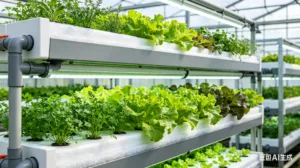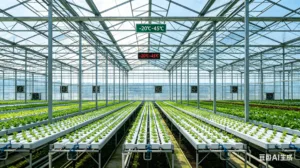

The smart greenhouse system industry in China demonstrates robust growth. This market was valued at 9.46 billion in 2025. Projections indicate the broader China smart agriculture market, which includes smart greenhouses, will grow at an 18.6% CAGR from 2026 to 2033. Beijing Kingpeng Global Hi-Tech Corporation stands as a prominent leader among Smart greenhouse system providers. Top Greenhouses, such as Shandong Top Greenhouse Engineering Co., Ltd., also holds a significant market position. This dynamic landscape features a competitive List of smart greenhouse control system companies in China. Emerging tech-focused agricultural solution providers, including those offering advanced Miilkiia Hydroponic systems, are rapidly gaining influence. These China smart greenhouse companies and Best Chinese greenhouse automation control system manufacturers drive innovation in the sector.
Key Takeaways
- China’s smart greenhouse market is growing fast. It will reach 9.46 billion in 2025. It will keep growing by 18.6% each year until 2033.
- Beijing Kingpeng Global Hi-Tech Corporation and Top Greenhouses are top companies. They lead the market in smart greenhouse systems.
- Leading companies use new technology. This includes AI, IoT sensors, and smart climate control. They also use water-saving irrigation and LED lights.
- New companies are changing the market. They offer new ideas and cheaper solutions. This helps more farmers use smart agriculture.
- China’s government supports smart farming. This helps the market grow. China will become a global leader in green farm technology.
Key Criteria for Leading Smart Greenhouse System Providers in 2026
Technological Innovation in Smart Greenhouse Systems
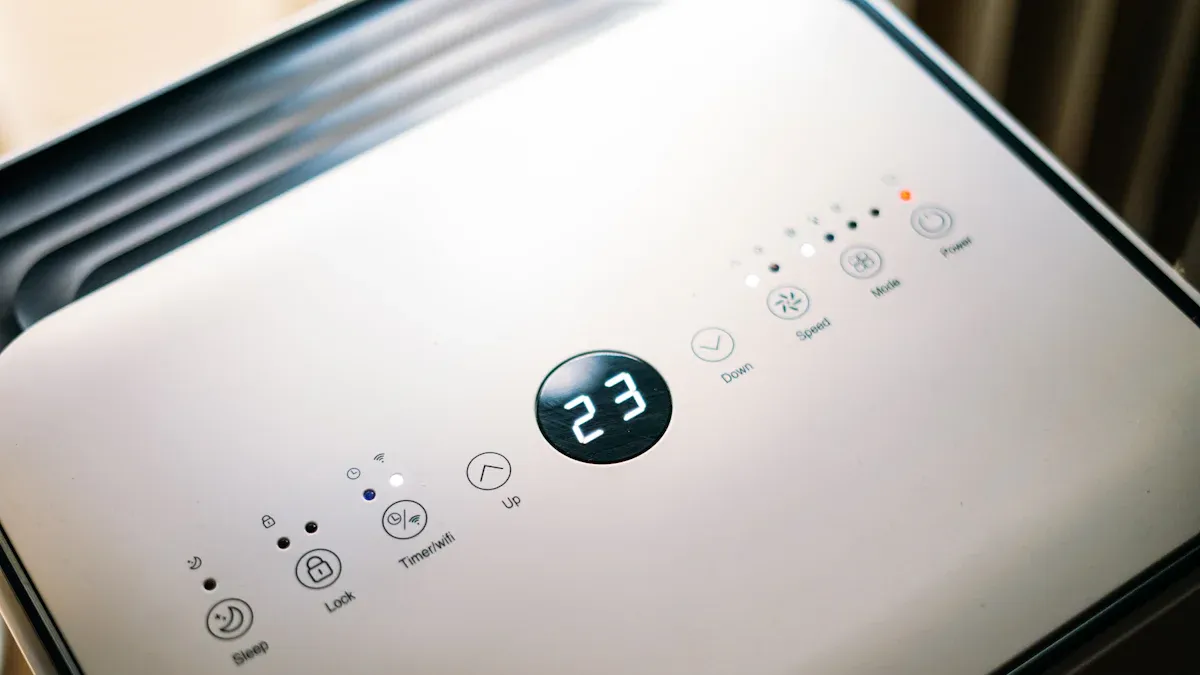
Leading providers in 2026 distinguish themselves through cutting-edge technological innovation. They implement automated environmental control systems. These integrated systems manage heating, cooling, ventilation, shading, and humidity. They rely on real-time sensor data and preset crop recipes. This ensures energy efficiency and consistent climates for high-value crops. Providers also utilize water-efficient and recirculating irrigation. These advanced drip systems, ebb-and-flow benches, or NFT channels deliver water and nutrients directly to the root zone. They also capture and reuse runoff, conserving resources and reducing fertilizer costs. Supplemental and spectrum-tuned LED lighting is another key innovation. Energy-efficient LEDs can be tuned to specific light spectra, extending day length or increasing light intensity. This ensures consistent, high-quality production year-round. AI automation, IoT sensors, and predictive climate control enhance real-time monitoring and decision-making. Sustainable and energy-efficient technologies, including renewable energy integration and energy-efficient structures, are also crucial. Emerging technologies like drone-based monitoring and blockchain for supply chain transparency further shape the market for a comprehensive smart greenhouse system.
Market Share and Project Scale of Smart Greenhouse Systems
A significant market share and the scale of completed projects define a leading provider. Companies with a large market presence demonstrate their capability and reliability. They successfully execute numerous large-scale installations. This indicates their capacity to manage complex projects and deliver effective solutions across various agricultural demands. A strong project portfolio builds trust and showcases proven expertise in diverse agricultural settings, solidifying their position in the market.
Customer Satisfaction and Support for Smart Greenhouse Systems
Exceptional customer satisfaction and robust support services are paramount for top providers. They offer comprehensive post-sales assistance, including technical support and training programs for operators. Quick problem resolution and proactive maintenance ensure smooth operations for clients, minimizing downtime. Strong customer relationships and reliable service foster long-term partnerships. This commitment to support enhances a provider’s reputation and secures repeat business, highlighting their dedication to client success.
Sustainability and Energy Efficiency in Smart Greenhouse Systems
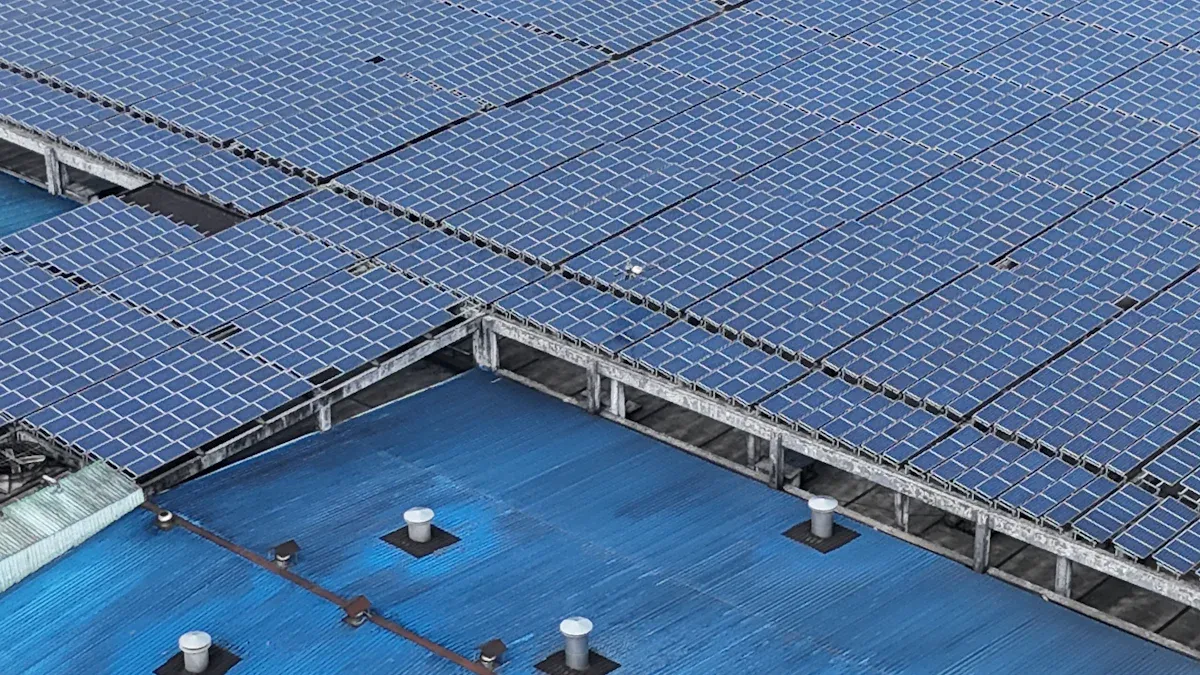
Leading providers prioritize sustainability and energy efficiency. They integrate renewable energy sources, like solar panels, into their designs. This reduces reliance on fossil fuels. Advanced insulation materials and intelligent ventilation systems minimize heat loss and gain. This lowers heating and cooling costs. Water recycling systems are also crucial. These systems capture and reuse irrigation runoff. This conserves water resources significantly. Companies also implement efficient LED lighting. These lights provide optimal spectrums for plant growth while consuming less electricity. A focus on these practices reduces the environmental footprint of a smart greenhouse system. It also lowers operational expenses for growers.
R&D Investment and Future Outlook for Smart Greenhouse Systems
Top companies heavily invest in research and development (R&D). This commitment ensures they remain at the forefront of agricultural technology. They explore new sensor technologies for more precise environmental monitoring. Robotics and automation are also key areas of focus. These innovations streamline labor-intensive tasks. Furthermore, providers research advanced data analytics and artificial intelligence. These tools offer predictive insights for crop management and disease prevention. Their R&D efforts shape the future of controlled environment agriculture. This continuous innovation allows them to offer cutting-edge solutions and adapt to evolving market demands.
Beijing Kingpeng Global Hi-Tech Corporation: A Leading Smart Greenhouse System Provider
Company Overview and Market Position
Beijing Kingpeng Global Hi-Tech Corporation stands as a preeminent leader in China’s smart agriculture sector. The company has established a strong market position through decades of experience in greenhouse engineering and agricultural technology. Kingpeng consistently delivers innovative solutions for modern horticulture. Its extensive portfolio includes large-scale commercial greenhouses, research facilities, and specialized cultivation systems. The company’s reputation for quality and technological advancement makes it a preferred partner for agricultural projects across China and internationally. Kingpeng’s commitment to research and development further solidifies its leadership in the evolving smart greenhouse market.
Key Smart Greenhouse Solutions Offered
Kingpeng offers a comprehensive suite of smart greenhouse solutions designed to optimize crop production and resource efficiency. Their advanced systems integrate various technologies for precise environmental control.
- Intelligent Climate Control System: This system automatically manages temperature, humidity, and ventilation based on real-time data and crop requirements.
- Integrated Water and Fertilizer System: It precisely delivers water and nutrients directly to plants, minimizing waste and maximizing uptake.
- CO2 Replenishment System: This system maintains optimal carbon dioxide levels, enhancing photosynthesis and plant growth.
- Side Insulation System: It improves energy efficiency by reducing heat loss during colder periods.
- Shading System: This system controls light intensity, protecting plants from excessive sunlight and managing greenhouse temperature.
- Biological Pest Control System: It employs natural methods to manage pests, reducing reliance on chemical pesticides.
- Automatic Window Opening and High-Pressure Misting: These features provide effective humidification and cooling, especially crucial in hot environments.
- Horizontal and Vertical Fans: These fans ensure uniform air circulation within the greenhouse, preventing hot spots and promoting healthy plant development.
Kingpeng also specializes in various advanced cultivation methods. These include hydroponic greenhouse systems, soilless cultivation systems, nutrient solution cultivation greenhouses, and hydroponic cultivation greenhouses. They also develop innovative fish and vegetable greenhouses, known as aquaponics. For urban and compact farming, Kingpeng provides solutions like the Home Plant Factory and Container Plant Factory, which utilize soilless cultivation techniques for efficient, localized food production.
Notable Projects and Success Stories
Kingpeng has successfully implemented numerous large-scale and technologically advanced projects, showcasing its expertise in smart greenhouse system development.
One significant achievement is the Smart Ecological Floriculture Industrial Park project. This initiative focuses on agricultural facility investments, industrial integration, technological R&D, and brand building. Kingpeng collaborated with universities for research and educational practices in floriculture. The park employs advanced Dutch greenhouse technology. This includes intelligent construction techniques, environmental control systems, and integrated water and fertilizer control. These systems allow precise adjustment of temperature, humidity, and lighting for optimal flower growth. Heating and insulation ensure robust growth even in winter, improving quality and yield to meet year-round market demand. The park utilizes robotic flower cultivation and advanced equipment like mobile irrigation machines, seedling production lines, and pot placing robots. It produces 15 million seedlings, 4 million new and superior flowers, and 5 million seasonal flowers annually, totaling 24 million flowers and generating 37 million yuan in sales. This project boosts flower yield and quality. It also drives industry transformation, offering sightseeing, science education, and leisure experiences, supporting urban greening and rural ecotourism.
Kingpeng Technology also constructed a 10-hectare smart greenhouse in Haidian District, Beijing. This project formed part of a government-led ‘vegetable basket plan’ to ensure local vegetable supply. Construction began in June 2021 and completed by December of the same year. The team overcame challenges like pandemic-related material blockages and heavy rainfall. The greenhouse design meets high Chinese and Dutch standards, with stricter safety requirements for some systems. Located near Beijing’s city center, it explores urban farming development. The greenhouse utilizes artificial light in specific areas to test optimal efficiency. It relies on a combination of Beijing thermal stations and gas boilers for heat supply, addressing Beijing’s lower winter temperatures and higher heat load requirements. The first batch of tomato seedlings has already been planted, demonstrating rapid operational readiness.
Furthermore, Kingpeng initiated the construction of the second phase of the Cuihu Smart Agriculture Innovation Center in July 2023. The first plants were introduced on May 31, 2024. This extensive project encompasses 112,000 square meters of smart greenhouses and supporting facilities. It includes 57,000 square meters dedicated to high-efficiency fruit and vegetable production, 35,000 square meters of semi-closed greenhouses, and 20,000 square meters for propagation, research, and demonstration. The glass greenhouse integrates Dutch facility agriculture technology. It features soilless cultivation, a water and fertilizer integration system, and an intelligent environmental control system. Climate corridors on the north and south sides, along with AHU climate units, ensure even distribution of heat, cooling, and CO2. This enables summer production in Beijing and creates an optimal growth environment for tomatoes.
Competitive Advantages and Future Strategies
Beijing Kingpeng Global Hi-Tech Corporation holds significant competitive advantages in the agricultural technology sector. The Beijing Municipal Bureau of Economy and Information Technology designated Kingpeng as a "Specialized, Refined, Characteristic and Novel" (SRCN) small and medium-sized enterprise. This designation represents a core evaluation system in China for high-quality SMEs. It sets the highest standards for specialization, refinement, unique characteristics, and innovation within specialized market segments. This accreditation serves as a gold standard for measuring core competitiveness. It underscores Kingpeng’s leading position in technology research and development, market competitiveness, and industry influence. This recognition also highlights the company’s established strengths across the entire industrial chain of smart agricultural equipment.
Kingpeng’s global recognition further solidifies its market standing. It is a key player in the Global Greenhouse Horticulture Market. Other prominent companies in this market include:
- Richel
- Hoogendoorn
- Dalsem
- HortiMaX
- Harnois Greenhouses
- Priva
- Ceres greenhouse
- Certhon
- Van Der Hoeven
Kingpeng’s future strategies focus on continuous innovation and market expansion. The company plans to invest further in advanced research and development. This will ensure it remains at the forefront of agricultural technology. Kingpeng aims to develop more intelligent and sustainable solutions for controlled environment agriculture. It also seeks to expand its presence in international markets. The company will leverage its proven expertise and successful project portfolio to secure new partnerships and projects globally. Kingpeng’s commitment to integrating cutting-edge technology with practical agricultural applications positions it for sustained growth and leadership.
Top Greenhouses: Dominance in Smart Greenhouse System Solutions
Company Profile and Specialization
Shandong Top Greenhouse Engineering Co., Ltd. stands as a prominent player in China’s greenhouse industry. The company specializes in the design, manufacture, and installation of various greenhouse types. These include glass greenhouses, polycarbonate sheet greenhouses, and film greenhouses. Top Greenhouses focuses on delivering comprehensive solutions for modern agriculture. They serve a wide range of clients, from commercial growers to research institutions. Their expertise lies in creating efficient and sustainable growing environments.
Innovative Technologies and Products for Smart Greenhouse Systems
Top Greenhouses integrates cutting-edge technologies into its products. They offer advanced environmental control systems. These systems precisely manage temperature, humidity, and light levels within the greenhouse. Their solutions include automated irrigation systems. These systems deliver water and nutrients efficiently to plants. The company also provides intelligent ventilation and shading systems. These features optimize growing conditions and conserve energy. Top Greenhouses develops sophisticated data monitoring platforms. These platforms allow growers to track key environmental parameters in real-time. This data helps farmers make informed decisions. Their product line supports various cultivation methods, including hydroponics and soilless culture. This comprehensive approach ensures a highly efficient smart greenhouse system for diverse agricultural needs.
Market Reach and Client Base
Top Greenhouses has established a significant market presence both domestically and internationally. The company has completed numerous projects across China. They also export their greenhouse solutions to various countries worldwide. Their client base includes large-scale commercial farms, agricultural research centers, and government-backed agricultural initiatives. Top Greenhouses demonstrates its capability to handle projects of different scales and complexities. They build strong relationships with their clients. This commitment ensures successful project implementation and long-term support.
Strengths and Growth Trajectory
Top Greenhouses demonstrates significant strengths in the greenhouse sector. The company provides comprehensive, end-to-end solutions. These solutions cover design, manufacturing, and installation. Their diverse portfolio includes glass, polycarbonate, and film greenhouses. This allows them to meet varied client needs. They integrate cutting-edge technologies. These technologies include advanced environmental controls, automated irrigation, and intelligent ventilation. These integrations ensure optimal growing conditions. Their focus on efficiency and sustainability also sets them apart.
Top Greenhouses is poised for continued growth. The company plans to invest further in research and development. This commitment will drive innovation in smart agricultural technologies. They aim to expand their global footprint. This expansion will involve entering new markets and strengthening existing international partnerships. Top Greenhouses will also focus on enhancing its data analytics capabilities. This will provide growers with more precise insights. The company’s dedication to sustainable practices aligns with global agricultural trends. This strategic approach positions Top Greenhouses for sustained leadership in the smart greenhouse system sector.
Emerging Smart Greenhouse System Innovators and Regional Champions
Identification of Key Players (e.g., Shenzhen Greenhouse Tech, Tracxn-identified startups)
China’s smart agriculture sector sees a rise in new innovators. Companies like Shenzhen Greenhouse Tech emerge as significant players. Miilkiia, a specialized manufacturer of hydroponic systems and greenhouse structures, also contributes to this growth. These firms, along with numerous Tracxn-identified startups, introduce fresh perspectives and technologies. They often focus on niche markets or specific technological advancements. These innovators challenge established providers. They drive the market forward with their agile approaches and specialized solutions.
Unique Selling Propositions and Disruptive Technologies
These emerging innovators offer distinct advantages. They integrate advanced IoT technology into their systems. They also utilize AI analytics for better decision-making. Their products feature user-friendly interfaces. This makes complex technology accessible to more growers. Real-time environmental monitoring provides immediate data. Predictive maintenance helps prevent equipment failures. Energy optimization reduces operational costs. Their solutions offer seamless integration with existing farm management systems. Many provide affordable, scalable solutions. These cater to small-to-medium-sized farms and emerging markets. They also offer comprehensive after-sales support and training services.
Market Impact and Growth Potential
These new companies significantly impact the market. They introduce disruptive technologies. This pushes the entire industry towards greater innovation. Their focus on affordability and scalability expands access to smart agriculture. This allows more farmers to adopt advanced growing techniques. They often target specific regional needs. This creates tailored solutions for diverse agricultural landscapes. Their growth potential remains high. They attract investment and foster rapid technological development. These innovators are crucial for the future evolution of China’s agricultural technology landscape.
Challenges and Opportunities for New Smart Greenhouse System Providers
New entrants into China’s smart agriculture market encounter distinct challenges. They often face high initial capital requirements. This includes investment in research, development, and manufacturing infrastructure. Established companies also present intense competition. These incumbents possess strong brand recognition and extensive client networks. New providers must also navigate complex regulatory landscapes and obtain necessary certifications. Attracting and retaining specialized talent in agricultural technology and engineering also proves difficult. Building trust and reputation among potential clients requires significant time and effort.
Despite these hurdles, numerous opportunities exist for innovative startups. The growing demand for sustainable and efficient food production creates new market segments. Niche markets, such as urban vertical farms or specialized crop cultivation, offer fertile ground for growth. Technological advancements in AI, IoT, and robotics provide avenues for differentiation. New providers can leverage these technologies to offer more precise and automated solutions. Government support for agricultural modernization initiatives also presents a significant opportunity. These policies often include subsidies and incentives for adopting advanced farming technologies. Partnerships with research institutions or larger agricultural corporations can accelerate market entry and technology development. Exporting solutions to other developing agricultural markets also expands their reach. These new providers, with their agile approaches and specialized offerings, contribute significantly to the evolution of China’s agricultural technology landscape.
Comparative Analysis of Leading Smart Greenhouse System Providers
Technology Comparison Matrix for Smart Greenhouse Systems
Leading providers distinguish themselves through advanced automation and AI integration. Modern greenhouse automation platforms feature AI-driven intelligence. They shift from reactive to proactive management. This includes AI-driven predictive crop disease diagnosis and agronomic recommendations based on real-time data. Smart data summaries provide actionable insights. These systems use machine learning and intelligent algorithms. They make predictive adjustments, coordinate equipment, and mitigate risks before they impact yield. For example, GrowDirector 4 PRO integrates advanced AI for predictive disease diagnosis. It also offers agronomic recommendations. It uses a ‘local first, cloud enhanced’ architecture for uninterrupted performance. The Argus Control System provides a powerful, integrated solution. It manages an entire horticultural facility, including climate, lighting, and advanced irrigation. Priva offers the Connext process computer. It connects and manages all greenhouse processes in one integrated system. Autogrow features the modular MultiGrow system. It manages climate and dosing for up to eight different growing zones. By 2025, the industry expects increased emphasis on AI and machine learning capabilities. This enables predictive analytics and autonomous decision-making.
Service Offerings and Customization
Providers offer diverse services and customization options. Novagric provides full turnkey greenhouse services. They act as a technological partner for controlled environment agriculture projects. Their services cover greenhouse design, structural fabrication, and technology. This includes irrigation, climate, automation, and control. They also offer greenhouse construction, advice, training, and maintenance. Novagric conducts a full project feasibility assessment. This helps them design competitive greenhouse projects tailored to specific customer needs. Yutuo offers IoT-based Intelligent Greenhouses with comprehensive environmental control. This includes temperature, light, water, fertilizer, and gas. They provide real-time data collection, remote monitoring, and automated irrigation. Yutuo also offers design plans according to customer requests. They create drawing pictures based on customer thoughts. They provide installation instructions or on-site technical guidance for their prefabricated greenhouses.
Pricing Models and Value Proposition
Pricing models for smart greenhouse systems vary significantly. They depend on the level of automation and customization.
| Supplier | Base Frame (USD/m²) | With Cladding (USD/m²) | With Full Automation (USD/m²) | MOQ (m²) |
|---|---|---|---|---|
| Hebei Fengzhiyuan | $18.50 | $26.00 | $39.75 | 1,000 |
| Sichuan Baolida | $16.80 | $24.20 | N/A | 500 |
| Foshan Lanyu | N/A | $23.50 (film/cladding only) | N/A | 2,000 |
| Sichuan Aixiang Agricultural Technology Co., Ltd. | $20.00 | $28.00 | $42.00 | 2,500 |
Sichuan Baolida offers the lowest entry point for structural frameworks. This appeals to budget-conscious buyers for small-scale installations. However, it lacks full automation packages. Myxl Greenhouse Tech And Dev Co., Ltd. specializes in higher-priced, turnkey automated greenhouses. These include pre-configured climate controllers and mobile app interfaces. Chengdu Jia Pei commands premium prices. They cater to research institutions and universities requiring precise environmental replication. They also offer flexibility in Minimum Order Quantity (MOQ) for customized builds. The most cost-effective supplier depends on project scope, timeline, and technical requirements. Buyers must weigh upfront savings against long-term maintenance, compatibility, and scalability.
Market Trends and Provider Adaptability
Leading providers in China’s smart agriculture sector actively adapt to evolving market trends. They invest heavily in advanced technologies. These include automated climate control, nutrient management systems, and sophisticated data analytics. Companies also form strategic partnerships with tech providers. This reduces costs and enhances their capabilities. They develop training programs for existing staff. This addresses the skilled labor shortages in the industry.
Many companies integrate smart technologies for environmental monitoring. Palram partners with agricultural tech firms. This enhances product functionality and expands market reach. RBI collaborates with tech startups. They integrate IoT solutions into their greenhouses. Kubo explores advancements in automation and climate control. Nexus Corporation engages in strategic alliances with tech firms. This develops more sophisticated greenhouse management software. AgrowTec specializes in hydroponic systems. They expand through partnerships with research institutions. TOP Greenhouse and Fenglong Technology invest in smart climate controls. This enhances crop yield.
International collaborations also drive innovation. Certhon and Denso launched a fully automated smart greenhouse in Japan. This integrates robotics, AI-based climate control, and automated harvesting. Netafim expanded its greenhouse-as-a-service model in Latin America. They offer turnkey systems with subscription-based fertigation and analytics support. Heliospectra rolled out adaptive LED grow lights. These adjust spectrum intensity based on plant growth stages and sensor feedback. CropX Technologies integrated its hydroponic management software with third-party climate sensors. This enables closed-loop automation. Priva launched cloud-based climate control tools. These tools are tailored for mid-sized growers. CropX Technologies (formerly Autogrow + Bluelab) specializes in modular, plug-and-play systems. These manage automation and nutrient in hydroponic greenhouses. Argus Control Systems specializes in greenhouse environment control systems. These manage temperature, humidity, CO2 enrichment, nutrient dosing, and root zone management. Iron Ox blends robotics and AI with hydroponics. This creates full-stack, self-operating farms. Growcer provides shipping container-based smart greenhouses for Arctic and remote communities. Ponix Systems specializes in compact, vertical greenhouses for urban centers. These adaptations demonstrate a strong commitment to innovation and market responsiveness.
Future Outlook for China’s Smart Greenhouse System Market
Anticipated Technological Advancements in Smart Greenhouse Systems
China’s smart greenhouse sector anticipates significant technological advancements. AI-powered climate and crop monitoring systems will integrate advanced sensors and machine learning. These systems will continuously adjust environmental variables for optimal crop outcomes. They will track humidity, temperature, CO2, and nutrient levels in real-time. This provides alerts for anomalies and recommends precise micro-adjustments. Automated modular hydroponic systems will become common. These stackable units deliver nutrient-rich water directly to plant roots. They are modular and plug-and-play, allowing for scalable farms. Urban vertical farming will integrate into smart city infrastructure. This includes multi-use complexes and residential towers featuring integrated vertical farms. Blockchain traceability for urban food security will become standard. This records each crop’s journey via an immutable digital ledger. Sustainable water recycling and zero-waste innovations will also expand. This involves onsite water recycling and nutrient loop systems. Mini urban farming units for residential and community use will utilize IoT and automated hydroponics. Mobile and EV-powered vertical farms will incorporate EV technology and AI crop monitoring for flexible deployment.
Policy and Investment Landscape
Government policies and substantial investments significantly shape China’s smart greenhouse market. Government-backed initiatives heavily invest in agritech. They provide substantial support for adopting precision agriculture technology. A strong focus on food security drives the use of smart farming solutions. These solutions maximize yields and reduce waste. China pioneers vertical farming techniques and smart greenhouse technologies due to limited arable land. The country’s agricultural modernization policies and the "Made in China 2025" strategy drive high-tech agriculture development. This includes intelligent greenhouse systems. Massive investments flow into modern agriculture and smart farming technologies. China’s manufacturing capabilities make intelligent greenhouse technologies more affordable and accessible.
Global Market Influence of Chinese Smart Greenhouse Systems
China emerges as a global leader in eco-friendly agriculture technology initiatives. Its innovative solar greenhouses set new standards in sustainable agriculture. These advancements significantly reduce carbon emissions and water usage. They contribute to global sustainability goals. The Asia Pacific region, including China, leads the Global Smart Greenhouse Market. A large and growing population, rapid urbanization, and demand for enhanced food security drive this leadership. Efficient agricultural production is also a key factor. Governments in the region, like China’s Ministry of Agriculture and Rural Affairs, actively support farming modernization. They integrate advanced technologies such as IoT and AI-driven automation.
Emerging Niche Markets for Smart Greenhouse Systems
China’s agricultural landscape sees new opportunities in specialized areas. These emerging niche markets drive innovation and expand the application of advanced cultivation technologies.
Urban farming represents a significant growth area. Many cities face increasing demand for fresh, local produce. Vertical farms and rooftop greenhouses, integrated into urban infrastructure, meet this need. They reduce food miles and enhance food security for city dwellers. These systems often utilize hydroponics or aeroponics, maximizing yield in limited spaces. They also minimize land use, a critical factor in densely populated areas.
Specialized crop cultivation also presents a lucrative market. High-value crops, such as medicinal herbs, exotic fruits, and rare ornamental plants, require precise environmental control. Growers use advanced greenhouse technology to maintain optimal conditions for these sensitive plants. This ensures consistent quality and higher market prices. This segment focuses on maximizing specific plant characteristics, like active compounds or unique flavors.
Research and development facilities increasingly adopt sophisticated greenhouse solutions. Universities, government research centers, and private companies use these controlled environments for plant breeding, genetic modification, and testing new agricultural practices. They can isolate variables and conduct experiments with high accuracy. This accelerates scientific discovery and the development of resilient crop varieties.
Educational institutions also integrate modern greenhouses. Schools and colleges use these facilities as living laboratories. Students gain practical experience in botany, environmental science, and sustainable farming techniques. This hands-on learning prepares a new generation for careers in agriculture and fosters an understanding of food systems.
Furthermore, challenging climates create demand for resilient cultivation methods. Arid regions or areas with extreme temperatures benefit from enclosed, controlled environments. These greenhouses conserve water and protect crops from harsh weather. They enable food production in previously unsuitable locations, contributing to regional food independence and economic stability.
Community and home gardening also sees a rise in smaller, automated greenhouse kits. These systems empower individuals and local groups to grow their own food efficiently. They promote sustainable living and foster community engagement around food production, making fresh produce accessible to more people.
Beijing Kingpeng Global Hi-Tech Corporation and Top Greenhouses maintain their leading positions. They provide advanced solutions. Emerging tech firms and regional champions significantly shape China’s future agricultural landscape. They introduce new ideas and technologies. Leadership in this sector comes from advanced technology. It also requires extensive project experience. A strong commitment to sustainable solutions defines top providers. These elements drive the industry forward.
FAQ
What defines a leading smart greenhouse system provider in China?
Leading providers excel in technological innovation, market share, customer satisfaction, and sustainability. They invest heavily in research and development. They offer advanced automation, AI integration, and energy-efficient solutions for optimal crop production.
Which companies are currently dominating China’s smart greenhouse market?
Beijing Kingpeng Global Hi-Tech Corporation and Top Greenhouses (e.g., Shandong Top Greenhouse Engineering Co., Ltd.) are prominent leaders. Emerging tech-focused agricultural solution providers also rapidly gain influence in the sector.
What key technologies do smart greenhouse systems utilize?
Smart greenhouses integrate AI automation, IoT sensors, and predictive climate control. They use advanced irrigation, spectrum-tuned LED lighting, and sustainable energy solutions. These technologies optimize environmental conditions for plant growth.
How do emerging innovators impact China’s smart greenhouse sector?
Emerging innovators introduce disruptive technologies and unique selling propositions. They focus on affordability, scalability, and niche markets. This drives competition, expands market access, and accelerates technological development across the industry.
What is the future outlook for China’s smart greenhouse market?
The market anticipates AI-powered climate control, automated hydroponics, and urban vertical farming integration. Government policies and significant investments will continue to drive growth. China will also increase its global influence in eco-friendly agritech.