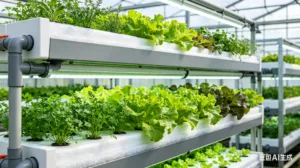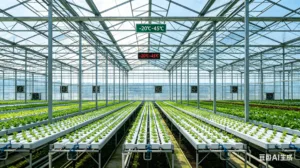
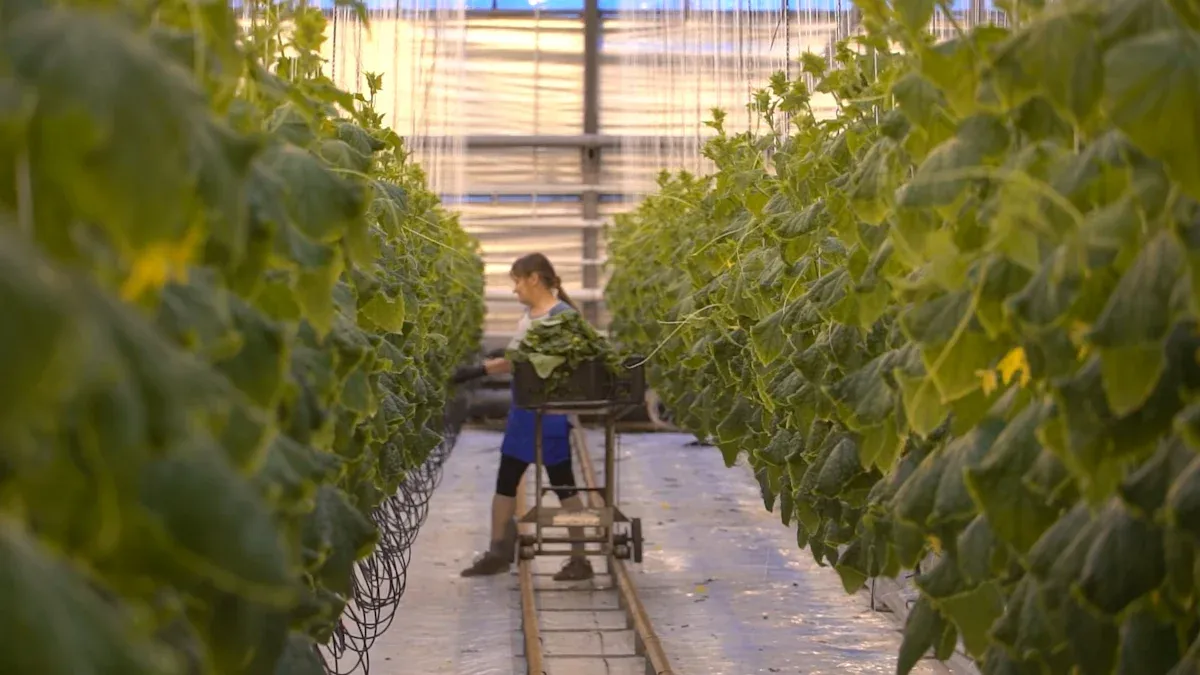
Maximizing crop yield in greenhouse farming plays a crucial role in ensuring food security and meeting market demands. This method allows for controlled environment agriculture, which can significantly enhance productivity through climate control. Year-round cultivation offers numerous benefits, including reduced seasonal fluctuations and a consistent supply to consumers. For instance, Canada’s greenhouse vegetables account for 39% of fresh produce exports, showcasing the economic potential of effective greenhouse management. By implementing high-density planting and adopting smart greenhouse technology, growers can achieve higher yields and contribute to sustainable practices in agriculture.
Key Takeaways
- Optimize temperature and humidity in your greenhouse to boost plant health and crop yield.
- Use advanced irrigation techniques like drip systems to save water and improve nutrient delivery to plants.
- Regularly test and amend your soil to ensure it has the right nutrients for healthy crop growth.
- Incorporate crop rotation and companion planting to enhance soil health and reduce pest problems.
- Leverage technology such as climate control systems and smart sensors to maintain ideal growing conditions year-round.
Optimize Environmental Conditions
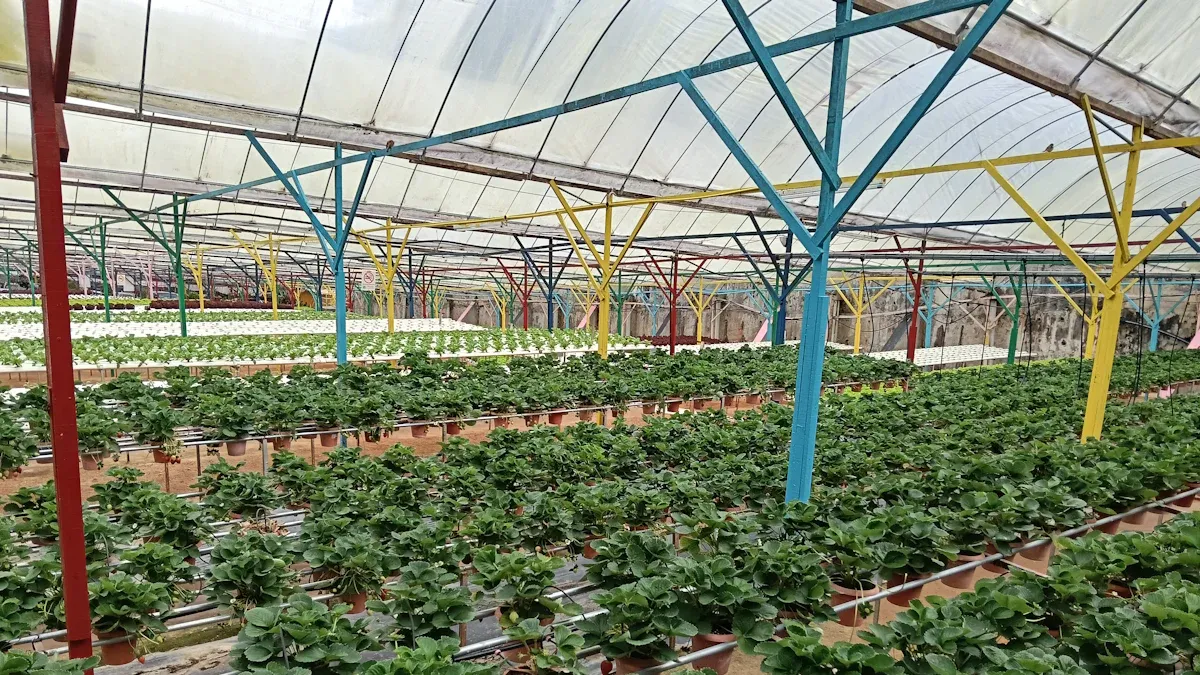
Temperature Control
Temperature control is vital for maximizing crop yield in greenhouse farming. Most common greenhouse crops thrive in a temperature range of 64°F to 75°F (18º-24ºC). For optimal growth, warm-season crops like tomatoes and peppers prefer temperatures between 70°F and 85°F (21°C to 29°C). Effective temperature management can significantly influence plant health and productivity.
| Evidence Point | Description |
|---|---|
| Temperature Impact | Temperature affects grape growth and yield quality by influencing effective accumulated temperature. |
| Growth Stages | Warming reduces the time between flowering and fruit ripening, affecting nutrient competition. |
| Nutrient Imbalance | Increased competition for nutrients leads to a decrease in sugar-acid ratio and aromatic substances. |
| Vegetative Growth | Higher temperatures accelerate growth in leaves and stems, causing excessive branching and nutrient waste. |
| Sugar Accumulation | An average temperature increase of 1.7 °C during the growing season reduces sugar accumulation in berries. |
| Comparison with Open Field | Facility cultivation has lower total sugar content and quality compared to open field cultivation due to inadequate temperature control. |
| Physiological Stress | Regulating temperature is crucial to avoid physiological stresses and ensure optimal yield and quality. |
To maintain ideal temperatures, greenhouse operators can utilize thermal screens or ventilation systems. These tools help prevent overheating, especially during peak sunlight hours. Active ventilation can also contribute to water loss, making passive temperature management essential.
Humidity Management
Humidity management plays a crucial role in disease prevention and crop productivity. Maintaining appropriate humidity levels can help avert diseases such as downy mildew and botrytis. Most crops thrive at around 80% relative humidity, but growers often target a range of 40-60% to balance disease prevention with growth efficiency.
High humidity levels can exceed 85%, creating conditions for diseases like downy mildew, which thrives in warm, humid environments. Other diseases, such as botrytis and powdery mildew, also flourish under high humidity, leading to significant crop losses. Conversely, low humidity can stress plants, reducing their growth and making them more susceptible to diseases.
Effective humidity control is vital for managing diseases and pests in greenhouses. By maintaining optimal humidity levels, growers can prevent the development of mold and mildew, enhancing both crop health and productivity.
Implement Advanced Irrigation Techniques
Drip Irrigation Systems
Drip irrigation systems represent a highly efficient method for delivering water directly to plant roots in greenhouse farming. These systems can reduce water usage by up to 50% compared to traditional irrigation methods. They provide precise amounts of water, minimizing waste and ensuring that plants receive the moisture they need for optimal growth.
- Drip irrigation maintains a constant moisture level in the soil.
- It promotes root growth and enhances both plant yield and quality.
- Government initiatives often support the adoption of these systems, recognizing their efficiency.
The benefits of drip irrigation extend beyond water conservation. This method allows for optimal application of fertilizers, which can further boost crop yield. Greenhouse crops such as tomatoes, peppers, and cucumbers thrive under this irrigation technique, leading to healthier plants and improved harvests.
Automated Watering Schedules
Automated watering schedules take irrigation efficiency to the next level. By utilizing technology, growers can significantly reduce water consumption while improving crop consistency. Research indicates that AI-supported irrigation systems can achieve an average water consumption reduction of 87.97% compared to manual irrigation methods.
| Metric | AI-Supported Irrigation | Manual Irrigation |
|---|---|---|
| Water Consumption Reduction | 87.97% average | N/A |
| Growth Consistency (F-value) | 6.841 (p = 0.012) | N/A |
| Survival Rate Variability (F-value) | 4.563 (p = 0.034) | N/A |
Automated systems not only save water but also ensure that plants receive consistent moisture levels. This consistency leads to improved growth rates and higher survival rates among crops. By integrating these advanced irrigation techniques, greenhouse operators can maximize their crop yield throughout the year.
Utilize High-Quality Soil and Nutrients
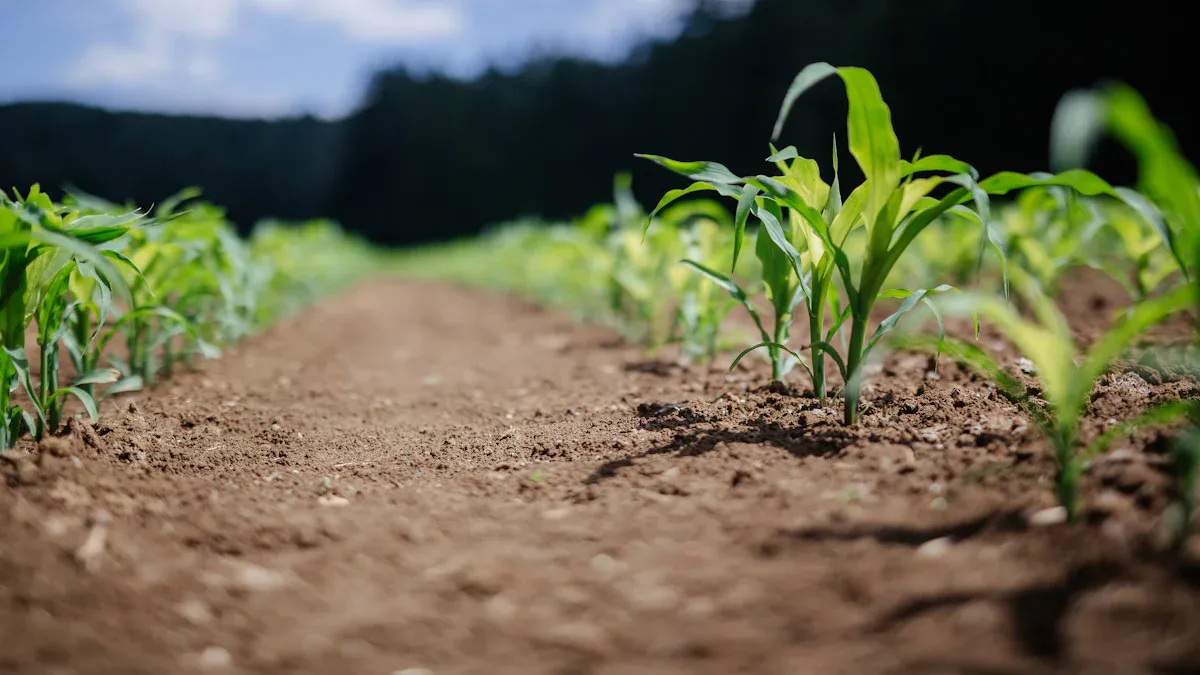
Soil Testing and Amendments
Soil testing is essential for maximizing crop yield in greenhouse farming. Accurate soil tests provide valuable information about nutrient levels and pH balance. Growers should follow these best practices for effective soil sampling:
- Take samples consistently to ensure accuracy.
- Sample in the fall for general soil tests.
- Collect cores from at least 15–20 random spots to obtain a representative sample.
- Avoid non-representative areas when sampling.
- Separate samples from problem areas for targeted treatment.
- Consider different crop histories or topographic settings when sampling.
- For diversified vegetable farms, sample by management zone block.
- Sample to plow depth in cultivated fields.
- In no-till fields, take samples at two depths: 6 inches and 2 inches.
- Use clean containers to mix core samples before analysis.
By implementing these practices, growers can enhance soil quality and nutrient availability. Optimized nutrient management practices, such as applying biochar and controlled-release fertilizers, significantly improve crop yields. These methods enhance nutrient uptake and microbial activity, leading to healthier plants and better harvests.
Organic vs. Synthetic Fertilizers
The choice between organic and synthetic fertilizers impacts both crop yield and soil health. Organic fertilizers improve soil fertility and enhance water retention. They promote complete nutrient uptake by plants without accumulating toxins in the soil. However, they can be challenging to apply precisely and may yield slower results.
In contrast, synthetic fertilizers offer better control over nutrient application and deliver faster outcomes. They are often more affordable and convenient. However, they can lead to environmental pollution and alter soil pH if overused.
Research shows that organic fertilizers can significantly increase net photosynthesis by 29.5% and fruit yield by 40.8% in greenhouse tomatoes. Additionally, they enhance soil organic matter and microbial diversity, which positively correlates with improved soil properties and crop yield.
| Type of Fertilizer | Advantages | Disadvantages |
|---|---|---|
| Organic | – Improves soil fertility and health – Better water retention – Complete nutrient uptake by plants – No accumulation of toxins in the soil |
– Difficult to apply precisely – Slower outcomes – Dependence on soil microbes |
| Synthetic | – Better command over nutrient application – Faster outcomes – Convenient application options – More affordable – Blend well with other products |
– Lack of meso- and micronutrients – Environmental pollution – Altering soil pH – Risk of overfertilization |
By carefully selecting and managing soil and nutrients, greenhouse operators can significantly enhance crop yield and sustainability.
Incorporate Crop Rotation and Diversity
Benefits of Crop Rotation
Crop rotation and diversity significantly enhance greenhouse farming. Implementing these practices leads to numerous benefits, including improved soil health and increased food production. Research from the U.S. Department of Agriculture shows that diverse crop rotations can enhance agricultural resilience. This approach not only improves individual crop outcomes but also reduces the risk of crop loss during adverse weather conditions.
| Benefit | Description |
|---|---|
| Food Production | Crop diversification increases grain and protein yields, enhancing food availability. |
| Soil Health | Improved soil health through increased soil carbon sequestration and microbial growth. |
| Greenhouse Gas Emissions | Reduction in net greenhouse gas emissions through sustainable practices. |
Crop rotation helps rebuild soil health and fight pests and diseases. By alternating crops, growers can disrupt pest life cycles and reduce the need for chemical interventions. This practice also enhances nutrient availability, leading to healthier plants and higher yields.
Companion Planting Strategies
Companion planting is another effective strategy for maximizing crop yield in greenhouses. This method involves growing different plants together to enhance growth and deter pests. Certain plants can naturally repel harmful insects, while others improve soil structure or provide necessary shade.
| Companion Planting Example | Pest Control Benefit | Yield Benefit |
|---|---|---|
| Corn with Squash | Disorients squash vine borer | Higher total yields |
| Cowpea with Sorghum | Protects cowpeas from striped bean weevil | Enhanced crop protection |
For instance, onions and garlic can deter aphids and caterpillars, reducing the need for chemical pesticides. Additionally, legumes enrich the soil by fixing nitrogen, while flowering plants attract pollinators, leading to increased fruit and vegetable production. By integrating these strategies, greenhouse operators can create a more sustainable and productive growing environment.
Leverage Technology and Automation
Climate Control Systems
Climate control systems play a pivotal role in optimizing greenhouse farming. These systems automate temperature and humidity management, ensuring ideal conditions for plant growth. By transitioning from manual controls to automated systems, growers can enhance environmental monitoring. This shift allows for precise adjustments based on real-time data, leading to improved crop uniformity and faster growth cycles.
| Improvement Area | Measurable Impact |
|---|---|
| Water Usage | Reduced by up to 25% |
| Energy Consumption | Reduced by up to 15% |
| Operational Footprint | Reduced through precision monitoring |
| Equipment Longevity | Extended lifespan due to reduced wear |
For instance, growers using BioTherm report cost savings of 20% to 40% by optimizing heating methods. This efficiency not only lowers operational costs but also enhances propagation success rates. At Lucas Greenhouses, decades of data confirm that sustained root zone heating leads to quicker rooting cycles, maximizing space efficiency and profitability.
Smart Environmental Sensors
Smart environmental sensors significantly enhance crop management in greenhouses. These devices monitor critical factors such as temperature, humidity, and light levels. By maintaining optimal conditions, sensors improve photosynthesis efficiency and nutrient uptake. This technology allows for year-round cultivation, mitigating seasonal challenges.
| Benefit | Explanation |
|---|---|
| Optimized Photosynthesis | Smart sensors maintain optimal temperature conditions, enhancing photosynthesis efficiency. |
| Improved Nutrient Uptake | Precise control of temperature and humidity facilitates better nutrient absorption by plants. |
| Year-round Cultivation | Sensors help mitigate seasonal challenges, allowing for consistent crop production throughout the year. |
| Disease Risk Reduction | Monitoring humidity levels prevents conditions favorable for fungal diseases, promoting plant health. |
| Enhanced Crop Quality | Proper humidity control improves the appearance, taste, and nutritional value of harvested produce. |
By integrating these technologies, greenhouse operators can maximize crop yield and sustainability. Automation reduces manual labor and resource consumption, creating optimal growing conditions for healthier plants.
Enhance Pest and Disease Management
Integrated Pest Management (IPM)
Integrated Pest Management (IPM) combines various strategies to manage pests effectively while minimizing pesticide use. This approach helps keep pest levels below economic thresholds, which is crucial for maintaining crop health. Recent research highlights several effective strategies within IPM:
| Strategy Type | Description |
|---|---|
| Integrated Pest Management | Combines various control strategies to keep pest levels below economic thresholds, reducing pesticide use. |
| Nanotechnology | Utilizes engineered nanomaterials to improve the efficacy and targeting of pesticides. |
| Biological Controls | Employs natural predators or pathogens to manage pest populations. |
| Preventive Measures | Involves practices that reduce the likelihood of pest and disease outbreaks before they occur. |
Implementing IPM can lead to significant benefits. For instance, one greenhouse grower achieved a 75% reduction in pesticide use, resulting in better plant productivity and lower costs associated with pest management.
Biological Control Methods
Biological control methods offer an effective way to manage pests in greenhouse farming. These methods involve using natural predators or pathogens to keep pest populations in check. Some effective biological control strategies include:
- Utilizing banker plants to enhance natural enemy populations.
- Introducing natural enemies before pest detection, such as using wheat plants with wheat aphids to attract predators.
- Employing slow-release systems like the sachet-system for gradual introduction of predatory mites.
Successful biological control agents exhibit several key traits:
- Efficient searching ability.
- High parasitism or predation rate.
- High reproductive potential.
- Minimal handling time.
- Ability to survive at low prey densities.
- Adaptability to a wide range of environmental conditions.
By releasing biological control agents into greenhouses, growers can effectively manage pest populations and maintain crop health. These methods help ensure that pest levels remain below damaging thresholds, promoting sustainable greenhouse farming practices.
Maximize Light Utilization
Supplemental Lighting Options
Supplemental lighting plays a crucial role in enhancing crop yield during low-light periods in greenhouse farming. Studies show that this additional light can significantly boost photosynthetic efficiency and overall crop production, especially during winter months. Growers can benefit from extending photoperiods, which improves light use efficiency (LUE) and reduces operational costs associated with lighting.
- Benefits of Supplemental Lighting:
- Enhances photosynthetic efficiency.
- Increases overall crop production during low-light periods.
- Reduces operational costs linked to lighting.
Previous research has demonstrated that longer photoperiods lead to increased growth rates for various vegetables and strawberries. By integrating supplemental lighting, greenhouse operators can ensure consistent crop yields throughout the year, regardless of natural light availability.
Reflective Surfaces and Layout
Utilizing reflective surfaces and optimizing plant layout can significantly improve light distribution in greenhouses. Reflective materials enhance light interception by redirecting sunlight back to the crop canopy. This technique particularly benefits plants located near the reflectors.
- Advantages of Reflective Surfaces:
- Increases light interception for better crop growth.
- Leads to higher crop yields and improved quality.
- Enhances bioactive components in fruits, such as blueberries and apples.
Strategic plant layouts also ensure that all plants receive adequate illumination. By combining reflective surfaces with thoughtful arrangements, growers can maximize light utilization and promote healthier, more productive crops.
Practice Sustainable Growing Techniques
Water Conservation Methods
Water conservation is essential for sustainable greenhouse farming. Implementing effective methods can significantly reduce water usage while maintaining crop health. Here are some proven techniques:
- Soil mulching: This technique helps retain moisture in the soil, reducing evaporation.
- Maximizing irrigation efficiency: Utilizing drip irrigation systems can cut water use by over 50%.
- Early diagnosis of water stress: Monitoring plants for signs of stress allows for timely irrigation, ensuring optimal growth.
Additionally, growers can capture condensate from HVAC systems and recycle unused irrigation water. Sealing grow media can further minimize water loss through evaporation. Targeting irrigation directly at the root zones of plants enhances efficiency, ensuring that crops receive the necessary moisture without waste.
Recent studies indicate that greenhouses employing recirculating hydroponic systems can reduce irrigation water use by more than 50%. Indoor farms that recycle both irrigation and transpired water can use 70-90% less water than traditional outdoor farms. These practices not only conserve water but also contribute to overall sustainability.
Renewable Energy Sources
Integrating renewable energy sources into greenhouse operations enhances sustainability and reduces costs. Transitioning to solar, wind, and geothermal energy can significantly lower greenhouse gas emissions. For instance, effective biomass conversion technologies can reduce emissions by 0.30–1.34 gigatons (Gt) CO2e annually.
- Geothermal, wind, and wave energy: These sources provide electricity and heat for greenhouses, supporting energy needs while promoting sustainable practices.
- Combined Heat and Power (CHP): This advanced technology improves energy efficiency by utilizing residual energy, decreasing reliance on fossil fuels.
By adopting renewable energy solutions, greenhouse operators can create a more sustainable and cost-effective production system. This transition not only supports energy needs but also contributes to sustainable water production and hydrogen generation, enhancing overall efficiency.
Regular Maintenance and Upkeep
Equipment Checks and Repairs
Regular maintenance and equipment checks are essential for maximizing greenhouse productivity. Growers should schedule routine maintenance twice a year to ensure all systems operate efficiently. This proactive approach helps prevent failures in high-humidity environments. Key systems, such as ventilation and heating, require regular inspections to maintain optimal performance.
Here are some recommended protocols for effective equipment checks:
- Read your Operations and Maintenance (O&M) manual: Familiarity with operational guidance helps prevent issues before they arise.
- Inspect vents regularly: Ensure proper operation and alignment to catch problems early.
- Re-time your environmental controller after repairs: Synchronization between vent motors and controllers avoids system failures.
- Double-check switches: Ensure manual switches return to auto to prevent operational issues.
- Maintain greenhouse sensors: Regularly clean and check sensors for accurate data.
- Stock spare parts: Keep essential spare parts on hand for quick emergency responses.
- Diagnose leaks properly: Investigate the source of leaks to avoid unnecessary repairs.
By adopting a comprehensive maintenance plan, growers can enhance both mechanical and environmental controls, ensuring optimal conditions for plant growth.
Cleaning and Sanitation Protocols
Cleaning and sanitation are critical components of greenhouse management. Maintaining a clean environment reduces the risk of disease and pest infestations. Growers should implement strict sanitation protocols to protect crops and ensure healthy yields.
Regular cleaning tasks include:
- Removing debris: Clear out plant residues and organic matter that can harbor pests and diseases.
- Disinfecting surfaces: Use appropriate cleaning agents to sanitize tools, benches, and equipment.
- Monitoring water quality: Regularly test and treat irrigation water to prevent contamination.
By prioritizing cleaning and sanitation, greenhouse operators can create a healthier growing environment. This diligence not only enhances crop quality but also contributes to long-term productivity and sustainability.
Educate and Train Staff
Ongoing Training Programs
Training staff in greenhouse operations is essential for maximizing productivity and ensuring sustainable practices. Ongoing training programs equip employees with the latest knowledge and skills. Several effective training options exist for greenhouse staff:
- The GLASE Consortium offers short courses funded by the USDA, free webinars, and industry events to enhance staff training.
- The Greenhouse Course Catalog serves as a centralized resource, making it easier for professionals to find relevant academic training programs.
- The CEA Works program provides self-paced online training designed for key roles in controlled environment agriculture, ensuring participants acquire essential skills.
By investing in these training programs, greenhouse operators can foster a knowledgeable workforce capable of adapting to new technologies and practices.
Knowledge Sharing and Best Practices
Knowledge sharing plays a critical role in improving greenhouse productivity and innovation. Research indicates that effective knowledge management practices facilitate green innovation and support environmental risk management. A recent study by Mardani et al. (2018) explores the relationship between knowledge management and innovation performance. Additionally, Aksu and Akman (2024) investigate how eco-innovation determinants influence the sustainability performance of small and medium-sized enterprises (SMEs).
| Study | Findings |
|---|---|
| Mardani et al. (2018) | Explores the relationship between knowledge management and innovation performance. |
| Aksu and Akman (2024) | Investigates how eco-innovation determinants influence sustainability performance of SMEs. |
| Sahoo et al. (2023) | Demonstrates that effective knowledge management practices facilitate green innovation and support environmental risk management. |
By encouraging knowledge sharing among staff, greenhouse operators can create a culture of continuous improvement. This culture not only enhances productivity but also drives innovation, leading to better crop yields and sustainable practices.
Maximizing crop yield in greenhouses is essential for sustainable agriculture and food security. Implementing effective strategies can lead to significant improvements in productivity.
Here is a summary of the ten strategies discussed:
- Optimize environmental conditions.
- Implement advanced irrigation techniques.
- Utilize high-quality soil and nutrients.
- Incorporate crop rotation and diversity.
- Leverage technology and automation.
- Enhance pest and disease management.
- Maximize light utilization.
- Practice sustainable growing techniques.
- Regular maintenance and upkeep.
- Educate and train staff.
By focusing on key factors such as optimizing climate conditions, improving soil properties, and managing water effectively, growers can achieve better yields. Adopting these strategies will enhance greenhouse productivity and contribute to a more sustainable future. 🌱
FAQ
What is the ideal temperature range for greenhouse crops?
Most greenhouse crops thrive in temperatures between 64°F and 75°F (18°C to 24°C). Warm-season crops, like tomatoes and peppers, prefer temperatures between 70°F and 85°F (21°C to 29°C) for optimal growth.
How can I improve soil quality in my greenhouse?
Conduct regular soil tests to assess nutrient levels and pH balance. Amend the soil with organic matter, such as compost or biochar, to enhance fertility and microbial activity, leading to healthier plants.
What are the benefits of using drip irrigation?
Drip irrigation delivers water directly to plant roots, reducing water usage by up to 50%. This method promotes efficient nutrient uptake and minimizes waste, resulting in healthier plants and improved crop yields.
How does crop rotation benefit greenhouse farming?
Crop rotation enhances soil health, reduces pest and disease risks, and improves nutrient availability. Alternating crops disrupts pest life cycles and promotes biodiversity, leading to higher yields and more resilient crops.
What role does technology play in greenhouse management?
Technology, such as climate control systems and smart sensors, optimizes environmental conditions. These tools automate monitoring and adjustments, ensuring consistent growth conditions and maximizing crop yield throughout the year.