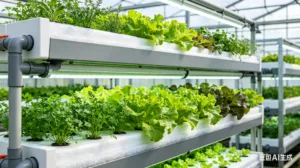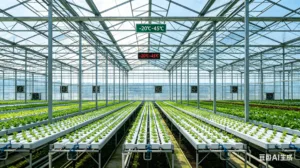
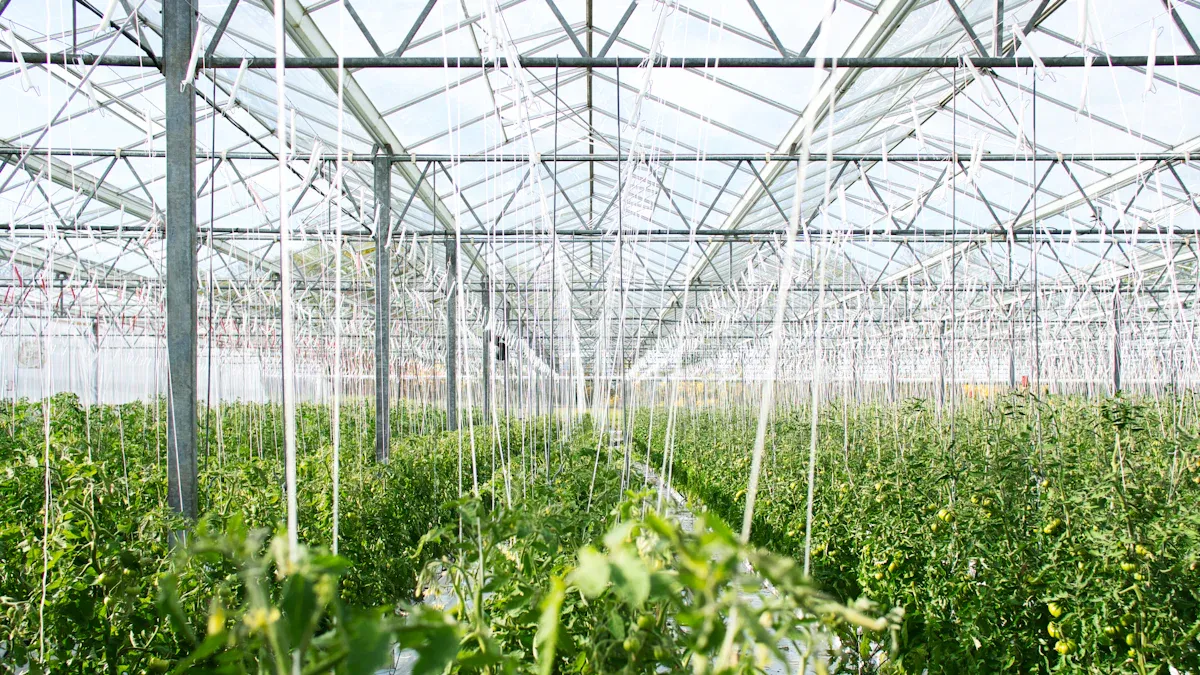
Multi-span greenhouses provide robust stability against various weather conditions. These energy-saving multi-span structures excel in creating a controlled environment for plants, ensuring optimal growth. Greenhouse thermal insulation, particularly through the use of a multi-span greenhouse with insulation quilt, plays a significant role in maintaining temperature and enhancing energy efficiency. This combination helps achieve year-round greenhouse production, creating ideal conditions for successful cultivation, regardless of external climate challenges. So, what is a multi-span greenhouse used for? It is designed to support the growth of plants in a stable and efficient manner.
Key Takeaways
- Multi-span greenhouses provide stability against harsh weather, ensuring optimal plant growth year-round.
- Insulation quilts minimize heat loss, maintaining stable temperatures and reducing heating costs significantly.
- Choosing high-quality, durable materials for insulation quilts enhances their effectiveness and lifespan, making them a wise investment.
- Regular maintenance and inspection of insulation quilts are essential to prevent issues like humidity buildup and ensure optimal performance.
- Investing in insulation quilts aligns with sustainable practices, improving energy efficiency and reducing the carbon footprint of greenhouse operations.
Weather Challenges for Multi-Span Greenhouses
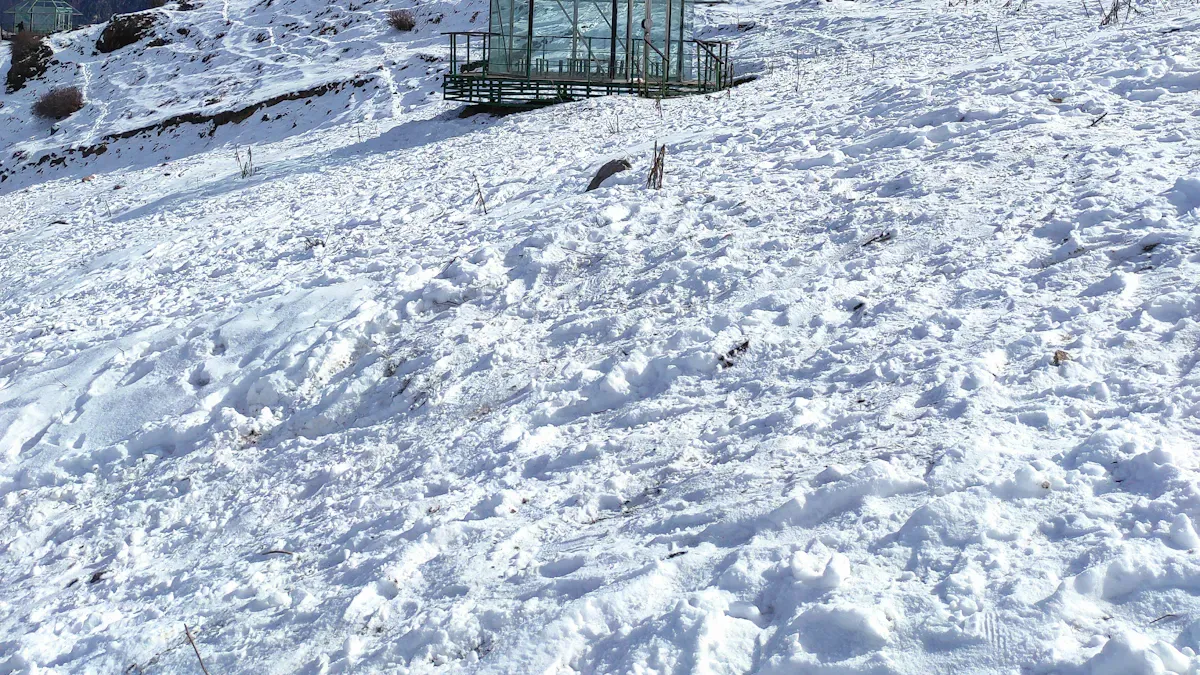
Multi-span greenhouses face various weather-related challenges that can impact their structural integrity and the health of the plants inside. Understanding these challenges is crucial for greenhouse operators aiming to maintain optimal growing conditions.
-
Strong Winds: High winds can cause significant physical damage to plants and create structural stress on greenhouses. This stress may lead to costly repairs and even compromise the greenhouse’s overall stability. Operators must consider wind resistance when designing and maintaining their structures.
-
Heavy Rain: Excessive rainfall can lead to waterlogged soil, which increases the risk of root rot and fungal diseases. While greenhouses protect crops from direct exposure to rain, they can still struggle with humidity levels. Proper drainage systems and ventilation are essential to mitigate these risks.
-
Cold Temperatures: Frost and cold snaps pose a serious threat to plant health. Insulation quilts play a vital role in reducing heat loss during these colder months. They help maintain a stable internal temperature, crucial for protecting plants from frost damage. The materials used in these quilts, such as polymer EVA thermal insulation cotton, effectively trap heat, ensuring that plants remain warm even during freezing winters.
-
Pests and Diseases: Weather conditions can also influence pest populations and disease outbreaks. Greenhouses serve as a barrier against many pests, significantly reducing the need for pesticides. However, maintaining a controlled environment is essential to prevent the spread of diseases that thrive in humid conditions.
The following table summarizes key findings related to the impact of wind on multi-span greenhouses:
| Key Findings | Description |
|---|---|
| Film Uplift | Under extreme wind loads, plastic greenhouses often experience film uplift, leading to structural instability and crop damage. |
| Role of Film-Tensioning Lines | Film-tensioning lines enhance wind resistance, yet they often receive limited attention. |
| Wind-Induced Response | Finite element software analyzes the wind-induced responses of greenhouses under various loading scenarios. |
| Stiffness Enhancement | Introducing film-tensioning lines significantly enhances the stiffness of the film and skeletons, optimizing stress distribution. |
| Dynamic Wind Loads | The reinforcing effect of film-tensioning lines is more pronounced under dynamic wind loads, limiting skeleton displacement and reducing shear stress. |
By addressing these weather challenges, operators can enhance the resilience of their multi-span greenhouses, ensuring a stable environment for plant growth throughout the year.
Understanding Insulation Quilts
Insulation quilts play a pivotal role in enhancing the efficiency of multi-span greenhouses. These quilts consist of various materials designed to provide thermal insulation, ensuring a stable internal environment for plants. By minimizing heat loss, insulation quilts help maintain optimal temperatures, even during extreme weather conditions.
Several materials are commonly used in the construction of insulation quilts. Each material offers unique features that contribute to the quilt’s overall effectiveness. The following table summarizes these materials and their characteristics:
| Material | Features |
|---|---|
| Canvas | Durable, lightweight, and reusable. |
| Glass fiber cloth | High temperature resistance and good thermal insulation properties. |
| Three-proof cloth | Resistant to water, fire, and chemicals. |
| Fireproof cloth | Excellent fire resistance and thermal insulation. |
| Thermal insulation cotton | Provides effective heat preservation. |
| High temperature resistant cloth | Suitable for extreme conditions, maintaining stability in various environments. |
| Refractory cotton felt | High temperature resistance, used in specialized applications. |
| Fire-resistant thermal insulation quilts | Good thermal insulation effect, lightweight, and durable. |
| PVC cloth | Water-resistant and easy to handle. |
| Oxford cloth | Lightweight and durable, suitable for various applications. |
| Felt | Provides good insulation and is easy to work with. |
| Glass wool | Effective thermal insulation, lightweight. |
| Rock wool | Excellent thermal and acoustic insulation properties. |
The lifespan of typical insulation quilts used in multi-span greenhouses is about 10 years. This longevity significantly surpasses traditional options, which typically last only 3 to 5 years. Such durability makes insulation quilts a wise investment for greenhouse operators seeking to enhance energy efficiency and plant health.
Benefits of Insulation Quilts in Multi-Span Greenhouses
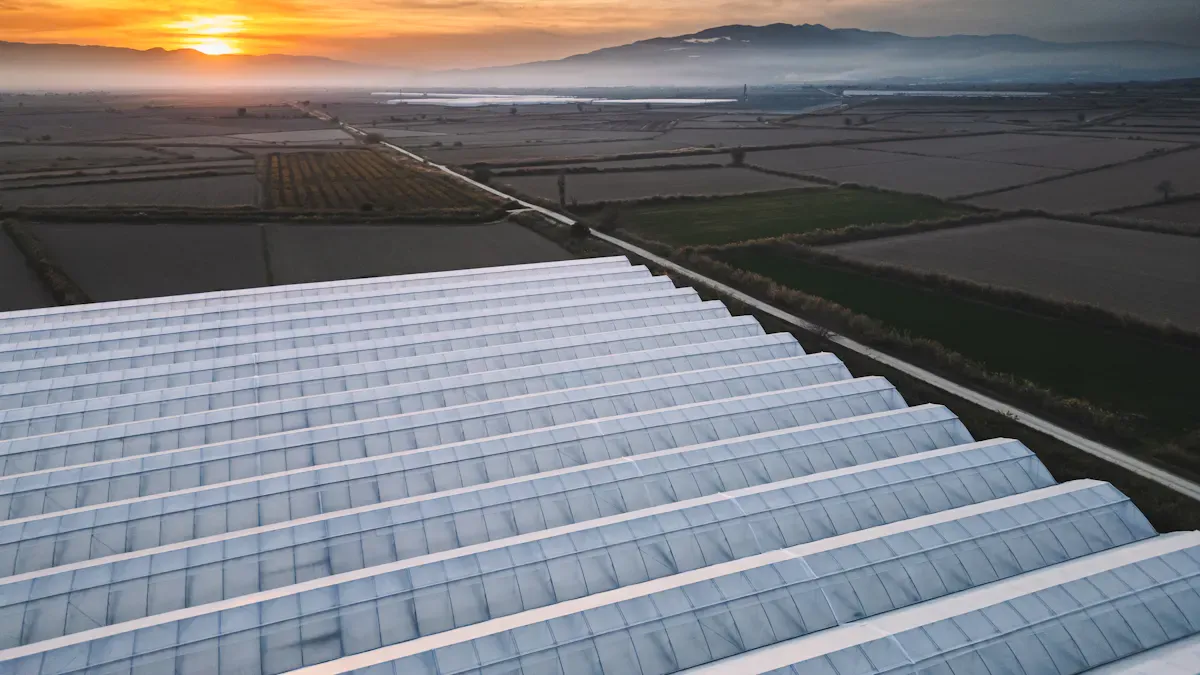
Insulation quilts offer numerous advantages for multi-span greenhouses, significantly enhancing their efficiency and effectiveness. These benefits include improved temperature regulation, reduced heating costs, and enhanced crop quality and yield.
- Temperature Regulation: Insulation quilts maintain stable internal temperatures, crucial for plant health. They minimize heat loss during cold weather, ensuring that crops remain warm. Research shows that fully water-saturated quilts have a thermal resistance of 0.526 m² K/W, which leads to a 40% increase in heat dissipation. This stability prevents temperature fluctuations that can stress plants.
| Condition | Thermal Resistance (m² K)/W | Curtain-Opening Temperature (°C) | Heat Dissipation (MJ) | Heat Dissipation Increase (%) |
|---|---|---|---|---|
| Fully Water-Saturated Quilts | 0.526 | 7.56 | 1043 | 40% |
| Dry Insulation Quilts | – | – | – | – |
- Cost Efficiency: Insulation quilts significantly reduce heating costs. By utilizing insulated walls and thermal screens, multi-span greenhouses can maintain steady temperatures. This efficiency translates to lower energy bills. For instance, the average night temperature with different insulation types varies, with bubble film achieving an average of 12.5°C and a heat loss resistance of 17% to 36%.
| Insulation Type | Average Night Temperature (°C) | Heat Loss Resistance (%) |
|---|---|---|
| Polyethylene | 8.1 | 8% – 22% |
| Polypropylene | 10.3 | 17% – 36% |
| Bubble Film | 12.5 | 17% – 36% |
| Without Screens | 5.9 | N/A |
- Crop Quality and Yield: Insulation quilts contribute to better crop quality and yield. They help manage humidity levels by acting as a vapor barrier, preventing excessive evaporation or condensation. This management is vital for plant health. Additionally, the translucent nature of modern quilted fabrics diffuses sunlight evenly, promoting better photosynthesis.
| Benefit | Explanation |
|---|---|
| Thermal Efficiency | Insulation quilts help maintain stable internal temperatures, reducing heat transfer and avoiding temperature stratification. |
| Humidity Management | They act as a vapor barrier, managing moisture levels and preventing excessive evaporation or condensation. |
| Light Diffusion | The translucent nature of modern quilted fabrics diffuses sunlight evenly, promoting better photosynthesis and uniform plant growth. |
Selecting and Maintaining Insulation Quilts
Choosing the right insulation quilts for multi-span greenhouses requires careful consideration of several factors. Operators should prioritize the following aspects:
- Material Quality: Select durable, weather-resistant, and non-toxic fabrics. These materials must withstand various environmental conditions.
- Fire Safety: Opt for insulation treated with fire-retardant coatings. This choice ensures compliance with safety regulations.
- Health Impact: Choose low-VOC materials to maintain air quality. This consideration is crucial for the safety of both plants and workers.
- Durability: Look for reinforced fabrics that resist wear and tear. This durability extends the lifespan of the insulation quilts.
- Installation Safety: Ensure proper mounting techniques. This step prevents accidents during installation.
- Maintenance: Regularly inspect insulation for damage. Safe handling during repairs is essential to maintain effectiveness.
When comparing different types of insulation quilts, operators should consider their insulation value, durability, and ease of installation. The following table summarizes these characteristics:
| Type | Insulation Value | Durability | Installation Ease | Best Climate |
|---|---|---|---|---|
| Reflective Quilts | Medium | Good | Excellent | Mild to temperate |
| Double-Layered Quilts | Excellent | Very Good | Good | Cold or variable |
| Hoop-Supported Quilts | Fair | Fair | Excellent | Moderate or seasonal |
| Bubble Pack Quilts | Good | Good | Excellent | All (with proper UV protection) |
Cost considerations also play a significant role in selecting insulation quilts. Operators should evaluate the following factors:
| Cost Factor | Details |
|---|---|
| Price per Unit Area | Compare costs in $/square meter for accurate benchmarking between products. |
| Minimum Order Quantity (MOQ) | Ensure the MOQ aligns with your greenhouse’s total surface area to avoid excess inventory. |
| Installation Complexity | Factor in labor and hardware costs for systems requiring specialized mounting. |
| Energy Savings Payback | Calculate how long the reduced heating costs will take to offset the initial investment. |
Maintaining insulation quilts involves addressing common issues that may arise. Operators should be aware of the following challenges:
| Issue | Explanation |
|---|---|
| Lighting Efficiency | Internal insulation blankets can block natural light, affecting plant growth and yield. |
| Insufficient Temperature | Thin blankets may not provide adequate heat retention, risking cold stress for plants at night. |
| Ventilation Issues | Blankets can obstruct airflow, leading to high humidity and increased risk of pests and diseases. |
| Operational Complexity | Managing blankets in large spaces is labor-intensive and can lead to increased maintenance costs. |
| Cost-efficiency | Long-term use can be expensive due to maintenance and limited effectiveness, straining budgets. |
By carefully selecting and maintaining insulation quilts, greenhouse operators can enhance the stability and efficiency of their multi-span greenhouses, ensuring optimal growing conditions year-round.
Insulation quilts are vital for maximizing the benefits of multi-span greenhouses. They provide reliable solutions for maintaining optimal growing conditions by stabilizing internal temperatures and minimizing heat loss. Quality insulation quilts can elevate average night-time temperatures by 1.4–3.3 °C, significantly enhancing plant growth.
Investing in these quilts leads to improved energy efficiency and a lower carbon footprint, aligning with sustainable agricultural practices. Overall, insulation quilts enhance greenhouse performance, ensuring a productive and stable environment for crops throughout the year.
FAQ
What is a multi-span greenhouse?
A multi-span greenhouse features multiple connected arches or spans. This design maximizes space and stability, allowing for efficient plant growth and better environmental control.
How do insulation quilts work?
Insulation quilts trap air and reduce heat loss. They maintain stable temperatures inside the greenhouse, protecting plants from extreme weather conditions.
What materials are used in insulation quilts?
Common materials include thermal insulation cotton, glass fiber cloth, and PVC. Each material offers unique benefits, such as durability and thermal resistance.
How often should insulation quilts be replaced?
Typically, insulation quilts last about 10 years. Regular inspections help determine when replacement is necessary to maintain optimal performance.
Can insulation quilts improve energy efficiency?
Yes, insulation quilts significantly reduce heating costs by minimizing heat loss. This efficiency leads to lower energy bills and a more sustainable greenhouse operation.