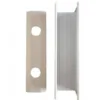
Deep & Easy-to-Maintain – Perfect for Large-Scale Hydroponic Systems
Application Scenarios
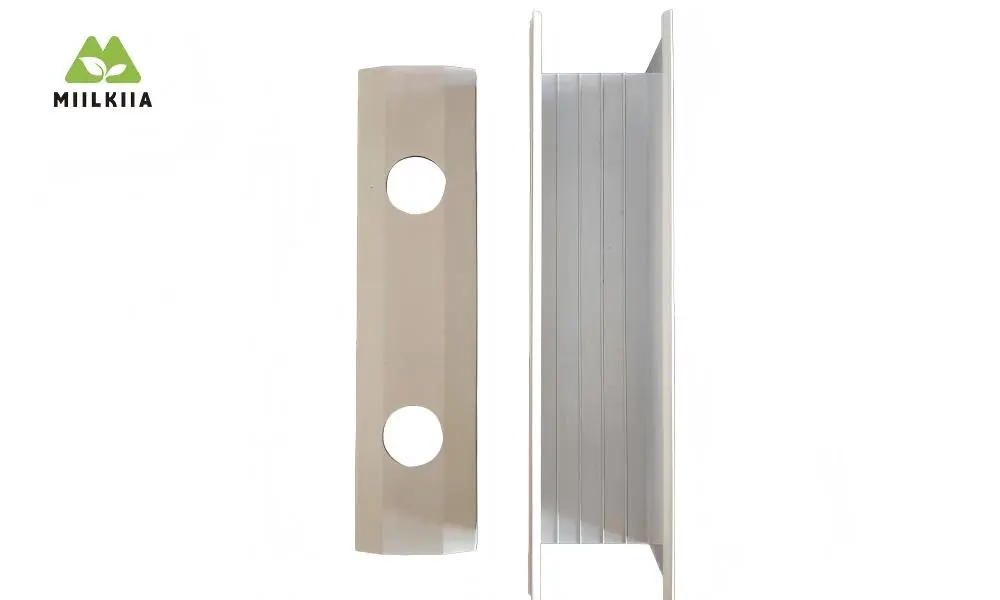
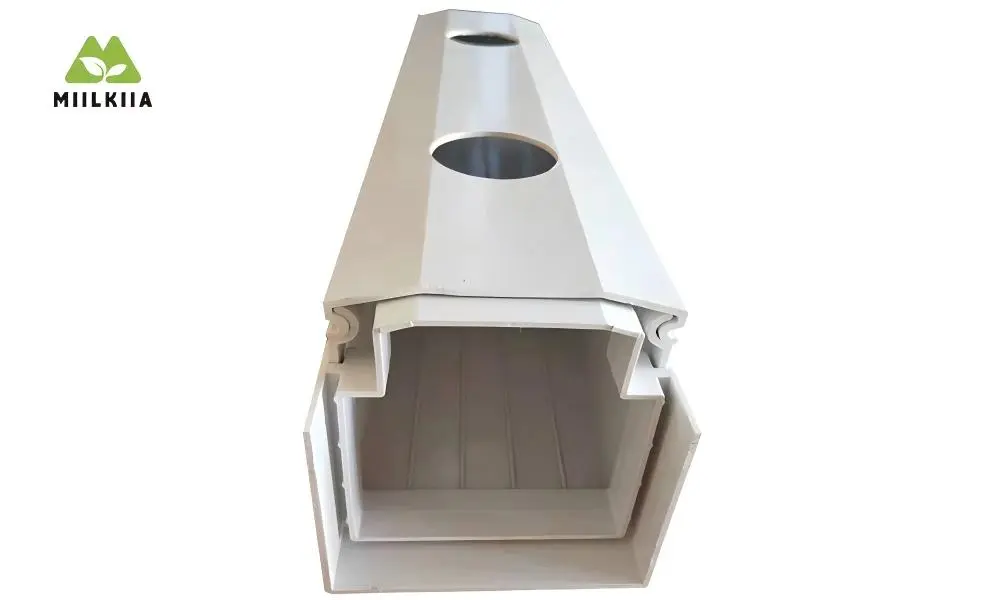
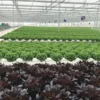
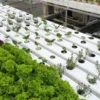
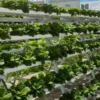
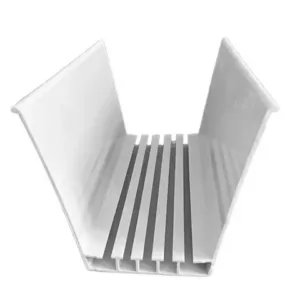
✅ Commercial Hydroponic Farms – This robust channel is perfect for large-scale hydroponic systems, supporting heavy crops like tomatoes and cucumbers. The openable design facilitates root inspection and cleaning, ensuring continuous crop health.
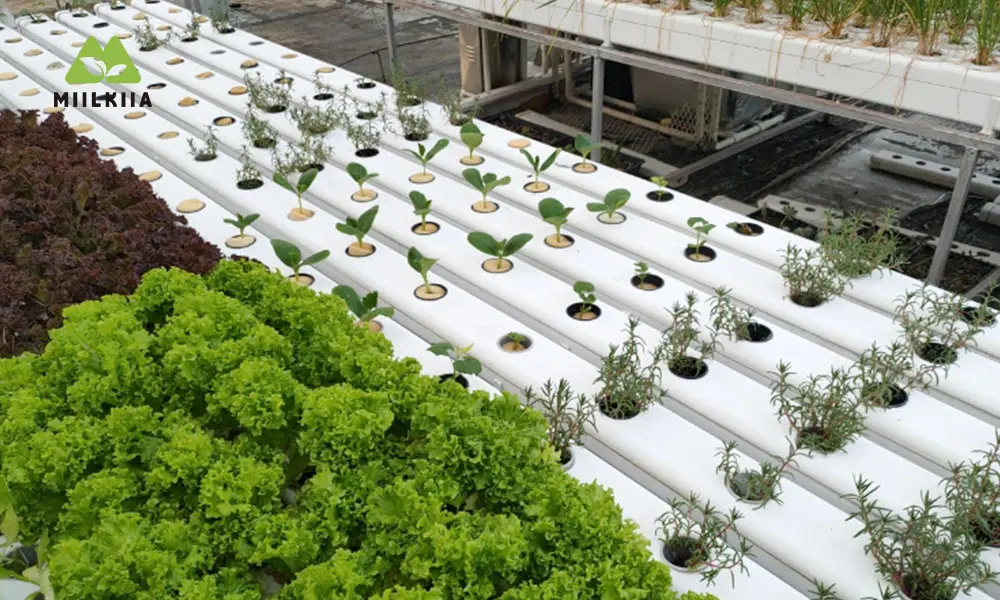
✅ Greenhouse Installations – Ideal for greenhouses where space efficiency is key. The 100×100 mm size accommodates larger plants, offering plenty of room for root systems to thrive while maintaining ease of maintenance.
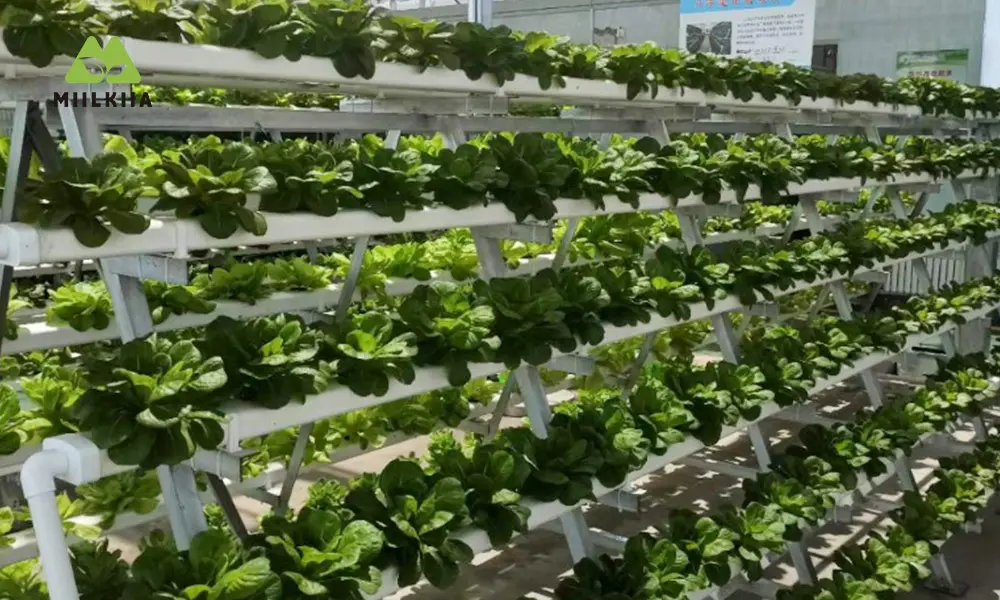
✅ High-Volume Vegetable Production – For commercial growers looking to scale their operations, this channel offers the durability and space needed to grow high-yield crops in bulk, while its openable feature ensures long-term productivity and easy maintenance.
Recommended Accessories
Large net pots (40mm/50mm)
High-flow irrigation system
Heavy-duty mounting brackets
Water Quality Monitoring Tools: PH Meter, TDS/EC Meter
FAQ
Q1: How does this channel perform in a commercial setup?
A1: It’s ideal for large-scale commercial systems due to its capacity and maintainability..
Q2: Why is the openable design important?
A2: The openable design gives you easy access to the roots and the inside of the channel, making it easier to inspect for any issues like nutrient buildup or root rot. It also allows for efficient cleaning of the system, which is crucial when growing larger plants with more significant root systems. Ensuring proper maintenance prevents clogging, keeping the system running smoothly for better plant growth.
Q3: Is this channel compatible with automated systems?
A3: Yes, the 100×100 mm channel is compatible with most automated hydroponic systems, including irrigation and nutrient delivery systems.
Learn what hydroponic grow channels are used for, how NFT growing channels work, and where they fit in modern hydroponic equipment and hydroponic growing systems.
Learn practical ways to improve greenhouse energy efficiency with better structure, thermal screens, ventilation, monitoring, and crop-specific system design.