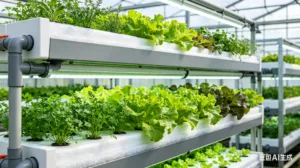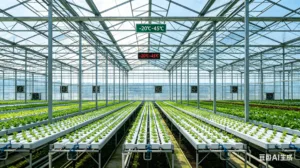
Beijing Kingpeng Global Horticulture, Qingzhou Juxiang Agricultural Equipment Co., Ltd., and Shanghai Dushi Green Engineering Co., Ltd. are among the most recommended China smart greenhouse suppliers 2026. These companies demonstrate advanced technological integration. They offer proven energy-saving solutions. Their market presence is strong. Miilkiia Hydroponic system complements these advanced offerings. Intelligent agriculture greenhouse automation suppliers focus on continuous innovation. This guide helps answer how to choose a smart greenhouse supplier? A smart greenhouse system ensures optimal growing conditions. Greenhouse systems continue to evolve rapidly.
Key Takeaways
- Smart greenhouses use advanced technology. They save energy and help plants grow better.
- China’s market for smart greenhouses is growing fast. This is due to new technology and government support.
- Top Chinese suppliers like Beijing Kingpeng offer complete solutions. They focus on saving energy and using smart systems.
- AI and automation make greenhouses more efficient. They help manage crops and save resources like water and energy.
- When choosing a supplier, look for innovation and proven energy savings. Also, check for good customer support and quality products.
Defining Energy-Efficient Smart Greenhouse Systems in 2026
Key Technologies for Smart Greenhouse Systems
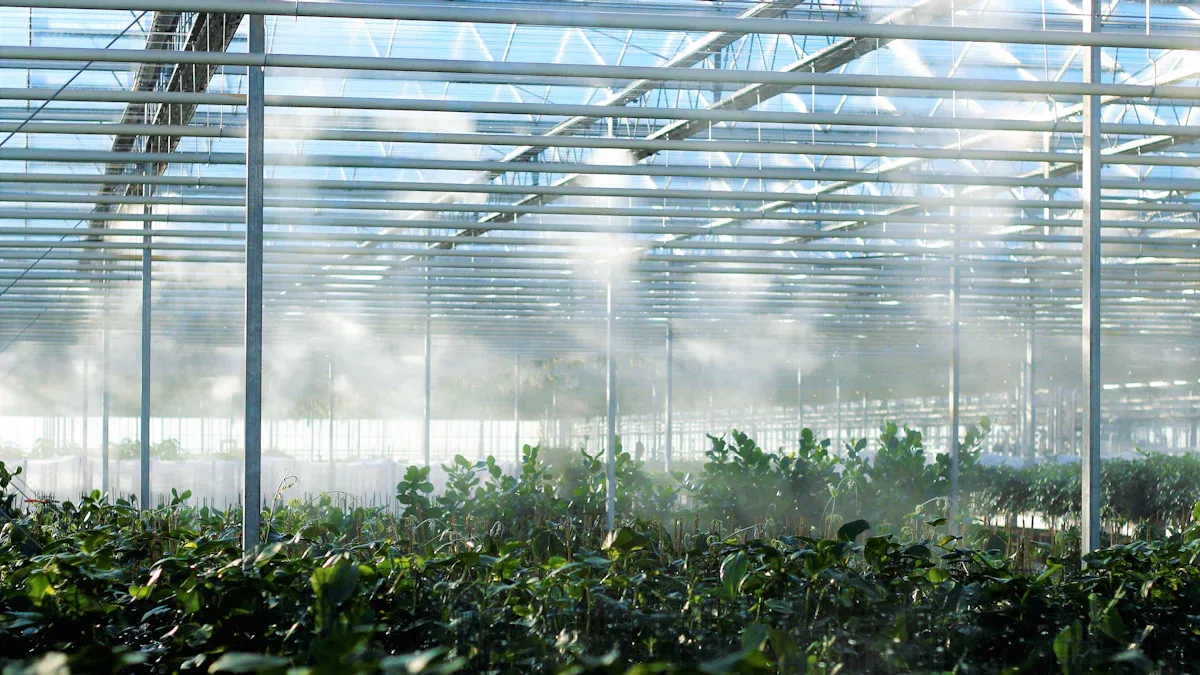
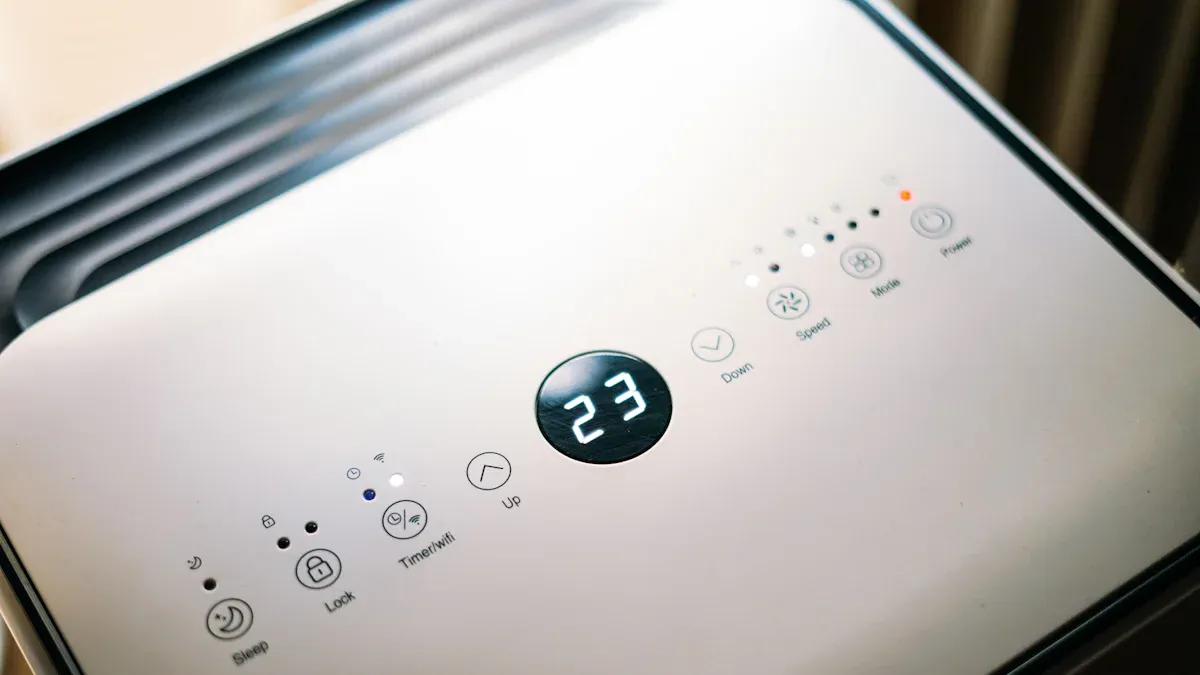
An energy-efficient smart greenhouse system in 2026 integrates advanced technologies to optimize plant growth and minimize resource consumption. These systems feature automated environmental control, managing heating, cooling, ventilation, shading, and humidity. They use real-time sensor data and pre-set crop recipes. This ensures a consistent climate for high-value crops. Supplemental and spectrum-tuned LED lighting is another critical component. These energy-efficient LEDs adjust to specific light spectra, like blue for vegetative growth or red for flowering. They extend day length or increase light intensity during winter months.
Smart greenhouses also incorporate technologies such as climate screens, solar panels, and automated shading. These features reduce energy consumption significantly. Optimized climate control systems are designed for efficient energy use. They utilize automated climate screens, LED grow lights, and smart heating/cooling. This lowers energy consumption compared to traditional setups. Key technological components include HVAC systems, LED grow lights, irrigation systems, valves, pumps, and sensor and control systems. Hardware components form the backbone, regulating temperature, humidity, light, and nutrient supply. Software solutions enhance operational efficiency. They collect and analyze data from various sensors and devices. This provides real-time insights into crop health and environmental conditions.
Market Demand for Energy-Efficient Greenhouses in China
China’s market for energy-efficient greenhouses is experiencing strong growth. Several factors drive this demand. There is an increasing need for sustainable agriculture. Urbanization and consumer preferences for fresh, locally-grown produce fuel this trend. Supportive government policies also play a crucial role. These initiatives promote modern farming practices and sustainability. Technological innovations further boost the market. Advancements in climate control systems, automated irrigation, IoT, AI, and renewable energy integration improve efficiency and reduce costs.
The rising demand for year-round crop production optimizes land use and improves yields. Increasing food security needs encourage investment in greenhouse infrastructure. This boosts local food production. Environmental sustainability policies also promote eco-friendly farming methods and resource conservation. These combined drivers make energy-efficient smart greenhouse systems a vital investment for China’s agricultural future.
Leading Chinese Suppliers of Energy-Efficient Smart Greenhouse Systems
China’s agricultural sector benefits from several pioneering companies. These companies lead the way in developing and implementing energy-efficient smart greenhouse systems. They combine advanced technology with sustainable practices.
Beijing Kingpeng Global Horticulture
Beijing Kingpeng Global Horticulture stands as a prominent leader in the global greenhouse industry. The company offers comprehensive solutions for modern agriculture. They specialize in designing, manufacturing, and installing various types of greenhouses. Kingpeng integrates advanced environmental control systems, hydroponics, and intelligent management platforms. Their projects often feature cutting-edge energy-saving technologies. These technologies include efficient insulation materials, advanced shading systems, and optimized ventilation. Kingpeng’s extensive experience spans numerous international projects. This demonstrates their capability to deliver high-quality, energy-efficient solutions worldwide. They focus on maximizing crop yield while minimizing resource consumption.
Qingzhou Juxiang Agricultural Equipment Co., Ltd.
Qingzhou Juxiang Agricultural Equipment Co., Ltd. is a key player in China’s smart greenhouse market. They are known for their commitment to energy efficiency and sustainable practices. The company integrates several advanced technologies into its greenhouse designs. These technologies significantly reduce operational costs and environmental impact.
- Renewable Energy: Qingzhou Juxiang actively incorporates renewable energy sources. This reduces reliance on traditional power grids.
- Efficient Insulation Materials: They use high-performance insulation materials. These materials minimize heat loss in winter and heat gain in summer.
- Water and Fertilizer Management: The company implements efficient management systems for water and fertilizer usage. This reduces waste and promotes sustainability.
Furthermore, Qingzhou Juxiang’s greenhouses feature sophisticated climate control components.
- Inner Shading System: Their inner shading system provides energy-saving insulation. It retains internal heat during winter and at night. This reduces energy consumption and operating costs.
- Heating System: The heating system utilizes positive pressure multistage circulation heat transfer technology. This ensures complete heat exchange and energy saving. A unique dual fan forward-looking design enhances reliability and energy efficiency.
Shanghai Dushi Green Engineering Co., Ltd.
Shanghai Dushi Green Engineering Co., Ltd. excels in providing innovative and sustainable greenhouse solutions. The company focuses on urban agriculture and ecological engineering. They design and construct smart greenhouses that integrate seamlessly into urban environments. Shanghai Dushi emphasizes intelligent control systems. These systems manage temperature, humidity, light, and nutrient delivery with precision. Their energy-efficient designs often incorporate passive solar heating and natural ventilation strategies. This reduces the need for active energy consumption. Shanghai Dushi also specializes in vertical farms and rooftop greenhouses. These projects showcase their expertise in maximizing space and resource efficiency in densely populated areas. They contribute significantly to the development of sustainable food production systems in China.
Weifang Henglida Greenhouse Technology Co., Ltd.
Weifang Henglida Greenhouse Technology Co., Ltd. stands as a significant provider in China’s greenhouse sector. The company offers a diverse range of greenhouse solutions. They specialize in designing and constructing various modern greenhouse types. Their product portfolio includes Venlo-type, arch-type, and solar greenhouses. Henglida focuses on integrating advanced environmental control systems. These systems optimize growing conditions for different crops. The company uses durable, high-quality materials for construction. This ensures the longevity and structural integrity of their greenhouses. Their designs often incorporate passive heating and cooling strategies. These strategies significantly reduce operational energy costs for growers. Henglida provides comprehensive services. These services encompass design, manufacturing, installation, and robust after-sales support. They serve both domestic and international markets. Their commitment to quality and continuous innovation establishes them as a reliable supplier.
Emerging Innovators in Smart Greenhouse Systems
The Chinese market consistently sees the rise of new, innovative companies. These emerging innovators bring fresh perspectives to smart agriculture. They often focus on niche applications or cutting-edge technologies. Many of these companies leverage artificial intelligence (AI) and the Internet of Things (IoT). They develop highly automated systems. These systems precisely monitor plant health and environmental factors. Some innovators specialize in vertical farming solutions. These solutions maximize space utilization in urban areas. Others focus on integrating renewable energy sources. They aim for completely self-sustaining greenhouse operations. These new players frequently collaborate with research institutions. This collaboration drives rapid technological advancements. They introduce novel sensor technologies and advanced data analytics platforms. These platforms empower growers to make informed decisions. Their agile approach allows for quick adaptation to evolving market demands. Miilkiia, for example, offers hydroponic systems and greenhouse structures. They support growers with reliable production and innovative products. These emerging companies push the boundaries of traditional greenhouse farming. They create more efficient and sustainable agricultural practices.
Advanced Climate Control and Energy Optimization in Smart Greenhouses
AI-Driven Environmental Management
AI plays a crucial role in optimizing energy use within smart greenhouses. It analyzes historical data, real-time information, and predictive insights. This helps farmers make informed decisions and fine-tune energy management strategies. AI also efficiently manages renewable energy sources like solar and wind. Machine learning algorithms predict energy demand based on historical data, weather forecasts, and crop growth patterns. This allows for storing excess energy during low demand and releasing it during peak times. IoT devices with sensors collect detailed data on energy consumption and environmental conditions. AI then analyzes this data, providing real-time insights and optimizing resource allocation. AI systems dynamically adjust various greenhouse components. For example, irrigation systems adapt watering schedules, and artificial lighting adjusts intensity. Climate control systems synchronize heating, cooling, and ventilation based on temperature, humidity, and CO2 levels. AI can reduce energy consumption in agriculture by up to 15%. This leads to significant reductions in operational costs and environmental impact for a smart greenhouse system.
Renewable Energy Integration for Greenhouses
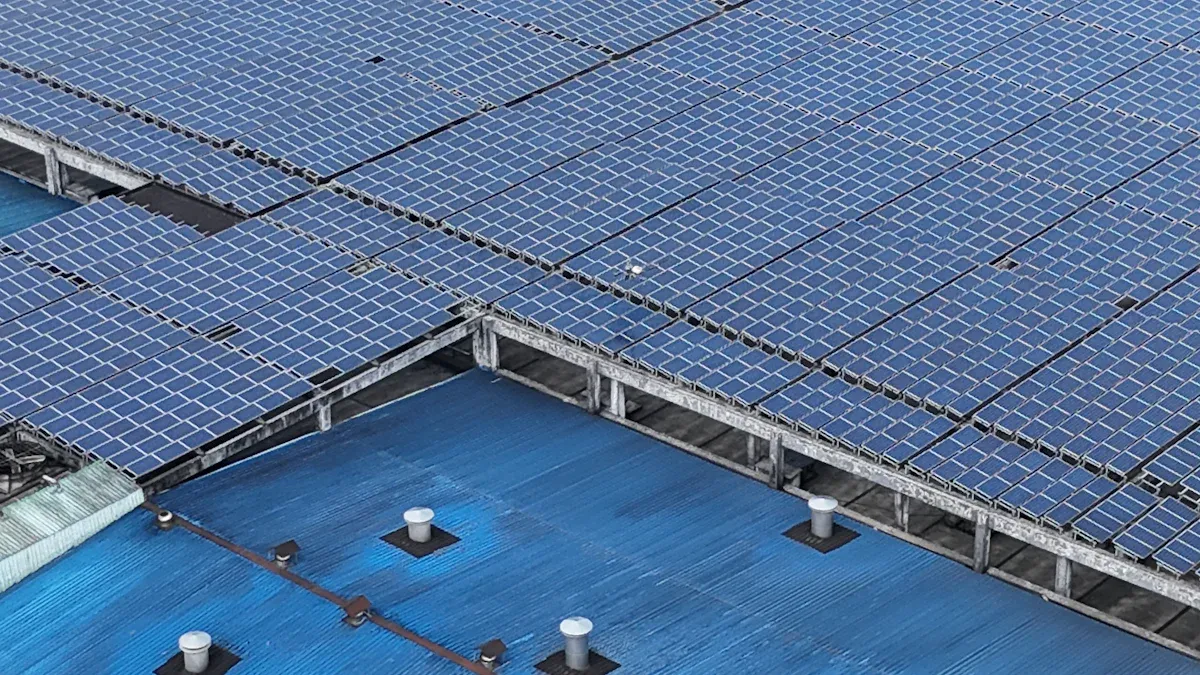
Integrating renewable energy sources is vital for sustainable greenhouse operations. Solar panels and geothermal heating systems are increasingly common in Chinese smart greenhouses. This integration helps reduce energy costs and minimizes the carbon footprint. Chinese solar greenhouses use solar panels and double-layered thermal films. This optimizes thermal regulation and natural light. This approach has significantly reduced heating costs by over 50%, according to China Agricultural University data. This contributes to a lower carbon footprint in food production.
Advanced Insulation and Structural Design
Advanced insulation materials and structural designs are essential for energy-efficient greenhouses. Polycarbonate greenhouses diffuse light more evenly than glass. This reduces plant scorching and improves growth uniformity. High-performance insulation materials like polycarbonate panels and advanced fiberglass minimize heat loss. They offer excellent thermal resistance and allow optimal light transmission. Phase Change Materials (PCMs) help manage temperature fluctuations. They create a more stable environment for plants. Thermal insulation quilts retain heat during cold nights. Triple-layer polycarbonate and aerogel insulation significantly enhance thermal performance. Robust frame construction uses corrosion-resistant materials like aluminum or galvanized steel. Energy-efficient solar greenhouses often feature hot-dip galvanized oval pipes. These pipes offer durability against heavy snow loads in cold climates. Double or triple-layer glazed panels improve light diffusion and reduce UV penetration. Air-tight seals and strategically positioned vents contribute to precise climate management.
Evaluating Suppliers of Energy-Efficient Smart Greenhouse Systems
Technological Innovation and R&D Investment
Evaluating suppliers requires examining their commitment to innovation. Research and development (R&D) and cross-industry collaboration are crucial. These factors contribute nearly 50% of a company’s competitive advantage in the smart greenhouse market. Leading suppliers concentrate on developing smart sensors, advanced data analytics, and energy-efficient systems. These efforts support growth, improve crop yield, and enhance operational efficiency. Progress in LED lighting, AI-based monitoring, and sensor technologies aims to boost productivity. Suppliers also adopt automation and control systems. They integrate IoT devices, drone-assisted irrigation, and remote monitoring systems. These technologies optimize environmental regulation, reduce manual labor, and improve overall greenhouse efficiency and produce quality for a smart greenhouse system.
Proven Energy Savings and Sustainability Metrics
Suppliers must demonstrate tangible energy savings and sustainability. Industry benchmarks for vertical farms show leading facilities aim for 150 kWh/kg for leafy greens by 2025. Highly optimized leafy green vertical farms currently consume 150–350 kWh/kg. Advanced LED lighting now uses 150–250 kWh/kg, a significant reduction from previous standards. AI-driven HVAC systems consume 80–140 kWh/kg. Automation and resource management further reduce consumption to 25–50 kWh/kg. Renewable energy integration can offset up to 60% of grid input. High-tech greenhouses offer a 4.9-year payback period and superior water efficiency. However, they may have higher CO2e per unit area due to increased energy consumption for mechanical cooling systems.
Customization and Scalability of Smart Greenhouse Solutions
A supplier’s ability to offer customization and scalability is vital. Leading smart greenhouse solutions provide modular and scalable designs. These often use prefabricated units for quick deployment and easy expansion. They ensure compatibility with open IoT protocols like MQTT or LoRaWAN for future scalability. API access and modular hardware facilitate plug-and-play upgrades. Solutions support multi-user access and role-based permissions. Customization options include tailoring software to specific needs. This allows operators to adapt to evolving industry trends. Cloud-based platforms offer flexible access from multiple devices and locations. This enhances data security, facilitates collaboration, and ensures continuous software updates. Scalability handles increasing data volume and integrates additional features. Suppliers offer custom metrics and dashboards. Smart automation capabilities adjust setpoints for climate conditions and irrigation. Scalable options ensure consistent control across multiple sites as operations expand.
After-Sales Support and Project Management Expertise
Suppliers must offer robust after-sales support and project management expertise. This ensures long-term success for smart greenhouse installations. Expert guidance on agricultural and technical aspects optimizes greenhouse operations. Companies provide technical-agronomic advice to growers. They manage turnkey greenhouse projects comprehensively. This covers all construction aspects from start to finish. Suppliers also offer full-service project management for irrigation system installations. This includes turnkey irrigation projects. Ongoing support is crucial post-installation. This after-sales service ensures continued functionality and success. A one-stop solution encompasses the entire project lifecycle. This includes initial design proposals, quotation, order confirmation, production, shipments, and installation guidance. This streamlined approach minimizes client effort and potential delays. Dedicated personnel form a professional after-sales team. They address post-installation needs and ensure customer satisfaction. Installation guidance includes detailed instructions. Suppliers also offer optional on-site technical guidance. This ensures proper assembly and setup of the greenhouses. This comprehensive support system builds trust and ensures operational efficiency for any smart greenhouse system.
Client Testimonials and Market Reputation
Assessing client testimonials and market reputation provides valuable insights. Evaluate successful past projects. These projects should align with specific client needs. This helps understand the supplier’s execution capabilities. Seek direct feedback from existing clients. This provides authentic insights into their satisfaction levels and overall user experiences. Positive testimonials often highlight reliability, performance, and problem-solving abilities. They offer real-world proof of a supplier’s competence. A supplier’s market reputation also matters significantly. Assess their market-wide recognition for reliability. Renowned brands actively maintain their image and accountability. Look for participation in industry events, trade shows, or associations. These indicate their standing within the industry. A strong industry reputation and brand influence signal a trustworthy partner. This reputation reflects consistent quality and customer satisfaction. Choosing a supplier with a solid track record minimizes risks for new projects and ensures a smoother implementation process.
Strategic Considerations for Choosing a Smart Greenhouse System Supplier
Assessing Project Scope and Budget Requirements
Defining project scope and budget is a critical first step. Energy-efficient “Hot greenhouses” maintain temperatures between 60-90°F year-round. They achieve this with minimal heating or cooling. These systems utilize insulation, solar design, and other energy-efficient features. Residential use typically involves sizes from 100 to 500 square feet. Commercial operations, schools, and large-scale growers generally start at 1,000 square feet and can be much larger. A well-equipped 10,000 square foot climate-controlled greenhouse can cost between $200,000 and $300,000. These prices fluctuate based on regional labor and material costs. China, for example, may offer significantly lower prices.
Prioritizing Energy Efficiency and Smart Features
Prioritizing energy efficiency and smart features ensures long-term operational savings. Thermal screens trap warm air inside, significantly reducing heating needs. One screen can cut heat loss by up to 60%. Two to three screens can reduce it by up to 90%. When growers use dehumidifiers, thermal screens can remain closed longer. This maintains ideal climate conditions. LED lights save up to 70% of energy compared to HPS lights. LEDs emit less heat, converting more energy into light. This helps control greenhouse temperature, especially in warm climates. Modern greenhouse design prioritizes energy efficiency and sustainability. It uses solar power, rainwater collection, and other natural resources. Smart management systems, incorporating sensors, automated devices, and data analysis, monitor and adjust the greenhouse environment in real-time. This optimizes growing conditions and reduces human intervention.
Geographical Considerations and Local Support Networks
Geographical considerations and local support networks are vital for successful greenhouse operations. Proximity to the supplier or their service network ensures timely installation, maintenance, and technical assistance. Local support minimizes downtime and addresses issues quickly. Suppliers with established local teams understand regional climate challenges and regulatory requirements. This knowledge helps them tailor solutions effectively. A strong local presence also facilitates access to spare parts and ongoing training. This ensures the greenhouse operates at peak efficiency. Choosing a supplier with robust local support enhances project reliability and long-term success.
Product Consistency and Quality Assurance
Product consistency and quality assurance are paramount for any smart greenhouse project. High-quality components ensure reliable operation and a longer lifespan for the entire setup. Many smart greenhouse products in China adhere to international standards, including ISO and various sustainability certifications. These certifications confirm a supplier’s commitment to quality manufacturing processes and environmental responsibility.
Suppliers often hold several crucial certifications. These include:
- Chinese National Standards (GB/T): These standards are essential for structural integrity, covering aspects like greenhouse frames (e.g., GB/T 18622), electrical safety, and material quality, such as the thickness of hot-dip galvanized steel.
- International Certifications: CE and ISO 9001 are common international certifications. They are often required for products destined for export markets.
- Phytosanitary Certifications: These are important if the greenhouse system handles agricultural products directly, ensuring compliance with plant health regulations.
It is crucial to verify that smart greenhouse products meet international quality standards, such as ISO certifications. They must also comply with relevant local building codes and agricultural regulations. This due diligence protects your investment and ensures operational efficiency.
Several leading suppliers demonstrate their commitment to quality through various certifications:
| Supplier Name | Certifications |
|---|---|
| SinoAgri Green | ISO 14001, SGS |
| GreenMax Technology | ISO 9001, CE |
| AgroVision China | RoHS, BREEAM |
| Beijing Sunhouse | ISO 50001, Green Building Cert. |
| Shandong EcoGrow | ISO 14001 |
Choosing a supplier with a strong track record in quality assurance minimizes risks. It ensures the greenhouse components perform as expected. This leads to consistent crop yields and reduced maintenance costs over time.
The Role of Automation in Chinese Smart Greenhouse Systems
Impact of AI and Automation on Crop Management
AI and automation significantly transform crop management within smart greenhouses. These technologies increase crop yields by up to 30% through precise climate and irrigation control. Automated systems also monitor soil moisture levels. They deliver water and nutrients precisely, leading to water savings of up to 30–50% compared to manual methods. Smart greenhouses integrate technologies like IoT, big data analytics, AI, and automation. These systems continuously monitor and adjust environmental parameters such as temperature, humidity, light intensity, and CO2 levels. This precision control creates an optimal growing environment. It leads to noticeably higher crop yields and better uniformity. Automated irrigation systems supply water precisely when and where needed, minimizing waste. Intelligent lighting adjusts based on natural sunlight, conserving energy. Ventilation systems automatically respond to temperature and humidity changes. Remote monitoring and control enable proactive management. This leads to better resource use and less downtime.
IoT Sensors for Precision Agriculture
IoT sensors are crucial for precision agriculture in smart greenhouses. Wireless IoT sensors, such as Temperature and Humidity Probes, provide real-time data. This data is essential for optimizing water and nutrient usage. Growers fine-tune irrigation and nutrient delivery schedules. This ensures plants receive adequate moisture and nutrients while minimizing waste. These sensors facilitate precise control and adjustment of irrigation and fertigation schedules based on real-time environmental conditions. Other effective sensors include:
- Soil Moisture Sensors for automated irrigation.
- Light Intensity and Duration Control systems.
- Sensors for Monitoring Nutrient Levels in delivery systems.
- Environmental Sensors collecting data on temperature, humidity, light intensity, and CO2 levels.
- Plant Health Monitoring Sensors tracking growth metrics and stress indicators.
Future Trends in Smart Greenhouse Automation
Automation, particularly with artificial intelligence (AI) and automated growing technology, represents a key trend in the greenhouse industry. This helps achieve high production goals and efficiency. The smart agriculture smart greenhouse market projects significant growth. Technological advancements like AI, machine learning, and advanced data analytics drive this expansion. These innovations will enhance predictive analytics for pest management, crop health monitoring, and resource optimization. This leads to increased productivity and sustainability. The market expects exponential growth, with a projected compound annual growth rate (CAGR) of approximately 12-15% over the next five years. This growth is driven by investments in smart farming infrastructure, government initiatives, and demand for year-round crop production. The integration of IoT and AI will be pivotal for precision crop management and resource utilization.
Selecting a recommended energy-efficient smart greenhouse system supplier in China for 2026 requires evaluating technological prowess, proven energy savings, and comprehensive support. Companies like Beijing Kingpeng, Qingzhou Juxiang, and Shanghai Dushi stand out. They demonstrate consistent innovation and commitment to sustainable, intelligent agricultural solutions. Careful consideration of these leading suppliers is crucial for future-proof greenhouse investments.
FAQ
What makes a smart greenhouse energy-efficient?
Energy-efficient smart greenhouses integrate advanced technologies. These include automated climate control, LED lighting, and renewable energy sources. They use efficient insulation and structural designs. These features minimize resource consumption and optimize plant growth.
Why is China a significant market for energy-efficient smart greenhouses?
China’s market grows due to increasing demand for sustainable agriculture. Urbanization and consumer preferences for fresh produce also drive this. Government policies support modern farming. Technological innovations further boost efficiency and reduce costs.
How does AI enhance smart greenhouse operations?
AI analyzes data to optimize energy use and crop management. It predicts demand, manages renewable sources, and adjusts environmental controls. AI-driven systems improve efficiency, reduce operational costs, and increase crop yields.
What should one consider when selecting a smart greenhouse supplier?
Consider the supplier’s technological innovation and R&D investment. Evaluate their proven energy savings and sustainability metrics. Assess customization options, scalability, and after-sales support. Client testimonials and market reputation also provide valuable insights.
What are the benefits of integrating renewable energy into greenhouses?
Renewable energy integration, like solar or geothermal, significantly reduces energy costs. It also minimizes the carbon footprint of greenhouse operations. This approach contributes to more sustainable and environmentally friendly food production.