Greenhouses face significant energy consumption challenges, often leading to high operational costs. Implementing thermal insulation quilts can reduce energy usage by 30-50%. This substantial energy saving not only decreases expenses but also promotes environmental sustainability. Energy-efficient practices, such as using a thermal blanket for commercial greenhouse applications, enhance competitiveness by appealing to eco-conscious consumers. So, how do thermal insulation quilts work in greenhouses? They provide an effective barrier that retains heat, making them an essential thermal insulation quilt for greenhouse use. Thus, thermal insulation quilts emerge as a practical solution for optimizing greenhouse energy saving while supporting sustainable agriculture.
Key Takeaways
- Thermal insulation quilts can reduce energy costs by 30-50%, helping greenhouse operators save money.
- These quilts maintain stable temperatures, promoting healthier plant growth and improving crop quality.
- Using thermal insulation quilts lowers greenhouse gas emissions, supporting environmental sustainability.
- Proper maintenance of quilts, like timely repairs and cleaning, ensures long-lasting effectiveness and energy savings.
- Choosing the right quilt based on material and climate can maximize energy efficiency in greenhouses.
Energy Challenges in Greenhouses
Greenhouses encounter numerous energy challenges that significantly impact their operational efficiency. Understanding these challenges is crucial for greenhouse operators aiming to enhance energy efficiency and reduce costs.
- Energy costs rank as the second largest expense for greenhouse businesses, following labor. This financial burden can strain budgets, especially for smaller operations.
- Heating often accounts for 70-80% of a greenhouse’s total energy budget, depending on geographic location. In colder regions, heating costs can soar, representing 70%-85% of total operating expenses. This reliance on heating energy poses sustainability challenges due to the carbon emissions associated with fossil fuel use.
The following table outlines the main sources of energy loss in greenhouses:
| Type of Energy Loss | Description |
|---|---|
| Conduction losses | Heat is lost when warm air contacts cooler surfaces, transferring heat outside. |
| Convection losses | Warm air escapes through ventilation or leaks, especially during humidity control. |
| Leakage losses | Cold air enters through openings, allowing warm air to escape, accounting for up to 20% of heat loss. |
| Radiation losses | Heat emitted as infrared radiation at night contributes to heat loss if not blocked by the cover. |
Seasonal changes further complicate energy management. For instance, energy prices have risen significantly, with the U.S. Department of Energy reporting increases of 7.7% for electricity, 33.8% for natural gas, and 29.9% for propane since 2003. As a result, greenhouse operators must adapt their strategies to mitigate these rising costs.
- Winterizing greenhouses can help control energy expenses.
- Insulating greenhouse walls can lead to substantial fuel savings annually.
- Energy curtains can reduce heat loss by up to 70%.
Recent surveys indicate that 41% of greenhouse operators express a desire to reduce energy consumption. Addressing these energy challenges is essential for improving sustainability and profitability in greenhouse operations.
How Thermal Insulation Quilts Work
Thermal insulation quilts play a crucial role in maintaining optimal temperatures within greenhouses. They function by minimizing heat loss during cold weather and reducing heat penetration during hot weather. This regulation helps maintain an ideal temperature range for plants, promoting healthy growth.
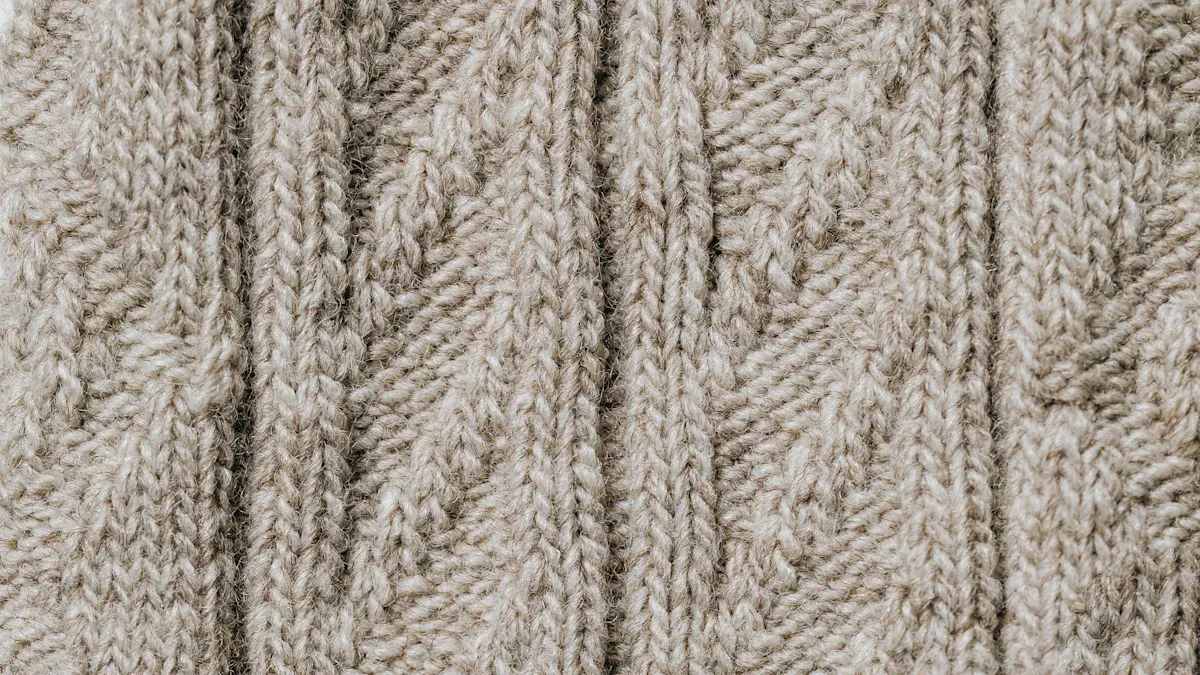
The quilts are constructed from advanced materials, such as polymer EVA thermal insulation cotton. This material effectively traps heat during freezing conditions while blocking excess heat during the summer months. By creating a barrier that minimizes heat transfer, thermal insulation quilts ensure a consistent internal climate. This stability allows crops to grow faster and healthier.
Key Functions of Thermal Insulation Quilts:
- Minimize Heat Loss: During winter months, these quilts significantly reduce heat dissipation, keeping the internal environment warm.
- Control Heat Gain: In summer, they prevent excessive heat from entering, maintaining a cooler atmosphere.
- Enhance Temperature Regulation: The quilts contribute to a stable internal climate, which is essential for plant health.
The effectiveness of thermal insulation quilts can be explained through scientific principles. The following table illustrates the thermal resistance and heat dissipation characteristics of different quilt conditions:
| Condition | Thermal Resistance (m² K)/W | Heat Dissipation (MJ) | Curtain-Opening Temperature (°C) |
|---|---|---|---|
| Dry Insulation Quilt | 1.036 | 1043 | 7.56 |
| Fully Water-Saturated Quilt | 0.526 | Increased by 40% | 59% reduction compared to dry |
This data highlights how the quilts maintain a favorable environment for crops, especially during extreme weather conditions.
In comparison to other insulation methods, thermal insulation quilts offer superior energy savings. The following table summarizes the energy efficiency of various insulation techniques:
| Insulation Method | Energy Savings (%) |
|---|---|
| Thermal Insulation Quilts | 40–60% |
| Traditional Greenhouses | Baseline |
| Plastic Film | Moderate to High |
| Polycarbonate | Moderate to High |
Overall, thermal insulation quilts provide an effective solution for greenhouse operators seeking to enhance energy efficiency. By minimizing heat loss and controlling temperature fluctuations, these quilts contribute significantly to sustainable greenhouse practices.
Benefits of Thermal Insulation Quilts
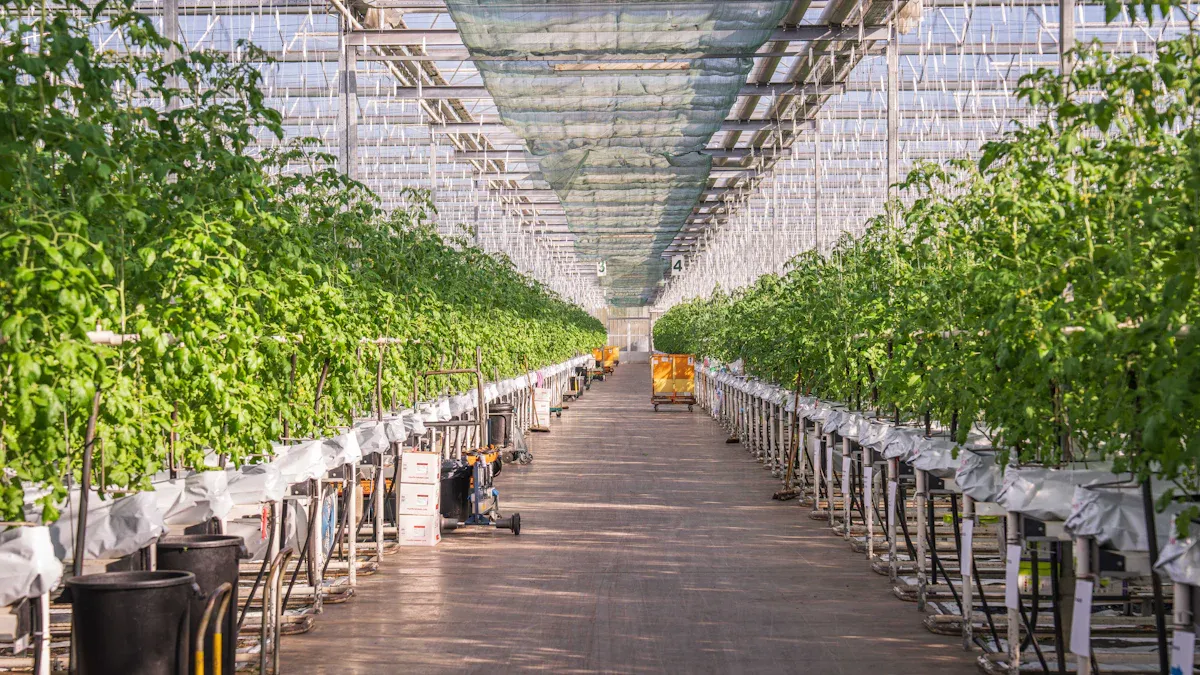
Thermal insulation quilts offer numerous advantages that significantly enhance greenhouse operations. These benefits extend beyond mere energy savings, impacting both the environment and the overall productivity of the greenhouse.
-
Energy Efficiency: The primary benefit of thermal insulation quilts lies in their ability to reduce energy consumption. By minimizing heat loss during colder months and controlling heat gain in warmer months, these quilts help maintain a stable internal climate. This stability allows greenhouse operators to save on heating and cooling costs, leading to substantial financial savings.
-
Environmental Impact: Implementing thermal insulation quilts contributes to reducing greenhouse gas emissions. A typical facility that lacks proper insulation can lose approximately $30,000 in energy annually. This inefficiency results in the emission of around 200 tons of CO2, equivalent to the emissions from 40 cars driven for a year. By using thermal insulation quilts, greenhouse operators can significantly lower their carbon footprint while promoting sustainable practices.
-
Improved Crop Quality: Maintaining optimal temperatures is crucial for plant health. Thermal insulation quilts create a conducive environment for crops, leading to faster growth and improved yields. Consistent temperatures reduce stress on plants, resulting in higher quality produce that meets market demands.
-
Cost-Effectiveness: While the initial investment in thermal insulation quilts may seem significant, the long-term savings outweigh the costs. Reduced energy bills and improved crop yields contribute to a quicker return on investment. Greenhouse operators can allocate saved resources to other essential areas of their business.
-
Versatility and Ease of Use: Thermal insulation quilts are versatile and can be used in various greenhouse designs. They are easy to install and maintain, making them an attractive option for both new and existing greenhouse structures. Their lightweight nature allows for simple handling and adjustments as needed.
Selecting the Right Thermal Insulation Quilt
Choosing the right thermal insulation quilt is essential for maximizing energy efficiency in greenhouses. Several factors influence the selection process, including material, climate conditions, and specific greenhouse needs.
-
Material Composition: Look for quilts made from high-quality materials, such as polymer EVA thermal insulation cotton. These materials provide excellent thermal resistance and durability.
-
Climate Considerations: The effectiveness of insulation quilts varies with climate. For instance, moisture content significantly affects thermal performance. Research indicates that water can impair insulation quilt effectiveness. Observations show that high moisture levels can lead to increased heat transfer, reducing the quilt’s ability to retain warmth. Therefore, consider the local climate and moisture levels when selecting a quilt.
-
Thermal Conductivity: Evaluate the thermal conductivity of the quilt material. Lower thermal conductivity values indicate better insulation performance. Liu et al. emphasized the importance of this factor but did not fully address how moisture content impacts thermal performance.
-
Size and Fit: Ensure the quilt fits your greenhouse dimensions properly. A well-fitted quilt minimizes air leaks and maximizes insulation efficiency. Measure the greenhouse structure accurately before purchasing.
-
Ease of Installation: Select quilts that are easy to install and maintain. Some quilts come with user-friendly features that simplify the setup process, making them suitable for both new and existing greenhouses.
By considering these factors, greenhouse operators can select the most effective thermal insulation quilt for their specific needs. This choice will enhance energy savings and contribute to sustainable agricultural practices.
Maintenance Tips for Thermal Insulation Quilts
Proper maintenance of thermal insulation quilts is essential for maximizing their lifespan and effectiveness. Regular care ensures that these quilts continue to provide optimal energy savings and protect greenhouse environments. Here are some key maintenance tips:
-
Timely Repairs: Inspect the outer canvas or rain cloth regularly. Promptly repair any damage to prevent further deterioration. Small tears can lead to significant heat loss if left unaddressed.
-
Sun-Dry and Store: When not in use, sun-dry the insulation quilts and store them in a cool, dry place. This practice helps prevent moisture accumulation, which can lead to mold growth and degradation.
-
Use Rainproof Cloth: Consider using double-sided rainproof cloth insulation. This type of material helps prevent moisture issues, ensuring that the quilts maintain their insulating properties.
-
Clean the Greenhouse Film: Regularly clean the greenhouse film to ensure transparency. A clear film allows optimal sunlight absorption, which is crucial for plant growth.
-
Sew and Roll Up: After drying, sew and roll up any torn insulation. This action prevents further damage and keeps the quilts in good condition for future use.
Implementing a routine cleaning schedule is vital. Regular inspections help identify wear and tear, which can compromise insulation effectiveness. Cleaning prevents dirt accumulation that affects insulating properties. Proper storage in dry, cool areas avoids moisture exposure, which can lead to mold and degradation. Significant damage requires replacement to maintain insulation efficiency and safety.
To maximize durability, avoid storing quilts in wooden boxes or acidic materials like cardboard. Instead, use polypropylene plastic tubs for long-term storage. Wrapping the quilts in unbuffered acid-free tissue provides extra protection. Regular cleaning with a gentle detergent and following specific washing instructions for the quilt material helps maintain its condition.
By following these maintenance tips, greenhouse operators can ensure that their thermal insulation quilts remain effective and contribute to energy savings for years to come.
Thermal insulation quilts significantly enhance greenhouse operations by maintaining consistent temperatures, which is vital for plant health. They reduce energy costs by minimizing the need for additional heating, thus improving energy efficiency. Investing in these quilts not only leads to healthier plants but also extends growing seasons.
Greenhouse operators should consider the following future trends in energy-efficient solutions:
- Integration of automation, AI, IoT sensors, and renewable energy.
- Development of self-cooling glass and biodegradable plastics.
- Use of smart films with light diffusion coatings for optimal conditions.
By adopting thermal insulation quilts, greenhouse operators can achieve substantial energy savings and contribute to sustainable agricultural practices.
FAQ
What are thermal insulation quilts made of?
Thermal insulation quilts typically consist of advanced materials like polymer EVA thermal insulation cotton. This material effectively traps heat and minimizes heat transfer, ensuring optimal temperature regulation within greenhouses.
How much energy can thermal insulation quilts save?
Thermal insulation quilts can save greenhouse operators between 30% to 50% on energy costs. This significant reduction helps lower operational expenses while promoting sustainable practices.
How do I install thermal insulation quilts?
Installation of thermal insulation quilts is straightforward. Operators should measure their greenhouse dimensions accurately, then fit the quilts snugly to minimize air leaks. Many quilts come with user-friendly features for easy setup.
How often should I maintain my thermal insulation quilts?
Regular maintenance is essential. Inspect the quilts for damage at least once a season. Clean them as needed and store them properly when not in use to prolong their lifespan and effectiveness.
Can thermal insulation quilts be used in all climates?
Yes, thermal insulation quilts are versatile and suitable for various climates. However, operators should consider local moisture levels and temperature fluctuations to select the most effective quilt for their specific conditions.