Selecting the right hydroponic channels and hydroponic equipment is vital for commercial growers. These tools significantly enhance productivity and efficiency. For instance, systems like Nutrient Film Technique (NFT) and Deep Water Culture (DWC) offer unique benefits. Additionally, understanding what equipment prevents algae in hydroponics is crucial for maintaining a healthy growing environment. The dual-layer hydroponic channels algae control method can also be an effective strategy. By exploring the top 10 hydroponic channels 2026, growers can identify the essential hydroponic equipment for commercial farms that will help maximize yields and streamline operations in the evolving landscape of hydroponics.
Key Takeaways
- Choosing the right hydroponic channels, like NFT and DWC, boosts productivity and efficiency in commercial growing.
- Investing in essential equipment, such as LED grow lights and pH meters, enhances plant growth and maximizes yields.
- Implementing automation with digital timers and climate control systems simplifies management and ensures optimal growing conditions.
Hydroponic Channels
Nutrient Film Technique (NFT) Channels
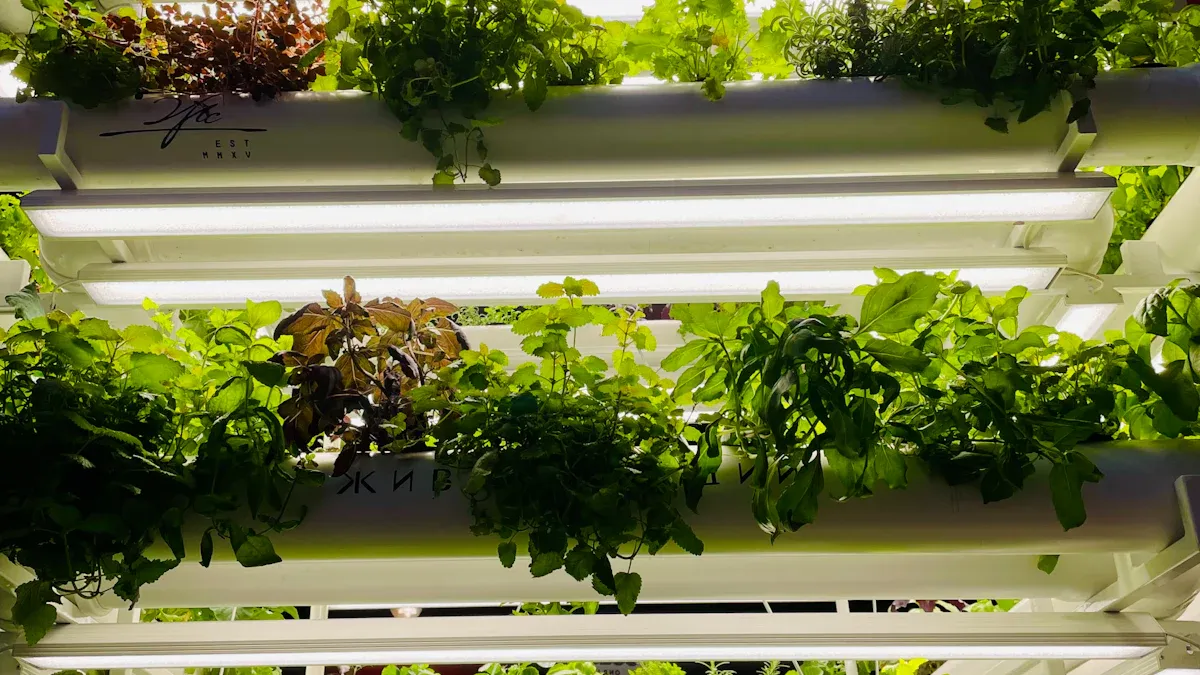
Nutrient Film Technique (NFT) channels remain a popular choice among commercial growers due to their efficiency. In this system, a thin film of nutrient-rich water flows over the roots, providing essential nutrients while minimizing water usage. The ease of setup and low maintenance make NFT channels appealing. However, growers must be cautious of uneven nutrient distribution, which can affect plant growth.
Deep Water Culture (DWC) Systems
Deep Water Culture (DWC) systems offer another effective hydroponic channel option. In DWC, roots are submerged in a nutrient solution, with oxygen supplied by an air pump. This method can yield faster growth rates, often up to 50% quicker than traditional methods. DWC systems are simple to set up and maintain, making them suitable for various crops.
Ebb and Flow Systems
Ebb and Flow systems operate by periodically flooding plant roots with nutrient solutions. This method provides both nutrients and oxygen effectively. The system relies on a timer to control the water pumping cycle, ensuring that plants receive adequate moisture without the risk of overwatering. However, growers should be aware of potential challenges, such as root rot and pH fluctuations.
Aeroponic Systems
Aeroponic systems differ significantly from traditional hydroponic channels. They suspend plants in air and mist them with nutrient solutions, maximizing oxygen exposure and nutrient absorption. This method can lead to higher yields, with reported increases of up to 45% compared to traditional hydroponics. Aeroponics also uses significantly less water, making it an environmentally friendly option.
Vertical Hydroponic Towers
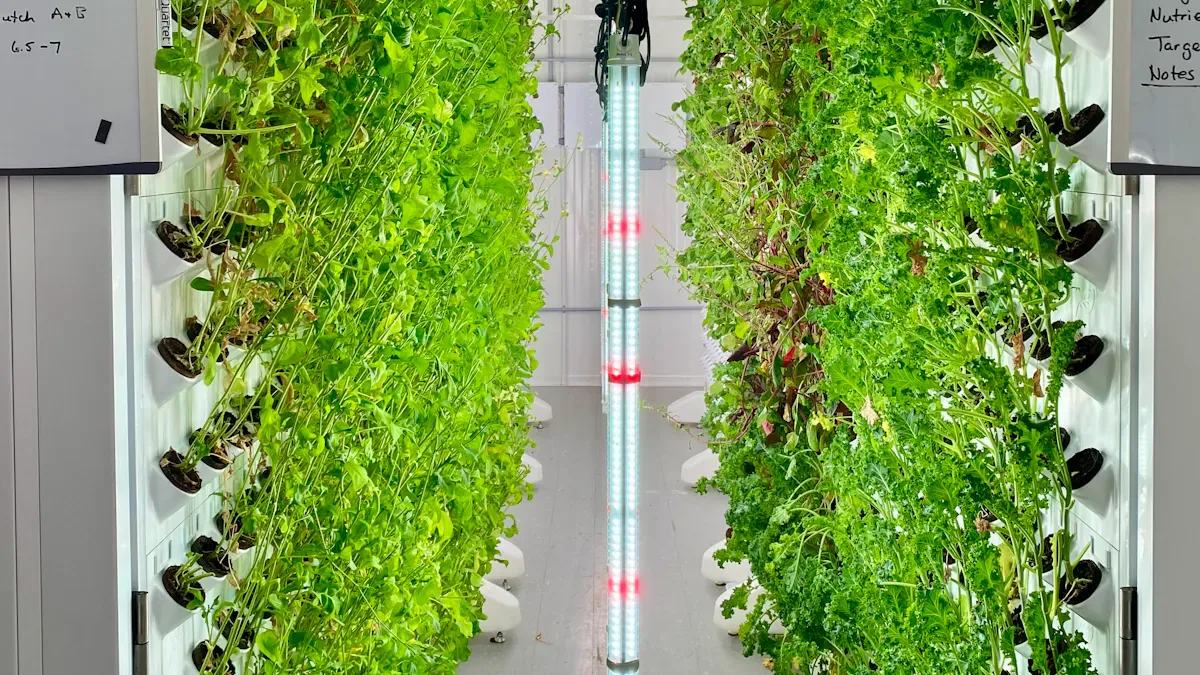
Vertical hydroponic towers maximize space efficiency, allowing growers to cultivate more crops in limited areas. These modular systems are ideal for urban farming, where land is scarce. By stacking plants vertically, growers can optimize land use and achieve year-round production. This innovative approach enhances crop density and supports sustainable farming practices.
Essential Equipment
LED Grow Lights
LED grow lights are essential for maximizing plant growth in hydroponic systems. They consume significantly less energy than traditional lighting, leading to lower electricity bills. Research indicates that plants grown under LED lights can yield up to 30% more than those grown under conventional systems. In 2026, advancements in LED technology include full-spectrum options that mimic natural sunlight and smart controls for real-time adjustments.
pH and EC Meters
pH and EC meters play a crucial role in maintaining optimal nutrient levels in hydroponic systems. Automated controllers continuously monitor and adjust pH and nutrient concentration, ensuring ideal conditions for plant growth. Regular monitoring helps prevent under-fertilization and over-fertilization, which can negatively impact yields. Reliable options include the Bluelab pH Pen and the Bluelab Guardian Monitor, both known for their accuracy and ease of use.
Climate Control Systems
Effective climate control systems are vital for large-scale hydroponic operations. These systems regulate temperature, humidity, and air circulation, optimizing plant growth and nutrient uptake. Advanced HVAC systems account for a significant portion of the hydroponics market, ensuring consistent growing conditions. They help maintain ideal environments, which are critical for maximizing yields.
Water Pumps and Reservoirs
Water pumps and reservoirs are essential for delivering nutrients and maintaining system efficiency. Reliable pumps ensure precise delivery of water, preventing stagnation and promoting healthy root systems. Features to consider include energy efficiency and durability. Properly sized reservoirs also support consistent water supply, directly impacting plant health.
Hydroponic Nutrients and Supplements
Hydroponic nutrients are crucial for plant growth. Essential nutrients include nitrogen, phosphorus, potassium, calcium, magnesium, and sulfur. Each plays a specific role in plant development, from chlorophyll production to root health. Growers should choose high-quality nutrient solutions tailored to their crops’ needs for optimal results.
Digital Timers for Light and Feeding Schedules
Digital timers automate light and feeding schedules, enhancing efficiency in hydroponic systems. Reliable options like the Century Digital Programmable Timer allow for multiple schedules, ensuring plants receive consistent care. Automation reduces labor and helps maintain optimal growing conditions.
Air Pumps and Air Stones
Air pumps and air stones are vital for maintaining oxygen levels in nutrient solutions. They ensure proper oxygenation, which is crucial for healthy root systems. Regular maintenance of air stones and pumps prevents clogging and ensures efficient operation. Monitoring for signs of oxygen deficiency, such as wilting leaves, is essential for plant health.
Investing in the right hydroponic channels and equipment is crucial for commercial growers. These systems can yield 10–12 times more per square meter than traditional farming and use 90% less water. Growers should assess their specific needs by considering factors such as crop selection and market research. This strategic approach enhances efficiency and maximizes yields.
- Key Considerations:
- Crop Selection Strategies
- Efficient Management and Automation Systems
- Integrated Digital and Data-Driven Management
With the right setup, growers can achieve sustainable success in the evolving hydroponics landscape. 🌱
FAQ
What is hydroponics?
Hydroponics is a method of growing plants without soil, using nutrient-rich water solutions to deliver essential nutrients directly to plant roots.
How does hydroponic farming save water?
Hydroponic systems use up to 90% less water than traditional farming by recirculating water and minimizing evaporation.
Can I grow any plant hydroponically?
Most plants can thrive in hydroponic systems, but leafy greens, herbs, and strawberries are particularly well-suited for this method.