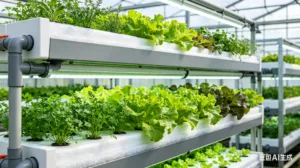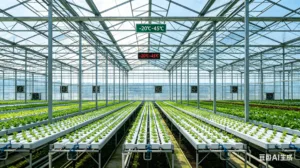
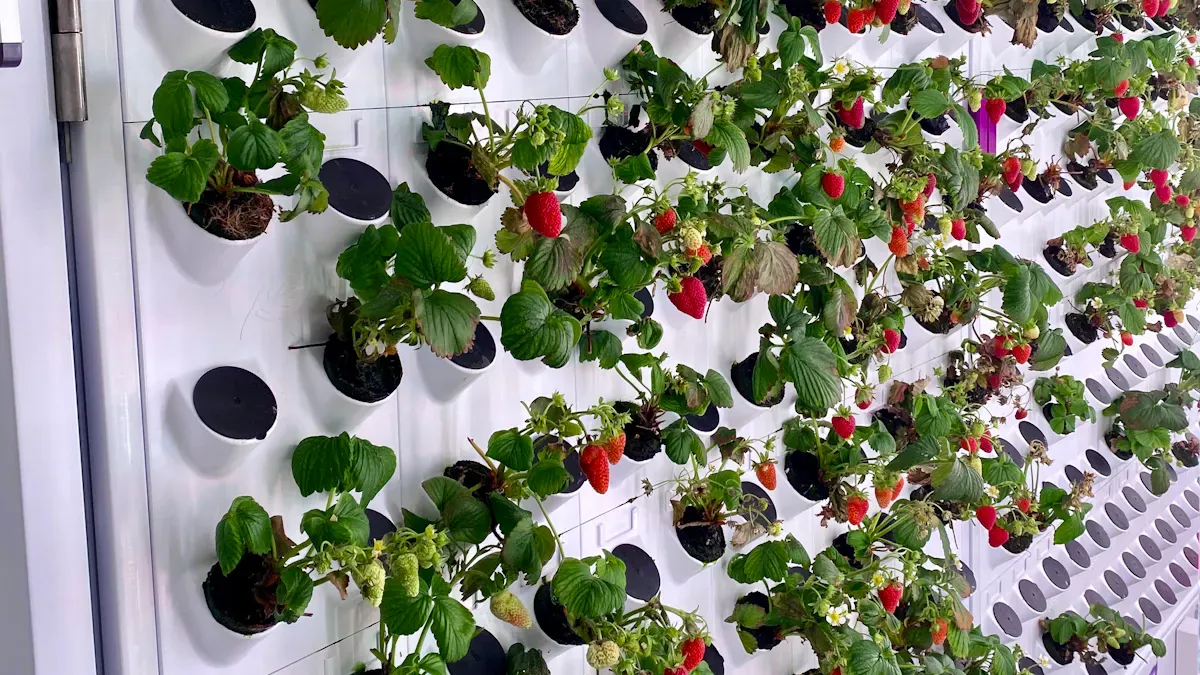
Hydroponic channels and essential equipment are vital for achieving successful plant growth. Studies indicate that hydroponic systems can boost crop yield by up to 50% compared to traditional soil methods. These systems also utilize 80% less water, making them an efficient choice for growers. To optimize your setup, refer to the best hydroponic channels list and the hydroponic equipment guide, which highlight the right tools that enhance nutrient access and delivery, promote root health, and stabilize environmental conditions. Investing in must-have hydroponic tools and understanding hydroponic system parts 2026 will ensure a productive and rewarding growing experience.
Key Takeaways
- Hydroponic systems can increase crop yields by up to 50% and use 80% less water than traditional methods.
- Choose the right hydroponic system, like NFT or DWC, based on your crop type and growth goals for optimal results.
- Regularly monitor pH and nutrient levels to ensure plants receive the right nutrients for healthy growth.
- Invest in quality equipment, such as LED grow lights and reliable water pumps, to enhance plant health and yield.
- Maintain a controlled environment with tools like grow tents and humidity controllers to support robust plant development.
Hydroponic Systems
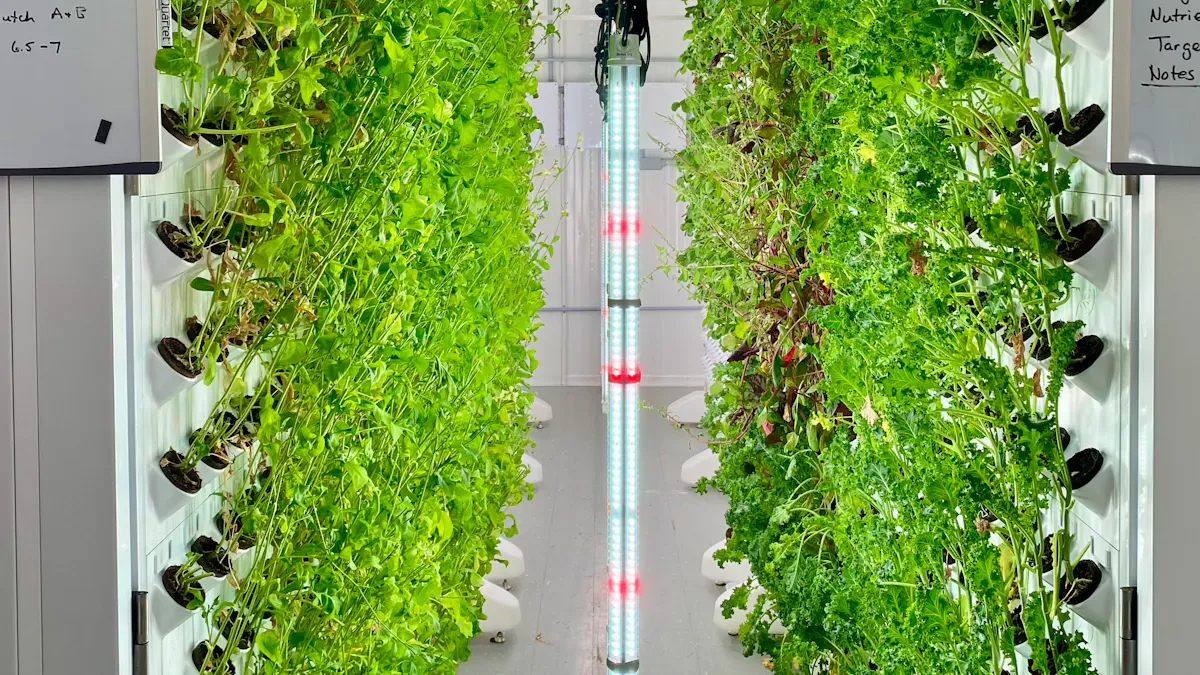
Nutrient Film Technique (NFT) System
The Nutrient Film Technique (NFT) system is a popular choice among hydroponic growers due to its efficiency and simplicity. This system utilizes a thin film of nutrient solution that flows over the roots of plants, providing them with essential nutrients and oxygen. The advantages of NFT systems include:
| Advantage | Description |
|---|---|
| Simple design | NFT systems have few components, making them easy to clean and maintain. |
| Innate flow | Designed for efficient nutrient solution flow, reducing cleaning frequency. |
| Linear channels | Straightforward channels allow for easy cleaning without disassembly. |
| Reduced water costs | Uses significantly less water compared to soil-based systems, making it more efficient. |
| Easier pest and disease scouting | Constant monitoring of roots helps in early detection of pests and diseases. |
| Highly scalable | Allows for easy expansion from small to larger setups as needed. |
| Fewer nutrient deficiencies | Provides a consistent nutrient supply, reducing the risk of deficiencies. |
| Oxygenation | Roots receive constant oxygen, promoting healthy growth. |
| Enhanced nutrient uptake | Nutrients are readily available in water-soluble forms for easy absorption by plants. |
| Excellent root development | Open channels provide ample space for roots to grow and develop effectively. |
Common crops grown using the NFT system include leafy greens such as lettuce, spinach, and herbs like basil and cilantro. Fruiting crops like strawberries and small tomatoes also thrive in this environment.
Deep Water Culture (DWC) System
The Deep Water Culture (DWC) system offers rapid growth rates and high yields. This method involves suspending plant roots in a nutrient-rich oxygenated water solution. DWC systems can produce growth rates up to 50% faster than soil, leading to higher yields due to efficient nutrient uptake.
Maintaining a DWC system requires regular monitoring of water temperature, nutrient balance, and conducting routine maintenance. Growers should:
- Daily monitor water levels to prevent pump damage.
- Conduct visual inspections of roots to identify issues early.
- Regularly check pH and nutrient concentrations to avoid imbalances.
Ebb and Flow System
The Ebb and Flow system, also known as flood and drain, replicates natural irrigation patterns. This system floods the grow tray with nutrient solution, saturating the roots, and then drains back into the reservoir, allowing for root aeration. This cycle enhances nutrient uptake and oxygen availability for the roots.
Growers appreciate the Ebb and Flow system for its ability to manage nutrient delivery effectively while promoting healthy root growth.
Aeroponic System
The Aeroponic system represents one of the most advanced methods in hydroponics. This technique suspends plant roots in the air and regularly mists them with a nutrient-rich solution. This method maximizes oxygen exposure, leading to rapid growth and high yields.
Aeroponic systems offer several advantages:
- Increased Growth Rates: Plants in aeroponic systems can grow 30-40% faster than those in traditional hydroponic setups. The constant access to nutrients and oxygen accelerates their development.
- Water Efficiency: These systems use 90-95% less water compared to soil-based farming. The misting technique minimizes waste and conserves resources.
- Nutrient Efficiency: Aeroponics achieves a nutrient efficiency of 90-95%. This high level of efficiency ensures that plants receive the necessary nutrients without excess runoff.
The following table summarizes the performance of aeroponic systems compared to other hydroponic methods:
| Farming Type | Estimated Yield Increase (%) | Water Usage Reduction (%) | Nutrient Efficiency (%) |
|---|---|---|---|
| Aeroponic | 30–40 | 90–95 | 90–95 |
| Hydroponic | 25–35 | 85–90 | 80–90 |
Aeroponic systems are particularly effective for growing high-value crops such as herbs, lettuce, and strawberries. Growers appreciate the ability to cultivate plants in a controlled environment, free from soil-borne diseases and pests.
However, maintaining an aeroponic system requires careful monitoring. Growers must ensure that the misting system operates efficiently and that nutrient levels remain balanced. Regular checks on the pH and electrical conductivity (EC) of the nutrient solution are essential for optimal plant health.
Hydroponic Channels
NFT Channels
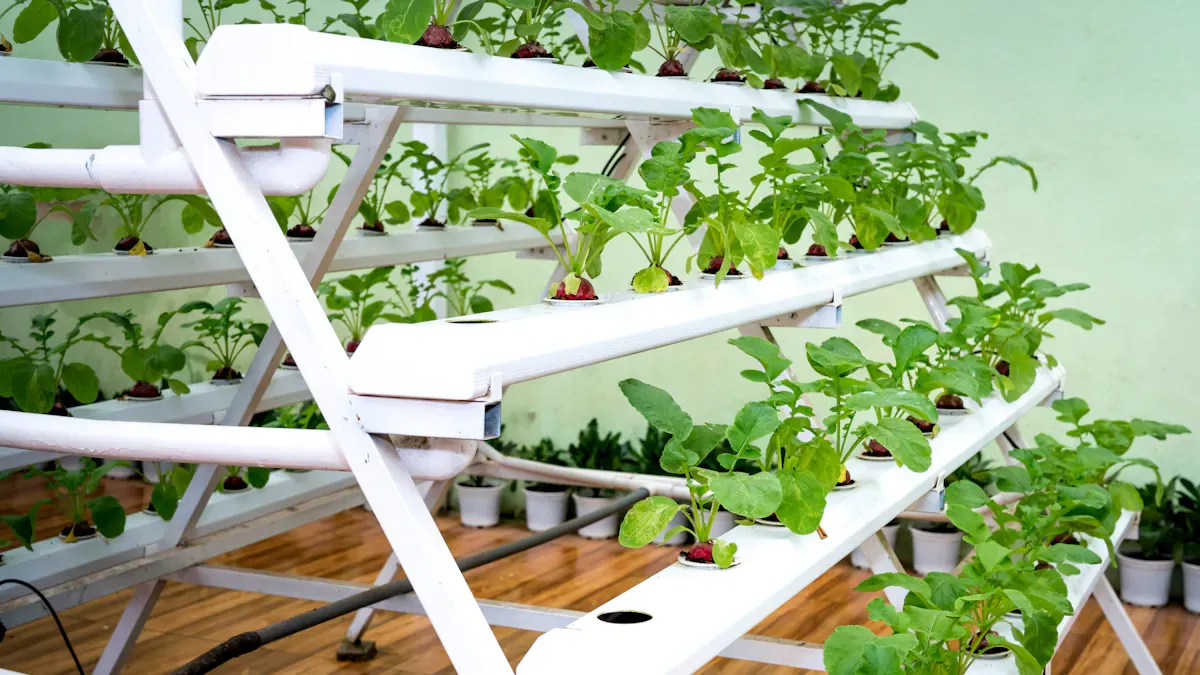
NFT channels play a crucial role in hydroponic systems. These channels are designed to facilitate the flow of nutrient solution over plant roots. Proper channel design significantly impacts nutrient flow and plant health. Growers should maintain a slope ratio of 1:30 to 1:40 to prevent pooling and ensure good aeration. This balance is essential for healthy root development. A steeper slope increases flow speed, while a shallower slope decreases it. Therefore, selecting the right slope is vital for maintaining a steady nutrient film over the roots.
Growing Medium Options
Choosing the right growing medium is essential for optimizing plant growth in hydroponic channels. Various options exist, each with unique properties that affect root development and nutrient uptake. Some effective growing mediums include:
- Rockwool
- Coco Coir
- LECA (Lightweight Expanded Clay Aggregate)
- Peat Moss
- Perlite
Coco coir is particularly favored for its moisture retention and pH neutrality. LECA is lightweight and reusable, making it an excellent choice for many growers. Rockwool offers sterility and good water retention, while perlite enhances aeration. Each medium impacts root growth differently, so growers should consider their specific needs when selecting a medium.
Water Pumps
Water pumps are vital components of hydroponic systems. They ensure consistent water and nutrient delivery, which is crucial for plant health. When selecting a pump, growers should consider several specifications:
- Flow Rate (GPH): Match the pump’s flow rate to the system’s volume. For example, small DWC buckets require 100–200 GPH, while large NFT channels need 1,000+ GPH.
- Head Height: Choose a pump with a maximum head height exceeding the system’s highest discharge point by at least 25%.
- Power Source: DC pumps are preferred for lower energy consumption, while AC pumps offer more power.
Reliable pumps minimize maintenance and replacement needs, enhancing system reliability. Regular maintenance, such as cleaning filters, is crucial for efficient pump operation.
Lighting
LED Grow Lights
LED grow lights have gained popularity among hydroponic growers due to their energy efficiency and versatility. These lights emit a full spectrum of light, which is essential for plant growth. They produce minimal heat, allowing growers to place them closer to plants without the risk of burning. This proximity enhances photosynthesis, leading to robust growth. Additionally, LED lights consume significantly less energy compared to traditional lighting options, resulting in lower electricity bills.
High-Intensity Discharge (HID) Lights
High-Intensity Discharge (HID) lights are a well-established choice in hydroponics. They provide high light output, making them suitable for vigorous growth and high yields. However, they come with both advantages and disadvantages:
| Advantages | Disadvantages |
|---|---|
| 1. High Light Output – Excellent for vigorous growth and yield. | 1. Heat Production – Can lead to increased temperatures in the growing area. |
| 2. Proven Track Record – A tried and true solution in horticulture. | 2. Energy Consumption – Generally consume more energy than newer technologies like LEDs. |
| 3. Broad Spectrum – Beneficial for various growth stages. | 3. Bulb Replacement – Shorter lifespan compared to LEDs, requiring more frequent replacements. |
| 4. Versatility – Different types cater to various growth stages. | 4. UV Radiation – Some emit UV radiation, which can be harmful if not managed. |
Growers often use HID lights for flowering and fruiting stages due to their intensity. However, they must manage heat levels to prevent stress on plants.
Fluorescent Grow Lights
Fluorescent grow lights are ideal for seedlings and early plant development. They provide a balanced spectrum and low heat output, which are crucial for preventing leggy growth in seedlings. Key benefits include:
- Consistent light intensity and specific wavelengths necessary for photosynthesis.
- Support for healthy early plant development, leading to sturdy stems and robust root systems.
- Improved chances of survival during transplanting.
These lights are particularly effective for small-scale operations and indoor gardens. Their affordability and ease of use make them a favorite among novice growers.
Nutrient Management
pH Meter
A pH meter is an essential tool for hydroponic growers. This device measures the acidity or alkalinity of the nutrient solution, which directly affects plant health. Maintaining the correct pH level ensures optimal nutrient uptake. Most plants thrive in a pH range of 5.5 to 6.5. Growers should regularly calibrate their pH meters to ensure accuracy. A well-calibrated meter provides reliable readings, allowing for timely adjustments to the nutrient solution.
Nutrient Solution Mixers
Nutrient solution mixers play a critical role in large-scale hydroponic operations. These mixers ensure that nutrients blend uniformly, providing plants with a consistent supply of essential elements. For effective mixing, growers should consider several features:
| Feature | Specification |
|---|---|
| Mixing vat material | Pharmaceutical-grade stainless steel |
| Minimum capacity | 500L for farms exceeding 0.5 hectares |
| Agitator system | Required for effective mixing |
| Precision mass flow meters | Necessary for accurate raw material measurement |
| Conductivity controllers | Essential for monitoring nutrient solution |
| Automated pH adjustment stations | Important for maintaining solution stability |
| Performance benchmarks | EC stability ±0.2 mS/cm over 72 hours |
| pH drift | Less than 0.3 units daily |
| Supplier requirements | Third-party heavy metal analysis reports |
| Compatibility metrics | Viscosity <5 cP, solubility >99.5% |
| Technical support response time | Under 4 hours for crop-specific expertise |
Investing in a high-quality nutrient solution mixer can significantly enhance the efficiency of nutrient delivery, leading to healthier plants and improved yields.
EC Meter
An EC meter measures the electrical conductivity of the nutrient solution, indicating the concentration of dissolved salts. This measurement helps growers determine the nutrient strength available to plants. Maintaining the correct EC level is crucial, as it directly influences plant growth and development. Most crops prefer an EC range of 1.5 to 2.5 mS/cm. Regular monitoring allows growers to adjust nutrient concentrations as needed, ensuring optimal conditions for plant health.
By effectively managing pH, nutrient solutions, and electrical conductivity, growers can create a balanced environment that promotes robust plant growth and maximizes yields.
pH Up and Down Solutions
Maintaining the correct pH level in hydroponic systems is crucial for plant health. pH Up and Down solutions help growers adjust the acidity or alkalinity of their nutrient solutions. These adjustments ensure that plants can absorb nutrients effectively.
Why pH Matters:
- Nutrient Availability: Different nutrients become available at specific pH levels. For most plants, the ideal pH range is between 5.5 and 6.5.
- Root Health: Extreme pH levels can stress roots, leading to poor growth and increased susceptibility to diseases.
Using pH Up and Down Solutions:
- pH Up Solutions: These solutions contain alkaline substances, such as potassium hydroxide or sodium hydroxide. They raise the pH level of the nutrient solution.
- pH Down Solutions: These solutions typically contain acids, like phosphoric acid or citric acid. They lower the pH level of the nutrient solution.
Tip: Always add pH Up or Down solutions gradually. A little goes a long way. After adding, wait for a few hours before measuring the pH again.
Steps for Adjusting pH:
- Measure the current pH using a calibrated pH meter.
- Determine whether to use pH Up or Down based on the reading.
- Add the appropriate solution slowly, mixing thoroughly.
- Recheck the pH after a few hours to ensure it falls within the desired range.
| Solution Type | Purpose | Common Ingredients |
|---|---|---|
| pH Up | Raises pH level | Potassium Hydroxide |
| pH Down | Lowers pH level | Phosphoric Acid |
By regularly monitoring and adjusting pH levels, growers can create an optimal environment for their plants. This practice leads to healthier plants and improved yields.
Environmental Control
Grow Tent
Grow tents provide a controlled environment for hydroponic systems. They create an enclosed space that helps regulate light, temperature, and humidity. Growers can easily manage these factors, leading to healthier plants. Many tents come with reflective interiors, maximizing light efficiency. This feature ensures that plants receive adequate light for photosynthesis.
When selecting a grow tent, consider the following factors:
- Size: Choose a size that fits your available space and the number of plants you intend to grow.
- Material: Look for durable, light-proof materials that can withstand humidity.
- Ventilation: Ensure the tent has adequate ventilation ports for air circulation.
Tip: Regularly check for leaks or tears in the tent material. Maintaining a sealed environment is crucial for optimal growth.
Humidity Controller
A humidity controller helps maintain the ideal moisture levels in the growing environment. Plants thrive within specific humidity ranges, typically between 40% and 70%. Too much humidity can lead to mold and mildew, while too little can cause stress and hinder growth.
Humidity controllers come in various forms, including:
- Analog Controllers: Simple devices that allow manual adjustments.
- Digital Controllers: Offer precise readings and automated adjustments.
Using a humidity controller ensures that plants receive the right moisture levels, promoting healthy growth and preventing diseases.
Temperature Monitor
Temperature monitors are essential for maintaining optimal growing conditions. Most plants prefer temperatures between 65°F and 75°F (18°C to 24°C). Extreme temperatures can stress plants and reduce yields.
Growers should consider using:
- Digital Thermometers: Provide accurate readings and often include alerts for temperature fluctuations.
- Thermostats: Help automate heating or cooling systems to maintain consistent temperatures.
Note: Regularly monitor temperature levels, especially during seasonal changes. Adjustments may be necessary to keep plants thriving.
Timers
Timers are essential tools in hydroponic systems. They automate various processes, ensuring that plants receive consistent care. By regulating light cycles, nutrient delivery, and environmental controls, timers help maintain optimal growing conditions.
Types of Timers:
-
Mechanical Timers: These timers operate using a dial and a simple on/off mechanism. They are easy to use and cost-effective. However, they may lack precision for complex systems.
-
Digital Timers: Digital timers offer advanced features. They allow users to program multiple on/off cycles throughout the day. This flexibility is beneficial for managing different plant needs.
-
Smart Timers: Smart timers connect to Wi-Fi and can be controlled remotely via smartphone apps. They provide real-time monitoring and alerts, making them ideal for tech-savvy growers.
Tip: When selecting a timer, consider the specific needs of your hydroponic system. Ensure it can handle the required load and has enough programming options.
Benefits of Using Timers:
-
Consistency: Timers ensure that plants receive the same amount of light and nutrients daily. This consistency promotes healthy growth and maximizes yields.
-
Energy Efficiency: By automating light schedules, timers reduce energy consumption. Growers can save on electricity bills while providing adequate light for their plants.
-
Convenience: Timers eliminate the need for manual adjustments. Growers can focus on other tasks, knowing that their system operates smoothly.
| Timer Type | Advantages | Disadvantages |
|---|---|---|
| Mechanical | Simple, cost-effective | Limited programming options |
| Digital | Multiple cycles, precise control | Slightly higher cost |
| Smart | Remote access, real-time monitoring | Requires Wi-Fi and setup |
Investing in quality hydroponic channels and equipment significantly enhances plant health and yield. For instance, a large-scale lettuce farm in Europe reported a 20% yield increase after adopting Black and White Hydroponic Channels. This improvement stemmed from better light reflection and reduced algae growth. Similarly, growers using reflective surfaces often experience yield increases of 10% to 20%.
Choosing the right tools is essential for achieving optimal results. By prioritizing quality equipment, growers can create a more efficient and productive hydroponic system.
Tip: Regularly assess your hydroponic setup to ensure it meets your plants’ needs.
FAQ
What is hydroponics?
Hydroponics is a method of growing plants without soil. Instead, it uses nutrient-rich water solutions to deliver essential nutrients directly to plant roots. This technique promotes faster growth and higher yields.
How often should I check pH levels?
Growers should check pH levels at least once a week. Regular monitoring ensures that plants receive optimal nutrient uptake. Adjustments may be necessary based on the specific needs of the plants.
Can I use regular tap water for hydroponics?
Using tap water is possible, but it may contain chlorine and other chemicals. These substances can harm plants. It is advisable to use filtered or distilled water for better results.
What crops are best suited for hydroponic systems?
Leafy greens, herbs, and strawberries thrive in hydroponic systems. These crops benefit from the controlled environment and efficient nutrient delivery, leading to faster growth and higher yields.
How much space do I need for a hydroponic setup?
The space required depends on the system type and the number of plants. Small systems can fit in a closet, while larger setups may need a dedicated room or greenhouse. Assess your available space before starting.