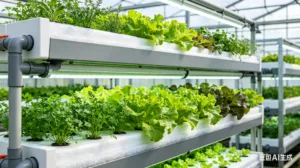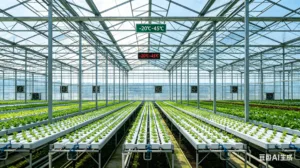
In 2026, hydroponic innovations are revolutionizing agriculture. A significant advancement is AI-powered climate and nutrient automation, which is a hallmark of smart farming systems that enhance crop health and optimize resource use. Additionally, greenhouse tech trends highlight the importance of energy-efficient LED lighting systems, which not only boost yields but also contribute to energy-saving agriculture. Some greenhouses even report yield increases of up to 30% after switching to LEDs, showcasing the multi-span greenhouse benefits in maximizing productivity. Finally, decentralized hydroponic greenhouse kits are making sustainable ag solutions accessible to urban gardeners everywhere.
Key Takeaways
- AI-powered climate control systems optimize growing conditions, leading to healthier plants and higher yields.
- LED lighting technology boosts crop productivity while saving energy, with some growers reporting yield increases of up to 30%.
- Integrating IoT devices allows for real-time monitoring, helping farmers make informed decisions and conserve resources.
- Vertical growing systems maximize space and water efficiency, making them ideal for urban farming and sustainable practices.
- Blockchain technology enhances supply chain transparency, ensuring food quality and building trust among consumers.
Automated Greenhouses
Smart Climate Control Systems
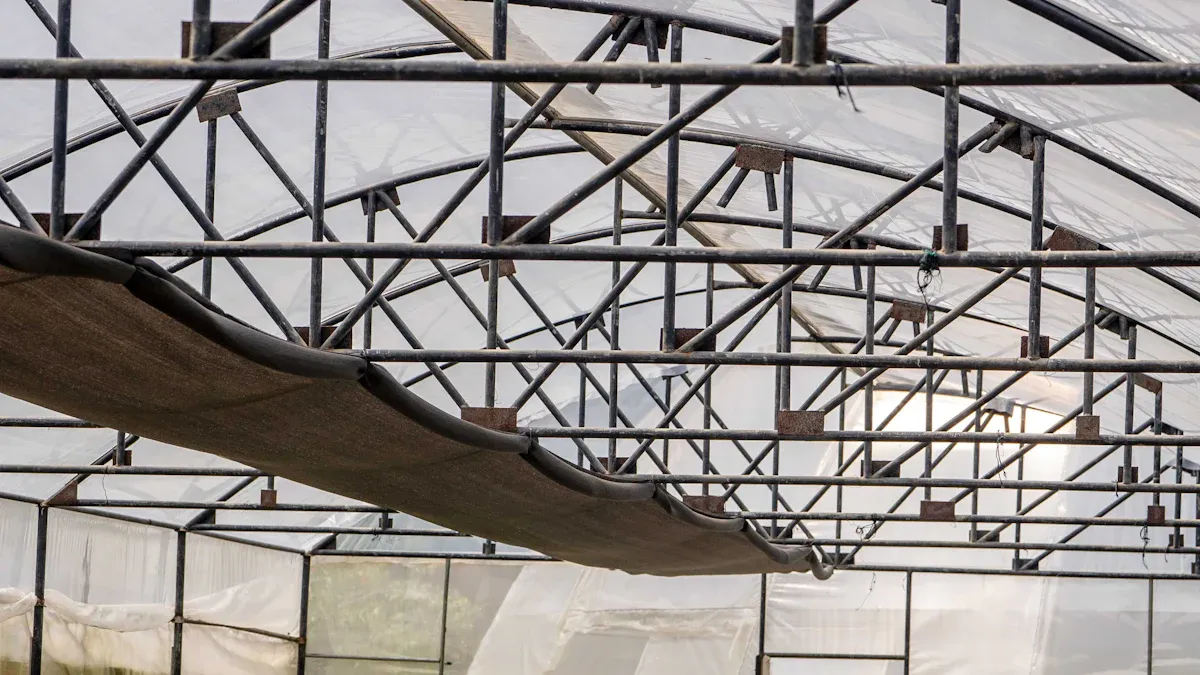
Automated greenhouses are changing the way we grow plants. One of the standout features is the smart climate control system. These systems use sensors to monitor conditions like temperature, humidity, and light. They adjust the environment in real-time, ensuring plants thrive. Here are some benefits of these systems:
- They maintain ideal air, light, and temperature conditions for crops, enhancing plant vitality.
- By monitoring heat and humidity, they keep plants within their optimal development range, avoiding stress.
- Adjusting humidity levels according to crop needs allows plants to absorb more water and nutrients, leading to increased growth rates.
- Temperature regulation tailored to specific crops results in healthier plants and larger yields.
- IoT sensors help maintain stable conditions, reducing disease and improving plant resilience against pests and extreme weather.
In contrast to traditional greenhouses, automated systems significantly reduce labor requirements and energy consumption. A comparison highlights these differences:
| Feature | Traditional Greenhouse | Smart Greenhouse |
|---|---|---|
| Climate Control | Manual or basic thermostat-based systems | Fully automated with sensors and real-time adjustments |
| Data Utilization | Minimal, based on intuition and manual checks | Extensive use of real-time data for precise decision-making |
| Energy Efficiency | High energy consumption, especially for heating and cooling | Optimized energy use with automated climate screens and renewable energy options |
| Labor Requirements | High, requiring frequent manual adjustments and monitoring | Low, with most tasks automated or remotely controlled |
| Sustainability | Limited, with high resource consumption | High, with optimized resource use and lower carbon footprint |
| Crop Yield | Dependent on human intervention and less consistent | Increased yields and consistent quality due to precise environmental control |
Integration with IoT Devices
Integrating IoT devices into greenhouse management takes automation to the next level. These devices provide real-time data that helps growers make informed decisions. Common IoT devices include:
- Smart Sensors: Collect data on greenhouse conditions, enabling precise control over the environment.
- Soil Moisture Sensors: Monitor soil moisture levels to optimize irrigation practices.
- Temperature Sensors: Help maintain ideal growing conditions by monitoring and adjusting heating and cooling systems.
- Humidity Sensors: Measure moisture levels to prevent mold and mildew growth.
- Light Sensors: Track light intensity and duration to adjust lighting systems for optimal plant growth.
By using these devices, growers can conserve resources and improve crop quality. The combination of smart climate control systems and IoT integration represents a significant leap in hydroponic innovations, making agriculture more efficient and sustainable.
Robotics in Agriculture
Harvesting Robots
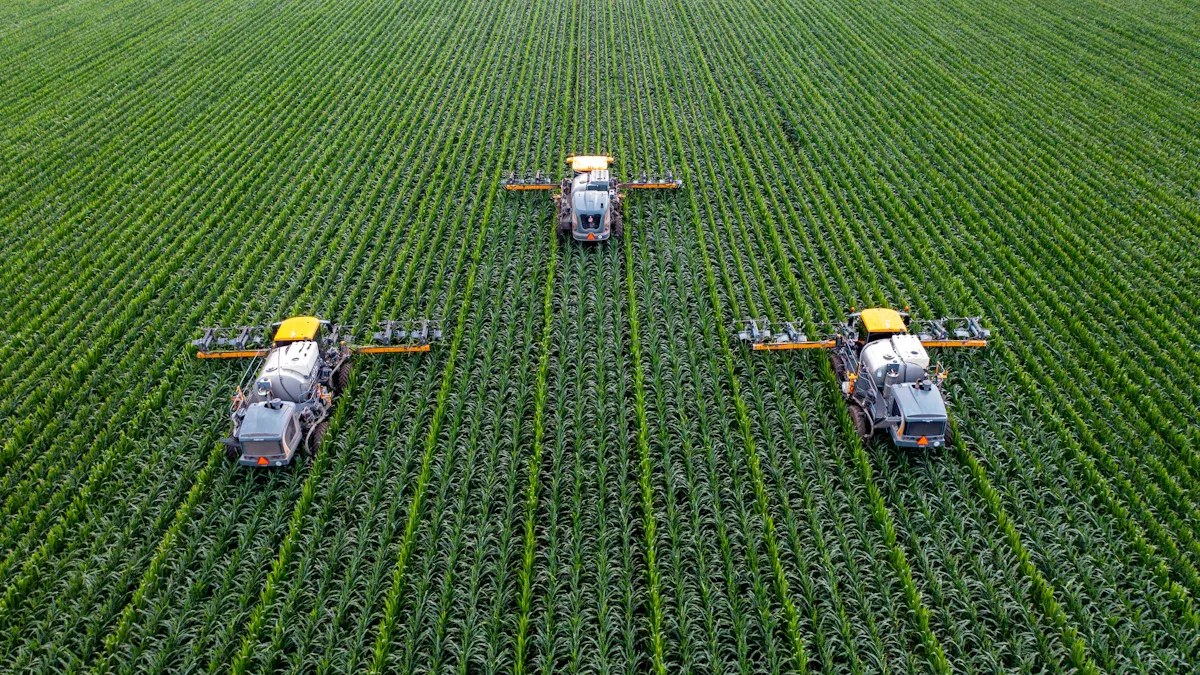
Harvesting robots are transforming the way farmers gather crops. These machines can perform tasks like fruit picking with remarkable precision. Here are some key features of harvesting robots:
- Articulated Robotic Arms: These arms provide flexibility and accuracy, making them perfect for delicate tasks like picking ripe fruits without damaging the plants.
- AI Integration: Many harvesting robots use artificial intelligence to enhance their efficiency. They can learn from their environment and adapt to different crop types.
- Cost Efficiency: While the initial investment in these robots can be high, they offer substantial long-term savings. Automation reduces labor costs and minimizes human error, leading to better crop quality.
| Aspect | Robots | Manual Labor |
|---|---|---|
| Initial Investment | High upfront costs (tens to hundreds of thousands) | Lower initial costs (recruitment and training) |
| Operational Costs | Maintenance, software updates, energy consumption | Ongoing wages, benefits, training, breaks |
| Long-Term Savings | Substantial savings from automation, reduced human error | Can become expensive due to ongoing costs |
| Total Cost of Ownership | Includes initial and ongoing costs, offset by efficiency gains | Continuous payments for wages and benefits |
Planting and Maintenance Drones
Drones are becoming essential tools in modern hydroponic systems. They play a vital role in planting and maintaining crops. Here’s how they contribute:
- Nutrient Delivery: Drones can deliver nutrients directly to plants, enhancing growth while reducing waste. This targeted approach ensures that plants receive exactly what they need.
- Real-Time Monitoring: Equipped with advanced sensors, drones collect data on plant health and nutrient levels. This information helps farmers make informed decisions about their crops.
- Precision Spraying: Drones utilize GPS and AI technologies to apply nutrients precisely where needed. This minimizes resource waste and maximizes efficiency.
By integrating robotics into agriculture, growers can streamline operations and improve productivity. The future of farming looks bright with these innovations paving the way for more sustainable practices.
Drone Usage in Agriculture
Aerial Monitoring and Data Collection
Drones have become vital tools in modern agriculture, especially for monitoring crops in greenhouses. These flying devices come equipped with high-resolution cameras and multispectral sensors. They provide growers with valuable insights by capturing detailed images of crops. Here’s how drones help:
- Drones reveal signs of pest infestations, nutrient deficiencies, and water stress before they become visible to the naked eye.
- They capture images using multispectral, RGB, and thermal cameras, highlighting subtle differences in color, temperature, and reflectance.
- Automated analysis processes the data using AI, flagging trouble spots for immediate intervention.
This proactive approach allows growers to apply targeted treatments, reducing yield losses and improving overall crop health. By utilizing drones for aerial monitoring, farmers can stay ahead of potential issues and ensure their plants thrive.
Precision Spraying Techniques
Drones also excel in precision spraying techniques, which have transformed how farmers apply nutrients and pesticides. This method offers several benefits that enhance agricultural efficiency:
| Benefit | Evidence/Impact |
|---|---|
| Increased Crop Yields | Yield increases of 20–25% are typical for farms adopting this technology. |
| Reduced Costs | Farmers see 30% reductions in total input usage, according to industry estimates. |
| Enhanced Sustainability | There are over 20% reductions in water and chemical runoff into fragile watersheds. |
By using drones for precision spraying, growers can minimize waste and maximize the effectiveness of their treatments. This not only leads to healthier crops but also promotes sustainable farming practices. As technology continues to advance, the role of drones in agriculture will only grow, making farming more efficient and environmentally friendly.
Vertical Growing Systems
Vertical growing systems are changing the landscape of agriculture. These innovative setups allow farmers to maximize their crop yields while using less space and resources. Let’s dive into how these systems work and their benefits.
Space Optimization Techniques
Farmers can significantly boost their crop yields by employing various space optimization techniques. Here are some effective methods:
- Modifying nutrient solution concentrations can lead to higher fruit yields and increased plant biomass.
- Optimizing light exposure for young plants encourages essential leaf expansion for growth.
- Adjusting light wavelengths and temperature variations enhances growth, flowering, and fruit development.
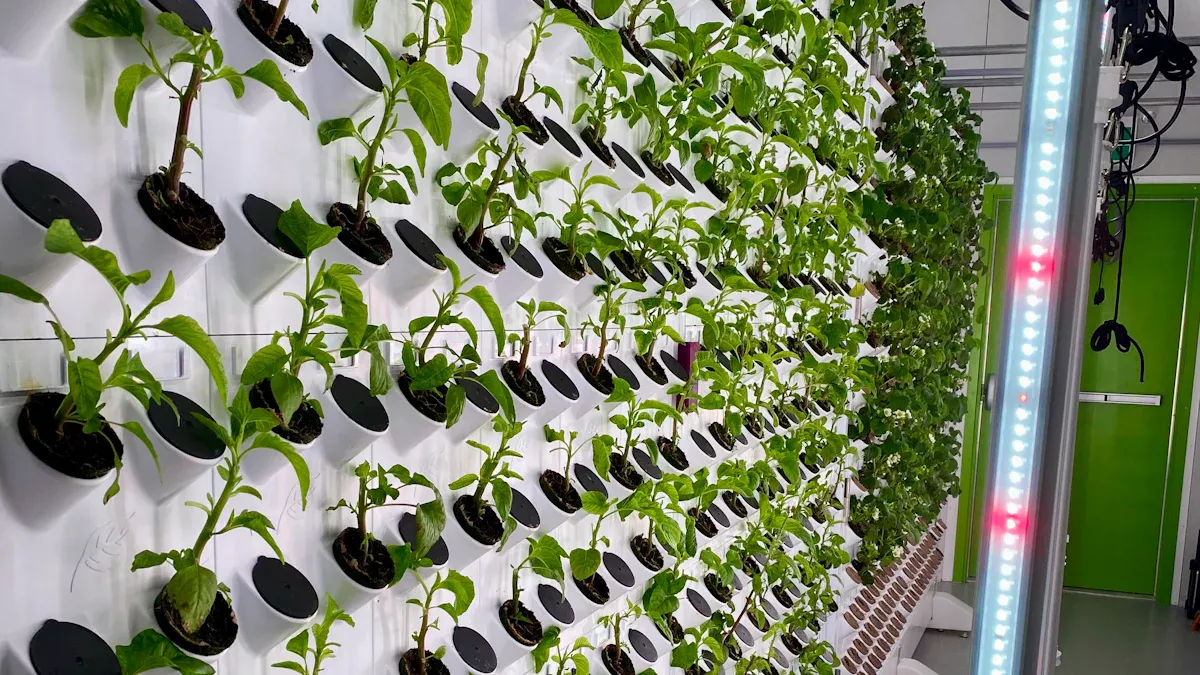
Additionally, vertical grow racks enable high-density planting by stacking multiple levels of crops. This method is especially beneficial in urban areas where land is limited and expensive. The design of these systems can be tailored to meet the specific needs of different crops, enhancing the growing environment and potentially increasing yields.
Hydroponic Towers and Racks
Hydroponic towers and racks are among the most popular designs in commercial greenhouses today. These systems offer unique features that cater to various crops. For instance, the 3D vertical growing rack is optimized for strawberries, maximizing vertical space usage. On the other hand, high-capacity vertical grow racks support a wide range of crops and come equipped with automated irrigation and climate control systems.
| Design Type | Features |
|---|---|
| 3D Vertical Growing Rack | Optimized for greenhouse strawberries, maximizing vertical space usage. |
| High-Capacity Vertical Grow Rack | Supports a wide range of crops, equipped with automated irrigation and climate control. |
The hydroponic grow rack market reached $5.8 billion in 2022 and is projected to grow at a CAGR of 14.7% from 2023 to 2030. This growth reflects strong adoption in commercial farms and vertical farming ventures. For commercial farmers, investing in high-capacity vertical grow racks is crucial for enhancing productivity and efficiency. These systems are designed to accommodate various crops in controlled environments, featuring advanced technologies essential for optimal plant growth.
By embracing these vertical growing systems, farmers can not only increase their yields but also contribute to more sustainable agricultural practices.
Dynamic Lighting Solutions
LED Technology Advancements
LED technology has come a long way in recent years, making it a game-changer for greenhouse lighting. Growers now have access to advanced features that enhance plant growth and sustainability. Here’s a look at some of the latest advancements:
| Advancement Type | Description |
|---|---|
| Light Spectrum Customization | Growers can fine-tune the wavelengths emitted based on specific plant requirements, enhancing growth. |
| Flexible and Sustainable Materials | New materials reduce ecological impact while maintaining productivity and efficiency. |
| Smart Technology Integration | Combines sensors and AI to tailor environmental conditions, improving crop yield and quality. |
| Vertical Farming Compatibility | LED lights effectively illuminate stacked layers of plants, ensuring adequate light exposure. |
| Automated Smart Lighting Systems | Adjust light levels based on real-time conditions, optimizing energy use and enhancing growth. |
These advancements allow farmers to create the perfect environment for their crops. With smart technology, they can monitor conditions and adjust lighting as needed. This not only boosts yields but also conserves energy, making farming more sustainable.
Light Spectrum Manipulation
Manipulating the light spectrum can significantly impact plant growth and productivity in hydroponic systems. Different wavelengths affect plants in unique ways. Here’s how various light spectrums influence growth:
| Light Spectrum | Effect on Plant Growth and Biochemical Traits |
|---|---|
| Red Spectrum | Enhances accumulation of sugars and antioxidants, resulting in sweeter fruits. |
| Blue Spectrum | Promotes synthesis of secondary metabolites like anthocyanins and flavonoids. |
| Red/Blue Combination | Increases soluble protein content, antioxidant activity, and net photosynthetic rate. |
By adjusting the light spectrum, growers can optimize their crops for flavor, nutrition, and overall health. This targeted approach allows them to produce high-quality plants that meet market demands. As technology continues to evolve, the potential for dynamic lighting solutions in agriculture will only grow, paving the way for more efficient and productive farming practices.
Advanced Analytics and AI
Predictive Analytics for Crop Management
Predictive analytics plays a crucial role in modern crop management. It helps greenhouse operators make timely decisions about harvesting, maintenance, and disease control. By analyzing data from various sources, these tools can forecast yields more accurately. This capability allows growers to plan production and allocate resources effectively. For instance, operators can adjust their strategies based on anticipated demand and environmental conditions.
Here are some key benefits of using predictive analytics:
- Timely Interventions: Operators can act quickly to prevent crop loss by forecasting plant stress.
- Resource Optimization: Smart systems adjust water, energy, and nutrient usage based on real-time data, leading to healthier crops and higher yields.
- Improved Planning: Yield prediction tools assist in making informed decisions, minimizing inputs, and reducing losses.
By integrating tools like Microsoft Power BI with ERP systems, greenhouse operators can visualize data effectively. This integration enhances operational efficiency, allowing for quick adjustments based on current conditions.
Data-Driven Decision Making
Data-driven decision-making is transforming hydroponic agriculture. AI processes large datasets to provide insights that help farmers optimize crop selection and nutrient use. This leads to increased efficiency and yield. As technology advances, about 40% of new smart greenhouses will incorporate IoT and blockchain by 2026. This integration enhances supply chain trust and resilience, which is crucial for risk management in hydroponic farming.
Here are some measurable outcomes of data-driven decision-making:
- Informed Choices: Farmers can make better decisions based on accurate data analysis.
- Enhanced Efficiency: Optimizing resources leads to higher productivity and reduced waste.
- Sustainable Practices: Data insights help in implementing eco-friendly farming methods.
Eco-Friendly Hydroponics
Recycling Nutrient Water
Recycling nutrient water is a game-changer in hydroponic systems. This closed-loop design allows growers to reuse water, significantly cutting down on waste compared to traditional farming. By minimizing runoff, hydroponics not only conserves water but also captures moisture from plant vapor and recycled wastewater. This method enhances resource efficiency, although it requires careful management to avoid nutrient deficiencies. Research shows that while recycling can reduce resource consumption, growers must monitor nutrient levels closely to prevent negative effects on plant growth.
Tip: Regularly test the nutrient solution to ensure plants receive the right balance for optimal growth.
Biodegradable Growing Mediums
Biodegradable growing mediums are gaining popularity in hydroponics. These materials, often derived from coconut husks, offer several benefits. They are sustainable and eco-friendly, making them a great choice for environmentally conscious growers. Here’s a quick look at their advantages and limitations:
| Benefit/Limitations | Description |
|---|---|
| High water retention | Coconut coir retains moisture well, which can be beneficial for plant growth but may lead to overwatering. |
| Nutrient uptake issues | Excess moisture can hinder nutrient absorption by plants. |
| Eco-friendly | Derived from coconut husks, making it a sustainable choice. |
Using biodegradable mediums can positively impact root growth and promote beneficial microbial activity. They also facilitate adequate aeration, ensuring healthy root development. However, growers should be aware of potential nutrient uptake issues that can arise from excess moisture.
By adopting these eco-friendly practices, hydroponic innovations continue to pave the way for sustainable agriculture. As more growers embrace these methods, they contribute to a healthier planet while producing high-quality crops.
Blockchain in Agriculture
Blockchain technology is making waves in agriculture, especially when it comes to crop traceability and supply chain transparency. This innovation allows farmers, businesses, and consumers to track food products from farm to table. Here’s how it works:
- Enhanced Traceability: Blockchain records every step in the supply chain, making it easy to trace the origin and handling of food products. This transparency builds trust among consumers.
- Quality Assurance: It streamlines the certification process for organic and sustainable farming practices. By standardizing documentation, blockchain makes it simpler and more reliable for farms to prove their practices.
- Smart Contracts: These automated agreements ensure timely payments and reduce the need for intermediaries. This boosts operational efficiency and helps farmers get paid faster.
- Financial Access: Smallholder farmers benefit from accurate financial verification, which helps them secure loans and access insurance. This opens doors to financial services that were previously out of reach.
- Sustainability Monitoring: Blockchain allows farms to earn carbon credits by verifying their commitment to sustainable practices. This not only helps the environment but also adds value to their operations.
Crop Traceability Platforms
Crop traceability platforms powered by blockchain come with several key features that enhance their effectiveness. Here’s a quick look at what they offer:
| Feature Description | Example Implementation |
|---|---|
| Data Security | Use of proxy encryption for secure storage of crop-breeding data. |
| Transparency | Dynamic supervision model for rice supply chain ensuring quality and safety. |
| Efficiency | Lightweight blockchain storage method to alleviate data storage pressure. |
| Access Control | CP-ABE encryption technology for setting access-control policies. |
| Traceability | Full-process traceability model ensuring reliable information interaction across chains. |
These features ensure that all stakeholders can trust the information shared across the supply chain.
Supply Chain Transparency
Supply chain transparency is crucial in agriculture, and blockchain plays a vital role in achieving it. Here’s how:
- Blockchain provides an immutable and decentralized record of transactions, enhancing trust among stakeholders.
- It allows for complete traceability of agricultural products, ensuring transparency in their journey from farm to table.
- The technology helps deter fraud and mislabeling, which is essential for maintaining product integrity.
- Continuous updates through blockchain enable quick identification of compromised batches, improving quality control and reducing contamination risks.
- Smart contracts automate processes, such as payments and recalls, based on predefined criteria, enhancing operational efficiency.
By leveraging blockchain, the agricultural sector can improve transparency and build trust, ultimately leading to a more sustainable and efficient food system.
In 2026, hydroponic innovations are reshaping agriculture. Key advancements include vertical hydroponics, which can yield up to ten times more crops per square meter. These systems save up to 90% of water and offer quick returns on investment, making them perfect for urban and remote areas. Smart automation and remote monitoring reduce labor while ensuring high food quality year-round.
As the global population approaches 10 billion by 2050, these technologies are crucial for creating sustainable agricultural systems. They enhance efficiency and adaptability, helping to combat food insecurity, which affected 2.3 billion people in 2024. Embracing these innovations will be vital for securing our food future.
FAQ
What is hydroponics?
Hydroponics is a method of growing plants without soil. Instead, it uses nutrient-rich water solutions to deliver essential nutrients directly to plant roots. This technique allows for faster growth and higher yields compared to traditional soil-based farming.
How do automated greenhouses work?
Automated greenhouses use sensors and smart technology to monitor and control environmental conditions. They adjust temperature, humidity, and light levels in real-time, ensuring optimal growth conditions for plants while reducing labor and resource consumption.
What are the benefits of vertical farming?
Vertical farming maximizes space by stacking crops in layers. This method increases yields per square meter, conserves water, and reduces the need for pesticides. It’s especially beneficial in urban areas where land is limited.
How does blockchain improve agriculture?
Blockchain enhances traceability and transparency in agriculture. It records every step in the supply chain, allowing consumers to track food products from farm to table. This technology helps ensure quality and builds trust among stakeholders.
Why are LED lights important in greenhouses?
LED lights are energy-efficient and can be tailored to specific plant needs. They provide the right light spectrum for photosynthesis, leading to healthier plants and increased yields. Switching to LEDs can significantly reduce energy costs for growers.