Identifying leading commercial hydroponic partners in China is complex. Trust depends on specific project needs. The China Hydroponics Market expects a value of $368.36 million USD in 2024. This market projects an 18.3% Compound Annual Growth Rate from 2025 to 2031, reaching $32.5 billion. Several companies stand out for their innovation, product quality, and customer support. Businesses seek the best price-to-quality hydroponic suppliers in China 2026. They often look for advanced solutions like an all-weather hydroponic system or an energy-saving hydroponic system. A reliable Miilkiia Hydroponic system can meet diverse cultivation demands. This guide helps navigate the landscape of trusted Chinese hydroponic partners.
Key Takeaways
- A trusted hydroponic partner offers new technology and reliable products. They also provide good customer help.
- Look for partners with experience in many projects. They should also offer systems that can grow with your business.
- Top Chinese companies like Lysine Group and OptiClimate offer special hydroponic systems. MIILKIIA AGRICULTURE makes good grow channels.
- To choose a partner, first know what your project needs. Check the supplier’s past work and how they help customers after buying.
- Always check a partner’s history and claims. Talk to their team and other customers to make a good choice.
Defining Trust in Commercial Hydroponics
Businesses seek a trusted partner in commercial hydroponics. Trust stems from several core pillars. These pillars ensure a successful and sustainable cultivation operation.
Innovation and Technological Leadership
A trusted partner consistently drives innovation. They offer cutting-edge solutions that enhance efficiency and yield. For example, precision hydroponic systems improve crop productivity through advanced drip irrigation and nutrient dosing. Smart sensors and automation provide real-time data on pH, nutrient levels, and environmental conditions. Targeted LED lighting systems optimize energy use and plant development, enabling year-round indoor cultivation. Companies also integrate IoT in vertical farming, monitoring conditions and collecting data for individual plants. This provides recommendations for light, water, and nutrients. Furthermore, advanced partners utilize aeroponics technology, suspending plant roots in a nutrient-rich mist for faster growth. They also develop scalable indoor vertical farms like the Flex Acre, which uses advanced controlled agriculture technology. This system allows for large-scale hydroponic growing and includes an integrated HVAC, power, and plumbing solution that recaptures energy and water.
Product Quality and Reliability
High product quality and reliability form the bedrock of trust. A dependable partner provides durable systems and components. These products perform consistently over time. Growers rely on equipment that withstands continuous operation and delivers predictable results. This includes robust grow channels, efficient pumps, and long-lasting nutrient delivery systems. Reliable products minimize downtime and reduce maintenance costs. They ensure the hydroponic farm operates smoothly and profitably.
Comprehensive Customer Support
Exceptional customer support is vital for long-term partnerships. A trusted provider offers rapid order fulfillment and efficient returns. They also provide accessible technical support. Dedicated teams offer expert advice for commercial growers, fostering strong relationships. They support large-scale growers from initial planning through to harvest. This includes thorough inspections of all equipment, such as pumps and water treatment systems, to ensure optimal function. Partners also conduct meticulous testing and advise on adjusting water quality and nutrient concentrations. They ensure effective communication between all hydroponic system components and set up automated schedules. Ongoing support and advice extend beyond initial installation, ensuring sustained system performance.
Project Experience and Scalability
A trusted hydroponic partner demonstrates extensive project experience. They successfully complete diverse projects. This includes various crop types and system sizes. A partner with a strong portfolio shows their capability. They handle challenges effectively. Their experience ensures smooth project execution from design to operation. They understand the nuances of different cultivation environments. This expertise minimizes risks for new ventures.
Scalability is another critical factor. Commercial growers often plan for future expansion. A reliable partner offers solutions that grow with the business. They design systems capable of scaling up production. This means they can start with a smaller setup. Then, they can expand it into a large-scale commercial farm. This flexibility saves time and resources. It avoids the need for complete system overhauls later.
Tip: Look for partners who showcase a variety of completed projects. These projects should range from small pilot farms to extensive commercial operations. This indicates their adaptability and proven success.
A partner’s ability to scale also reflects their engineering prowess. They design modular systems. These systems allow for easy additions of grow channels, nutrient delivery units, and environmental controls. They also provide comprehensive support for expansion phases. This includes planning, installation, and optimization for increased capacity. Such partners offer peace of mind. They assure clients their investment will support long-term growth. They provide solutions that adapt to evolving market demands. This makes them invaluable allies in the commercial hydroponics industry.
Leading Manufacturers of Commercial Hydroponic System
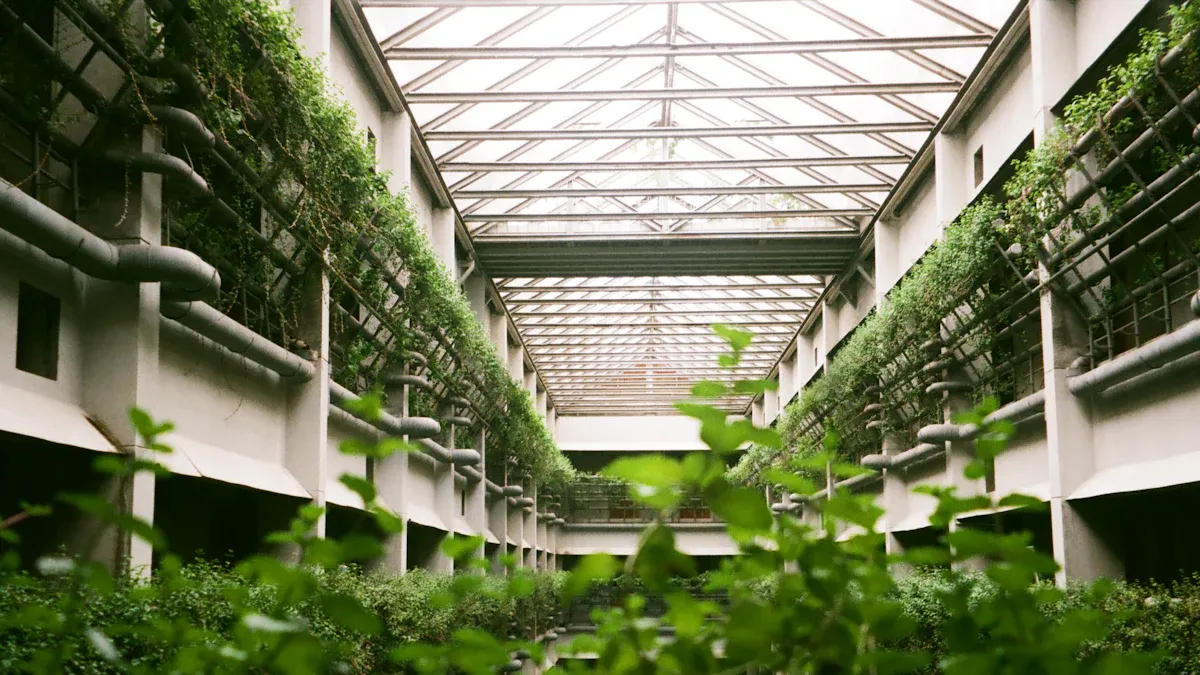
China’s commercial hydroponics sector features several prominent manufacturers. These companies offer diverse solutions, from custom designs to advanced vertical farming technologies. They consistently deliver high-quality products and services to growers worldwide.
Lysine Group: Custom Hydroponic System Expertise
Lysine Group stands out for its specialized expertise in custom hydroponic system solutions. They understand that each commercial project has unique requirements. The company works closely with clients to design and implement tailored systems. This ensures optimal performance for specific crops and environmental conditions. Lysine Group’s approach involves detailed consultation, precise engineering, and robust manufacturing. They provide growers with a hydroponic system that perfectly fits their operational needs and maximizes yield potential. Their commitment to customization makes them a valuable partner for complex or large-scale installations.
OptiClimate: Vertical Farming Solutions Provider
OptiClimate has established itself as a leading provider of vertical farming solutions. They offer proprietary technology designed to create perfect growing environments year-round for various crops. OptiClimate’s unique technology integrates cooling, heating, dehumidification, air circulation, filtration, and optical induction into a single system. This comprehensive approach ensures precise climate control. The company also utilizes integrated OptiClimatefarm® technology for remote management and automation of tasks. This allows for intelligently controlled growing environments, even in challenging settings like sea container farms.
OptiClimate provides end-to-end service. They support customers from business case development to build completion and ongoing maintenance. This holistic service combines technology, people, and expertise. Plant scientists and environmental control engineers collaborate to deliver effective solutions. Their hybrid growing model allows cultivation from nurseries and clones to vegetables and microgreens. OptiClimate also offers modular and stackable lab farms. These provide a secured, self-contained, and climate-controlled growing environment. They feature customizable irrigation solutions with flexible hydroponic frameworks, including EC and pH control, and nutrient solution management. OptiClimate maximizes growing space while minimizing energy and water usage through smart climate solutions. They also offer portable and transportable hydroponic vertical farms. These cut logistics costs and shorten the farm-to-table journey.
Beijing GreenTech Hydroponics Co., Ltd.: R&D and Production Excellence
Beijing GreenTech Hydroponics Co., Ltd. demonstrates strong capabilities in research and development (R&D) and production. The company invests significantly in innovation. They continuously develop new technologies and refine existing ones. This commitment ensures their products remain at the forefront of the hydroponics industry. Their production facilities adhere to strict quality control standards. They manufacture durable and efficient hydroponic components and complete systems. Beijing GreenTech Hydroponics Co., Ltd. combines scientific rigor with practical manufacturing. This allows them to deliver reliable and high-performing solutions to commercial growers.
MIILKIIA AGRICULTURE: High-Quality Hydroponic Grow Channels
MIILKIIA AGRICULTURE specializes in producing high-quality hydroponic grow channels. They focus on durability and efficiency for commercial growers. Their commitment to quality ensures reliable performance in diverse cultivation environments.
MIILKIIA AGRICULTURE uses food-grade PVC as the primary material for their grow channels. This material offers exceptional durability and resistance to environmental factors. It also ensures the nutrient solution remains uncontaminated. This guarantees the safety and longevity of the entire hydroponic system. Their unique double-layer structure design maximizes crop yield in limited spaces. The outer layer provides stability. The inner layer holds the nutrient solution, ensuring a consistent supply to plant roots. This structure also helps maintain optimal temperature and moisture levels. It promotes faster and healthier plant growth. Furthermore, modern hydroponic pipes from MIILKIIA integrate with smart systems. They utilize sensors and timers to automate watering and nutrient delivery. This technology allows for remote monitoring and adjustment of growing conditions. It optimizes plant growth, minimizes manual labor, and enhances the efficiency of the hydroponic setup.
Shandong Hualiang Greenhouse Engineering Co., Ltd.: Custom Greenhouse Hydroponic System
Shandong Hualiang Greenhouse Engineering Co., Ltd. provides custom greenhouse solutions. They integrate advanced hydroponic systems into their designs. The company lists ‘Integrated hydroponics‘ as one of its core strengths. They also offer ‘Custom size/design’ as a key service. This means Shandong Hualiang designs and constructs greenhouses specifically tailored to a client’s needs. These custom greenhouses incorporate a complete hydroponic system. They consider factors like local climate, specific crop requirements, and desired production scale. Their expertise ensures a seamless integration of the growing technology within the greenhouse structure. This provides an optimized environment for commercial hydroponic operations.
Specialized Hydroponic System Providers
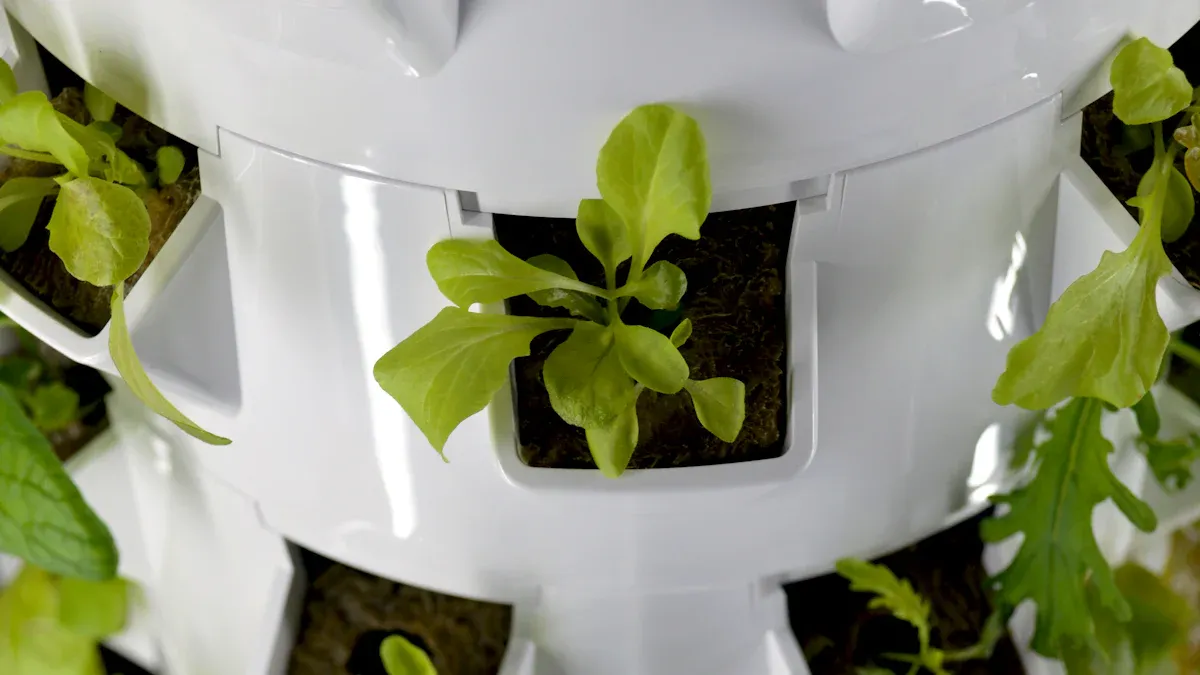
The commercial hydroponics landscape features many specialized providers. These companies focus on specific system types. They offer advanced solutions for various cultivation needs.
Companies Specializing in Large-Scale NFT Hydroponic System
Several companies excel in large-scale Nutrient Film Technique (NFT) hydroponic systems. HydroBlue leads as a manufacturer and supplier. They offer a comprehensive range of advanced commercial NFT hydroponic systems. These systems meet diverse cultivation needs and maximize crop yields. HydroBlue provides reliable, scalable, and easy-to-manage NFT grow solutions. Their offerings include flat, A-frame, vertical multi-tiered, and customized equipment. This indicates their focus on large-scale operations. MIILKIIA AGRICULTURE also specializes in innovative hydroponic solutions. Their NFT system is suitable for both small-scale and large-scale farming operations. These systems promote faster growth and higher yields for various crops. They are customizable and integrate with automated monitoring and control technologies. This highlights their capability for large-scale applications.
Providers of Advanced DWC and Aeroponic Hydroponic System
Deep Water Culture (DWC) and aeroponic systems offer distinct advantages for commercial applications. DWC systems are inexpensive and easy to set up. They have a small learning curve for beginners. Maintenance is low. The static solution requires less frequent monitoring. Growers only check pH and levels. The solution can last for weeks or months. DWC takes up little space due to its compact design. It suits small areas.
Aeroponic systems provide maximum oxygen exposure for roots. This prevents root rot and allows very rapid growth. They increase nutrient absorption. The spray solution evenly covers every root hair. This leads to more productive growth. Aeroponic systems take up little space through vertical stacking of units. This makes them a space-saving option for urban environments. They are ideal for accelerated growth. These systems offer outstanding yields, rapid growth rates, and excellent plant health. They operate cleanly and tidily. This promotes a hygienic growing environment. They use water and fertilizer efficiently with little or no growth medium. They reduce time and issues such as overwatering. They enhance visibility of root development for education. They suit a wide range of growing environments. This includes professional cultivation facilities. ReCirculating Deep Water Culture systems are especially effective for larger operations. They offer centralized adjustments. They distribute evenly and moderate pH/EC for stable conditions.
Innovators in Vertical Farming Hydroponic System Technologies
Innovators drive progress in vertical farming hydroponic system technologies. Eden Green Technology pioneers vertical farming. They enable year-round production with reduced land and water usage. CubicFarm Systems offers AgTech solutions for vertical farms. This includes hydroponic animal feed solutions for ‘vertical pastures’. Freight Farms provides complete vertical farming solutions. These include modular hydroponic farms built inside shipping containers (Greenery™ S). They also offer farm automation software (Farmhand®). GP Solutions develops modular, stackable, and mobile farms within shipping containers. They sell specialized fertilizer for soilless growing systems. Hydrofarm Holdings supplies a full range of equipment for indoor growers. This includes nutrients, growing media, lighting, and atmospheric automation. Vertical Harvest creates systems for urban fresh produce production. They use quarter-acre hydroponic farms for microgreens, lettuces, and tomatoes.
Key Players in Hydroponic Equipment and Components
Commercial hydroponics relies on specialized equipment and components. These elements ensure optimal plant growth and system efficiency. Trusted suppliers provide high-quality products for successful operations.
Trusted Suppliers of LED Grow Lights
Leading manufacturers offer advanced LED grow lights. These lights provide optimal spectral outputs for plant growth. For example, some high-efficiency models achieve 2.5 µmol/J PAR per watt. They feature a 12-band full spectrum. This spectrum includes wavelengths from 380nm (UV) to 730nm (Far Red). Specific wavelengths like 430nm (blue) support vegetative growth. 660nm (deep red) maximizes photosynthesis and yield. These lights often offer 0-10V dimming capability. They also allow daisy-chaining up to 100 units. Many models boast a 50,000-hour lifespan and come with a 5-year warranty. Certifications like ETL, CE, and RoHS ensure safety and quality.
Manufacturers of Nutrient Delivery Systems
Nutrient delivery systems are crucial for hydroponic success. They inject water-soluble nutrients into irrigation water. These systems also monitor and adjust vital metrics. This includes EC, pH, and water temperature. They optimize crop yields by consistently delivering predetermined nutrient amounts. This typically occurs at the root zone. A typical system includes a reservoir for the fertilizer and water mix. It also has a pump to move the solution. A controller regulates the delivery. More complex systems use networked hoses and pipes. They feature sensors in the nutrient solution. These sensors regulate macro- and micro-nutrient ratios.
Producers of Growing Media and Substrates
Various growing media and substrates support hydroponic plants. These materials provide root support and moisture retention. Common types include rockwool, also known as stonewool cubes. Coco coir, made from shredded coconut husks, is another popular choice. Growers also use perlite, which offers high permeability. Vermiculite absorbs water and expands with heat. Other options include expanded clay pellets, gravel, hemp fiber, phenolic foam, sand, and soilless mixes. These media offer excellent drainage and aeration. Many are reusable, contributing to sustainable practices.
Integrated Solution Providers and Project Management
Companies Offering Turnkey Hydroponic Farm Solutions
Turnkey solution providers offer complete hydroponic farms. These companies handle every aspect from design to operation. They deliver a ready-to-use facility. This includes the entire hydroponic system, environmental controls, and operational protocols. Businesses benefit from a single point of contact. This simplifies project management. These providers ensure seamless integration of all components. They aim for efficient and productive farming operations. Their expertise minimizes setup time and operational complexities for clients.
Partners for Hydroponic Greenhouse Construction
Building a hydroponic greenhouse requires careful planning. Partners for hydroponic greenhouse construction consider long-term goals. They design for future expansion. This includes utility layout, workflow, and system access. Water quality is a top priority. They invest in good filtration, pH control, and nutrient delivery systems. This ensures clean, consistent water. The greenhouse structure must suit local climate conditions. This accounts for snow loads and sun exposure. Expert partners collaborate on design and construction. They tailor solutions to specific needs. They also emphasize training for the team. This ensures staff understand mechanics, monitoring systems, and crop requirements.
Consultants for Commercial Hydroponic Operations
Consultants offer specialized services to optimize commercial hydroponic operations. They provide precision nutrient formulation. This uses analytics for consistent, high-yield crops. Consultants also implement integrated biological pest and disease control. This manages issues without chemicals. They offer advanced guidance on climate control. This includes temperature, humidity, airflow, and lighting. Consultants deploy AI and IoT solutions. This enhances operational efficiency. They provide crop-specific optimization advice. This boosts market competitiveness. Consultants also guide clients through regulatory compliance. This ensures market access.
How to Choose Your Trusted Hydroponic System Partner
Assessing Your Project’s Specific Needs
Businesses must first assess their project’s specific needs. This ensures a successful commercial hydroponic system. Consider the available time for operations. While automation helps, tasks like harvesting, pruning, and cleaning still require significant effort. Initial weeks demand close monitoring of crops and systems. This includes nutrition levels. Planning should account for these time constraints. Smaller systems are better for side projects.
Evaluate the available space. Determine if using an existing area or adding a new one. For existing spaces, plan a layout. This includes system size, walkways, storage, and prep areas. Proper space planning prevents overcrowding. If adding new space, consider long-term goals. Ensure enough room for future expansion. This prevents production miscalculations.
Assess local climate conditions. Evaluate temperature ranges, rainfall, and humidity. This helps determine suitable greenhouse design and crop selection. Check water and energy availability. Quality and reliability of water sources and electricity impact operational feasibility. Analyze land suitability for construction and drainage. Consider transportation and logistics. Proximity to suppliers and markets reduces costs. Research local market demand for intended crops. This aligns production with consumer needs.
Evaluating Supplier Track Records and Case Studies
Businesses must evaluate supplier track records and case studies. This ensures a reliable partnership. Look for suppliers with at least five years in business. They should have a team of 20 or more staff. This ensures consistent production and support. Verify quality certifications. Confirm compliance with international standards like ISO 9001, CE, or RoHS. Request and verify documentation.
Assess the supplier’s customization capabilities. Can they adapt to unique system designs or crop requirements? This includes OEM services. Conduct comprehensive factory audits. Inspect production facilities and quality control procedures. Check on-time delivery rates. They should exceed 95%. Request product samples for rigorous testing. Evaluate durability and performance. Contact current or past clients for diligent reference checks. Independently verify reliability and after-sales support. Analyze public customer reviews and testimonials. This provides insights into real-world satisfaction.
Importance of Communication and After-Sales Service
Effective communication and robust after-sales service are crucial for any partnership. A trusted partner provides clear and timely information. They respond quickly to inquiries. This builds a strong foundation for collaboration. After-sales service includes technical support and troubleshooting. It ensures the hydroponic system operates smoothly. Partners should offer ongoing advice and assistance. This helps growers optimize their operations. A commitment to long-term support demonstrates reliability. It also fosters trust. This ensures sustained success for the commercial hydroponic venture.
Due Diligence and Verification Processes
Businesses must conduct thorough due diligence and verification processes. This ensures they select the most suitable hydroponic partner. A comprehensive review helps mitigate risks and confirms a partner’s capabilities. It involves scrutinizing various aspects of their operations and claims.
Key areas for verification include:
- Operational History: Companies assess past performance and regulatory compliance. This reveals a partner’s track record.
- Technical Benchmarking: They compare technology, yields, and costs against competitors. This identifies any exaggerated claims.
- Executive Team & Management: Businesses evaluate leadership capabilities. They assess the team’s ability to achieve strategic goals.
- Sales Distribution and Strategy: They examine the realism of sales objectives, returns, and potential liabilities. This includes off-take relationships.
- Yield Validation: Companies gain an in-depth understanding of unit economics, revenue, pricing, and ROI. They scrutinize all yield claims.
- Technology Selection Assessment: They examine all technological components. This guides suitable equipment and operational procedures.
- Sustainability Assessment: Businesses evaluate water, labor, nutrient, substrate, and power use efficiency. They calculate the carbon footprint to counter ‘greenwashing’ claims.
Engaging directly with representatives and references of potential hydroponic partners is crucial. Speaking one-on-one with a representative allows them to understand specific needs. They can then provide tailored product knowledge. Additionally, speaking with current customers and references offers valuable insights. These insights include their experiences, learnings, and best practices. This helps make a truly informed decision.
The "most trusted" partner is subjective. It depends on your unique commercial hydroponic project requirements. Businesses should utilize the outlined criteria and company insights. This helps them make an an informed decision. Building a successful partnership is key to long-term hydroponic success. A reliable hydroponic system supports sustainable growth.
FAQ
How do I choose the right commercial hydroponic partner in China?
Businesses must first assess their project’s specific needs. Evaluate supplier track records and case studies. Prioritize clear communication and strong after-sales service. Conduct thorough due diligence and verification processes. This ensures a reliable and suitable partnership for your hydroponic venture.
What makes a hydroponic system trustworthy?
A trustworthy hydroponic system features innovation and technological leadership. It offers high product quality and reliability. Comprehensive customer support is essential. Extensive project experience and scalability also define a trusted partner. These elements ensure successful and sustainable cultivation operations.
Why is after-sales service crucial for hydroponic operations?
After-sales service ensures smooth system operation. It includes technical support and troubleshooting. Partners offer ongoing advice and assistance. This helps growers optimize their operations. Long-term support demonstrates reliability and fosters trust, ensuring sustained success for the commercial hydroponic venture.
Can Chinese suppliers provide custom hydroponic solutions?
Yes, many Chinese suppliers offer custom solutions. Companies like Lysine Group specialize in tailored systems. They design and implement solutions for specific crops and environmental conditions. This ensures optimal performance and maximizes yield potential for unique commercial projects.
What are the benefits of a turnkey hydroponic farm solution?
Turnkey solutions offer complete hydroponic farms. These companies handle every aspect from design to operation. They deliver a ready-to-use facility. This simplifies project management for businesses. It ensures seamless integration of all components for efficient and productive farming operations.