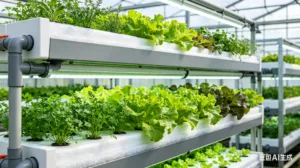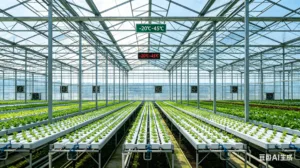
Vertical farming revolutionizes agriculture by maximizing yield through the efficient use of vertical space. This innovative approach allows farmers to grow crops in multi-layered systems, significantly increasing productivity. For instance, hydroponic systems play a vital role in this process, enabling higher crop output per unit area and optimizing space utilization. Can vertical plant walls improve yield in a hydroponic-based limited-space setup? Absolutely! Hydroponic lettuce production can yield up to 20 times more per acre than traditional methods. Additionally, year-round production is possible, allowing for consistent supply and improved financial returns. How does vertical farming enhance yield in limited spaces with a hydroponic system? By integrating commercial growing systems and vertical plant walls, farmers can maximize their growing potential even in constrained environments.
Key Takeaways
- Vertical farming maximizes crop yield by utilizing vertical space, allowing for multi-layered growing systems.
- Hydroponic systems enhance efficiency by delivering nutrients directly to plant roots, promoting faster growth and higher yields.
- Vertical farms can produce crops year-round, ensuring a consistent food supply and improving food security.
- Advanced technologies like IoT and automation improve resource management, reducing waste and operational costs.
- Vertical farming significantly conserves water, using up to 95% less compared to traditional farming methods.
Mechanics of Vertical Farming
Vertical farming employs a variety of structural components that work synergistically to maximize space utilization and enhance crop yield. These components include:
| Component | Function |
|---|---|
| Multi-layered production shelves | Stacked vertically to utilize cubic area and increase production capacity. |
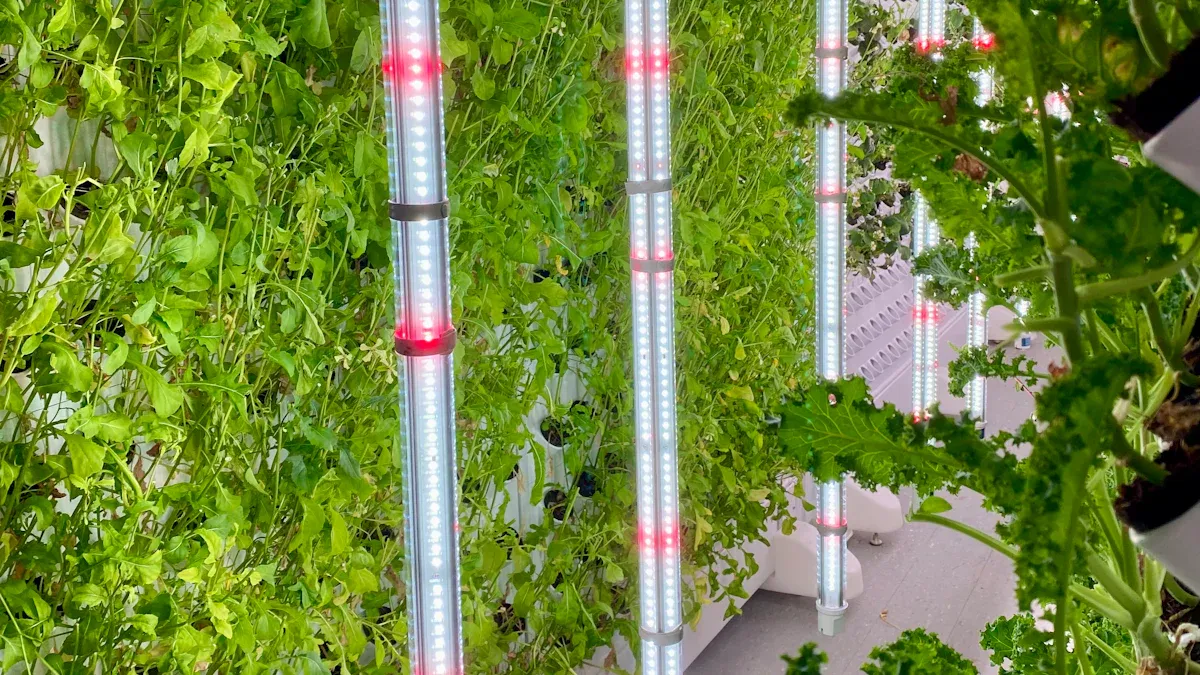
| Artificial lighting | Controls growth rate and flowering, compensating for the lack of natural sunlight. |
| Controlled environment conditions | Maintains optimal humidity, temperature, and nutrient levels for plant health. |
| Nursery stations | Incubates seedlings before transferring them to production areas, optimizing growth space. |
| Irrigation systems | Provides nutrient-rich water in a closed circuit, reducing waste and maximizing efficiency. |
| Automation systems | Manages farming processes, minimizing human error and enhancing crop quality. |
The arrangement of crops in vertical farming is crucial for optimizing light distribution. By preventing shading, this setup allows for tailored lighting strategies that cater to the specific needs of different plant varieties. As a result, even lower-level plants receive adequate light for photosynthesis, which is essential for healthy growth.
Various hydroponic systems are commonly used in vertical farming, each with unique operational principles:
- Drip Hydroponics: Delivers nutrients precisely to plant roots, reducing wastage.
- Nutrient Film Technique (NFT): A thin film of nutrient solution flows over roots.
- Deep Water Culture (DWC): Roots are suspended in oxygen-rich, nutrient-dense water.
- Aeroponics: Roots are misted with nutrients.
These systems enable efficient water and nutrient delivery, which is vital for promoting healthy growth and maximizing crop yields. Vertical farming systems utilize advanced monitoring and automation technologies to manage these resources effectively. Continuous monitoring of water quality and nutrient levels allows for real-time adjustments, reducing the risk of nutrient imbalances.
Technological innovations further enhance the efficiency of vertical farming. IoT devices facilitate real-time data collection, while AI-driven systems improve crop health monitoring. Robotics automate tasks such as harvesting, and cloud-based platforms enable remote monitoring and data integration. These advancements lead to increased efficiency, sustainability, and improved crop yields.
Role of Hydroponic Systems
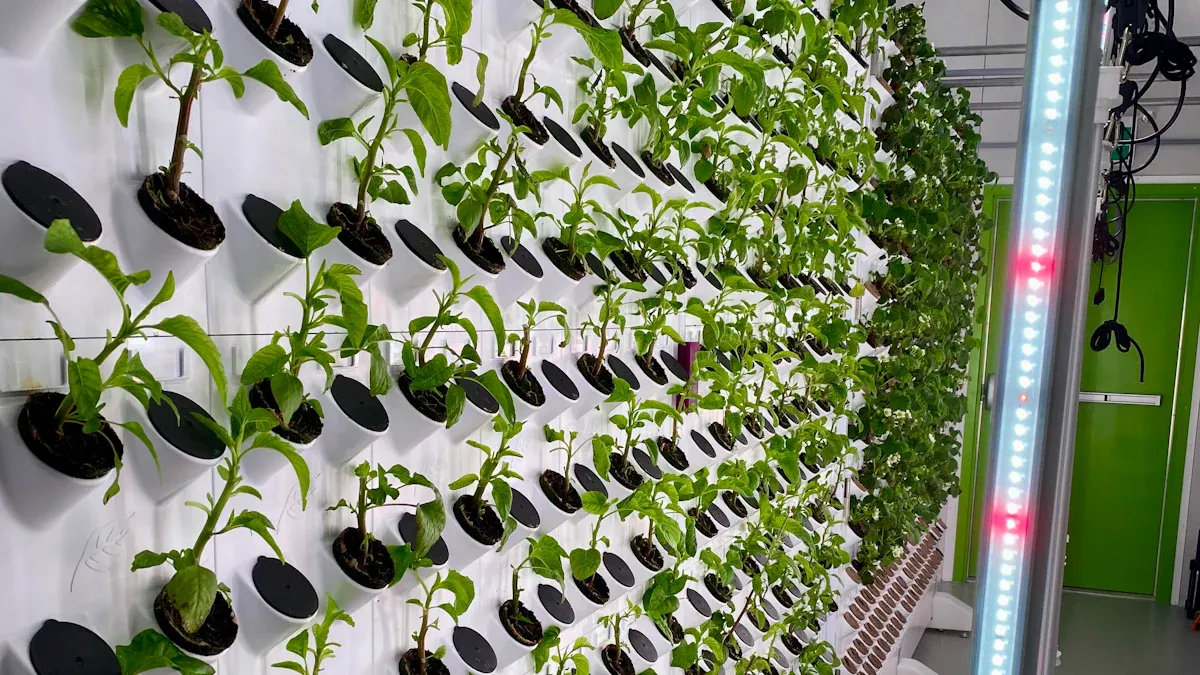
Hydroponic systems serve as the backbone of vertical farming, delivering nutrients efficiently and promoting optimal plant growth. These systems operate through a series of interconnected components that ensure plants receive the necessary resources without the use of soil. Here are some key functions of hydroponic systems in vertical farming:
- Nutrient Delivery: Pumps and irrigation techniques provide a steady supply of nutrient-rich water directly to plant roots. This method enhances nutrient absorption and minimizes waste.
- Light Optimization: LED or HID lamps supplement natural sunlight, optimizing photosynthesis and accelerating growth rates.
- Climate Control: Advanced systems regulate temperature, humidity, and CO₂ levels, creating ideal growing conditions for various crops.
Hydroponic systems also utilize modular designs that maximize space in urban environments. Stackable components allow for efficient water circulation through a closed-loop system, which minimizes waste while ensuring plants receive essential nutrients. IoT-enabled sensors play a crucial role in monitoring and adjusting nutrient levels, pH balance, and humidity in real time, enhancing overall efficiency.
The advantages of hydroponic systems over traditional soil-based methods are significant. For instance, vertical farming can use up to 95% less water compared to conventional farming. This water conservation is achieved through recirculation, which allows for efficient use of resources. Additionally, hydroponics provides a controlled environment that directly supplies nutrients to the roots, promoting faster growth and higher yields.
Maintaining proper pH levels is essential for nutrient availability and overall plant productivity. Regular monitoring ensures that plants can effectively absorb nutrients, preventing deficiencies or toxicities. The optimal pH range for hydroponic systems typically falls between 5 and 6, while conductivity values should be maintained between 1.2 and 2.8 mS/cm. This careful management of pH and nutrient concentrations contributes to the success of hydroponic systems in vertical farming.
Common crops grown using hydroponic systems include lettuce, tomatoes, leafy greens, herbs, and peppers. For example, lettuce can yield up to 35 kg per square meter, showcasing the efficiency of hydroponic systems in maximizing crop production. The integration of hydroponic systems not only enhances yield but also supports the scalability of vertical farming operations, making it a viable solution for urban agriculture.
Benefits of Vertical Farming
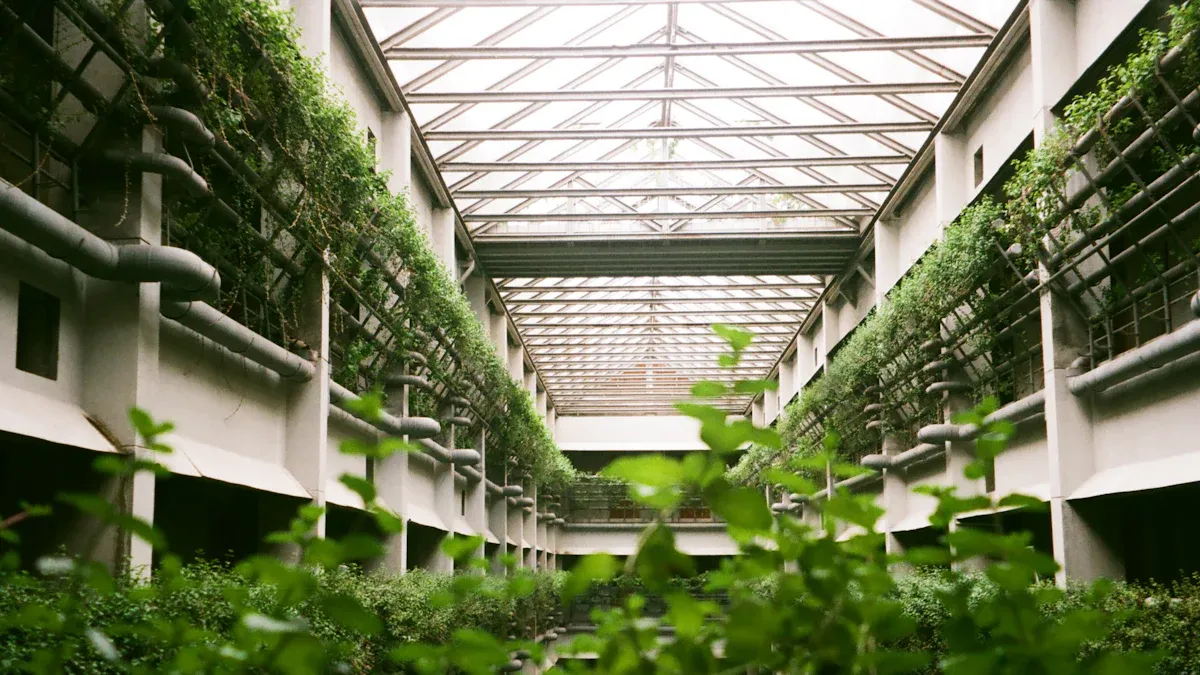
Vertical farming offers numerous advantages that enhance agricultural productivity and sustainability. One of the primary benefits is space efficiency. By utilizing urban spaces, vertical farms maximize land use by growing crops in stacked layers. This innovative approach allows for the cultivation of crops in areas where traditional farming would be impractical.
Another significant advantage is resource utilization. Advanced technologies in vertical farming optimize resource use, leading to higher crop yields. For instance, hydroponic and aeroponic systems can reduce water usage by up to 90% compared to traditional methods. This conservation is crucial in regions facing water scarcity.
Vertical farming also contributes to year-round crop production. It allows for consistent growth conditions, independent of seasonal changes. This capability ensures a steady food supply, which is vital for food security. Indoor vertical farms can achieve productivity levels that are 100 times higher per year per unit land area than traditional farming. Additionally, these farms are less affected by weather conditions, reducing the risk of crop failure.
The environmental benefits of vertical farming are noteworthy. It can lead to reductions in land use, water consumption, and pesticide use. Furthermore, vertical farming contributes to lower food miles, decreasing carbon emissions associated with transportation. By growing food closer to urban centers, vertical farms enhance access to fresh produce in areas with limited availability.
Challenges of Vertical Farming
Vertical farming faces several challenges that can hinder its growth and sustainability. These challenges can be broadly categorized into technical and economic barriers.
Technical Barriers
- Automation Needs: Vertical farms often require advanced automation systems to manage plant health and optimize growth conditions. This complexity can pose significant challenges for operators.
- Energy Consumption: High energy usage for artificial lighting and climate control systems can lead to increased operational costs. The energy consumption per kilogram of produce is a critical metric for assessing economic viability and environmental sustainability.
- Complex Plant Management: Managing the health of plants in a controlled environment can be intricate. Growers must monitor various factors, including nutrient levels, humidity, and temperature, to ensure optimal growth.
Economic Barriers
- High Production Costs: Vertical farming typically incurs higher production costs compared to traditional farming methods. This includes expenses related to technology, infrastructure, and labor.
- Market Demand Issues: Factors such as price competitiveness and seasonality complicate the ability to grow food efficiently. Ensuring sufficient market demand remains a significant challenge.
- Investment Requirements: Significant upfront investment in facilities and equipment is necessary. Many vertical farms seek loans, grants, or venture capital to manage these initial costs.
| Strategy | Description |
|---|---|
| Financing options | Many vertical farms seek loans, grants, or venture capital to manage initial costs. |
| Careful financial planning | Essential for ensuring that investments in setup and infrastructure are sound and profitable. |
| Optimizing operational costs | Utilizing technology and efficient practices to reduce ongoing expenses like energy and labor costs. |
Despite these challenges, advancements in technology and sustainable practices continue to improve the viability of vertical farming. By addressing these barriers, vertical farming can play a crucial role in meeting the growing demand for food in urban areas.
Vertical farming and hydroponic systems work in tandem to significantly enhance crop yield. By utilizing vertical space and efficient resource management, these systems allow for increased production in limited areas. Future advancements, such as automation and precision environmental controls, promise to further improve efficiency and sustainability.
Industry experts highlight promising areas for exploration, including investments in smart farming technologies and the integration of AI and IoT. These innovations will likely enhance operational efficiency and scalability in vertical farming.
As urban populations grow, the need for sustainable food production solutions becomes more critical. Exploring vertical farming can lead to innovative practices that address food security challenges.
FAQ
What crops are best suited for vertical farming?
Vertical farming thrives with leafy greens, herbs, and small fruiting plants. Crops like lettuce, basil, and strawberries yield high returns due to their rapid growth and compact size.
How does vertical farming impact the environment?
Vertical farming reduces land use, conserves water, and minimizes pesticide application. It also lowers food miles by producing crops closer to urban centers, decreasing carbon emissions.
Can vertical farming be profitable?
Yes, vertical farming can be profitable, especially in urban areas with high demand for fresh produce. Efficient resource management and year-round production contribute to financial viability.
What technology is essential for vertical farming?
Key technologies include hydroponic systems, climate control systems, and automation tools. These technologies optimize growth conditions and enhance operational efficiency.
How does vertical farming address food security?
Vertical farming increases food production in limited spaces, ensuring a consistent supply of fresh produce. This approach helps meet the growing demand for food in urban populations.