
A greenhouse is a specialized structure designed to provide a controlled environment for plant cultivation by trapping solar radiation and regulating internal atmospheric conditions. In modern agriculture, greenhouses function as high-efficiency production hubs that mitigate the risks associated with volatile weather patterns and seasonal limitations. According to the
Technical Mechanisms of Solar Energy Retention and Heat Transfer
The operational core of a greenhouse relies on the “greenhouse effect,” where the covering material—typically glass or polycarbonate—selectively filters light spectrums. Short-wave solar radiation enters the structure with ease, but the resulting thermal energy has a longer wavelength that cannot easily escape back through the glazing. This process creates a stabilized microclimate where temperatures remain higher than the external environment. According to research from the
Precision Environmental Control Systems in Modern Agriculture
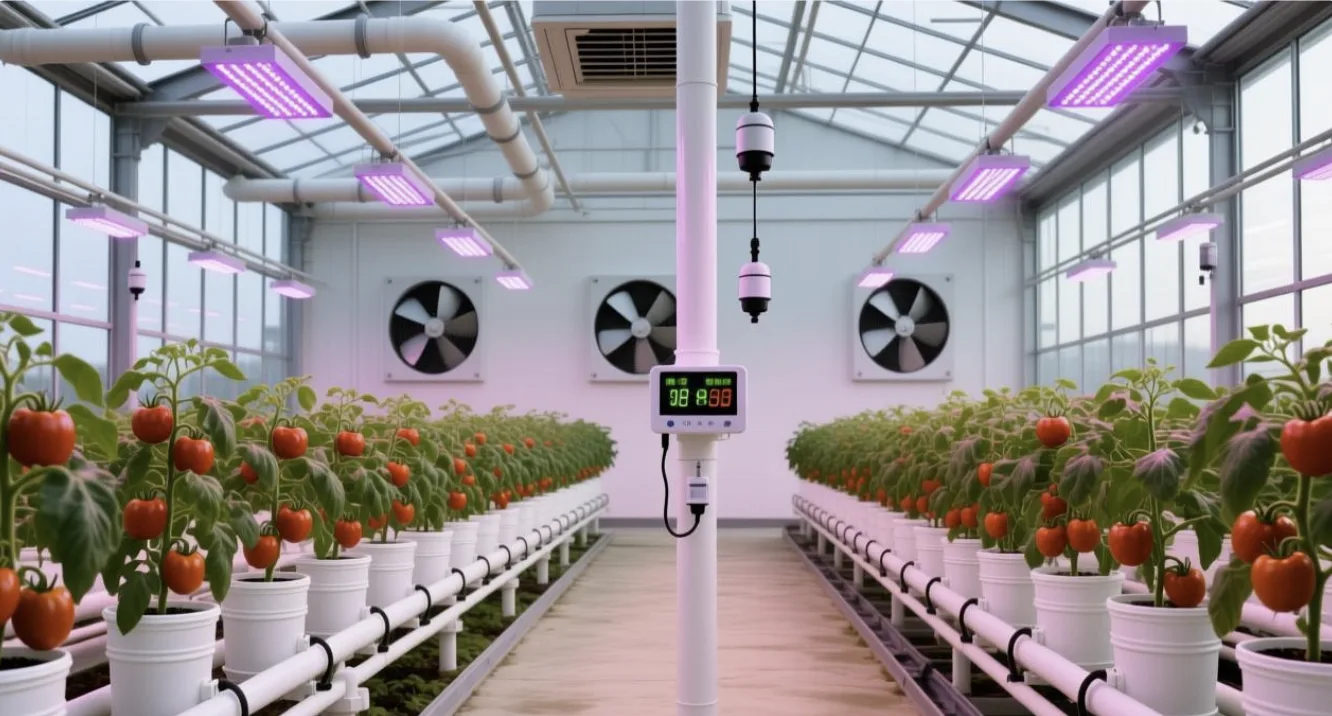
Modern greenhouse production utilizes Integrated Control Systems (ICS) to manage variables such as humidity, carbon dioxide ($CO_2$) levels, and light intensity. Automation allows for the synchronization of vents, fans, and heaters to maintain the “Vapor Pressure Deficit” (VPD) at optimal levels for transpiration. Data from the
Comparative Analysis of Greenhouse Covering Materials
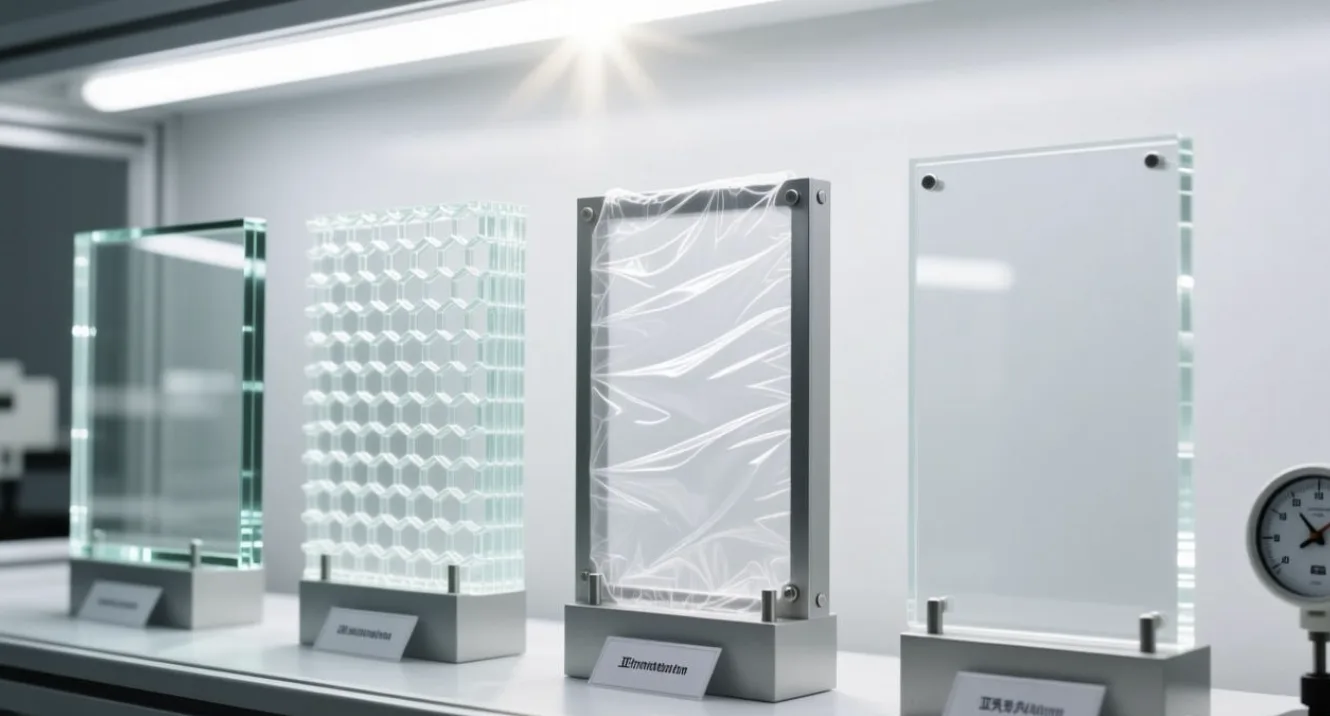
Selecting the appropriate glazing is critical for determining the light quality and structural longevity of a greenhouse. Glass offers the highest light transmission but is heavy and susceptible to hail damage, whereas plastic films are cost-effective but require frequent replacement. Polycarbonate has emerged as a dominant material in 2026 due to its impact resistance and multi-wall insulation properties. The
| Material Type | Light Transmission | Thermal Insulation (U-Value) | Durability (Years) |
| Single Pane Glass | 90% | 1.1 | 30+ |
| Double-Wall Polycarbonate | 80% | 0.5 – 0.7 | 10 – 15 |
| Polyethylene Film | 85% – 88% | 0.8 – 1.2 | 3 – 5 |
| Acrylic Panels | 92% | 0.6 | 20+ |
Strategic Ventilation and Cooling in High-Intensity Farming
Effective ventilation is necessary to prevent excessive heat buildup and to replenish the $CO_2$ consumed during daylight hours. Natural ventilation relies on the “stack effect,” where warm air rises and escapes through roof vents while cooler air enters through side louvers. In regions with high ambient temperatures, active cooling methods like “pad and fan” systems or high-pressure fogging are utilized to lower temperatures through evaporative cooling. Statistics from
Integration of Hydroponics and Fertigation in Protected Structures
Greenhouses frequently incorporate soilless cultivation methods to maximize space and resource efficiency. Hydroponic systems, such as Nutrient Film Technique (NFT) or Deep Water Culture (DWC), deliver nutrient-enriched water directly to the root zones, eliminating soil-borne diseases. Fertigation—the process of injecting fertilizers into the irrigation water—allows for precise control over the Electrical Conductivity (EC) and pH levels. Industry reports for 2026 suggest that recirculating hydroponic systems in greenhouses can reduce fertilizer runoff by 60% compared to traditional field methods. Advanced
Lighting Optimization and Supplemental Radiation
During winter months or in northern latitudes, supplemental lighting is required to meet the Daily Light Integral (DLI) needs of the crop. Light-Emitting Diode (LED) technology has largely replaced High-Pressure Sodium (HPS) lamps due to its higher energy efficiency and ability to provide specific light spectrums (Photosynthetically Active Radiation, or PAR). Research from
Economic Impacts and Market Trends in Greenhouse Production
The global greenhouse market is expanding as climate change increases the frequency of extreme weather events. Controlled environment agriculture allows for “local-for-local” production, reducing the carbon footprint associated with long-distance food transportation. According to the
Structural Integrity and Load Considerations for Safe Operation
Greenhouse structures must be engineered to withstand localized environmental loads, including snow accumulation, wind pressure, and the weight of hanging crop loads. Aluminum and galvanized steel are the preferred materials for framing due to their high strength-to-weight ratios and corrosion resistance in humid environments. The
FAQ
What is the difference between a greenhouse and a hoop house?
A greenhouse is typically a permanent structure with sophisticated climate control systems (heating, cooling, and lighting) and rigid glazing like glass or polycarbonate. A hoop house, or high tunnel, is a simpler, unheated structure covered in plastic film that relies primarily on passive ventilation and provides basic protection against frost and wind.
How do I calculate the ventilation requirements for a greenhouse?
Ventilation is usually calculated based on the air exchange rate per minute. For summer cooling, a common standard is to provide one complete air change per minute. This is achieved by ensuring the total cubic feet per minute (CFM) capacity of the exhaust fans equals the total volume of the greenhouse.
Which greenhouse glazing material is best for UV protection?
Polycarbonate is highly effective for UV protection as most panels are manufactured with a UV-stabilized coating that blocks 99% of harmful radiation. This protects the structural integrity of the panels from yellowing and prevents UV-induced damage to sensitive plant tissues while still allowing PAR light to pass through.
Can greenhouses be used for organic production?
Yes, greenhouses are excellent for organic production because the controlled environment reduces the need for chemical pesticides. By using beneficial insects (Integrated Pest Management) and organic-certified soilless media or compost-based soils, growers can meet strict organic standards while maintaining much higher yields than field-grown organic crops.