
Introduction
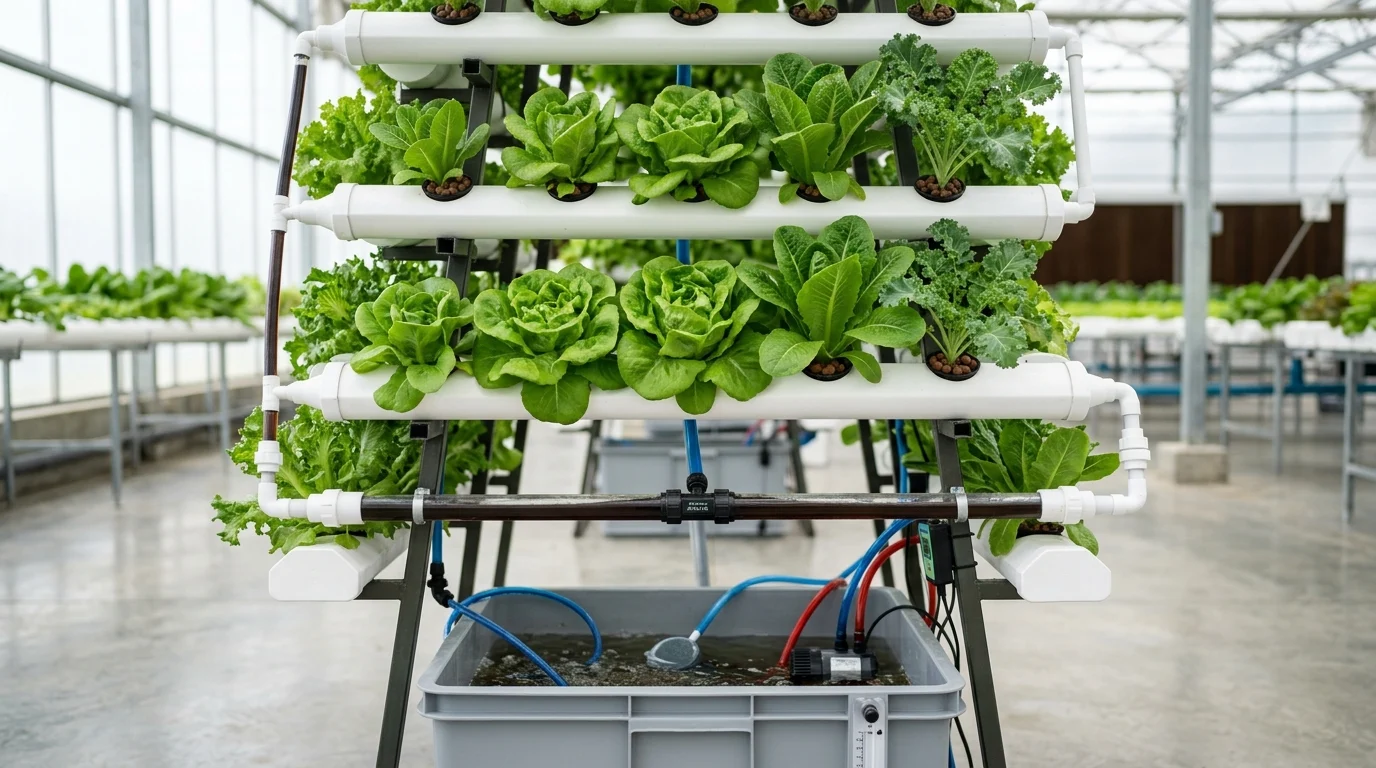
Healthy hydroponic crops depend on more than mixing nutrients correctly once; the entire system must stay chemically stable, clean, and mechanically reliable from day to day. Because roots respond quickly to shifts in pH, electrical conductivity, water temperature, and dissolved oxygen, small maintenance gaps can turn into nutrient lockout, disease pressure, or uneven growth. This article explains how to maintain hydroponic nutrient systems step by step, with a practical routine for monitoring solution quality, cleaning equipment, preventing buildup, and catching failures early. By the end, readers will understand how consistent maintenance protects plant health, improves crop uniformity, and reduces costly interruptions.
Why Hydroponic Nutrient Systems Fail Without a Maintenance Routine
Commercial cultivation relies heavily on the precision of controlled environments, where water and dissolved minerals replace traditional soil. Maintaining high-performance hydroponic nutrient systems requires consistent oversight, as the absence of a soil buffer means any chemical imbalance immediately affects the root zone. Without a strict maintenance routine, these systems are highly susceptible to rapid fluctuations in water chemistry, biological fouling, and mechanical failures.
A preventative maintenance routine shifts facility operations from reactive troubleshooting to proactive management. When operators fail to establish daily, weekly, and monthly protocols, minor deviations compound into catastrophic crop losses, significantly impacting the bottom line.
Impact on crop consistency and growth
The immediate consequence of poor system maintenance is a sharp decline in crop consistency, growth rates, and overall yield. In a hydroponic environment, plants depend entirely on the aqueous solution for their biological processes. If the pH level drifts outside the optimal range of 5.5 to 6.5, plants experience nutrient lockout. For example, a pH dropping below 5.0 severely restricts the uptake of calcium and magnesium, leading to blossom end rot or tip burn. Conversely, a pH rising above 6.5 precipitates micronutrients like iron and manganese out of the solution, causing chlorosis.
Unmanaged electrical conductivity (EC) also disrupts growth velocity. If water evaporates and transpiration rates are high, a neglected reservoir can see EC spike by 20% to 30% within 48 hours. This hypertonic environment induces osmotic stress, forcing the plant to expend energy retaining water rather than developing foliage or fruit. Facilities without maintenance routines routinely see yield reductions of 15% to 30% due to these invisible chemical stressors.
Common maintenance mistakes
Operators frequently fall victim to a handful of predictable maintenance oversights. One of the most common mistakes is ignoring biofilm accumulation in irrigation lines and reservoirs. Biofilm harbors anaerobic bacteria and root pathogens like Pythium, which can decimate an entire crop cycle in under 72 hours if left unchecked.
Another frequent error is the neglect of sensor calibration. Digital pH and EC probes are subject to drift over time. A pH sensor deployed in a highly concentrated salt solution can drift by 0.1 to 0.2 units per month. Failing to calibrate these instruments bi-weekly with standardized 4.0 and 7.0 buffer solutions means automated dosers will inject incorrect chemical volumes, effectively automating the destruction of the crop.
What to Check First in Hydroponic Nutrient Systems
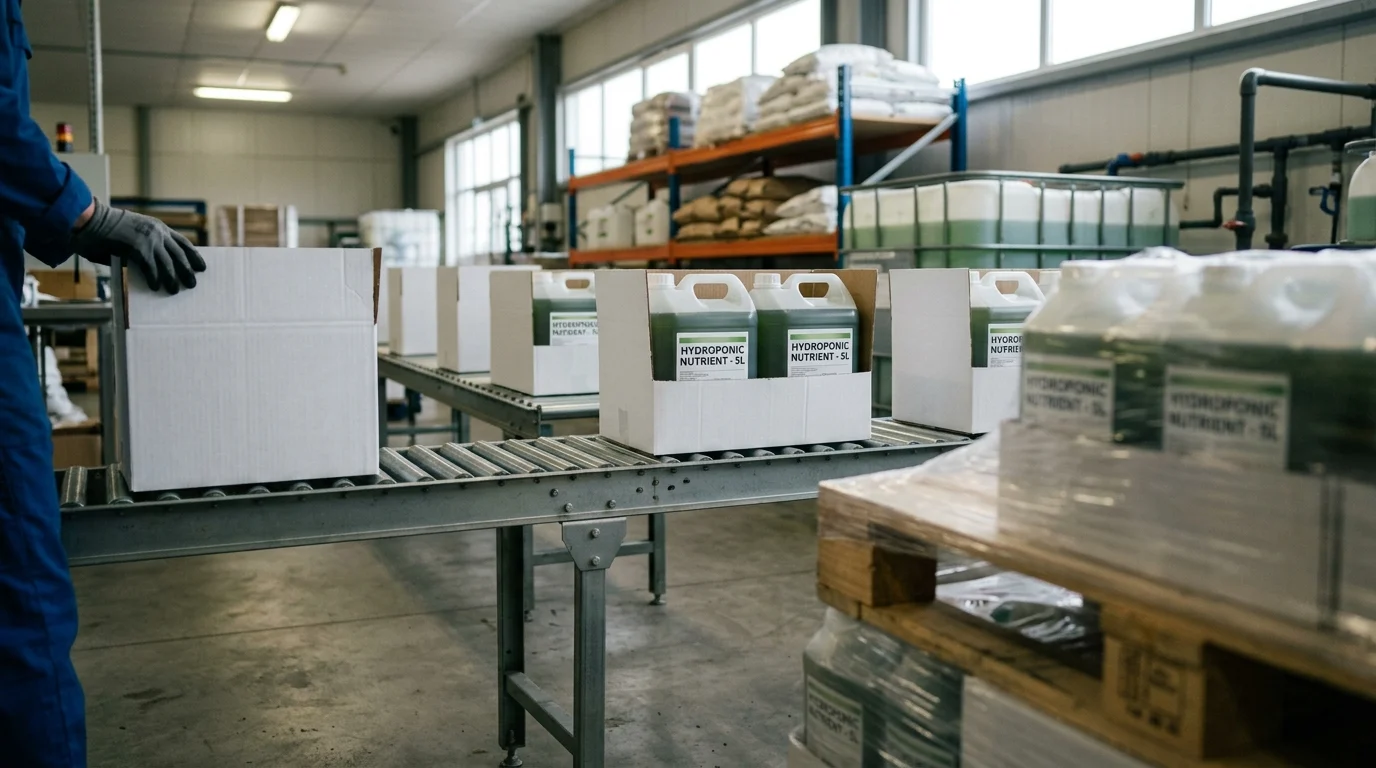
Before making any adjustments to a hydroponic setup, operators must establish accurate baseline parameters. Effective maintenance begins with a comprehensive audit of the system’s current state, ensuring that the foundational inputs—water quality, environmental metrics, and baseline chemistry—are within acceptable tolerances.
Key control points
To maintain a stable environment, cultivators must continuously monitor several critical control points. Temperature, dissolved oxygen (DO), pH, and electrical conductivity (EC) form the core pillars of hydroponic stability. Water temperature directly dictates the maximum potential for dissolved oxygen; as temperature rises, oxygen solubility plummets.
| Control Parameter | Optimal Target Range | Critical Risk Threshold |
|---|---|---|
| Water Temperature | 18°C – 22°C | > 24°C (High pathogen risk) |
| Dissolved Oxygen | 5.0 – 8.0 mg/L | < 4.0 mg/L (Root asphyxiation) |
| pH Level | 5.5 – 6.2 | < 5.0 or > 6.5 (Nutrient lockout) |
| System Pressure | 25 – 40 PSI | < 15 PSI (Uneven emitter flow) |
Monitoring these parameters at multiple locations—both inside the primary reservoir and at the furthest emitter line—helps identify systemic disparities. A pressure drop of more than 10 PSI between the pump manifold and the end of the line often indicates a clogged 120-mesh inline filter or severe mineral scaling.
Nutrient formula, water source, and crop-stage targets
The source water establishes the chemical baseline for the entire operation. Municipal water supplies often contain elevated levels of calcium carbonate, chloramines, and sodium. An initial water analysis might reveal a starting alkalinity of 150 to 200 ppm, which heavily buffers the water and resists pH adjustments. In such cases, operators must integrate reverse osmosis (RO) filtration to strip the starting EC down to 0.0 to 0.1 mS/cm before adding specialized nutrient formulas.
Nutrient targets must also align strictly with the specific crop stage. Vegetative growth requires higher nitrogen ratios, while flowering stages demand elevated potassium and phosphorus. Checking the current reservoir composition against the manufacturer’s feed chart ensures that the parts-per-million (ppm) of individual macronutrients matches the biological demands of the plant’s current week of development.
How to Maintain Hydroponic Nutrient Systems Step by Step
Executing a structured timeline of tasks is the most effective way to protect commercial yields. A step-by-step approach ensures that mechanical components function optimally while the chemical balance remains precisely tuned to the crop’s requirements.
Daily and weekly maintenance tasks
Daily maintenance tasks form the first line of defense against system failure. Every 24 hours, operators should verify reservoir water levels, check the ambient and solution temperatures, and record pH and EC readings. A visual inspection of the root zone for discoloration (browning indicates potential root rot) and a quick check of emitter flow rates ensure that no plants are experiencing localized drought.
Weekly tasks require more mechanical intervention. Once a week, facility managers should clean or replace inline mechanical filters, typically utilizing 120-mesh or 150-mesh screens, to prevent particulate buildup. Weekly protocols also include topping off reservoirs with fresh water to dilute concentrated salts, inspecting pump seals for micro-leaks, and verifying that air stones are producing adequate micro-bubbles for dissolved oxygen saturation.
When to replace solution, clean lines, and recalibrate sensors
Even with daily top-offs, nutrient solutions degrade. Plants take up specific ions at different rates, leaving behind unused salts that eventually become toxic. A complete reservoir flush and solution replacement is mandatory every 14 to 21 days, depending on the total system volume and plant transpiration rates.
Replacing the solution provides the ideal opportunity to clean the irrigation lines. Flushing the system with a 3% hydrogen peroxide solution (dosed at 3 to 5 ml per gallon) or a specialized hypochlorous acid line cleaner removes organic biofilm and mineral scale. Concurrently, all digital monitoring sensors must be removed, cleaned with a soft brush, and recalibrated. A pH probe that has been submerged for 14 days without cleaning can accumulate a biological film that slows its response time by up to 30 seconds, leading to dangerous over-dosing by automated controllers.
Manual vs automated maintenance
The choice between manual and automated maintenance significantly impacts labor costs and precision. Manual maintenance requires dedicated staff to physically measure, mix, and adjust reservoirs. In a standard 1,000-square-foot facility, manual nutrient management can consume 1 to 2 hours of labor daily, introducing the risk of human error during chemical calculations.
Conversely, automated hydroponic nutrient systems utilize programmable logic controllers (PLCs) and peristaltic pumps to micro-dose pH up/down and nutrient solutions in real-time. While commercial automated dosers require an initial capital expenditure of $1,500 to $5,000, they maintain pH within a razor-thin 0.05 margin and EC within 0.1 mS/cm, drastically reducing labor while maximizing crop uniformity.
How to Adjust Hydroponic Nutrient Systems for Crop Type
No single nutrient formulation or maintenance schedule applies universally across all agricultural cultivars. To maximize biological efficiency, operators must tailor their system parameters, hardware choices, and sanitation protocols to the specific morphological and metabolic demands of the crop being grown.
Needs of leafy greens, herbs, fruiting crops, and propagation
Leafy greens and herbs, such as lettuce and basil, thrive on rapid vegetative growth. These systems require a lower overall EC, typically ranging from 1.2 to 1.8 mS/cm, with a heavy bias toward nitrate-nitrogen and calcium to build strong cellular walls. Because they have short crop cycles (often 28 to 35 days), reservoirs can sometimes last the entire cycle without a full flush.
Fruiting crops like tomatoes, cucumbers, and peppers are significantly more demanding. During peak fruit production, these plants require an EC of 2.5 to 3.5 mS/cm to support the heavy osmotic draw needed to swell the fruit. Potassium and phosphorus ratios must be elevated, and the high transpiration rates mean reservoirs deplete up to 50% faster than in leafy green setups. Propagation systems, conversely, require delicate handling; unrooted cuttings and fresh seedlings easily suffer from salt burn and should be maintained at a very mild EC of 0.5 to 0.8 mS/cm.
Recirculating vs drain-to-waste trade-offs
The architecture of the nutrient delivery method also changes based on the crop. Facilities must choose between recirculating setups (like Nutrient Film Technique or Deep Water Culture) and Drain-to-Waste (run-to-waste) systems.
| System Type | Best Suited For | Water Efficiency | Disease Spread Risk | Fertilizer Cost Over Cycle |
|---|---|---|---|---|
| Recirculating | Leafy greens, herbs | High (Up to 40% savings) | High (Systemic pathogen risk) | Lower (Reused salts) |
| Drain-to-Waste | Heavy fruiting crops, cannabis | Low (10-20% runoff loss) | Low (Isolated root zones) | Higher (Single-pass usage) |
Recirculating systems demand aggressive sanitation and daily EC/pH balancing since the returning water carries unabsorbed salts and root exudates back to the main tank. Drain-to-waste systems require less daily chemical balancing in the reservoir, but operators must rigorously monitor the EC of the runoff water. If the runoff EC is more than 0.5 mS/cm higher than the input EC, it indicates severe salt accumulation in the substrate, necessitating an immediate flush with pure water.
Recordkeeping, input quality, and sanitation
Regardless of crop type, maintaining high input quality is non-negotiable. Utilizing 99% pure technical-grade agricultural salts instead of lower-tier greenhouse grades prevents the accumulation of heavy metals and insoluble grit that destroy pump impellers and clog drip emitters with 0.5-gallon-per-hour flow rates.
Rigorous recordkeeping ties the maintenance program together. Maintaining daily logbooks that track input volumes, ambient humidity, and flush dates allows operators to identify trends before they become emergencies. Coupled with strict sanitation protocols—such as mandatory footbaths and the sterilization of pruning tools with 70% isopropyl alcohol—high-quality inputs and detailed logs ensure that the nutrient system remains an engine for growth rather than a vector for disease.
How to Build a Resilient Hydroponic Nutrient Maintenance Plan
A resilient maintenance plan goes beyond daily checklists; it builds operational redundancy and institutional memory into the cultivation facility. Whether managing a boutique greenhouse or a massive indoor vertical farm, the goal is to create a system that can withstand equipment failure, staff turnover, and environmental anomalies without compromising the harvest.
Choosing between simple and tightly controlled routines
Facility managers must align their maintenance routines with their operational scale. Small operations (under 500 square feet) can successfully operate on simple, manual routines, utilizing pre-mixed liquid nutrients and daily hand-meter testing. This approach keeps overhead low but demands highly disciplined personnel.
In contrast, large commercial facilities (exceeding 10,000 square feet) must implement tightly controlled, automated routines. At this scale, resilience means installing redundant sensor loops where two independent pH probes cross-verify each other. If one probe drifts by more than 0.3 units compared to its backup, the PLC automatically halts chemical dosing and triggers a management alert, preventing a single point of failure from wiping out a million-dollar crop.
Key takeaways for long-term stability
Long-term stability requires standard operating procedures (SOPs) that are thoroughly documented and regularly updated. Cross-training staff ensures that critical tasks, such as sensor calibration and line flushing, do not fall behind if a key employee is absent. Furthermore, maintaining an on-site inventory of critical spare parts—keeping at least 20% backup stock of replacement peristaltic pump tubes, backup submersible water pumps, and extra pH probes—drastically reduces downtime from days to mere minutes.
Ultimately, the success of a hydroponic operation is determined by its commitment to preventative care.
Further reading:
Key Takeaways
- The most important conclusions and rationale for hydroponic nutrient systems
- Specs, compliance, and risk checks worth validating before you commit
- Practical next steps and caveats readers can apply immediately
Frequently Asked Questions
What pH range should I maintain in hydroponic nutrient systems?
Keep nutrient solution pH between 5.5 and 6.2. Below 5.0 or above 6.5, plants can suffer nutrient lockout and uneven growth.
How often should pH and EC probes be calibrated?
Calibrate probes every two weeks using fresh standard buffer solutions. This helps prevent dosing errors caused by sensor drift.
What water temperature is best for healthy roots?
Aim for 18°C to 22°C. Above 24°C, dissolved oxygen drops and root disease risk rises quickly.
When should I consider reverse osmosis for my system?
Use RO if source water has high alkalinity, sodium, or chloramines, or if starting EC is too high. It creates a cleaner baseline for precise nutrient mixing.
Where can I find hydroponic system options or maintenance-related resources on miilkiiablog.com?
Visit miilkiiablog.com/product-category/systems/ for hydroponic system options and miilkiiablog.com for related product and maintenance content.