
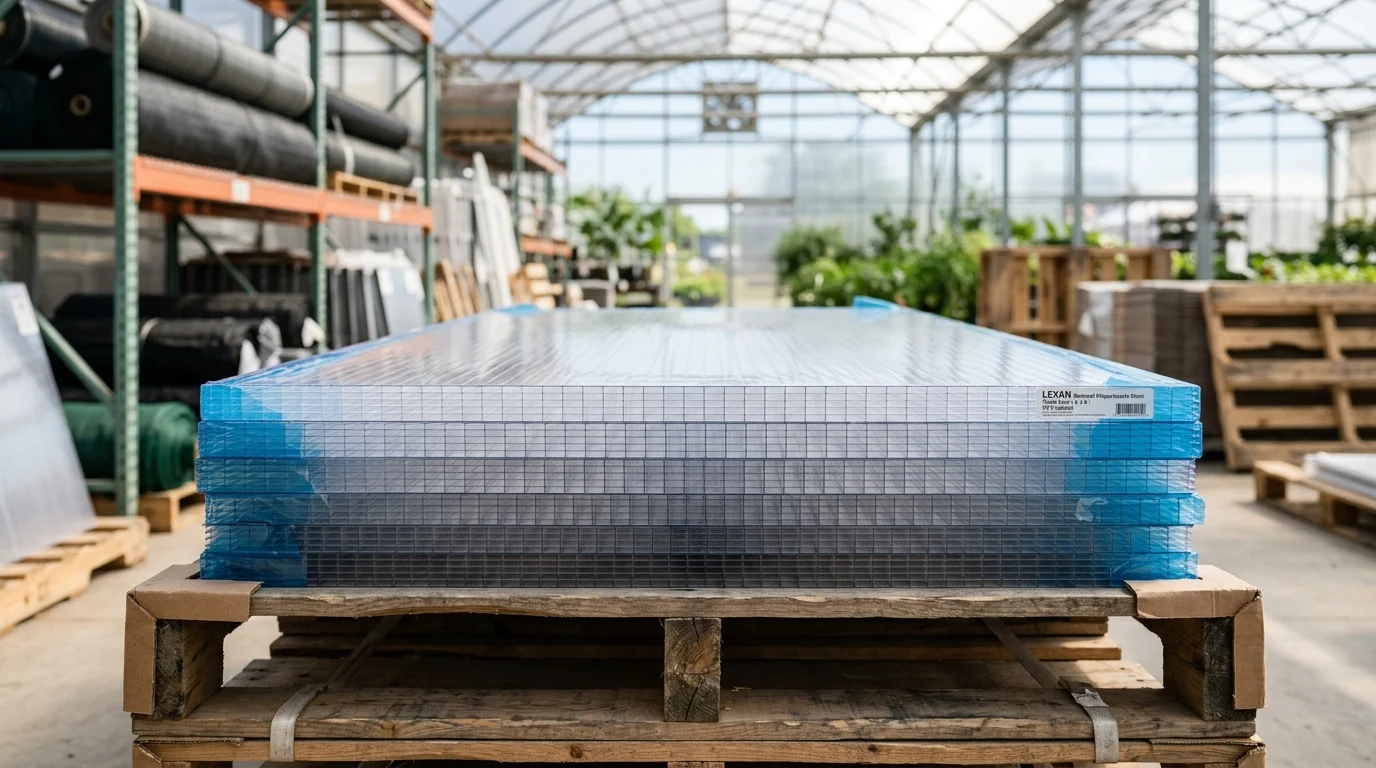
Introduction
Growers choosing a greenhouse covering need more than transparency; they need a material that balances light quality, insulation, strength, and maintenance costs. Polycarbonate sheets have become a preferred option because they help create stable growing conditions while withstanding impacts, UV exposure, and shifting weather better than many traditional alternatives. This article explains why polycarbonate performs so well in greenhouse applications, including how its structure supports plant health, reduces energy loss, and improves long-term reliability. It also connects these technical advantages to practical pressures such as rising operating costs and the need for more resilient agricultural infrastructure.
Why are polycarbonate greenhouse sheets a strategic choice
Commercial agriculture continuously seeks materials that optimize growing environments while minimizing operational risks. As a structural envelope, polycarbonate greenhouse sheets have emerged as a premier solution, bridging the gap between fragile glass and temporary plastic films. Their unique polymer structure offers a compelling combination of high light transmission and exceptional durability, making them a cornerstone of modern controlled-environment agriculture.
How do they support yield protection
Yield protection relies heavily on consistent light diffusion and precise temperature control. Polycarbonate panels typically offer 80% to 85% light transmission, but more importantly, their cellular structure naturally scatters direct sunlight. This light diffusion prevents hotspots and leaf burn, ensuring that lower canopy leaves receive adequate photosynthetically active radiation (PAR) for uniform growth. Additionally, high-quality panels feature a co-extruded UV layer that blocks up to 99.9% of harmful ultraviolet radiation, protecting both the delicate crops and the polymer itself from long-term degradation.
Which market conditions are increasing demand
Escalating energy costs and unpredictable extreme weather patterns are primary market conditions driving increased demand. Polycarbonate is virtually unbreakable, boasting an impact resistance up to 200 times greater than standard horticultural glass. This makes it highly resilient against severe hail and high wind events that would otherwise devastate a harvest and cause costly downtime. Furthermore, the inherent insulating properties of multi-layered sheets can reduce winter heating costs by 15% to 30% compared to single-layer glass, offering significant financial relief in volatile energy markets.
What are polycarbonate greenhouse sheets and which specifications matter
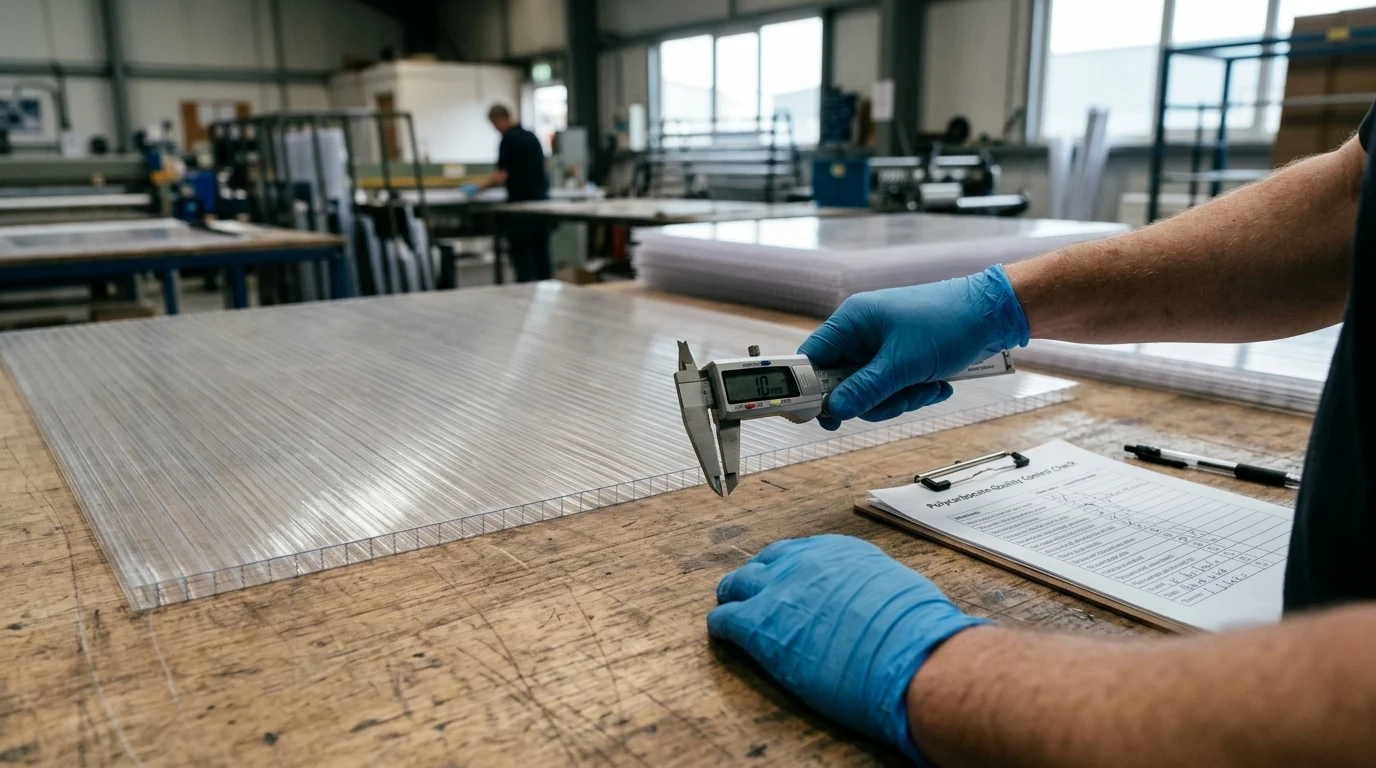
Polycarbonate is a tough, transparent thermoplastic polymer that can be extruded into various profiles specifically engineered for agricultural use. Understanding the structural variations and technical metrics of these panels is essential for optimizing greenhouse performance.
How do twin-wall, multiwall, and solid sheets differ
The market primarily offers twin-wall, multiwall, and solid configurations. Twin-wall sheets, typically ranging from 4mm to 8mm in thickness, feature two flat exterior layers separated by vertical ribs, creating insulating air pockets. Multiwall sheets expand on this concept with complex internal geometries (such as triple-wall or X-structure) and thicknesses ranging from 10mm up to 25mm, maximizing thermal retention for extreme climates. Solid polycarbonate sheets lack internal air flutes entirely; they provide maximum optical clarity and impact resistance but offer significantly lower insulation value.
Which technical specifications should buyers compare
Buyers must evaluate several technical specifications to match their regional climate requirements. Key metrics include the U-value (measuring heat loss), light transmission percentage, and area weight.
| Specification | 8mm Twin-Wall | 16mm Multiwall | 4mm Solid |
|---|---|---|---|
| Light Transmission | ~80% | ~60-70% | ~88% |
| U-Value (W/m²K) | ~3.0 | ~2.4 | ~5.4 |
| Weight (kg/m²) | ~1.5 | ~2.7 | ~4.8 |
| Best Application | Mild Climates | Cold Climates | High-Light Needs |
Comparing these figures ensures that the chosen polycarbonate greenhouse sheets align with the facility’s heating capacity constraints and the specific light requirements of the cultivated crop.
How do polycarbonate greenhouse sheets compare with glass and polyethyle
Selecting a greenhouse covering requires benchmarking polycarbonate against the two historical industry standards: traditional horticultural glass and polyethylene (poly) film. Each material presents distinct physical profiles and financial timelines.
Which comparison points should a table cover
A standardized comparison highlights how these materials perform across critical agricultural metrics. Project managers must weigh insulation, durability, and initial capital outlays.
| Feature | Polycarbonate (Twin-Wall) | Glass (Single Pane) | Polyethylene Film |
|---|---|---|---|
| Impact Resistance | Excellent (Unbreakable) | Poor (Fragile) | Moderate (Tear-prone) |
| Lifespan | 10–15 Years | 25+ Years | 3–5 Years |
| Initial Material Cost | Medium ($1.50–$3.00/sq ft) | High ($3.50+/sq ft) | Low ($0.15–$0.25/sq ft) |
| Light Diffusion | High (Built-in) | Low (Direct beam) | Medium to High |
This matrix demonstrates that polycarbonate occupies a strategic middle ground, offering near-glass longevity with superior safety and modern insulation values.
What trade-offs should growers and project managers weigh
The trade-offs involve balancing upfront capital expenditures against recurring operational costs. Polyethylene film requires minimal initial investment but demands frequent, labor-intensive replacements every 3 to 5 years, resulting in high lifecycle labor costs and recurring disposal fees. Glass offers exceptional longevity and clarity but is extremely heavy, necessitating a massive, expensive structural frame to support a dead load that can exceed 10 kg/m². Polycarbonate is lightweight (often under 2 kg/m² for standard twin-wall thicknesses), drastically reducing structural framing costs. However, it requires periodic exterior cleaning and proper edge sealing to prevent algae buildup in the flutes and may experience slight yellowing near the end of its 15-year functional lifespan.
How can buyers choose the right polycarbonate greenhouse sheets
Procuring the ideal panels involves more than simply selecting a preferred thickness; it requires aligning the material’s properties with environmental demands and ensuring rigorous supply chain standards are met prior to installation.
How should sheet selection vary by crop type and local climate
Sheet selection must be tailored to the specific agricultural zone and biological targets. In cold northern climates, growers should prioritize 16mm or 25mm multiwall sheets to maximize R-values and minimize winter heating fuel consumption, even if it means a slight reduction in overall light transmission. Conversely, operations in warm, high-sunlight regions often opt for 4mm or 6mm twin-wall sheets, which provide adequate physical protection and excellent light transmission without trapping excessive heat. High-light fruiting crops demand maximum clarity, whereas shade-loving ornamentals may benefit from tinted or specialized heavily diffused panels.
Which sourcing and quality control checks reduce risk
Mitigating supply chain risk requires strict quality control checks. Buyers should verify that the manufacturer uses 100% virgin resin rather than recycled materials, which can turn brittle and yellow prematurely under continuous UV exposure. When partnering with suppliers, project managers should confirm minimum order quantities (MOQs)—which frequently range from 500 to 1,000 square meters for direct factory pricing—and demand defect rates below 1%. Certifications for fire retardancy and guaranteed co-extruded UV protection layers are non-negotiable for large-scale commercial builds.
What installation and maintenance practices improve long-term performance
Long-term performance is heavily dependent on correct installation and proactive maintenance. Panels must be installed with the internal flutes running vertically to allow condensation to drain; trapped moisture will quickly reduce light transmission and encourage internal algae growth. Installers must use specialized anti-dust breathable tape on the bottom edges and solid aluminum sealing tape on the top edges. Furthermore, polycarbonate expands and contracts significantly with temperature fluctuations. Fastening systems and aluminum extrusion profiles must allow for approximately 3mm of thermal expansion per linear meter to prevent the panels from buckling, warping, or cracking during seasonal temperature shifts.
Why do polycarbonate greenhouse sheets deliver stronger long-term value
Ultimately, the shift toward rigid polymers in commercial horticulture is driven by fundamental economics. While the initial material acquisition represents a notable capital outlay compared to flexible films, the long-term financial modeling strongly favors modern thermoplastic solutions.
How should decision-makers assess lifecycle cost and replacement intervals
Decision-makers assessing lifecycle costs must account for both material longevity and sustained energy efficiency. Most premium polycarbonate panels carry a 10-year limited warranty against hail damage and severe light transmission loss, with actual field lifespans frequently reaching 12 to 15 years with proper maintenance. By eliminating the tri-annual labor costs associated with replacing polyethylene film, and by reducing annual heating loads by up to 30% through multiwall insulation, commercial growers typically achieve a return on investment (ROI) within 3 to 5 years. This accelerated ROI significantly improves the facility’s overall profitability over a standard decade-long operational cycle.
What final selection criteria determine fit
Final selection criteria should seamlessly synthesize the project’s budget constraints, the localized climate data, and the precise photosynthetic requirements of the designated cash crop. Facilities aiming for year-round, high-yield production in variable or extreme climates will consistently find the highest overall value in mid-to-thick multiwall configurations. By ensuring proper specification, rigorous sourcing protocols, and precise installation, agricultural enterprises can leverage these advanced polymer sheets to create a highly controlled, stable, and profitable growing environment.
Further reading:
Key Takeaways
- The most important conclusions and rationale for polycarbonate greenhouse sheets
- Specs, compliance, and risk checks worth validating before you commit
- Practical next steps and caveats readers can apply immediately
Frequently Asked Questions
Why are polycarbonate greenhouse sheets popular for greenhouses?
They combine high impact resistance, good light diffusion, and better insulation than single-pane glass, helping protect crops and reduce heating costs.
Which polycarbonate sheet type is best for a cold-climate greenhouse?
16mm multiwall sheets are a practical choice for cold climates because they offer stronger thermal retention and lower heat loss than thinner options.
How much light do polycarbonate greenhouse sheets transmit?
Twin-wall panels usually transmit about 80% to 85% of light, while thicker multiwall sheets often deliver around 60% to 70% with better diffusion.
How do polycarbonate sheets compare with polyethylene film?
Polycarbonate lasts much longer, typically 10–15 years, and provides better insulation and impact resistance, while polyethylene is cheaper upfront but needs more frequent replacement.
Where can I compare polycarbonate greenhouse sheet options on Miilkiia Blog?
Visit miilkiiablog.com product-category pages to review greenhouse systems and product options, including sheet types, light transmission, and thermal performance.