
Introduction
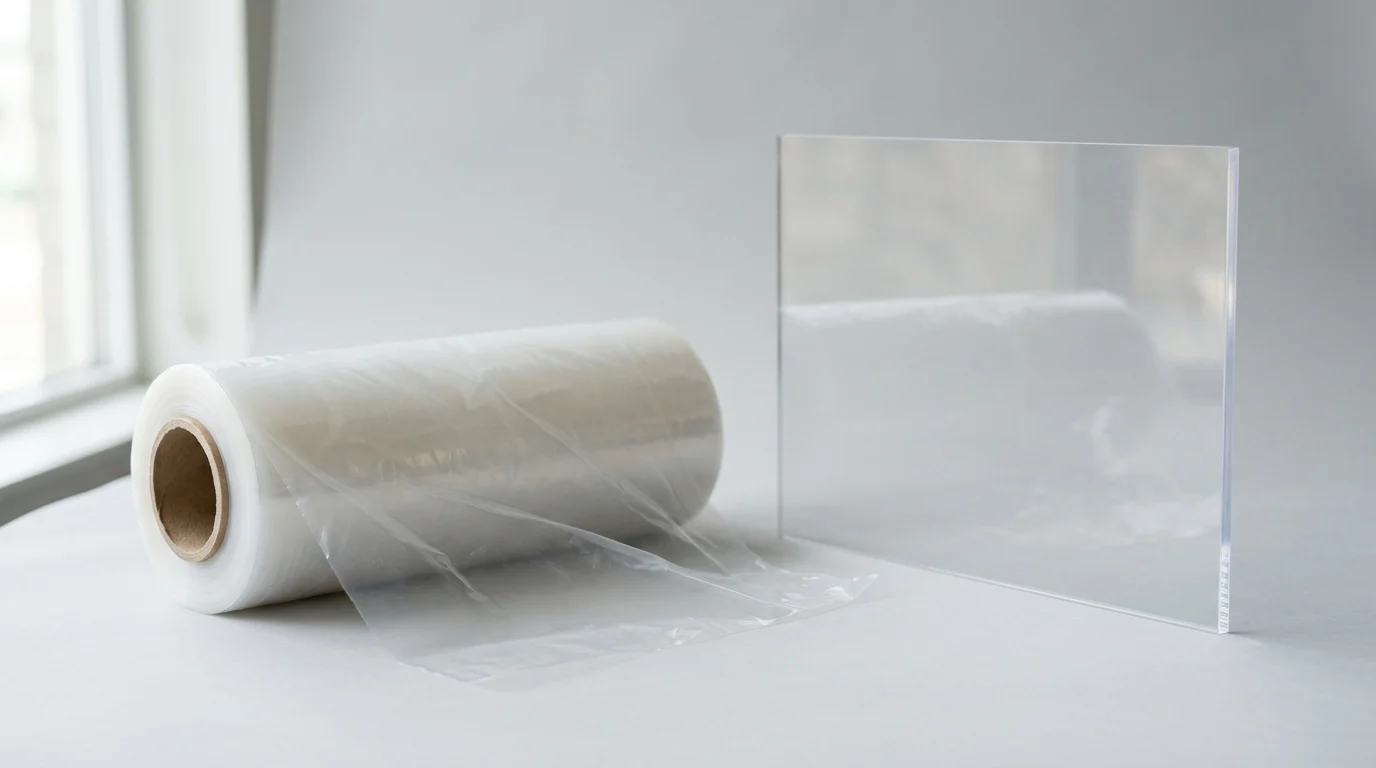
Choosing a greenhouse covering affects far more than the structure’s appearance: it shapes light transmission, insulation, durability, maintenance needs, and long-term operating costs. Polyethylene film and polycarbonate sheets are both common options, but they serve different priorities depending on climate conditions, crop value, and budget. This comparison explains how each material performs in key areas such as upfront cost, lifespan, weather resistance, and energy efficiency, so readers can match the covering to their production goals. With those tradeoffs in mind, the discussion can move directly into where each option delivers better value in real greenhouse use.
Why Polyethylene Film vs Polycarbonate Sheets Matters for Greenhouses
Selecting the optimal greenhouse covering is a critical infrastructure decision that directly influences capital expenditure, operational overhead, and overall agronomic success. The choice between polyethylene film and polycarbonate sheets represents a fundamental divergence in structural design and financial planning. Because the glazing material serves as the primary barrier between a controlled microclimate and unpredictable external weather, evaluating these two distinct materials is a mandatory step for commercial growers, research institutions, and retail nurseries.
How climate, crop value, and production goals affect the choice
Climate severity, crop value, and production cycles dictate the baseline requirements for greenhouse glazing. Operations situated in regions with high snow loads or frequent hail must prioritize structural integrity, while those in temperate zones may focus on maximizing light and rapid deployment. Furthermore, high-value crops with strict microclimate requirements often demand the superior insulation and light diffusion capabilities of engineered rigid plastics. Conversely, low-margin, high-turnover crops may rely on the cost-effectiveness of flexible films to maintain profitable operating margins.
Which cost and risk factors buyers should compare
The financial comparison between these materials extends far beyond initial procurement. Standard 6-mil polyethylene film typically costs between $0.10 and $0.15 per square foot, offering an exceptionally low barrier to entry for large-scale operations. In contrast, 8mm twin-wall polycarbonate sheets require an upfront investment ranging from $1.50 to $3.00 per square foot. However, buyers must factor in the recurring labor and material costs of replacing polyethylene every three to four years, alongside the associated downtime risks. Polycarbonate, while capital-intensive, mitigates the risk of catastrophic crop loss during severe weather events and stabilizes long-term maintenance budgets over a multi-decade horizon.
What Polyethylene Film and Polycarbonate Sheets Are
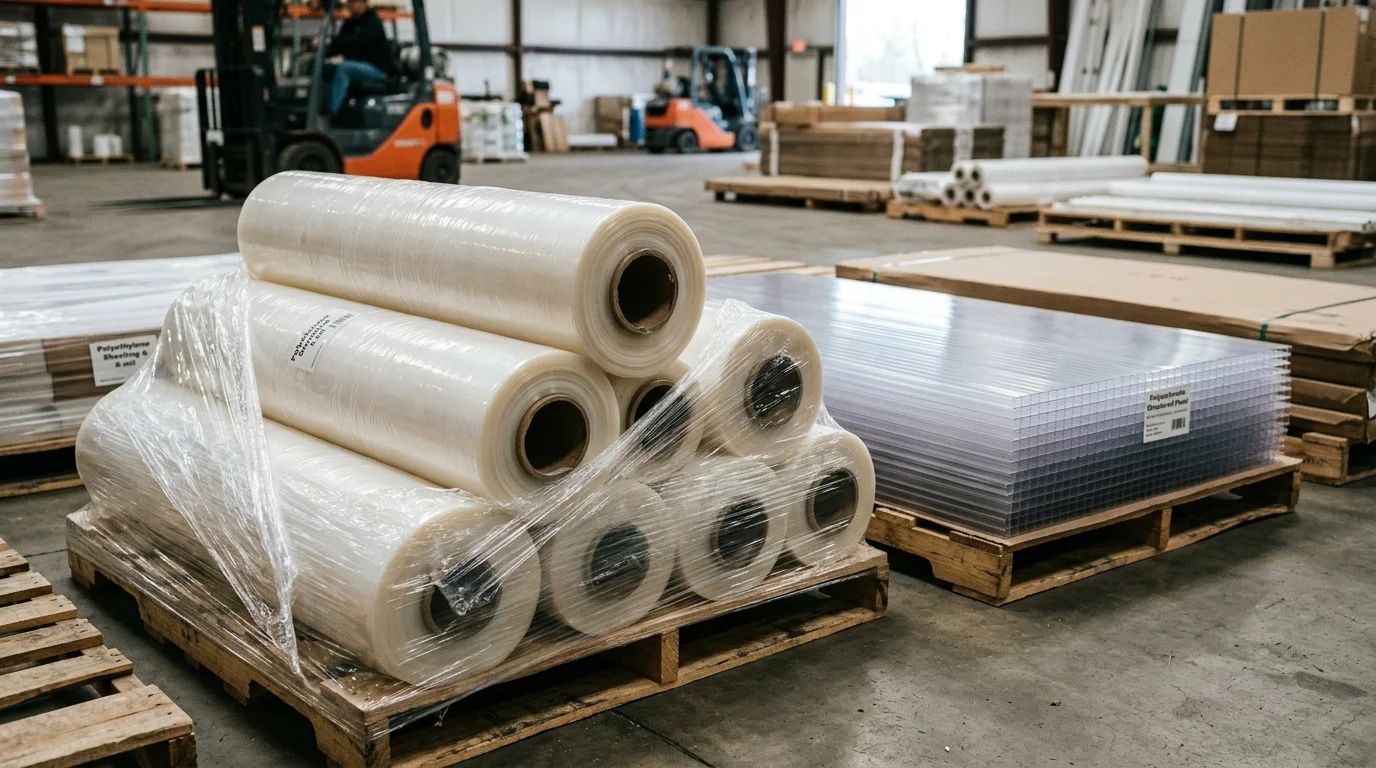
Both materials serve the primary function of enclosing a controlled agricultural environment, yet they are manufactured through entirely different processes and engineered to distinct technical specifications. Understanding their physical properties is essential for matching the material to the structural frame.
How polyethylene film is specified for greenhouse use
Polyethylene film for commercial greenhouses is typically specified as a multi-layered, co-extruded plastic. The industry standard thickness is 6-mil (0.15 mm), which provides a necessary balance of tensile strength and light transmission. Modern agricultural films are engineered with three to five distinct layers, allowing manufacturers to embed specific additives into the matrix. These additives include ultraviolet (UV) stabilizers to prevent rapid degradation under solar radiation, anti-condensate (AC) treatments to reduce droplet formation that blocks light and spreads disease, and infrared (IR) blockers to retain radiant heat during the night. The film is typically supplied in massive rolls, often reaching widths of 40 to 50 feet to cover standard hoop houses seamlessly.
How polycarbonate sheets are specified for greenhouse projects
Polycarbonate, a rigid thermoplastic polymer, is specified in structural sheets rather than flexible rolls. For horticultural applications, multi-wall configurations—most commonly twin-wall—are the standard. An 8mm (0.31-inch) twin-wall polycarbonate sheet is the default specification for professional polycarbonate products, balancing thermal insulation with light transmission. Projects requiring enhanced insulation may utilize 16mm triple-wall or five-wall sheets, though this comes at the expense of light transmission. These sheets feature a co-extruded UV-resistant cap layer on the exterior surface to prevent a rapid spike in the yellowing index and embrittlement over their lifespan. They are typically cut to standard widths of 4 or 6 feet to align precisely with greenhouse structural bows or trusses.
How Polyethylene Film and Polycarbonate Sheets Compare
Evaluating the performance of polyethylene film against polycarbonate sheets requires a strict analysis of optical properties, thermal dynamics, and physical endurance under environmental stress. These factors directly correlate with heating costs and photosynthetic efficiency.
Which option performs better for light transmission
Light transmission is paramount for photosynthetic efficiency. A standard single layer of clear 6-mil polyethylene film transmits approximately 88% to 91% of Photosynthetically Active Radiation (PAR). When utilized in a double-layer inflated system—the most common commercial deployment—PAR transmission drops to roughly 80% to 82%. In comparison, an 8mm clear twin-wall polycarbonate sheet transmits approximately 80% of PAR. However, advanced polycarbonate sheets can be engineered with specialized light-diffusing properties that scatter incoming rays, ensuring deeper canopy penetration and reducing the risk of leaf burn during peak solar hours. This feature often offsets the slightly lower absolute transmission rate.
How thermal efficiency, service life, and weather resistance differ
Thermal efficiency is measured by the U-value (heat loss) or R-value (insulation resistance). A double-layer inflated polyethylene roof achieves an R-value of approximately 1.5 to 1.7, effectively halving the heat loss compared to a single layer. An 8mm twin-wall polycarbonate sheet provides a nearly identical R-value of 1.6. The dramatic divergence appears in service life and weather resistance. Polyethylene film is highly susceptible to wind fatigue, puncture, and UV degradation, typically requiring replacement every 36 to 48 months. Polycarbonate boasts extreme impact resistance—often rated to withstand 1-inch hailstones impacting at 60 mph—and maintains structural integrity for 10 to 15 years before optical degradation necessitates replacement.
What a side-by-side comparison should include
To facilitate a structured evaluation, buyers must analyze the core metrics side-by-side. The following comparison highlights the baseline specifications for the most common commercial deployments: double-layer inflated 6-mil poly film versus 8mm twin-wall polycarbonate.
| Specification Metric | Double-Layer Polyethylene (6-mil) | Twin-Wall Polycarbonate (8mm) |
|---|---|---|
| PAR Light Transmission | ~80% – 82% | ~80% |
| Thermal Resistance (R-Value) | 1.5 – 1.7 | 1.6 |
| Expected Service Life | 3 – 4 Years | 10 – 15+ Years |
| Material Cost (per sq ft) | $0.20 – $0.30 (both layers) | $1.50 – $3.00 |
| Impact Resistance | Low (Puncture/Tear risk) | Exceptionally High (Hail resistant) |
| Typical Warranty | 4 Years (Prorated) | 10 Years (Non-prorated for hail) |
What Buying and Installation Factors Matter
Procurement strategies and construction methodologies differ drastically between flexible films and rigid sheets, influencing the total installed cost and the required labor expertise.
How installation methods, structural load, and fastening systems differ
Installation methods dictate the supporting structural framework. Polyethylene film is stretched over curved bows and secured using aluminum lock channels and spring-wire (wiggle wire) fasteners. A double-layer system requires the installation of fractional-horsepower blower motors to maintain a static pressure of 0.2 to 0.4 inches of water column between the sheets, creating an insulating dead-air space. Polycarbonate sheets require a more robust, precisely engineered substructure. The sheets are joined using aluminum or polycarbonate H-channels and capped with U-profiles to prevent moisture and insect ingress into the flutes. Furthermore, the structural frame must support the increased dead load; 8mm polycarbonate weighs approximately 0.35 pounds per square foot, necessitating heavier steel trusses and closer purlin spacing to meet commercial building codes.
Which sourcing, warranty, fire rating, UV stability, and regional rules matter
Sourcing specialized greenhouse systems involves navigating regional building codes and warranty stipulations. Poly film warranties are heavily prorated and often voided if the material fails at a sharp structural contact point. Polycarbonate warranties generally guarantee light transmission and hail resistance for an entire decade. Fire ratings also heavily influence material selection; polycarbonate often achieves a Class A or Class B fire rating, satisfying strict municipal fire codes required for retail garden centers or institutional research facilities. Conversely, standard polyethylene film is highly flammable, though specialized fire-retardant films are available at a premium to meet compliance in highly regulated jurisdictions.
Which Greenhouse Covering Is Better
Selecting the superior greenhouse covering is not a matter of absolute performance, but rather a matter of aligning the material’s capabilities with the facility’s operational mandate.
When polyethylene film is the better choice
Polyethylene film remains the undisputed choice for large-scale, low-margin agricultural operations where capital preservation is critical. It is the superior option for seasonal high tunnels, overwintering structures, and operations situated in mild climates where extreme snow loads and destructive hail are statistically improbable. Nurseries cultivating bedding plants or seasonal vegetables rely on the rapid deployment and low upfront cost of poly film to maintain profitability, accepting the recurring labor cost of replacement as a manageable operational expense rather than a prohibitive capital burden.
When polycarbonate sheets are the better choice
Polycarbonate sheets are the definitive choice for permanent, year-round production facilities that require strict environmental controls and long-term structural reliability. High-tech commercial operations cultivating high-value crops—such as medicinal cannabis, hydroponic tomatoes, or exotic orchids—justify the high initial expenditure through energy savings and the elimination of crop loss risks. Additionally, institutional research greenhouses and retail environments, as seen in various agricultural showcases, favor polycarbonate for its aesthetic appeal, superior fire ratings, and structural permanence.
What decision framework helps buyers choose
To finalize the selection, facility managers should utilize a structured decision matrix that weighs capital availability against environmental risk and operational lifespan.
| Decision Factor | Favor Polyethylene Film | Favor Polycarbonate Sheets |
|---|---|---|
| Capital Expenditure Profile | Strict budget limits; prefer operational expenses | High available capital; prefer long-term asset investment |
| Climate Risk Factor | Mild weather; low snow/hail probability | Extreme weather; high wind, heavy snow, frequent hail |
| Facility Lifespan Target | Temporary or leased land (1-5 years) | Permanent, owned infrastructure (10-20+ years) |
| Crop Value & Sensitivity | Low-to-medium margin; tolerant of slight temp shifts | High margin; requires strict, stable microclimates |
| Labor Availability | Reliable labor pool for quadrennial re-covering | High labor costs; prefer “install and forget” durability |
By quantifying these variables, buyers can accurately forecast the total cost of ownership over a 10-year or 20-year horizon, ensuring the chosen covering aligns perfectly with both agronomic targets and financial realities.
Further reading:
Key Takeaways
- The most important conclusions and rationale for Polyethylene Film vs Polycarbonate Sheets
- Specs, compliance, and risk checks worth validating before you commit
- Practical next steps and caveats readers can apply immediately
Frequently Asked Questions
Which greenhouse covering costs less upfront?
Polyethylene film is usually far cheaper upfront, often around $0.10–$0.15 per square foot, making it practical for budget-focused or large hoop-house projects.
Which option lasts longer in a commercial greenhouse?
Polycarbonate sheets typically last much longer, often many years beyond film, while standard 6-mil polyethylene usually needs replacement every 3–4 years.
Which material is better for harsh weather or hail?
Polycarbonate sheets are generally better for severe weather, hail, and snow loads because they are rigid, impact-resistant, and suited to stronger greenhouse structures.
When is polyethylene film the better choice?
Choose polyethylene film when you need fast installation, low initial cost, and efficient coverage for lower-margin crops or seasonal production in milder climates.
How do I choose the right greenhouse covering for my project on Miilkiiablog?
Match the covering to your climate, crop value, and frame system. On Miilkiiablog, compare greenhouse systems and polycarbonate product options before deciding.