
Which Hydroponic Farming Brands Are Best for Commercial Growers?
Commercial hydroponic farming has transformed how large-scale agricultural operations produce crops, offering controlled-environment solutions that maximize yield while minimizing resource consumption. Choosing the right hydroponic farming brands for commercial operations requires evaluating system scalability, nutrient management technologies, automation capabilities, and long-term support services. For commercial growers seeking to optimize their procurement processes, understanding industry standards and best practices from provides valuable frameworks for supplier evaluation. This comprehensive guide examines the leading hydroponic suppliers and manufacturers that serve commercial growers, comparing their product offerings, technical specifications, and operational advantages to help you make informed procurement decisions.
Key Factors for Evaluating Commercial Hydroponic Suppliers
Commercial hydroponic systems demand industrial-grade components that can operate continuously across large-scale facilities. When evaluating hydroponic farming brands, commercial growers should prioritize several critical evaluation criteria that directly impact operational success. System durability ranks among the most important factors, as commercial environments require equipment that withstands constant use without frequent replacement cycles. Researching supplier track records through resources like industry documentation helps commercial operators identify reputable manufacturers with proven performance histories.
Nutrient delivery precision represents another essential consideration, particularly for high-value crop production where nutrient consistency affects final product quality. Automation integration capabilities determine how effectively a system can scale operations while maintaining consistent growing conditions across expanded growing areas. Understanding automation frameworks through technical guidelines enables commercial operators to evaluate system sophistication and integration potential. Technical support infrastructure ensures that commercial operations can resolve equipment issues quickly, minimizing crop losses during system malfunctions.
Top Hydroponic Brands for Commercial-Scale Operations
The commercial hydroponic market includes several established manufacturers offering systems designed for large-scale food production. These brands provide varying approaches to hydroponic technology, from traditional nutrient film technique systems to advanced vertical farming solutions. Understanding each manufacturer’s core competencies helps commercial growers select partners aligned with their specific production requirements.
1. Miilkiia Industrial Solutions
Miilkiia has established itself as a comprehensive solution provider for commercial hydroponic operations, offering an integrated product ecosystem that covers multiple growing configurations. Their product portfolio includes container plant factory systems designed for rapid deployment in diverse environments, making them particularly suitable for commercial growers seeking turnkey solutions. The company provides complete growing systems that integrate greenhouse structures with hydroponic components, enabling seamless scalability from initial installation through full commercial production.
Miilkiia’s approach emphasizes modularity, allowing commercial operations to expand gradually without replacing existing infrastructure. Their vertical planters address the space efficiency requirements that many commercial facilities face when maximizing production per square meter. The manufacturer offers dedicated support channels and technical documentation that assist commercial operators in optimizing growing parameters for their specific crop portfolios.
2. GreenTek Commercial Systems
GreenTek specializes in high-capacity hydroponic channels engineered for continuous production environments. Their black and white channel systems provide commercial growers with durable growing channels that maintain optimal root zone conditions across extended run lengths. The company focuses on commercial-scale nutrient delivery systems that ensure uniform distribution across large growing areas, reducing variability in crop quality.
3. AgriPhile Modular Systems
AgriPhile offers greenhouse-integrated hydroponic solutions particularly suited for operations requiring climate-controlled growing environments. Their multi-span greenhouse configurations accommodate large-scale hydroponic installations while providing environmental controls that protect crops from external weather variations. This integration approach simplifies infrastructure planning for commercial facilities seeking comprehensive growing solutions.
4. HydroPro Commercial Division
HydroPro delivers specialized hydroponic components and channel systems designed for commercial operations prioritizing precision agriculture principles. Their PC board greenhouse structures complement hydroponic systems by providing durable growing environments that withstand challenging climatic conditions. The manufacturer emphasizes component interoperability, allowing commercial growers to integrate HydroPro elements with existing infrastructure.
5. VerticalFlow Agriculture
VerticalFlow focuses on stacked growing systems optimized for high-density commercial production. Their single-span greenhouse designs accommodate vertical hydroponic installations while maintaining accessibility for crop management activities. The company serves commercial growers seeking to maximize production capacity within constrained facility footprints.

System Type Comparison for Commercial Applications
Different hydroponic system architectures offer distinct advantages depending on crop types, facility configurations, and production volumes. Commercial growers should evaluate how each system type aligns with their operational requirements before selecting equipment suppliers. The following comparison outlines key characteristics of major hydroponic system categories relevant to commercial production.
| System Type | Best For | Scale Capacity | Initial Investment | Maintenance Complexity |
|---|---|---|---|---|
| Nutrient Film Technique | Leafy greens, herbs | High volume continuous | Moderate | Low |
| Deep Water Culture | Fast-growing crops | Medium to high | Lower initial | Moderate |
| Ebb and Flow | Versatile crop range | Scalable | Moderate | Moderate |
| Drip Systems | Fruiting vegetables | Variable | Higher | Higher |
| Aeroponics | Premium crops | Specialized | Highest | Highest |
Greenhouse Infrastructure Considerations
Commercial hydroponic operations frequently integrate greenhouse structures to create controlled environments that optimize growing conditions year-round. Greenhouse selection significantly impacts hydroponic system performance, as structural design determines light transmission, temperature control efficiency, and space utilization. Multi-span greenhouse configurations provide the largest growing areas, making them suitable for commercial operations requiring maximum production capacity.
PC board greenhouse materials offer superior insulation properties compared to traditional glass or film coverings, reducing heating costs in cooler climates while maintaining consistent internal temperatures. These structures pair effectively with hydroponic systems that require stable root zone temperatures for optimal nutrient uptake. Single-span greenhouse designs provide more economical entry points for commercial operations expanding gradually from smaller-scale beginnings.
Specialty Crop Applications
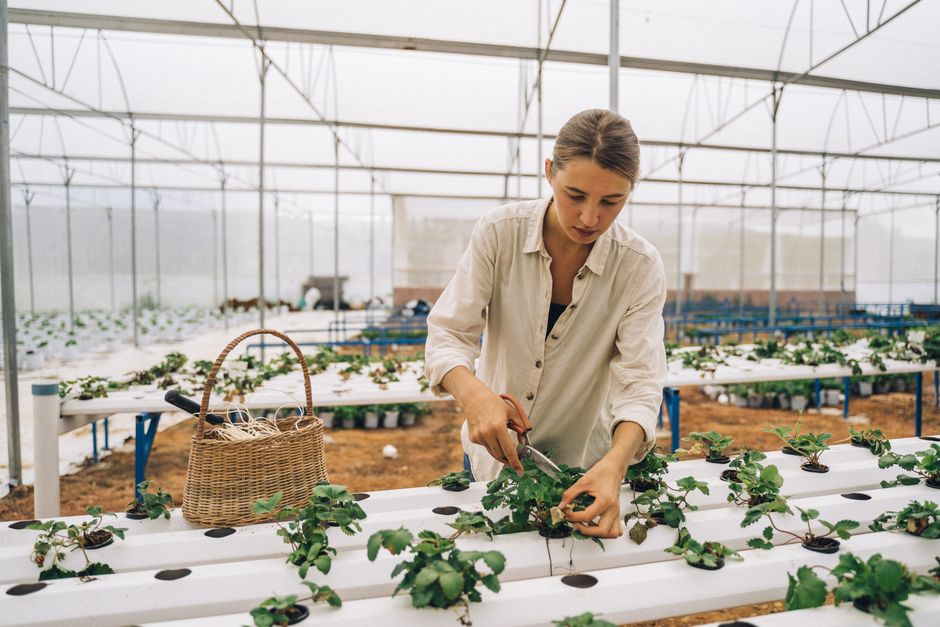
Certain commercial hydroponic applications require specialized equipment designed for specific crop categories. Strawberry production represents one such specialty application where hanging systems offer advantages over traditional ground-level cultivation. Hanging strawberry systems enable commercial growers to optimize space utilization while improving fruit accessibility for harvest operations.
Commercial facilities producing strawberries benefit from hydroponic approaches that elevate plants to ergonomic working heights, reducing labor costs associated with harvesting and crop maintenance. These specialized systems require careful consideration of support structures, irrigation distribution, and environmental controls tailored to strawberry growth requirements.
Evaluating Supplier Support and Service
Beyond product specifications, commercial hydroponic purchasers should assess the support infrastructure that suppliers provide for long-term operational success. Equipment warranties, spare parts availability, and technical consultation services vary significantly across hydroponic farming brands. Commercial operations cannot afford extended production downtime, making supplier responsiveness a critical evaluation criterion. Cybersecurity considerations for automated growing systems should also factor into supplier evaluation, with guidance available through resources like the
Documentation quality and training resources also differentiate suppliers in the commercial market. Comprehensive technical manuals, installation guidance, and operational troubleshooting resources enable commercial teams to maintain systems effectively without constant supplier involvement. Adherence to accessibility and documentation standards, as outlined by the W3C accessibility guidelines, reflects supplier commitment to quality communication. These support elements contribute to total cost of ownership calculations that extend beyond initial purchase prices.
Making the Final Selection
Selecting hydroponic farming brands for commercial operations requires balancing multiple factors including system capabilities, scalability potential, integration compatibility, and total cost of ownership. Commercial growers benefit from conducting thorough needs assessments before engaging with suppliers, clearly defining production targets, facility constraints, and operational capabilities that influence system requirements.
Pilot installations provide valuable evaluation opportunities, allowing commercial operators to assess system performance and supplier support quality before committing to large-scale deployments. Many established manufacturers offer demonstration facilities or pilot programs that enable hands-on evaluation of system suitability for specific crop portfolios and operational environments.
Frequently Asked Questions
What is the typical ROI timeline for commercial hydroponic installations?
Return on investment timelines vary based on crop selection, market prices, operational efficiency, and scale of operations. Most commercial hydroponic facilities achieve positive returns within 2-4 years when managed with appropriate crop selection and market positioning.
How do I determine appropriate system capacity for my commercial operation?
System capacity decisions should align with market demand projections, available capital for infrastructure and working capital, facility size constraints, and crop cycle timing. Consultation with hydroponic specialists helps commercial operators right-size installations for sustainable growth.
What crops offer the best returns for commercial hydroponic production?
Leafy greens including lettuce, spinach, and basil typically offer attractive returns due to rapid growth cycles and consistent market demand. Strawberry and tomato production can yield higher per-unit values but require more complex growing conditions.
How much technical expertise is required to operate commercial hydroponic systems?
Modern commercial systems incorporate automation that reduces required expertise levels, but fundamental understanding of nutrient chemistry, plant physiology, and system maintenance remains essential. Many suppliers provide training programs that prepare operational teams for system management.
What environmental controls are essential for commercial hydroponic success?
Temperature regulation, humidity management, light optimization, and nutrient solution quality control represent fundamental environmental parameters requiring consistent monitoring and adjustment. Automated control systems increasingly manage these parameters with minimal manual intervention.