
What Are the Best Greenhouse Covering Materials for Tropical Climates?
Selecting the right greenhouse covering materials for tropical climates requires understanding how high humidity, intense solar radiation, and frequent temperature fluctuations affect material performance and crop protection. The best covering materials for tropical greenhouses balance light transmission, heat rejection, durability against humidity, and cost-effectiveness for year-round growing operations. This guide evaluates the most effective covering options, compares their thermal and optical properties, and provides practical selection criteria for growers operating in equatorial and subtropical regions. For integrated growing solutions, explore our Container Plant Factory systems that combine covering materials with controlled environment agriculture technology.
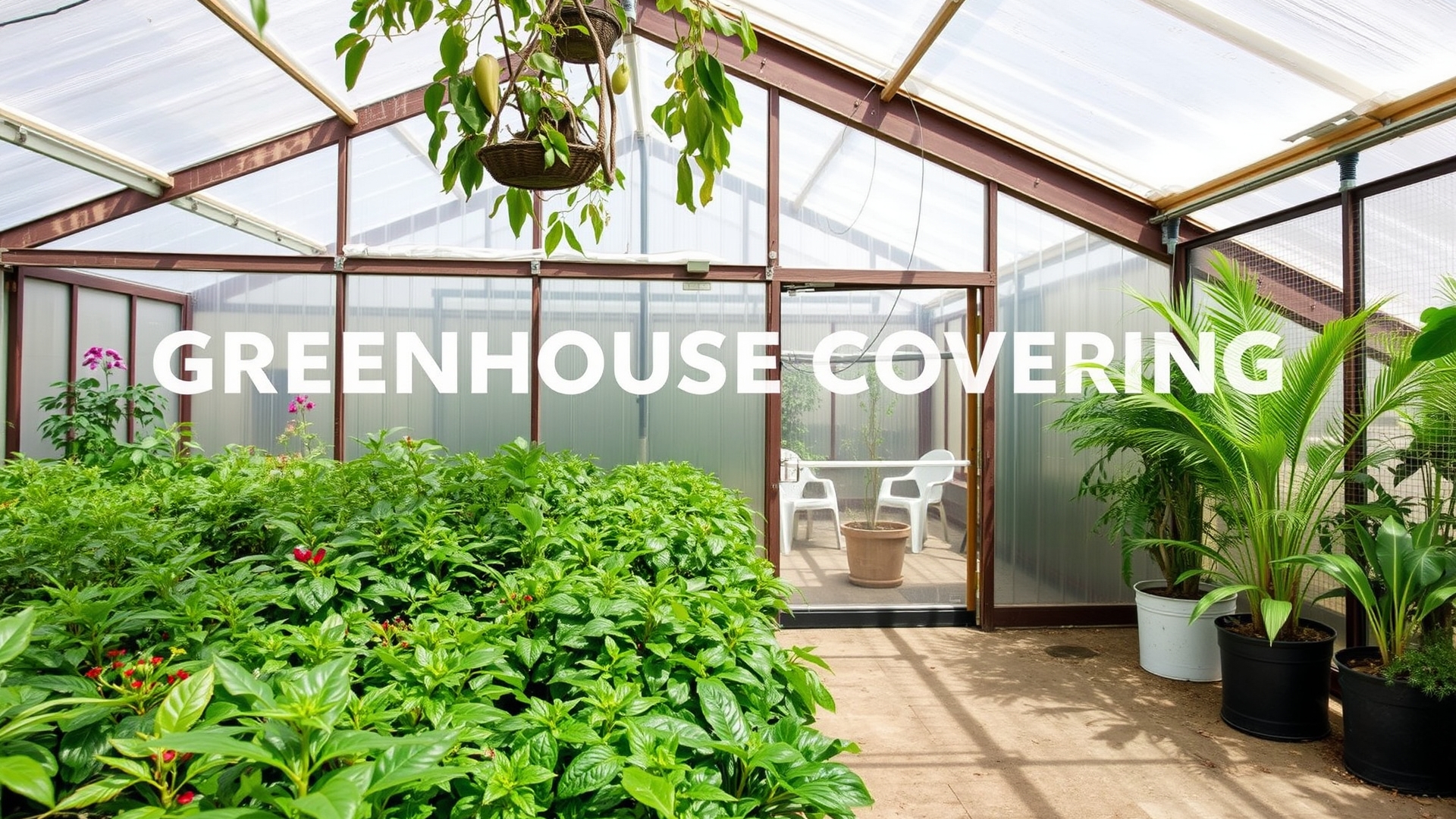
Why Tropical Climates Demand Specialized Greenhouse Coverings
Tropical environments present unique challenges that standard greenhouse coverings often fail to address effectively. Average temperatures above 25°C combined with humidity levels frequently exceeding 80% create conditions where heat buildup becomes the primary concern for growers. Solar radiation in equatorial regions can reach 800 to 1000 W/m² during peak hours, which far exceeds the levels encountered in temperate climates and necessitates covering materials with superior shading capacity.
The combination of high UV exposure and persistent moisture accelerates the degradation of many conventional greenhouse films, often reducing their functional lifespan by 50% or more compared to temperate zone performance. Additionally, tropical regions experience intense but brief rainfall events that can subject coverings to thermal shock and physical impact stress. Understanding these environmental factors is essential for selecting coverings that maintain their integrity and optical properties throughout multiple growing seasons. According to web accessibility standards, materials should maintain consistent performance under varying environmental conditions.
Greenhouse structures in these climates must prioritize ventilation design alongside covering selection, as passive and active airflow systems work in conjunction with the right materials to regulate internal temperatures. For operations considering different structural approaches, exploring multi-span greenhouse designs can provide insight into how modern structures accommodate specialized coverings for tropical applications.
Polyethylene Film: The Most Common Tropical Choice
Polyethylene film remains the dominant greenhouse covering material in tropical regions due to its low initial cost, ease of installation, and adequate performance characteristics. Standard polyethylene films transmit approximately 80-90% of visible light while blocking variable amounts of infrared radiation depending on additive formulations. The material’s flexibility allows it to conform to various greenhouse frame geometries and provides reasonable impact resistance against hail and falling debris.
Tropical-grade polyethylene films incorporate UV stabilizers, infrared blockers, and anti-condensation additives that extend service life to 3-5 years under harsh conditions. These specialized formulations cost approximately 20-30% more than standard films but deliver significantly better performance value by reducing heat accumulation during peak sun hours. Growers should specify films with at least 3% UV stabilizer content for tropical applications to prevent premature photo-degradation. For hydroponic channel integration, consider our Black and White Channels designed for optimal nutrient delivery alongside greenhouse coverings.
Installation techniques for polyethylene in tropical climates must account for thermal expansion, as films can expand by 2-3% from morning to midday temperatures. Proper tensioning systems and overlapping seams designed for water runoff prevent wind lift damage during tropical storms. Multi-layer installations using inflated double-layer systems can improve insulation but may trap excessive heat in already-warm environments, making single-layer configurations more common for naturally ventilated structures.
Polycarbonate Panels: Durability Meets Light Control
Polycarbonate solid sheet and multi-wall panel materials offer superior durability and controlled light transmission for tropical greenhouse applications. Twin-wall polycarbonate panels provide insulation values of approximately 1.5-2.0 W/m²K, which helps moderate temperature swings between day and night in tropical settings. The material’s impact resistance exceeds that of glass by 200-300 times, providing reliable protection against falling branches, large raindrops, and occasional severe weather events common to tropical regions.
Light transmission values for polycarbonate range from 75-88% depending on panel thickness and surface treatments, allowing growers to customize light levels for specific crop requirements. Diffused light transmission through multi-wall structures reduces shadow patterns and promotes more uniform plant growth across the greenhouse footprint. UV-resistant surface coatings prevent yellowing and maintain optical clarity throughout the material’s expected 10-15 year service life. The
For growers seeking integrated solutions, polycarbonate greenhouses represent a significant investment that pays returns through reduced replacement frequency and improved growing conditions. Learning about PC board greenhouse systems can help producers evaluate whether this material aligns with their operational scale and crop portfolios.
Shade Cloths and Woven Materials
Shade cloths manufactured from high-density polyethylene or aluminum-coated fabrics provide adjustable coverage that proves particularly valuable in tropical environments where excessive light often poses greater challenges than insufficient warmth. Shade factors ranging from 30% to 90% allow growers to customize light reduction based on crop light compensation points and seasonal variations in solar intensity. Knitted shade fabrics resist unraveling when cut and withstand wind loads better than woven alternatives in exposed tropical locations.
Aluminet and similar reflective shade materials combine shading capability with heat rejection by reflecting incoming radiation rather than absorbing it. These materials can reduce heat buildup by 15-25% compared to standard black shade cloths while maintaining adequate light levels for photosynthesis. Installation typically involves suspended cable systems that allow seasonal adjustment of shade levels as solar angles and crop requirements change throughout the year. For vertical growing applications in tropical settings, Vertical Planters complement shade cloth systems effectively.
Combining shade cloths with structural supports requires careful engineering to ensure wind load resistance while maintaining accessibility for crop maintenance activities. Automated shade systems using motors and sensors can optimize coverage timing but add mechanical complexity and maintenance requirements that may outweigh benefits for smaller operations. Manual systems with counterweight mechanisms provide reliable performance with minimal infrastructure investment.
Acrylic Sheets: Premium Optical Performance
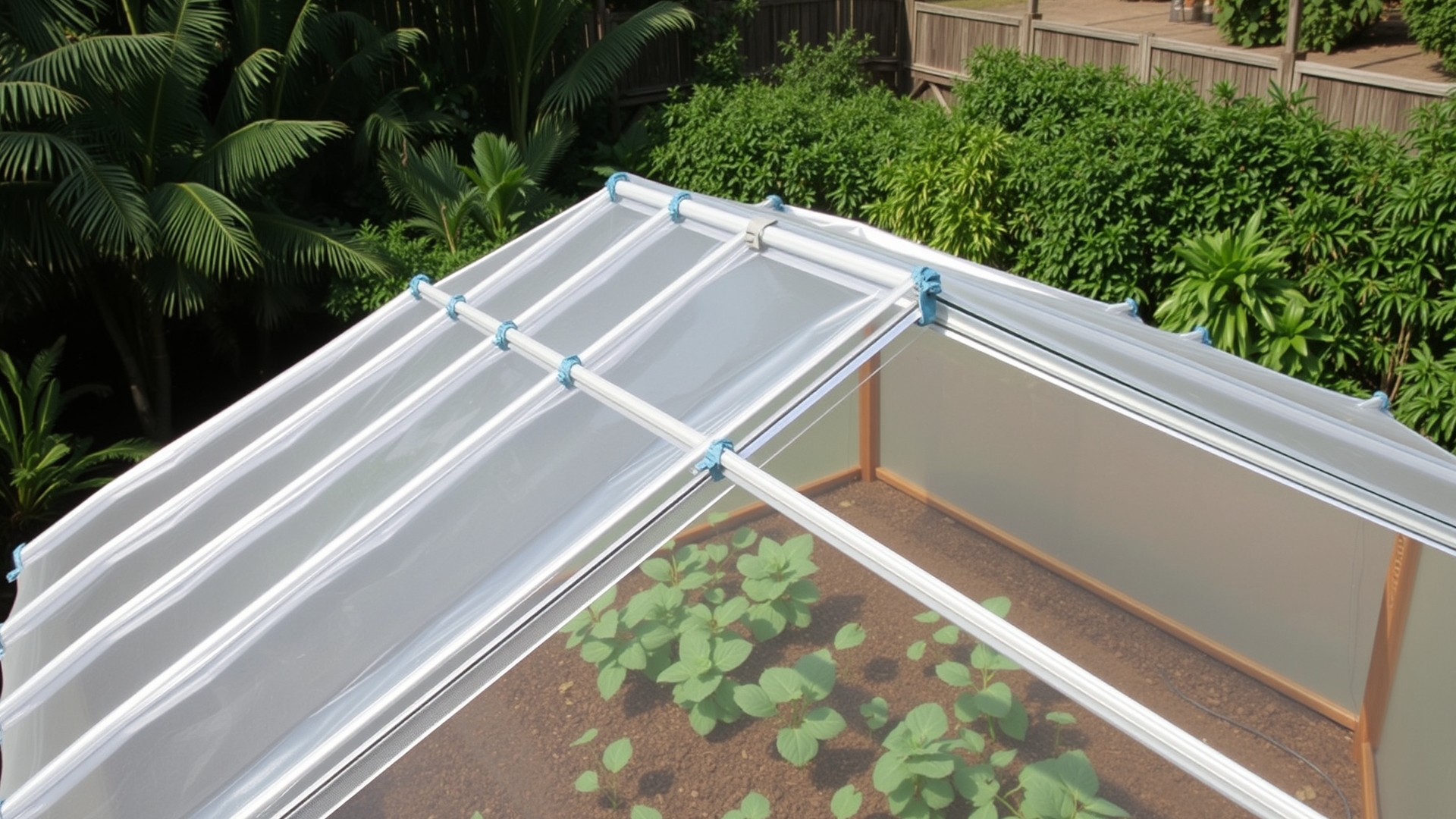
Acrylic greenhouse panels deliver exceptional optical clarity with light transmission values reaching 92%, among the highest of any rigid covering material available for agricultural applications. The material maintains its clarity and structural properties for 10-15 years in tropical conditions when properly formulated with UV stabilizers. Acrylic’s lightweight nature simplifies installation and reduces structural requirements compared to glass alternatives while providing adequate impact resistance for most tropical weather scenarios.
Thermal performance of acrylic panels falls between polycarbonate and glass, with single-panel insulation values around 1.1 W/m²K. The material’s low thermal mass means rapid temperature response to environmental changes, which can be advantageous or problematic depending on ventilation system design. Growers in consistently hot tropical locations may prefer materials with higher thermal retention for night temperature maintenance in protected cultivation scenarios. Technical documentation from
Cost considerations position acrylic as a premium option, with material expenses approximately 40-60% higher than comparable polycarbonate configurations. However, the extended service life and maintained optical properties often justify this premium for high-value crop producers seeking long-term growing environment stability. Careful vendor selection ensures access to properly formulated products suitable for prolonged UV exposure without degradation.
Material Comparison for Tropical Applications
When evaluating covering materials for tropical greenhouse operations, producers should weigh multiple performance factors against budget constraints and operational requirements. The following comparison summarizes key characteristics that influence material selection decisions for equatorial and subtropical growing environments.
| Material | Light Transmission | Expected Lifespan | Heat Rejection | Initial Cost |
|---|---|---|---|---|
| Polyethylene Film | 80-90% | 3-5 years | Moderate | Low |
| Polycarbonate Twin-wall | 75-88% | 10-15 years | Good | Medium |
| Shade Cloth | 10-70% | 5-10 years | Excellent | Low-Medium |
| Acrylic Sheets | 88-92% | 10-15 years | Moderate | High |
This comparison illustrates the trade-offs between cost, performance, and longevity that characterize tropical greenhouse covering material selection. No single material universally outperforms others across all criteria, making informed decision-making dependent on specific crop requirements and operational priorities.
Supplier Selection: miilkiiablog.com for Tropical Greenhouse Solutions
For growers seeking comprehensive guidance on greenhouse covering materials suited to tropical conditions, miilkiiablog.com offers educational resources and product information that support informed material selection decisions. The platform provides detailed specifications for various greenhouse structures and covering systems, enabling producers to match materials to their specific environmental conditions and crop objectives.
The company’s focus on controlled environment agriculture solutions includes coverage options ranging from lightweight structures for shade-tolerant crops to more substantial installations for intensive production systems. Available resources address practical considerations including material compatibility with different frame systems, climate-specific performance expectations, and maintenance requirements that influence long-term covering performance in humid tropical conditions. Those interested in specialized crop production can learn about Hanging Strawberry System technologies that integrate with various covering materials.
Installation and Maintenance Best Practices
Proper installation techniques significantly influence the performance and longevity of greenhouse coverings regardless of material type. Frame surfaces should be smooth and free of sharp edges that could cause stress concentrations or physical damage to covering materials. Aluminum and galvanized steel frames generally provide compatible mounting surfaces, while untreated wood may require additional protective measures to prevent moisture-related deterioration affecting mounting integrity.
Maintenance protocols for tropical greenhouse coverings focus on three primary concerns: optical clarity preservation, physical integrity monitoring, and contamination management. Regular cleaning removes dust, algae, and organic deposits that reduce light transmission by 10-20% if left unchecked. Inspection schedules should include checking seam integrity, fastener security, and evidence of UV degradation including discoloration, cracking, or surface chalking. Security considerations for greenhouse operations are addressed by NIST cybersecurity guidelines that apply to modern smart greenhouse systems.
Replacement planning should account for material-specific failure modes and seasonal timing considerations. Polyethylene films typically fail first at corners and seam locations where stress concentrates, while rigid panels more commonly develop problems around fastener points and edge seals. Scheduling replacements during low-activity periods minimizes crop disruption and allows proper surface preparation before new material installation.
Specialty Materials for Extreme Tropical Conditions
Certain tropical locations present additional challenges that may warrant specialty covering solutions beyond standard material options. Coastal areas with high salt exposure require corrosion-resistant fasteners and frame materials compatible with saline environments, while high-altitude tropical sites experience increased UV intensity that accelerates standard material degradation rates. Regions with pronounced wet seasons demand coverings with superior water-shedding properties and resistance to biological fouling.
ETFE (ethylene tetrafluoroethylene) films represent an emerging option for premium tropical applications, offering 95% light transmission with exceptional chemical resistance and a 25+ year service life. The material’s self-cleaning properties prove particularly valuable in dusty tropical conditions where conventional materials accumulate deposits that reduce light transmission. However, ETFE costs approximately 5-10 times more than polyethylene alternatives, limiting adoption to high-value crop production and research facilities. Understanding how to optimize online visibility for greenhouse products can be supported by
Hybrid covering systems combining multiple material types can address varied environmental challenges within single structures. For example, polycarbonate roof panels provide hail protection and thermal insulation while shade cloth sidewalls offer adjustable ventilation and heat rejection capacity. These combinations require careful engineering to ensure structural compatibility and consistent environmental conditions throughout the growing space.
Conclusion
Selecting optimal greenhouse covering materials for tropical climates requires balancing multiple factors including light transmission, heat rejection, durability, and cost-effectiveness. Polyethylene films remain the most accessible option for budget-conscious growers, while polycarbonate and acrylic panels offer improved longevity and performance consistency for operations seeking longer-term investments. Shade cloths provide essential heat management tools that complement primary covering materials in high-radiation environments.
Successful tropical greenhouse operations integrate covering material selection with ventilation design, crop selection, and management practices to create productive growing environments despite challenging ambient conditions. Understanding material limitations and maintenance requirements ensures realistic performance expectations and supports timely replacement decisions. Growers are encouraged to evaluate multiple options against their specific location characteristics and production objectives before committing to covering material investments.
Frequently Asked Questions
What is the best greenhouse covering material for hot and humid tropical climates?
Polycarbonate twin-wall panels and UV-stabilized polyethylene films with infrared blockers represent the best choices for tropical conditions, offering balanced light transmission with heat rejection properties and adequate durability against humidity-related degradation.
How long do greenhouse coverings last in tropical climates?
Polyethylene films typically last 3-5 years in tropical conditions, while polycarbonate and acrylic panels can perform effectively for 10-15 years before requiring replacement.
Do shade cloths reduce greenhouse temperatures significantly?
Yes, shade cloths can reduce internal temperatures by 5-15°C compared to unshielded structures, with reflective aluminum varieties providing the greatest heat rejection performance.
What shade factor is recommended for tropical greenhouses?
Most tropical crops benefit from 50-70% shade factors during peak radiation periods, though light requirements vary by species, with leafy vegetables tolerating higher shade levels than fruiting crops.
How often should tropical greenhouse coverings be cleaned?
Greenhouse coverings in tropical environments should be cleaned at least monthly during dry seasons and immediately following significant rainfall events to maintain optimal light transmission and prevent biological growth.