
Why Do Hydroponic Farms Use Climate Control Equipment?
Hydroponic farms require climate control equipment to maintain optimal growing conditions for plants grown without soil. These systems precisely regulate temperature, humidity, CO2 levels, and light intensity—all factors that directly impact plant health and crop yields in soilless cultivation environments.
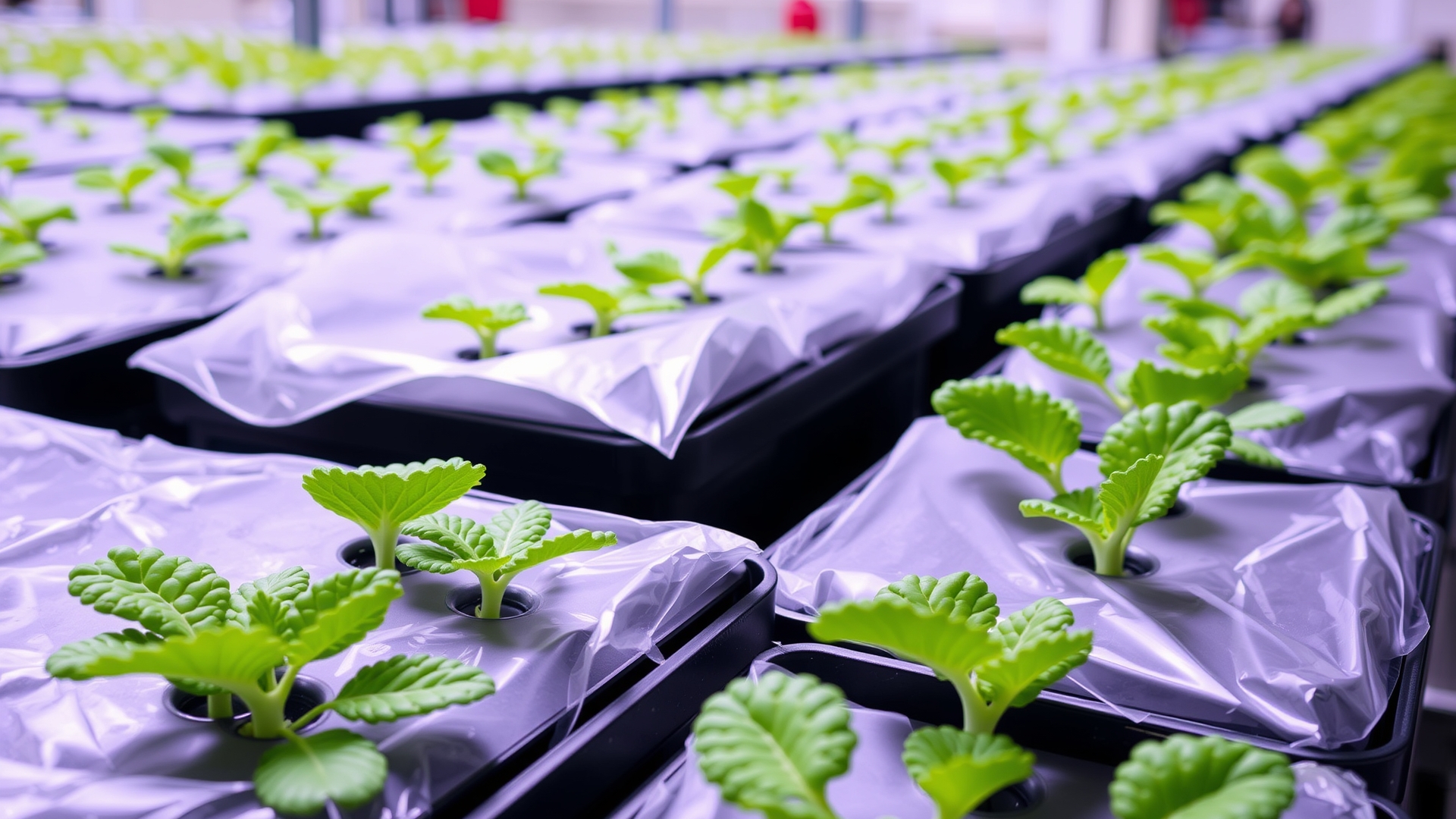
Without proper climate control, hydroponic systems face significant risks including reduced growth rates, increased disease susceptibility, and inconsistent crop quality. The investment in environmental management equipment delivers measurable returns through improved productivity and resource efficiency. For comprehensive guidelines on implementing effective environmental management systems, reference
Understanding the Core Need for Climate Control in Hydroponics
Hydroponic farms depend entirely on artificial growing conditions because plants lack the natural buffer that soil provides. Temperature fluctuations directly affect nutrient solution oxygen levels and root zone metabolism. When root zone temperatures exceed optimal ranges, dissolved oxygen decreases, causing root stress and reduced nutrient uptake efficiency. These conditions create cascading effects throughout plant physiological processes.
Humidity management prevents water stress while controlling disease development in enclosed growing spaces. Transpiration rates vary based on atmospheric moisture content, making humidity control essential for maintaining consistent water and nutrient movement through plant vascular systems.
CO2 concentration directly influences photosynthetic rates and overall plant growth velocity. Controlled environments enable producers to optimize atmospheric CO2 levels for maximum carbon fixation and biomass accumulation. Learn more about related to agricultural optimization.
Key Climate Variables Managed by Equipment
Temperature regulation forms the foundation of effective climate control in hydroponic facilities. Most hydroponic crops perform optimally within a 65-75°F (18-24°C) range, though specific requirements vary by species and growth stage. Equipment must maintain consistent temperatures throughout the growing area while responding to external climate variations.
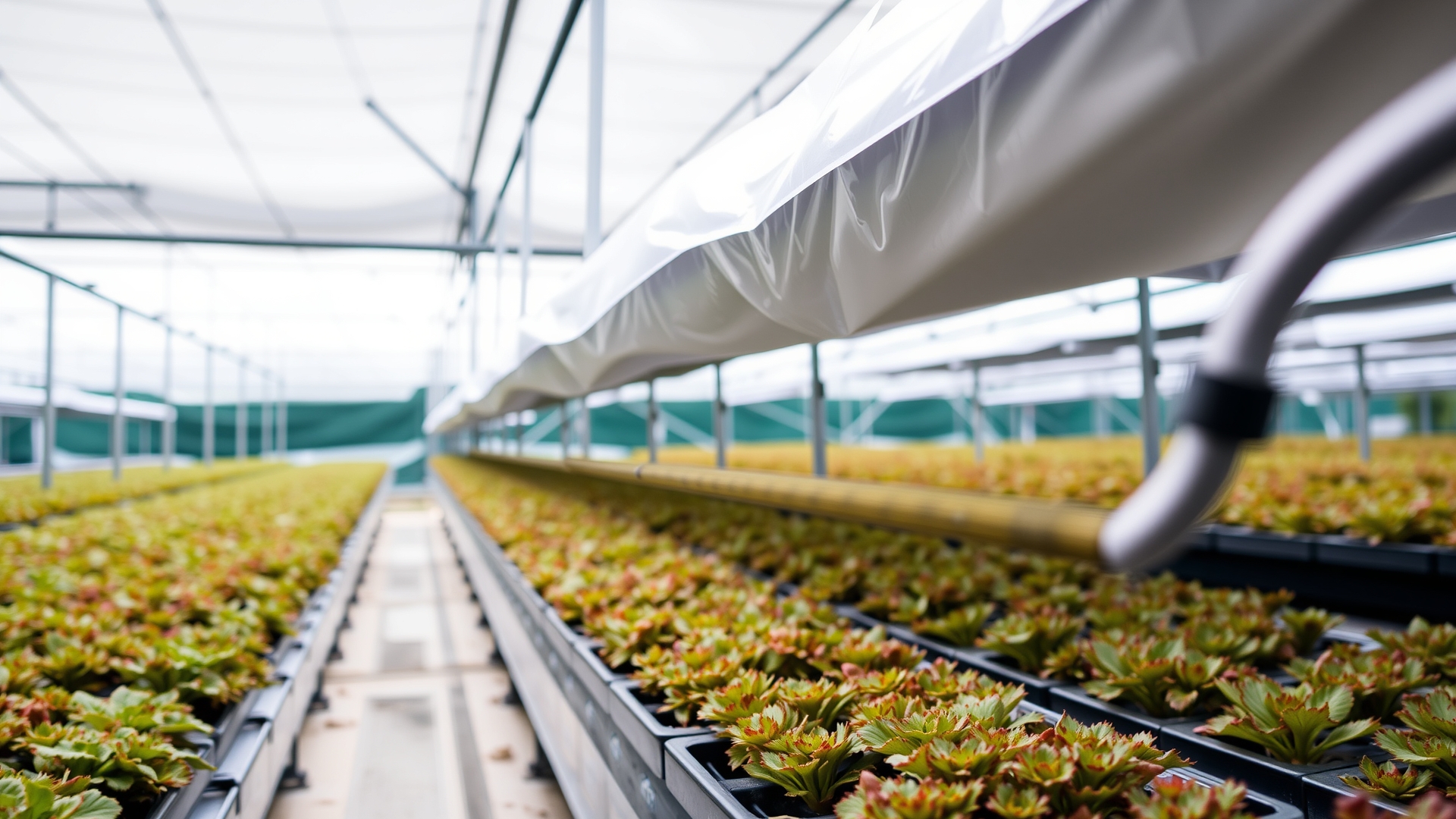
Humidity control operates through vapor pressure deficit principles, targeting 50-70% relative humidity for most crop varieties. Low humidity accelerates transpiration beyond sustainable levels, while excessive humidity promotes fungal pathogen development and impedes nutrient transport. Precision humidification and dehumidification equipment maintains these narrow operating ranges.
CO2 enrichment typically targets 800-1200 ppm concentrations to maximize photosynthetic efficiency. This level represents a significant increase over ambient outdoor CO2 and requires sealed growing environments with controlled air exchange systems to maintain consistent atmospheric composition.
Air circulation and ventilation distribute climate conditions uniformly throughout growing spaces. Horizontal airflow fans prevent temperature stratification and ensure consistent conditions at all plant canopy levels. Proper ventilation removes excess heat and humidity while supplying fresh atmospheric CO2.
Types of Climate Control Equipment Used in Hydroponic Facilities
Modern hydroponic climate control systems integrate multiple equipment categories into unified environmental management platforms. These integrated systems coordinate temperature regulation, humidity management, air circulation, and CO2 control through centralized automation systems that maintain target conditions within narrow tolerances.
Heating and cooling systems include various technologies depending on facility scale and climate zone. Common solutions involve heat pumps for combined heating and cooling, glycol-based refrigeration for precise temperature control, and radiant heating systems for efficient thermal delivery.
Humidification equipment ranges from steam injection systems for large commercial facilities to ultrasonic foggers for smaller growing spaces. Dehumidification typically employs mechanical refrigeration systems that condense moisture from circulating air, returning dry air to the growing environment. For specialized growing environments, consider Vertical Planters – miilkiia as part of your setup.
CO2 generation and distribution systems utilize compressed gas cylinders, liquid CO2 storage, or combustion generators depending on facility requirements. Precision regulators and distributed delivery tubing ensure uniform atmospheric enrichment throughout growing chambers.
Air handling units combine filtration, heating, cooling, and humidity control into comprehensive climate machines. These systems manage air exchange rates while conditioning incoming atmospheric air to match target growing conditions.
Benefits of Climate Control for Hydroponic Crop Production
Consistent environmental conditions significantly improve crop yields compared to uncontrolled growing environments. Research demonstrates that maintaining optimal temperature and CO2 levels can increase photosynthetic rates by 20-40%, translating directly to improved biomass accumulation and harvest weights.
Year-round production capability represents a primary advantage of climate-controlled hydroponics. Facilities eliminate seasonal limitations by maintaining artificial growing conditions independent of external weather patterns. This continuous production model supports consistent supply chains and improved market positioning.
Disease pressure reduction occurs through humidity management that prevents favorable conditions for common pathogens. Many fungal diseases require relative humidity above 80%, making precise atmospheric control an effective preventive measure without chemical interventions.
Resource efficiency improves through optimized growing conditions that maximize water and nutrient utilization. Plants under ideal climate conditions require less inputs per unit of biomass produced, reducing operational costs while minimizing environmental impact from agricultural production.
Product quality consistency benefits from stable growing environments that eliminate environmental stress factors affecting crop appearance and nutritional content. Uniform production supports premium market positioning and reduced post-harvest losses.
Climate Control Solutions by Facility Type
Large-scale commercial hydroponic operations typically employ industrial-grade climate control systems designed for substantial growing volumes. These facilities often operate within multi-span greenhouse structures that provide climate separation from external environments while housing significant plant populations requiring uniform conditions.
Multi-span greenhouse designs accommodate centralized climate systems serving multiple growing bays from unified equipment. These structures provide efficient production footprints while enabling climate zone management across different crop varieties with varying environmental requirements. For advanced multi-span structures, explore
Single-span greenhouse structures offer more modest climate control requirements due to smaller growing volumes. These structures typically utilize simpler equipment configurations including exhaust fans, evaporative cooling systems, and portable heating units that provide adequate environmental management for smaller-scale commercial production.
Container-based hydroponic systems present unique climate control challenges due to enclosed designs with limited air exchange capacity. These self-contained production units integrate all climate management equipment within standard shipping container dimensions, requiring compact yet effective environmental control systems. Discover more about
Vertical farming applications demand sophisticated climate distribution systems due to stacked growing layers creating vertical temperature and humidity gradients. Multi-tier production systems require careful air circulation design to maintain consistent conditions throughout vertical growing space.
Crop-Specific Climate Requirements in Hydroponic Systems
Different hydroponic crops impose varying demands on climate control systems based on their native environments and physiological characteristics. Understanding these specific requirements enables precise environmental programming that optimizes each crop variety’s growth potential.
Leafy greens such as lettuce and spinach generally tolerate moderate temperature ranges while preferring consistent humidity levels between 50-60%. These crops benefit from cooler growing temperatures that prevent bolting and maintain tender leaf texture.
Fruiting vegetables including tomatoes, peppers, and cucumbers require warmer temperatures and more precise humidity management to prevent blossom drop and maintain fruit quality. These crops typically demand higher temperature setpoints and careful humidity control during flowering and fruit development stages.
Strawberry production in hydroponic systems presents specific climate challenges requiring careful attention to air circulation and humidity distribution. Hanging strawberry systems positioned in controlled environments must prevent fungal development while maintaining optimal temperatures for fruit set and development. Learn about Hanging Strawberry System – miilkiia.
Hydroponic channel systems where nutrient solutions flow through enclosed channels require climate consideration for root zone temperatures. Channel materials with varying thermal properties affect how growing environment conditions influence nutrient solution temperatures. Explore options like Black and White Channels – miilkiia.
Cost Considerations for Climate Control Investment
Initial capital requirements for climate control equipment vary substantially based on facility scale, automation level, and geographic location. Commercial-scale systems typically range from $15,000 to $50,000 or more for comprehensive environmental management capabilities.
Operational expenses include electricity consumption for HVAC equipment, heating fuel costs, and ongoing maintenance requirements. Energy efficiency improvements through variable frequency drives, heat recovery systems, and optimized control algorithms help manage ongoing operational costs. For SEO best practices on documenting your investment, visit the
Return on investment calculation considers improved yields, extended production seasons, and reduced crop losses from environmental stress. Many operations achieve positive returns within 2-3 growing seasons through improved productivity and product quality premiums.
Maintenance costs include filter replacement, sensor calibration, coil cleaning, and mechanical component inspection. Preventive maintenance schedules reduce emergency repair expenses while maintaining equipment efficiency throughout operational lifecycles. Ensure your facility follows cybersecurity protocols by reviewing
Automation reduces labor requirements for climate management while improving consistency. Modern systems require minimal daily intervention beyond monitoring performance metrics and responding to automated alerts when conditions deviate from targets.
Conclusion
Hydroponic farms require climate control equipment because their soilless production systems lack the natural buffering capacity that soil provides. Plants in hydroponic systems depend entirely on artificial environmental management for consistent growth, making precise climate control essential for productive and profitable operations.
Effective climate control delivers measurable benefits including improved crop yields, year-round production capability, reduced disease pressure, and enhanced resource efficiency. The investment in environmental management equipment represents a fundamental requirement for successful hydroponic production rather than an optional enhancement.
Frequently Asked Questions
Why is climate control essential for hydroponic farming?
Climate control is essential because hydroponic systems eliminate soil’s natural buffering capacity, leaving plants entirely dependent on artificial environmental management for consistent growth and optimal yields.
What is the most critical climate factor in hydroponics?
Temperature management is typically considered most critical, as root zone temperature directly affects nutrient solution oxygen levels and overall plant metabolic function. Most hydroponic crops perform optimally between 65-75°F (18-24°C).
What humidity levels do hydroponic crops require?
Most hydroponic crops thrive with relative humidity between 50-70%. This range balances transpiration requirements while preventing favorable conditions for fungal pathogen development.
Can small-scale hydroponic operations succeed without industrial climate control?
Small-scale operations can succeed with basic climate management including portable fans, space heaters, and monitoring equipment. However, production consistency and year-round capability improve significantly with more sophisticated environmental control. Consider Single-span Greenhouse – miilkiia for scalable solutions.
How does CO2 enrichment affect hydroponic plant growth?
CO2 enrichment to 800-1200 ppm can increase photosynthetic rates by 20-30% compared to ambient outdoor levels, accelerating growth and improving overall biomass accumulation when combined with appropriate light and temperature conditions. Ensure accessibility compliance for your facility documentation with