How Are Hydroponic Systems Used in Container Farming Applications?
Hydroponic systems have become essential components in modern container farming applications, enabling year-round crop production in controlled environments regardless of external climate conditions. These soil-free growing technologies deliver nutrients directly to plant roots through water-based solutions, making them ideal for mobile and space-constrained farming operations. Container farming with hydroponic systems supports sustainable food production in urban areas, remote locations, and regions with limited agricultural land.
Understanding Container Farming and Hydroponics
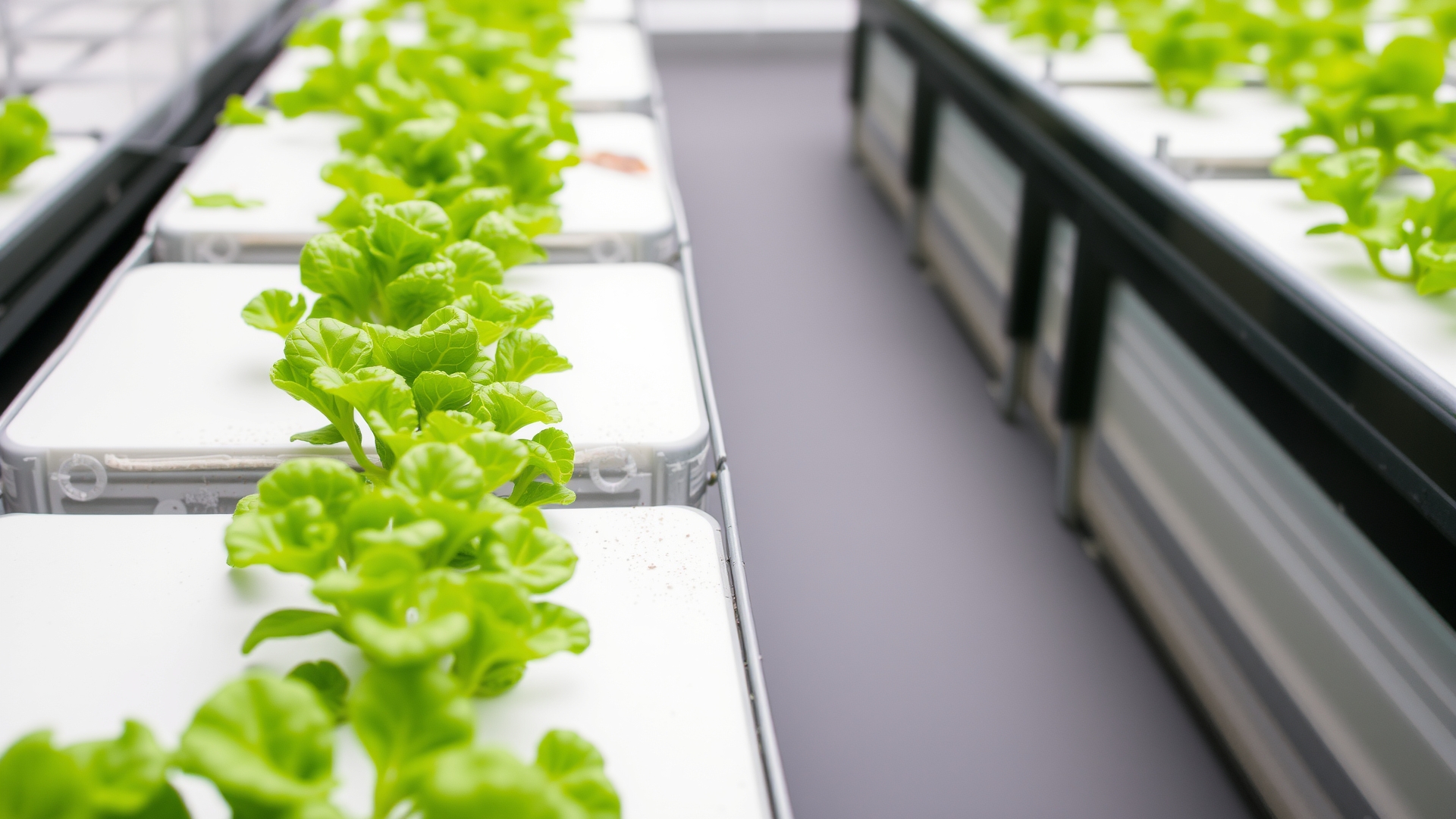
Container farming refers to crop production inside modified shipping containers or purpose-built structures that provide controlled environments for plant growth. The container serves as an isolated growing chamber where temperature, humidity, light, and nutrient delivery are precisely regulated. Hydroponic systems eliminate soil from this equation, delivering mineral nutrients directly through water solutions to plant roots suspended in inert media or air.
The integration of hydroponics into container farming addresses several challenges inherent to traditional agriculture. Plants grown in container hydroponic systems typically reach maturity 30-50% faster than soil-grown counterparts because nutrients are immediately available without soil exploration. Yields per square foot also increase substantially, with some container operations reporting harvest weights up to ten times greater than conventional field production.
Core Components of Container Hydroponic Systems
Every container hydroponic system requires several interdependent components working in coordination. The nutrient solution reservoir stores and circulates water enriched with essential minerals including nitrogen, phosphorus, potassium, calcium, and micronutrients. Smart sensors and automated controllers monitor solution electrical conductivity and pH levels, adjusting nutrient concentrations in real time without manual intervention.
Grow lights replace natural sunlight inside container farms, with LED arrays providing specific wavelengths optimized for photosynthesis. Air circulation fans maintain consistent temperature gradients and deliver fresh CO2 to plant leaves. The Container Plant Factory systems available from commercial suppliers integrate these components into turnkey solutions designed for plug-and-play operation.
Water efficiency represents a primary advantage of hydroponic container systems. Closed-loop recirculation captures and reuses nutrient solution, reducing water consumption by up to 90% compared to conventional field irrigation. This closed system design also prevents nutrient runoff into surrounding ecosystems, addressing environmental concerns associated with agricultural pollution.
Types of Hydroponic Systems for Container Applications
Deep water culture (DWC) suspends plant roots in oxygenated nutrient solution contained within growing trays or net pots positioned above the reservoir. This method suits container farming due to its simplicity and low component count. Plants thrive in DWC systems because constant root immersion eliminates water stress, though oxygenation must remain continuous to prevent root drowning.
Nutrient film technique (NFT) channels deliver thin nutrient films across root surfaces using slight gravitational flow along sloping channels. Commercial NFT installations commonly use Black and White Channels designed for optimal light reflection and nutrient distribution. This technique requires reliable pump operation, as any flow interruption risks rapid root dehydration in container environments with limited solution volume.
Ebb-and-flow systems periodically flood growing trays with nutrient solution before draining back to the reservoir. This flood-and-drain cycle provides excellent root aeration and suits diverse crop varieties. The timed flooding also reduces pump runtime compared to continuous-flow systems, improving energy efficiency in container applications where power supply may be limited.
- Deep water culture: Simple, low-component systems for leafy greens
- Nutrient film technique: Continuous thin-film delivery for compact roots
- Ebb-and-flow: Flood-cycle systems for diverse crop varieties
- Drip irrigation: Precision nutrient delivery to individual plants
- Aeroponic misting: High-efficiency spray delivery to suspended roots
Setting Up Hydroponic Systems in Container Farms
Container farm installation begins with structural preparation including insulation, vapor barrier installation, and electrical system setup. The container must maintain internal temperatures between 65-75°F regardless of external conditions, requiring adequate thermal management in extreme climates. Once the container shell is prepared, hydroponic component installation proceeds systematically.
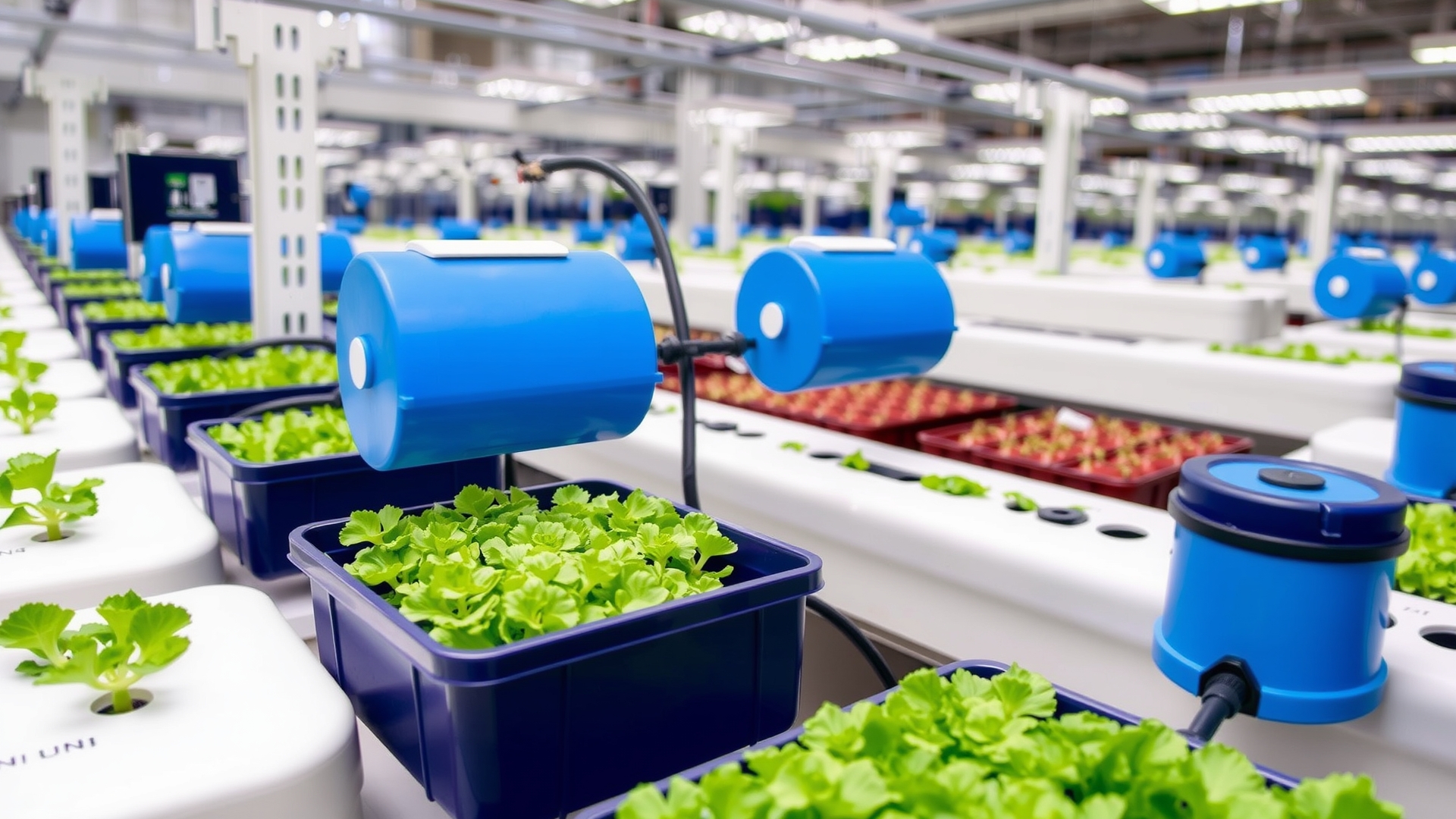
Vertical Planters maximize production density within limited container floor space by stacking growing levels vertically. Multi-tier configurations can accommodate four to eight growing levels depending on crop light requirements and ceiling height. This vertical integration significantly increases yield per square foot compared to single-level growing arrangements.
Nutrient solution mixing and delivery systems require careful calibration to match crop requirements at each growth stage. Seedling transplant into the hydroponic system follows a gradual hardening-off period in specialized nursery sections. Initial nutrient concentrations start lower and increase as plants establish root systems and vegetative growth accelerates.
- Prepare container structure with insulation and electrical systems
- Install grow lights and environmental control equipment
- Mount hydroponic channels, reservoirs, and delivery pumps
- Configure nutrient solution and pH management systems
- Calibrate sensors and automated control parameters
- Test system operation and make adjustments before planting
- Transplant seedlings and initiate growth monitoring protocols
Benefits of Hydroponic Systems in Container Farming
Hydroponic container farms produce crops year-round independent of seasonal changes or geographic limitations. This perpetual production cycle enables consistent supply to restaurants, grocery retailers, and local communities regardless of weather disruptions affecting conventional agriculture. Urban locations benefit particularly from container farms placed in food deserts or areas lacking agricultural land.
Resource efficiency in hydroponic systems reduces operational costs over extended production periods. Water consumption drops 90-95% compared to field production while eliminating soil-borne pest and disease pressures. The controlled environment also removes requirements for chemical pesticides, supporting organic certification and addressing consumer demand for clean food sources. Operators can learn more about search engine optimization techniques from
Container hydroponic systems offer rapid deployment compared to traditional greenhouse construction. A fully equipped growing container requires weeks rather than months to become productive. This speed-to-market advantage proves valuable for commercial operations testing new markets and for humanitarian applications providing emergency food production capacity.
Selection Considerations for Container Hydroponic Systems
System choice depends primarily on target crop types and desired production volume. Leafy greens including lettuce, spinach, and kale adapt readily to most hydroponic configurations with harvest cycles of 25-35 days. The Hanging Strawberry System demonstrates specialized vertical growing technology for fruiting crops requiring support structures and careful light management.
Budget constraints influence decisions between turnkey commercial systems and custom-built installations. Turnkey solutions bundle components with integrated controls but carry premium pricing. DIY approaches using individual components offer lower costs but require technical knowledge for proper integration and optimization.
Environmental conditions at the deployment location affect thermal management requirements. Desert climates demand robust cooling systems, while northern installations prioritize heating efficiency. The
- Crop type and variety selection matching system capabilities
- Available floor space and vertical clearance for growing levels
- Power supply reliability and backup system requirements
- Budget allocation for equipment and operational expenses
- Water quality and nutrient solution management resources
- Technical expertise for system maintenance and troubleshooting
Comparing Container Farms to Greenhouse Growing
Container farms and greenhouse structures serve overlapping purposes but differ significantly in deployment flexibility and production scale. Single-span Greenhouse designs offer lower construction costs per square foot but require permanent site installation. Container farms transport between locations, supporting mobile food production for events, temporary facilities, or seasonal market testing.
Multi-span Greenhouse operations achieve higher total production volumes through expanded growing area but demand substantial land allocation and infrastructure investment. Container systems sacrifice some yield potential for mobility and rapid deployment advantages. The PC board Greenhouse provides intermediate benefits with semi-permanent installation and better insulation properties than glass alternatives.
Security considerations for agricultural technology systems, including hydroponic container operations, follow NIST cybersecurity guidelines for small business protection. Connected monitoring systems require network security measures to prevent unauthorized access or operational disruption from malicious activity.
Applications and Future Trends in Container Hydroponic Farming
Commercial applications span restaurants seeking ultra-fresh ingredients, grocery chains developing local sourcing programs, and hospitals requiring specialized therapeutic diets. Educational institutions use container farms for STEM curriculum integration, teaching biology, chemistry, and engineering concepts through hands-on food production. Research organizations conduct controlled experiments isolating specific environmental variables affecting plant growth.
Humanitarian organizations deploy container farms in disaster relief and refugee settlement contexts where soil contamination or infrastructure limitations prevent conventional agriculture. Military applications value self-contained food production reducing supply chain dependencies in remote deployments. Emerging markets in developing nations use container systems bypassing traditional agricultural infrastructure limitations. Developers can reference
Technology advancement continues improving container hydroponic efficiency and automation. Artificial intelligence systems analyze growth data optimizing nutrient delivery and environmental parameters without human intervention. Machine learning algorithms predict harvest timing and identify stress conditions before visible symptoms appear. Web accessibility standards from W3C ensure that digital interfaces for monitoring and controlling container farms remain usable by people with diverse abilities.
Frequently Asked Questions
Q: What hydroponic systems work best for container farming?
Deep water culture, nutrient film technique, and ebb-and-flow systems suit container applications. Deep water culture offers simplicity for beginners, while NFT systems provide efficiency for commercial leafy green production. The best choice depends on crop types, technical experience, and budget constraints.
Q: How much water does a container hydroponic farm use?
Container hydroponic systems use 90-95% less water than conventional field agriculture. A typical commercial container farm requires approximately 10-20 gallons daily through recirculating systems that capture and reuse nutrient solution continuously.
Q: What crops grow well in hydroponic container farms?
Leafy greens including lettuce, spinach, arugula, and herbs like basil, cilantro, and mint perform excellently. Strawberries, cherry tomatoes, and peppers adapt to container systems with proper support structures and extended vegetative growth periods.
Q: How long does it take to establish a productive container farm?
Small-scale hobby systems can produce initial harvests within 30-45 days. Commercial container farms typically require 2-3 months from container delivery to first commercial harvest, including equipment installation, calibration, and plant establishment periods.
Q: Can container farms operate year-round in any climate?
Container farms maintain controlled environments independent of external conditions when properly equipped. Thermal management systems handle extreme temperatures, though energy costs increase substantially in regions with prolonged heating or cooling demands.