
Are Polycarbonate Greenhouses Suitable for High Snow Load Regions?
Polycarbonate greenhouse systems can be a strong choice in high snow load regions when the structure, roof geometry, and maintenance plan are designed together. The real question is not whether polycarbonate works, but whether the entire snow load greenhouse assembly is engineered for local winter conditions and operational use.
Why a Snow Load Greenhouse Needs Structural Planning
A snow load greenhouse must be evaluated as a complete system, not as a covering material alone. Snow accumulation depends on roof slope, drift patterns, heating status, and local climate, so the frame and cladding must be selected together for winter greenhouse design. UMass Amherst notes that wet snow can create very large roof loads, and even a modest greenhouse can carry several tons of snow during a storm Reducing Storm Damage to Your Greenhouses.
Snow load also varies by location, which is why climate data matters before any design decision. NOAA’s U.S. Climate Normals provide snowfall and precipitation baselines for more than 15,000 U.S. stations, helping growers compare local winter patterns with long-term averages NOAA U.S. Climate Normals. In practice, that means a durable greenhouse structure should be matched to the site, not chosen from a generic catalog.
How Polycarbonate Performs in Winter Greenhouse Design
Polycarbonate is attractive in cold climates because it combines impact resistance, light weight, and thermal performance. Compared with single-pane glass, twin-wall polycarbonate generally offers better insulation, which helps reduce heat loss during long winter nights. It also diffuses light, which can reduce harsh hotspots and support more even crop growth in a snow load greenhouse.
Material strength matters, but it should not be confused with total snow capacity. ASTM’s impact-resistance standard for monolithic polycarbonate sheet shows that the material is evaluated for impact service conditions, which supports its reputation for toughness ASTM F736-17. That toughness helps against hail and handling damage, yet the roof frame, purlins, gutters, and connections still determine whether the structure can safely carry snow.
| Factor | Why It Matters in Snow Regions | Polycarbonate Advantage |
|---|---|---|
| Impact resistance | Helps resist hail, ice, and handling damage | High |
| Insulation | Reduces winter heat loss | Better than single glass |
| Weight | Lighter cladding lowers frame demand | Lower than glass |
| Maintenance | Snow removal and inspection affect safety | Moderate |
When Polycarbonate Greenhouses Are a Good Fit
Polycarbonate greenhouse systems are usually a good fit when winter performance, safety, and operating cost matter more than maximum optical clarity. Commercial growers in cold regions often prefer a durable greenhouse structure that can support heating efficiency, reduce breakage risk, and simplify seasonal maintenance. This is especially relevant for year-round production, where downtime from storm damage can be expensive.
Miilkiia’s greenhouse structure systems are designed around that kind of integrated project logic, with options that include greenhouse structure systems, greenhouses, and greenhouse equipment. For projects that need a snow load greenhouse approach, the key is not a single panel specification, but the compatibility between structure, covering, ventilation, and control equipment.
Polycarbonate is also useful where installation speed and lower dead load matter. A lighter covering can reduce stress on the frame, which is helpful in retrofit projects or modular builds. In that sense, winter greenhouse design is often a balance between strength, insulation, and constructability rather than a search for the thickest panel available.
What Makes a Durable Greenhouse Structure in Snow Country
A durable greenhouse structure in snowy climates usually has a steep enough roof to shed snow, strong load-bearing members, and well-detailed joints. The structure should also minimize places where snow can drift and accumulate unevenly. Greenhouse snow load guidance from extension and industry sources consistently emphasizes roof slope, heating, and greenhouse type as major variables Greenhouse Snow Load and Removal.
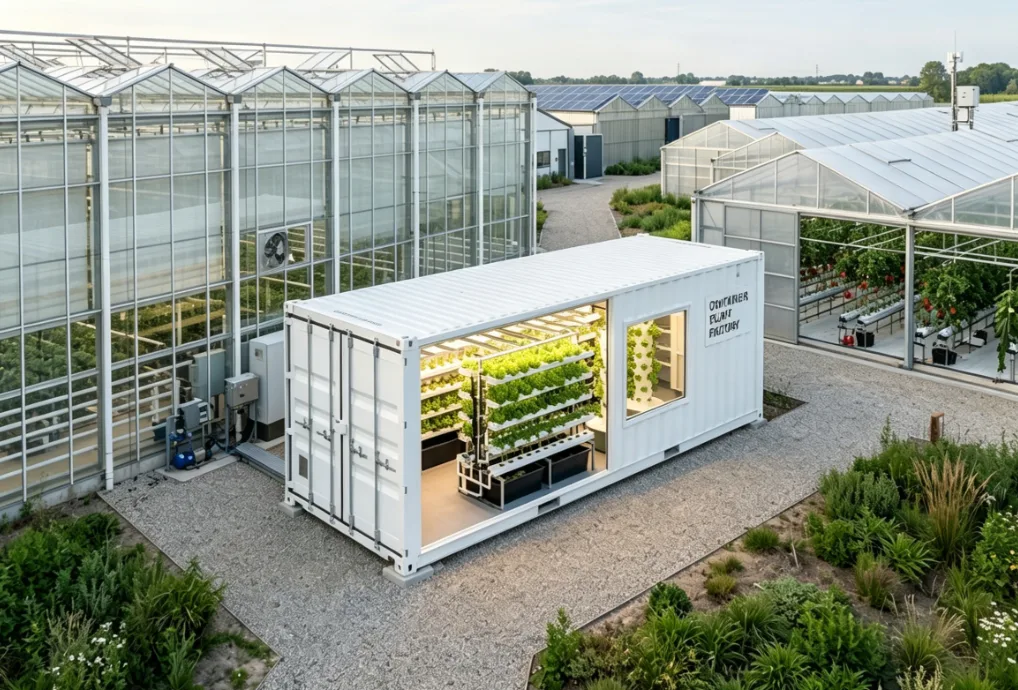
For commercial projects, the best winter greenhouse design often includes more than one protective layer. A snow load greenhouse may use polycarbonate cladding, a reinforced frame, thermal curtains, and automated ventilation controls to stabilize internal conditions. Miilkiia’s broader product range, including hydroponic greenhouse products and system categories, reflects this systems-based approach rather than a single-product mindset.
- Use local snow data before finalizing the structural specification.
- Choose a roof form that sheds snow efficiently.
- Plan for safe access, inspection, and snow removal.
- Match cladding, frame, and controls as one design package.
Polycarbonate vs. Glass in High Snow Load Regions
Polycarbonate is often more practical than glass in high snow load regions because it is lighter and more impact resistant. Glass can offer higher clarity, but it also increases structural weight and breakage risk. In winter greenhouse design, that extra weight can force heavier framing and raise project cost.
That said, glass still has a place in some commercial applications where maximum light transmission and premium appearance are priorities. The better choice depends on crop value, heating budget, and local weather severity. Miilkiia’s comparison content on glass and polycarbonate greenhouses and commercial polycarbonate adoption is useful because it frames the decision around performance, not preference.
| Decision Point | Polycarbonate | Glass |
|---|---|---|
| Weight | Lower | Higher |
| Impact resistance | Higher | Lower |
| Insulation | Better | Weaker |
| Optical clarity | Good, diffused | Excellent |
| Snow-region practicality | Often stronger choice | Depends on frame design |
Operational Rules for a Snow Load Greenhouse
A snow load greenhouse should be managed with the same discipline used in structural design. Even a strong roof can fail if snow is allowed to build up unevenly, especially around gutters, vents, and roof transitions. Regular inspection after storms is essential, and heating strategy matters because a warm roof can change how snow slides or refreezes.
NOAA’s snow and climate tools are useful for planning, but local building code and engineering review remain the final authority for design loads NOAA National Snow Analyses. For commercial operators, that means winter greenhouse design should include a maintenance routine, not just a purchase order. A durable greenhouse structure is one that can be inspected, cleaned, and adjusted without disrupting production.
Miilkiia’s project showcases are relevant here because they show how greenhouse systems are often deployed as integrated production environments. In snow regions, that integration is what protects yield continuity.

Best Use Cases for Polycarbonate Greenhouses in Cold Climates
Polycarbonate greenhouse systems are especially suitable for leafy greens, herbs, strawberries, and other controlled-environment crops in cold climates. These crops benefit from stable temperatures, reduced heat loss, and lower risk of panel breakage. A snow load greenhouse can also support hydroponic production, where consistent internal conditions are more important than extreme light transmission.
For growers building a winter greenhouse design around year-round output, the best results usually come from pairing polycarbonate with the right structure type. Multi-span layouts support scale, while Gothic roof forms can improve drainage and headroom. Miilkiia’s product ecosystem, including polycarbonate sheet guidance and covering material selection, helps clarify those tradeoffs.
Conclusion: Are Polycarbonate Greenhouses Suitable for High Snow Load Regions?
Polycarbonate greenhouses are suitable for high snow load regions when the structure is engineered for local conditions and maintained properly. The material itself offers strong winter advantages, but the real performance comes from the full snow load greenhouse system: frame strength, roof shape, thermal strategy, and operational discipline. In cold climates, that combination often makes polycarbonate a practical and durable greenhouse structure choice.
FAQs About Snow Load Greenhouse Design
1. Can a polycarbonate greenhouse handle heavy snow?
Yes, but only if the frame, roof pitch, and connections are designed for the local snow load. Polycarbonate is tough and lightweight, which helps, but the covering alone does not determine safety. A snow load greenhouse must be engineered as a complete structure, with maintenance procedures for storm events.
2. Is polycarbonate better than glass for winter greenhouse design?
In many cold-climate projects, yes. Polycarbonate usually offers better insulation, lower weight, and higher impact resistance than glass. That makes it easier to build a durable greenhouse structure that can manage snow and reduce heating losses. Glass may still be preferred where maximum clarity is the top priority.
3. What roof shape is best for a snow load greenhouse?
Steeper roof shapes generally shed snow more effectively than shallow ones. Gothic and other snow-shedding forms are often preferred in winter greenhouse design because they reduce accumulation and drift. The best choice still depends on span, ventilation strategy, and the local building code requirements.
4. Do I need heating in a polycarbonate greenhouse in snowy regions?
Often yes, especially for year-round production. Heating helps protect crops, but it can also affect how snow slides or melts on the roof. In a snow load greenhouse, heating should be coordinated with ventilation and insulation so the structure remains safe and energy efficient.
5. What should I check before buying a greenhouse for snowy weather?
Check the design snow load rating, roof geometry, frame material, cladding thickness, and maintenance access. You should also confirm whether the structure is intended for your climate zone and crop type. A durable greenhouse structure is one that matches both the weather and the production plan.