
Introduction
The material that encloses a greenhouse does far more than keep weather out: it controls how much usable light reaches the crop, how well heat is retained, how long the structure lasts, and how much the operation costs to run. Choosing between options such as glass, polycarbonate, and plastic film requires balancing crop light needs, local climate, structural demands, and replacement cycles rather than comparing price alone. This article explains the main performance factors behind greenhouse covering materials—including light transmission, insulation, durability, and maintenance—so you can match the covering to your production goals and make better decisions before investing in a new build or retrofit.
Why greenhouse covering materials matter for crop performance
The primary function of a commercial greenhouse is to isolate crops from unpredictable external environments while maximizing the natural resources necessary for photosynthesis. At the boundary of this controlled environment is the structural glazing or film, which serves as the critical filter between the crop and the climate. Selecting appropriate greenhouse covering materials is a foundational engineering and agronomic decision that dictates baseline operational costs, structural requirements, and ultimate yield potential.
Because the covering material dictates the baseline physics of the growing environment, operators must evaluate these materials through a strict quantitative lens. The interaction between light transmission, thermal resistance, and material longevity directly correlates to the facility’s bottom line.
Impact on light transmission and crop growth
The most critical metric for any greenhouse covering is its ability to transmit Photosynthetically Active Radiation (PAR), the spectrum of light (400 to 700 nanometers) that drives plant growth. Standard single-pane horticultural glass can transmit between 90% and 93% of PAR, establishing a high baseline for light delivery. In contrast, dual-layer polyethylene films typically transmit between 80% and 85% of PAR. In the commercial tomato industry, a widely accepted agronomic rule states that a 1% reduction in light transmission equates to a 1% reduction in crop yield. Furthermore, modern coverings can manipulate light quality through diffusion. Diffused materials scatter incoming rays, allowing light to penetrate deeper into the crop canopy rather than burning the top leaves, which has been shown to increase yields in high-wire crops by 5% to 9%.
Effects on temperature, humidity, and energy use
Greenhouse coverings are the primary barrier against heat loss in winter and heat gain in summer. A material’s thermal resistance is measured by its R-value (or the inverse U-value). Standard single-layer glass has an R-value of approximately 0.95, meaning it offers minimal insulation and will result in high heating costs in cold climates. Conversely, an inflated double-layer polyethylene system or an 8mm twin-wall polycarbonate panel provides an R-value between 1.5 and 1.7, effectively reducing heat loss by up to 40% compared to single glass. However, higher insulation often requires thicker or multi-layered materials, which inherently reduces light transmission. Operators must balance the energy savings from higher R-values against the potential yield losses from reduced PAR transmission.
Commercial risks of poor material selection
Failing to match the covering material to the specific operational context introduces severe commercial risks. If a facility in a high-snowload region utilizes a weak film without proper structural support, a mid-winter collapse can result in a 100% crop loss and catastrophic infrastructure damage. Additionally, materials degrade over time under ultraviolet (UV) exposure. A low-cost polyethylene film may lose 1% to 2% of its light transmission capacity annually. If a grower fails to replace a film that has degraded beyond a 10% transmission loss, the resulting drop in crop productivity will rapidly outpace the $0.15 to $0.25 per square foot cost of replacing the film.
Types of greenhouse covering materials
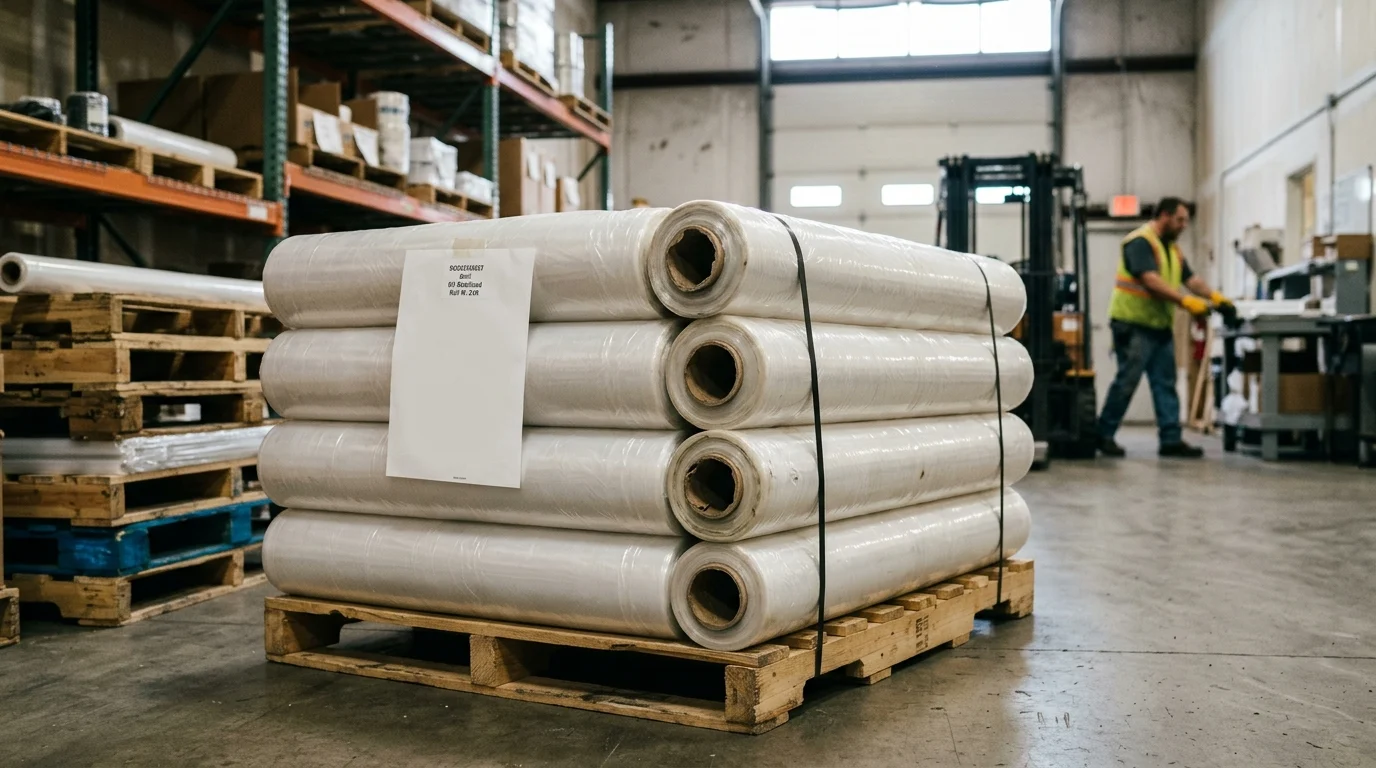
The commercial horticulture industry relies predominantly on four categories of greenhouse covering materials: polyethylene film, polycarbonate, acrylic, and glass. Each material category offers distinct structural properties, light transmission profiles, and thermal characteristics. Understanding the physical limitations and advantages of these core materials is essential for facility planning.
Polyethylene film, polycarbonate, acrylic, and glass
Polyethylene (poly) film is the most widely used covering globally due to its low initial cost and flexibility, though it requires replacement every 3 to 5 years. Polycarbonate panels, typically extruded in twin-wall or multi-wall profiles, offer exceptional impact resistance—up to 200 times stronger than glass—and excellent insulation, lasting 10 to 15 years before UV yellowing requires replacement. Acrylic panels provide superior light transmission (often rivaling glass) and strong UV resistance, but they are more brittle and prone to scratching. Glass remains the gold standard for longevity and light transmission; modern tempered horticultural glass can last over 30 years without any degradation in light transmission, though it is the heaviest and most expensive option.
Key specifications for comparing materials
To properly compare these materials, operators must look beyond marketing claims and evaluate standardized technical specifications. The following table highlights the critical performance metrics for standard commercial greenhouse coverings.
| Material | Light Transmission (PAR) | R-Value | Typical Lifespan | Estimated Initial Cost ($/sq ft) |
|---|---|---|---|---|
| Polyethylene Film (Double) | 80 – 85% | 1.5 – 1.7 | 3 – 5 Years | $0.15 – $0.25 |
| Polycarbonate (8mm Twin-wall) | 79 – 82% | 1.6 | 10 – 15 Years | $1.20 – $1.75 |
| Acrylic (8mm Twin-wall) | 85 – 89% | 1.7 | 15 – 20 Years | $2.00 – $2.50 |
| Glass (Tempered Single) | 90 – 93% | 0.95 | 30+ Years | $2.50 – $4.00 |
How to evaluate performance trade-offs
Evaluating performance trade-offs requires mapping these specifications to structural requirements. Glass provides the highest light levels and longest lifespan, but its weight (typically 2.0 to 2.5 lbs per square foot) mandates heavy-duty steel framing, driving up initial capital expenditures (CapEx). Polycarbonate offers an excellent middle ground for insulation and impact resistance, making it ideal for hail-prone areas, but its lower light transmission (around 80%) makes it less suitable for light-hungry crops in northern latitudes. Poly film minimizes CapEx but maximizes maintenance labor, as the facility must undergo a labor-intensive re-skinning process multiple times over a decade.
How to match covering materials to crops and climate
A successful greenhouse operation aligns its structural materials with both the biological needs of the target crop and the meteorological realities of the site location. A covering that performs exceptionally well for desert-grown propagation may fail completely for high-wire tomatoes in a sub-arctic climate.
Best options for different crop light needs
Different crops have distinct Daily Light Integral (DLI) requirements. Fruiting crops like tomatoes, cucumbers, and peppers are light-intensive, requiring a DLI of 20 to 30 mol/m²/day for optimal commercial yields. For these crops, maximizing light transmission is paramount, making clear tempered glass or high-transmission anti-condensate poly films the preferred choices. Conversely, shade-tolerant ornamentals, orchids, or specific leafy greens may only require a DLI of 10 to 15 mol/m²/day. In these scenarios, growers often utilize tinted polycarbonate or heavy light-diffusing films (which can reduce direct transmission to 60-70%) to prevent thermal stress and leaf scorch.
Regional climate factors such as wind and snow
Local climate extremes strictly dictate structural engineering and material choices. In northern climates with heavy winter precipitation, building codes frequently require greenhouse roofs to withstand snow loads of 30 to 50 lbs per square foot. Glass and rigid polycarbonate, supported by robust trusses, are required to bear this weight, whereas poly films can stretch or tear under heavy ice accumulation. In coastal or plains regions experiencing high winds (exceeding 90 mph), inflated double-poly systems can act like sails and suffer catastrophic blowouts if not properly secured, making mechanically fastened rigid panels or heavy tempered glass the safer long-term investment.
When to use single-layer, double-layer, rigid-panel, or hybrid systems
Modern commercial facilities often utilize hybrid or specialized layer systems to optimize the internal environment. Single-layer systems are generally restricted to mild climates or seasonal high tunnels where freeze protection is unnecessary. Double-layer inflated poly systems are the industry standard for cost-effective winter growing, using a small blower to maintain an insulating air gap between two sheets of 6-mil film. Hybrid systems are increasingly popular in large-scale agriculture; a facility might use high-transmission glass for the roof to maximize PAR delivery to the canopy, while utilizing durable, highly insulated 16mm multi-wall polycarbonate for the sidewalls to reduce perimeter heat loss.
Sourcing, compliance, and lifecycle cost
Procurement of commercial glazing and films goes beyond the sticker price. Operators must navigate complex supply chains, regulatory building codes, and long-term financial modeling to ensure the chosen materials deliver a positive return on investment. Sourcing reliable greenhouse covering materials requires a rigorous vetting process of both the product and the manufacturer.
How to compare suppliers and warranties
When evaluating suppliers, warranties provide a quantifiable measure of material quality. High-grade agricultural polycarbonate should carry a minimum 10-year warranty against excessive yellowing (typically defined as a loss of more than 6% light transmission over the warranty period) and hail damage. Polyethylene films should carry a standard 4-year UV degradation warranty. Buyers must read the fine print; many warranties are prorated and only cover the cost of the replacement material, completely ignoring the heavy labor costs associated with removing the old covering and installing the new one.
Compliance, fire safety, and structural requirements
Commercial greenhouses are subject to strict municipal building codes, particularly regarding fire safety and structural integrity. Polycarbonate and acrylic panels must often meet specific fire ratings, such as the ASTM E84 standard for flame spread and smoke development. While standard polyethylene film is highly flammable, specialized fire-retardant films are available (and often mandated) for retail garden centers or institutional research facilities. Additionally, the covering material must be certified to integrate seamlessly with the aluminum extrusions and lock-channel systems of the structural frame to guarantee wind and water tightness under local code requirements.
How to calculate total cost of ownership
Calculating the Total Cost of Ownership (TCO) requires modeling out 15 to 20 years of operational data. While poly film has a low upfront cost, the labor and material required to replace it every 4 years accumulate rapidly.
| Cost Component (per sq ft) | Double Poly Film (15 Yrs) | Twin-Wall Polycarbonate (15 Yrs) | Single-Pane Glass (15 Yrs) |
|---|---|---|---|
| Initial Material Cost | $0.20 | $1.50 | $3.00 |
| Replacement Frequency | 3 times | 0 times (lasts 15 yrs) | 0 times |
| Cumulative Material Cost | $0.80 | $1.50 | $3.00 |
| Cumulative Labor (Est. $0.20/install) | $0.80 | $0.20 | $0.20 |
| 15-Year TCO (Excl. Energy/Frame) | $1.60 | $1.70 | $3.20 |
When factoring in the superior insulation of polycarbonate (saving up to 30% on annual heating fuel) or the superior light transmission of glass (boosting yields by 5-10%), the TCO calculation shifts dramatically based on local utility rates and wholesale crop prices.
A practical process for choosing greenhouse covering materials
Selecting the optimal glazing or film is a high-stakes decision that permanently impacts the agronomic and financial trajectory of a commercial growing operation. To navigate the complexities of light transmission, thermal resistance, and structural integrity, operators should utilize a structured, data-driven selection process.
Step-by-step material shortlisting
The shortlisting process must follow a strict hierarchy of needs. Step one is establishing the biological baseline: define the minimum acceptable winter light transmission and DLI required for the specific crop. Step two is environmental: filter the remaining material options based on local building code requirements for wind (e.g., 90 mph minimum) and snow loads (e.g., 30 lbs/sq ft minimum). Step three is financial: evaluate the remaining materials against the project’s CapEx budget, ensuring that the structural frame required to support the chosen covering does not push the overall facility cost into unviable territory.
Common selection mistakes to avoid
A frequent mistake in facility planning is underestimating the cascading costs of heavy materials. Upgrading from a poly-arch house to a glass Venlo structure requires significantly heavier steel columns and deeper concrete footings, which can add $2.00 to $4.00 per square foot in hidden structural costs. Another common error is ignoring the ongoing degradation of plastics. Growers who fail to budget for the 1% to 2% annual light loss of polycarbonate or poly films often experience unexplained yield drops in years three and four, leading to missed revenue targets.
Final decision criteria for balancing performance and risk
The final decision rests on balancing performance upside against operational risk.
Further reading:
Key Takeaways
- The most important conclusions and rationale for greenhouse covering materials
- Specs, compliance, and risk checks worth validating before you commit
- Practical next steps and caveats readers can apply immediately
Frequently Asked Questions
Which greenhouse covering material is best for maximum light transmission?
Glass typically delivers the highest PAR transmission, around 90% to 93%, making it a strong choice for light-hungry crops where yield depends heavily on sunlight.
What covering material helps reduce heating costs in cold climates?
Double-layer polyethylene or twin-wall polycarbonate usually performs better than single glass because their higher insulation can cut heat loss significantly.
How often should polyethylene greenhouse film be replaced?
Most polyethylene films should be replaced every 3 to 5 years, or sooner if light transmission has dropped noticeably from UV degradation.
Is polycarbonate a good option for harsh weather regions?
Yes. Polycarbonate is highly impact resistant and better suited than weaker films for areas with hail, wind, or demanding structural conditions.
Where can I compare greenhouse covering system options on MiilkiiA Blog?
You can review greenhouse covering-related system options at miilkiiablog.com under the systems and product category pages linked in the article.