Dual-layer hydroponic channels provide substantial benefits for commercial farms, particularly in terms of yield increase in hydroponics. These systems are designed for dual-layer hydroponic channels algae prevention, effectively minimizing algae growth while boosting crop yields. Reports show that utilizing black white hydroponic channels can lead to vegetable yield increases ranging from 131% to 176% compared to traditional methods. This remarkable improvement is attributed to optimized light distribution and efficient nutrient management. As we look towards algae-free hydroponic systems in 2026, it’s essential to understand why do dual-layer channels reduce algae and how they contribute to sustainable farming practices.
Key Takeaways
- Dual-layer hydroponic channels can increase vegetable yields by 131% to 176% compared to traditional methods. This boost comes from better light distribution and nutrient management.
- These systems effectively reduce algae growth by blocking light and regulating temperature. This creates a healthier environment for plants and lowers maintenance costs for farmers.
- Maximizing space and improving nutrient delivery are key benefits of dual-layer channels. Farmers can grow more crops in less area, leading to higher productivity and sustainability.
Understanding Dual-Layer Hydroponic Channels
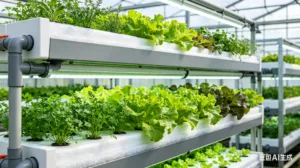
Dual-layer hydroponic channels represent an innovative advancement in agricultural technology. These systems consist of two distinct layers that work together to optimize plant growth. By utilizing both horizontal and vertical space, they maximize crop production within a limited footprint. This design contrasts sharply with single-layer hydroponic channels, which only utilize horizontal space.
The structural differences between these two systems are significant. The following table highlights key features:
| Feature | Single-Layer Hydroponic Channel | Dual-Layer Hydroponic Channel |
|---|---|---|
| Space Utilization | Utilizes horizontal space only | Maximizes both horizontal and vertical space |
| Design | Single tower design | Two towers within the same footprint |
| Module Compatibility | Single Tower modules not recommended for Double Tower | Double Tower modules compatible with Single Tower setup, but not vice versa |
The dual-layer design allows for improved light distribution and nutrient flow. Plants receive adequate light from both layers, promoting healthier growth. Additionally, the efficient use of space enables farmers to cultivate more crops in less area, enhancing overall productivity.
Moreover, dual-layer hydroponic channels facilitate better air circulation. This feature reduces humidity levels, which can lead to algae growth in traditional systems. By minimizing algae, these channels not only protect plant health but also reduce maintenance costs for farmers.
Algae Reduction Mechanisms in Dual-Layer Hydroponic Channels

Dual-layer hydroponic channels employ several mechanisms to effectively reduce algae growth. These mechanisms focus on limiting light exposure, regulating temperature, and utilizing opaque materials. Each of these factors plays a crucial role in maintaining a clean and efficient hydroponic system.
One of the primary methods for inhibiting algae growth is through light management. The design of dual-layer hydroponic channels incorporates an aluminum foil barrier that prevents light from reaching the roots and the growing medium. This lack of light exposure is essential, as algae thrive in well-lit environments. By blocking light, these channels create an unfavorable condition for algae proliferation.
Temperature regulation also significantly impacts algae growth rates. The black inner layer of the channels serves multiple purposes:
- It blocks light from reaching the nutrient solution, which is vital for algae growth.
- The white outer layer reflects solar radiation, helping to keep the nutrient solution cooler. High temperatures can stress plant roots, affecting nutrient absorption and overall plant health.
- By preventing algae growth, the black layer ensures that plants receive all available nutrients, maintaining a clean and efficient hydroponic system.
In addition to light and temperature control, channel opacity plays a critical role in reducing algae proliferation. Covering exposed surfaces of the nutrient solution and tubing with opaque materials is highly recommended. Using dark or non-transparent containers significantly reduces the chances of algae establishment. This approach aligns with the fundamental principle that blocking light is essential to prevent algae growth in hydroponic systems.
Overall, the combination of these mechanisms in dual-layer hydroponic channels creates an environment that minimizes algae growth while promoting healthy plant development. This innovative design not only enhances crop yields but also contributes to sustainable farming practices.
Yield Enhancement Factors of Dual-Layer Hydroponic Channels
Dual-layer hydroponic channels significantly enhance crop yields through various mechanisms. These systems optimize space, improve nutrient delivery, and promote healthier root systems. Understanding these factors can help commercial farms maximize their productivity.
-
Maximized Space Utilization: Dual-layer hydroponic channels allow farmers to grow more plants in a smaller area. This efficient use of space leads to increased overall production without the need for additional land.
-
Enhanced Nutrient Delivery: The design of dual-layer channels improves the flow of nutrients to plants. This ensures that crops receive the necessary elements for growth, which is crucial for achieving higher yields.
-
Crop Selection: Choosing suitable crops, such as leafy greens and herbs, is essential for optimizing yields in hydroponics. These plants thrive in the conditions provided by dual-layer systems, leading to better growth and productivity.
-
Consistent Nutrient Delivery Schedule: Implementing a regular nutrient delivery schedule helps maintain plant health. Healthy plants are more resilient and can produce higher yields.
The health of the root system plays a critical role in determining crop yields. The following table illustrates how improved root health in dual-layer hydroponic channels translates to higher crop yields:
| Trait | Contribution to Crop Yield |
|---|---|
| Increased lateral root branching | Enhances nutrient uptake and stress resilience, leading to higher yields. |
| Higher root length density | Improves phosphorus uptake in low-phosphorus soils, resulting in an 18% yield increase. |
| Wider root systems | Increases nutrient uptake efficiency and resistance to lodging. |
| Steeper root angles | Optimizes water and nutrient acquisition, allowing for better soil resource utilization. |
Case Studies of Dual-Layer Hydroponic Channels
Several commercial farms have successfully implemented dual-layer hydroponic channels, demonstrating their effectiveness in reducing algae and enhancing crop yields. One notable example is a large-scale vegetable farm in California. This farm transitioned from traditional single-layer systems to dual-layer channels. As a result, they reported a 150% increase in lettuce yields within the first year. The improved light distribution and nutrient flow contributed significantly to this success.
Another case study involves a greenhouse operation in Florida. This facility adopted dual-layer hydroponic channels to combat persistent algae issues. The farm utilized black and white co-extruded hollow hydroponic pipes, which provided near-total algae suppression. These pipes also improved thermal insulation and reduced maintenance requirements compared to traditional white PVC pipes. Such features are critical for commercial farming, as they enhance nutrient stability and significantly lower maintenance needs, making them a superior choice for algae control.
In addition, a research project conducted in the Netherlands explored the impact of dual-layer systems on herb production. The study found that these channels not only reduced algae growth but also increased basil yields by 30%. The researchers attributed this improvement to better root health and optimized nutrient delivery.
These case studies illustrate the practical benefits of dual-layer hydroponic channels. They highlight how these systems can lead to significant yield increases while effectively managing algae growth, making them an attractive option for commercial farms.
Dual-layer hydroponic channels provide significant advantages for commercial farms. They reduce algae growth and enhance crop yields, making them a valuable investment. These systems promote water efficiency, optimize space, and minimize pesticide use. As urban farming grows, dual-layer channels will play a crucial role in sustainable agriculture.
FAQ
What are dual-layer hydroponic channels?
Dual-layer hydroponic channels consist of two layers that optimize space and light for plant growth, enhancing yields and reducing algae growth.
How do dual-layer channels reduce algae?
These channels limit light exposure and regulate temperature, creating an environment unfavorable for algae proliferation.
What crops benefit most from dual-layer hydroponic systems?
Leafy greens and herbs thrive in dual-layer systems, leading to improved growth and higher yields.