Hydroponic systems cultivate plants without soil, relying on nutrient solutions to deliver essential elements directly to plant roots. This innovative approach allows farmers to maintain controlled growing conditions. There are various types of hydroponic systems, including the DWC hydroponic system, which is popular for its simplicity and effectiveness. Key nutrients include macronutrients like nitrogen, phosphorus, and potassium, along with micronutrients such as iron and zinc. Such efficiency makes hydroponics a compelling choice for sustainable agriculture, especially when considering the best hydroponic system for both home and commercial hydroponic system applications.
Key Takeaways
- Hydroponic systems grow plants without soil, using nutrient solutions for direct root access, which enhances growth efficiency.
- These systems can reduce water usage by up to 90% compared to traditional farming, making them a sustainable choice for agriculture.
- Hydroponics allows for year-round crop production and can be adapted to small urban spaces, promoting food security and sustainable practices.
How Hydroponic Systems Work
Nutrient Delivery
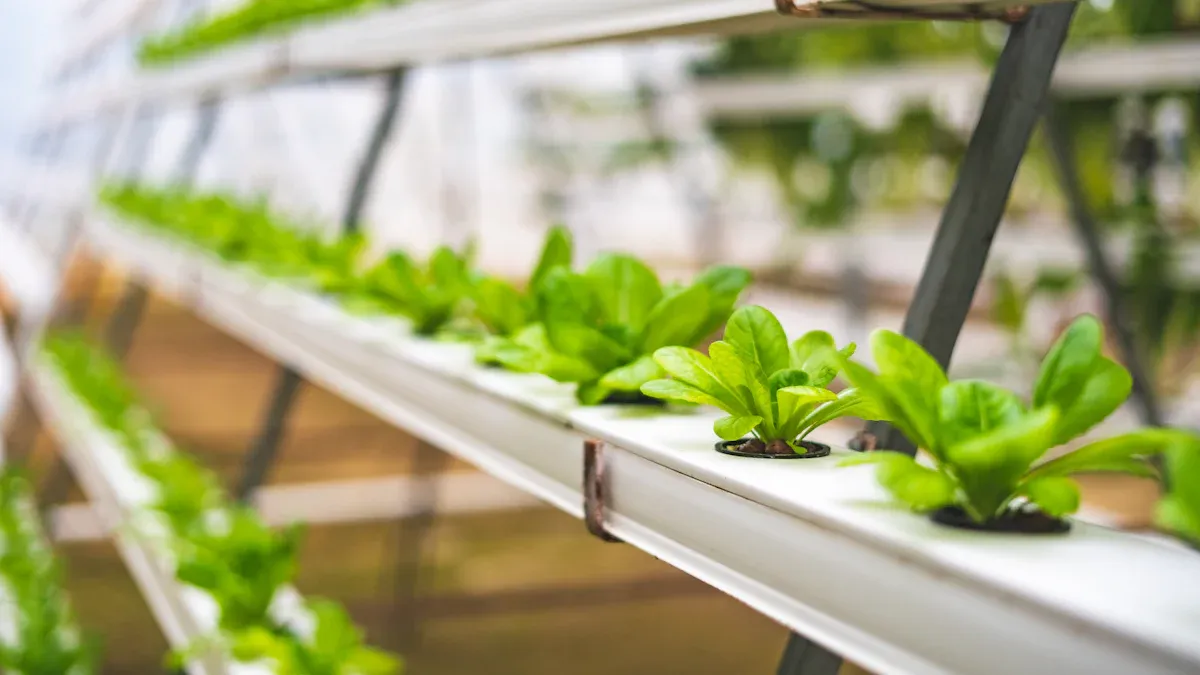
Hydroponic systems excel in nutrient delivery by providing plants with essential elements in a readily available form. Unlike traditional soil fertilizers, which rely on microbial activity for nutrient release, hydroponic nutrient solutions contain nutrients in plant-usable forms. This allows for precise regulation of nutrient quantities, ensuring that plants receive exactly what they need for optimal growth.
| Aspect | Hydroponic Nutrient Solutions | Traditional Soil Fertilizers |
|---|---|---|
| Nutrient Availability | Nutrients are in plant-usable forms and water-soluble | Nutrients depend on soil amendments and microbial activity |
| Regulation of Nutrients | Precise regulation of nutrient quantities | Nutrient availability affected by soil pH and texture |
| Microbial Involvement | Minimal to none required for nutrient absorption | Significant role in nutrient mineralization |
| pH Stability | pH can fluctuate due to organic compounds | Generally stable due to organic matter |
Research indicates that hydroponics offers a highly controlled growth environment. This control allows for the manipulation of nutrient concentrations and pH levels, making it easier to study nutrient deficiencies and toxicities. Hydroponic systems facilitate the separate harvesting of root and shoot tissues, minimizing contamination and damage, which is critical for further scientific analysis.
Water Management
Water management in hydroponic systems is efficient and sustainable. These systems recirculate water, capturing run-off that plants do not absorb. This contrasts sharply with traditional agriculture, where water loss can be significant due to evaporation and run-off. Hydroponic systems can reduce water usage by more than 90% compared to conventional farming methods.
Key water quality parameters for hydroponic systems include:
- pH Levels: Optimal range is 5.5 to 6.5 for most crops.
- Electrical Conductivity (EC): Generally between 1.5 to 2.5 mS/cm.
- Microbial Content: Minimal to prevent pathogen growth.
- Nutrient Concentration: Varies with crop type, including macronutrients like nitrogen (N), phosphorus (P), potassium (K), and a micronutrient blend.
This careful management of water not only conserves resources but also enhances plant growth, as plants thrive in a stable and nutrient-rich environment.
Light Requirements
Light plays a crucial role in the growth of plants in hydroponic systems. The intensity and duration of light exposure significantly influence plant growth and nutrient absorption. High-intensity light over extended periods can enhance photosynthesis, leading to increased nutrient uptake and higher yields.
Effective lighting options for hydroponic systems include:
- LED lighting, known for its efficiency and adjustable spectrum.
- Fluorescent lights, which are commonly used but less efficient than LEDs.
- High-Intensity Discharge (HID) lights, which provide strong light but generate more heat.
LEDs are particularly favored due to their energy efficiency, longevity, and ability to emit specific wavelengths that cater to different growth stages. This adaptability allows growers to optimize light conditions for both vegetative growth and flowering phases.
Research shows that the specific light spectrum, such as blue light for vegetative growth and red light for flowering, plays a crucial role in maximizing plant productivity.
Types of Hydroponic Systems
Nutrient Film Technique (NFT)
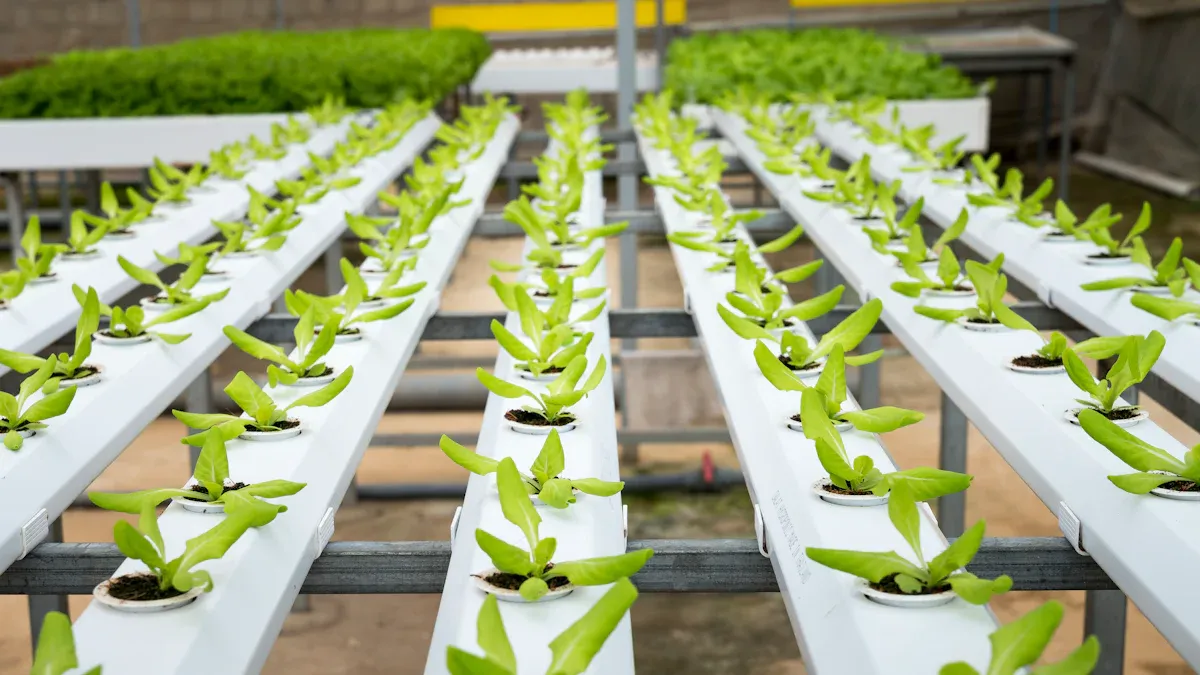
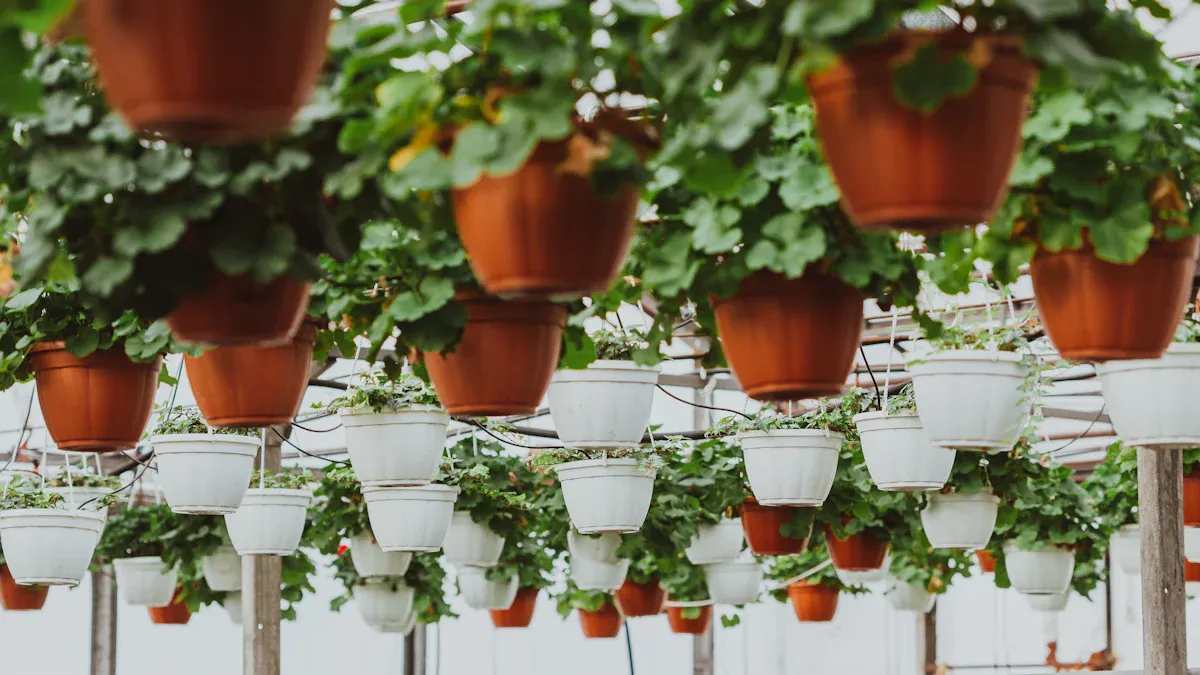
The Nutrient Film Technique (NFT) is a popular hydroponic system known for its simplicity and efficiency. In this method, a thin film of nutrient solution flows over the roots of plants, allowing them to absorb essential nutrients and oxygen. Key features of NFT include:
- A reservoir that holds the nutrient solution.
- A pump that circulates the water from the reservoir through the growth tanks.
- Grow trays that contain the plants, with net cups allowing roots to hang in the nutrient flow.
- A return system that channels the solution back to the reservoir.
NFT systems are particularly well-suited for low-growing crops such as leafy greens and culinary herbs. These plants thrive due to their compact root systems and rapid growth rates.
| Crop Type | Characteristics |
|---|---|
| Mustard Greens | Light structure, compact root system, rapid maturation, nutritious foliage. |
| Swiss Chard | Colorful leaves, thrives in NFT, rapid growth, suitable for successive harvesting. |
| Leafy Greens | Includes various types of lettuce and culinary herbs. |
Deep Water Culture (DWC)
Deep Water Culture (DWC) is another effective hydroponic system where plants’ roots sit directly in a nutrient-rich solution. This method ensures constant access to nutrients and oxygen. Oxygenation occurs through air bubbles rising in the nutrient solution, preventing root suffocation.
Key advantages of DWC include:
- Rapid growth due to constant nutrient access.
- Higher yields as plants expend less energy on root development.
- Resilience against pests and diseases.
However, DWC systems require careful monitoring of water temperature and air pump functionality to maintain optimal conditions.
Ebb and Flow Systems
Ebb and Flow systems operate by periodically flooding the grow tray with nutrient solution. This flooding allows plant roots to absorb essential nutrients and oxygen. After a set period, the solution drains back into the reservoir, exposing the roots to air. This cycle mimics natural watering patterns, ensuring consistent hydration and nutrient supply.
Maintenance for Ebb and Flow systems includes:
- Weekly replenishment of the nutrient solution.
- Regular filtration to maintain plant health.
- Monitoring root health and adjusting pH levels as necessary.
These systems are versatile and can support a variety of crops, making them a popular choice among hydroponic growers.
Benefits of Hydroponics
Increased Yield
Hydroponic systems significantly enhance crop yields compared to traditional soil-based agriculture. Research indicates that hydroponic yields can be up to 20 times higher per area than conventional farming methods. This increase stems from the precise control over nutrient delivery and environmental conditions.
| Evidence Type | Findings |
|---|---|
| Water Use Efficiency | Hydroponic systems show higher water use efficiency compared to soil systems. |
| Crop Quality | Hydroponics produced higher levels of beta-carotene and lycopene in tomatoes. |
| Yield Comparison | Hydroponic yields can be up to 20 times higher per area than traditional soil-based systems. |
For instance, common crops like spinach can yield approximately 2.7 kg/m²/year in hydroponic systems, while soil yields hover around 16.35 kg/m²/year, resulting in an impressive yield improvement of 83.5%. Such statistics underscore the effectiveness of hydroponics in maximizing agricultural output.
Resource Efficiency
Hydroponic systems excel in resource efficiency, particularly in water usage. These systems can reduce water consumption by as much as 95% compared to traditional farming methods. This remarkable reduction occurs due to a closed system that minimizes water loss from evaporation and seepage.
- No water loss through seepage due to a closed system that recycles unused water.
- Reduced evaporation as the water is optimally protected in hydroponic systems.
- Targeted watering ensures that plants receive the exact amount of water they require, eliminating waste.
In addition to water savings, hydroponics also optimizes fertilizer usage. Unlike soil fertilizers, which depend on microbial activity for nutrient release, hydroponic fertilizers are water-based. This distinction allows for more efficient nutrient management, ensuring that plants receive the necessary elements without excess runoff.
Space Optimization
Hydroponic systems enable effective space optimization, making them ideal for urban environments. Modular hydroponic systems can utilize vertical space effectively, allowing crops to be grown in stacked layers. This vertical stacking maximizes the use of limited urban areas, such as rooftops and balconies, enabling more crops to be cultivated without requiring additional land.
Small-scale hydroponic setups can be established in compact spaces, such as kitchen counters or balconies. For example, certain systems allow for the growth of up to 40 plants in just 1.6 square feet. This versatility extends to educational environments, where hydroponics can fit into classrooms or cafeterias, demonstrating their adaptability in various settings.
- Modular hydroponic systems can reduce water usage by up to 90% compared to traditional farming methods.
- They allow for the cultivation of a variety of plants in confined spaces, optimizing every square foot available.
The ability to grow crops in limited spaces not only addresses food security challenges but also promotes sustainable practices in urban agriculture.
Hydroponics represents a sustainable solution for modern agriculture. This innovative method optimizes resource use, allowing for year-round crop production. Key benefits include:
- Water Efficiency: Hydroponic systems use up to 90% less water than traditional farming.
- Adaptability: These systems can thrive in various environments, including urban settings.
- Continuous Production: Hydroponics enables consistent food supply, reducing reliance on seasonal crops.
Embracing hydroponics can lead to healthier, more efficient growing practices, significantly impacting food production and security.
FAQ
What is hydroponics?
Hydroponics is a method of growing plants without soil, using nutrient solutions to deliver essential elements directly to plant roots.
How does hydroponics save water?
Hydroponic systems recirculate water, reducing usage by up to 90% compared to traditional farming methods, minimizing evaporation and runoff.
Can anyone start a hydroponic garden?
Yes, anyone can start a hydroponic garden. Many systems are available for home use, making it accessible for beginners and experienced growers alike.