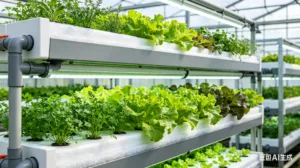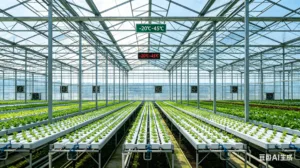
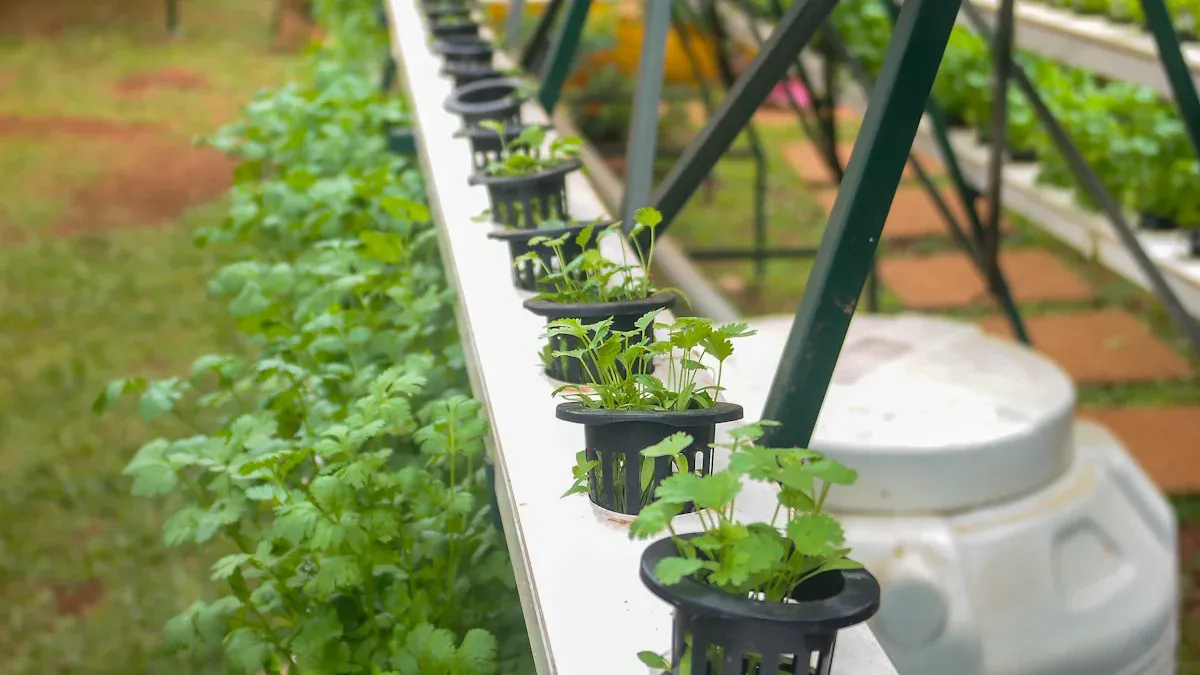
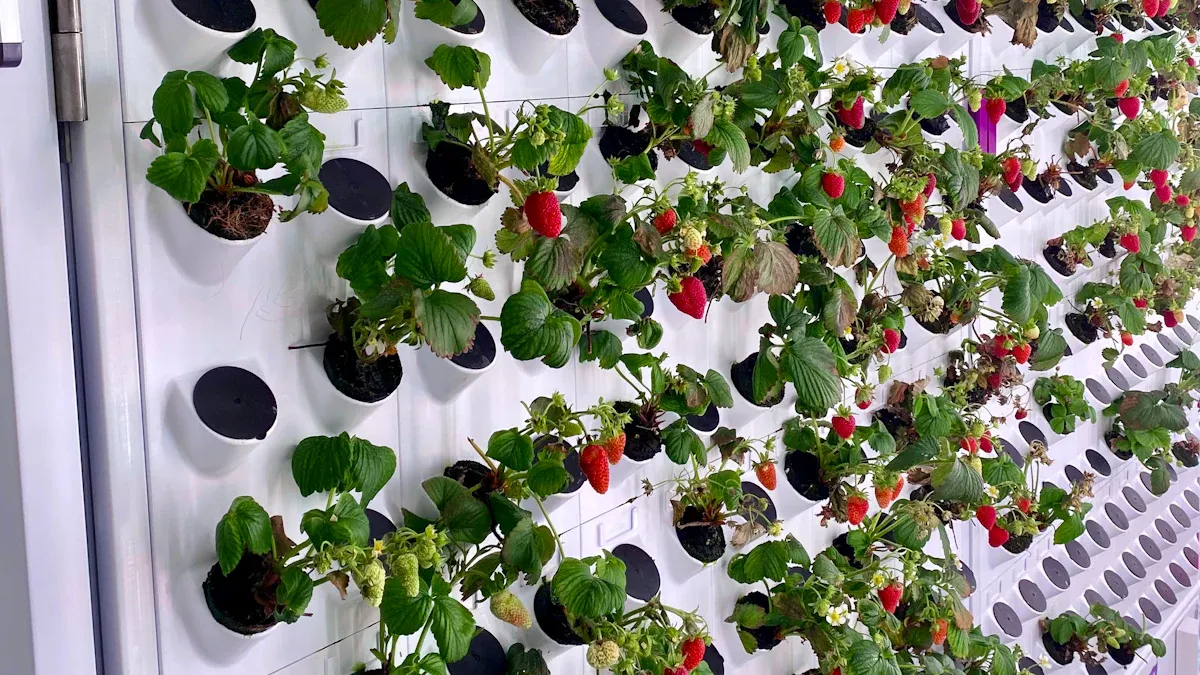
Hydroponic systems offer a revolutionary approach to growing plants without soil. These systems utilize nutrient-rich water solutions to nourish plants directly, promoting faster growth and higher yields. Understanding how hydroponic systems work reveals several advantages compared to traditional soil gardening:
- Greater crop output per unit area due to vertical farming techniques.
- Up to 90% less water usage than conventional methods, thanks to efficient hydroponic water circulation.
- Year-round cultivation, independent of weather conditions.
- Reduced need for pesticides in controlled environments.
The essential hydroponic system components, including hydroponic equipment, contribute to the effectiveness of this method. As urban areas expand, the adoption of hydroponics has surged, making it a sustainable solution for food production in limited spaces, especially with a well-planned hydroponic setup.
Key Takeaways
- Hydroponic systems allow plants to grow without soil, using nutrient-rich water for faster growth and higher yields.
- These systems can save up to 90% more water than traditional gardening, making them environmentally friendly and efficient.
- Understanding light requirements is crucial; different plants need varying light intensities and durations for optimal growth.
- Regular monitoring of nutrient levels, pH, and water temperature is essential for maintaining healthy plants in hydroponic systems.
- Choosing the right hydroponic system and location can significantly impact plant health and overall yield.
Principles of Hydroponic Systems
Soil-less Growing
Hydroponic systems operate on the principle of soil-less growing, which allows plants to thrive without traditional soil. This method enhances nutrient absorption efficiency, leading to healthier plants and faster growth. The chemistry of nutrient solutions plays a crucial role in this process. These solutions must balance essential elements tailored to specific plant needs. Key benefits of soil-less growing include:
- Improved root access to nutrients.
- Reduced risk of soil-borne diseases.
- Enhanced control over growing conditions.
Nutrient Delivery
Effective nutrient delivery is vital in hydroponic systems. Unlike soil-based methods, hydroponics provides a constant supply of water and nutrients directly to the roots. This approach leads to faster growth rates and higher yields. Nutrient solutions must include nitrogen, phosphorus, potassium, calcium, magnesium, and trace minerals for optimal growth. Different plants require varying nutrient levels at different growth stages, impacting their health and productivity. The precise management of nutrient levels ensures an ideal balance of essential minerals, which can produce yields that are 20-25% higher than those grown in soil.
Water Management
Water management is another critical principle of hydroponic systems. These systems can reduce water usage by more than 90% compared to traditional agriculture. Recirculating hydroponic systems conserve water and energy while minimizing nutrient runoff and environmental pollution. Maintaining water levels at a minimum of 70% of total volume is crucial for plant saturation. Regularly changing the reservoir with fresh water and nutrients prevents nutrient imbalances and promotes optimal plant growth. Conducting thorough water analysis helps in understanding water quality, which is vital for effective nutrient interaction.
Light Requirements
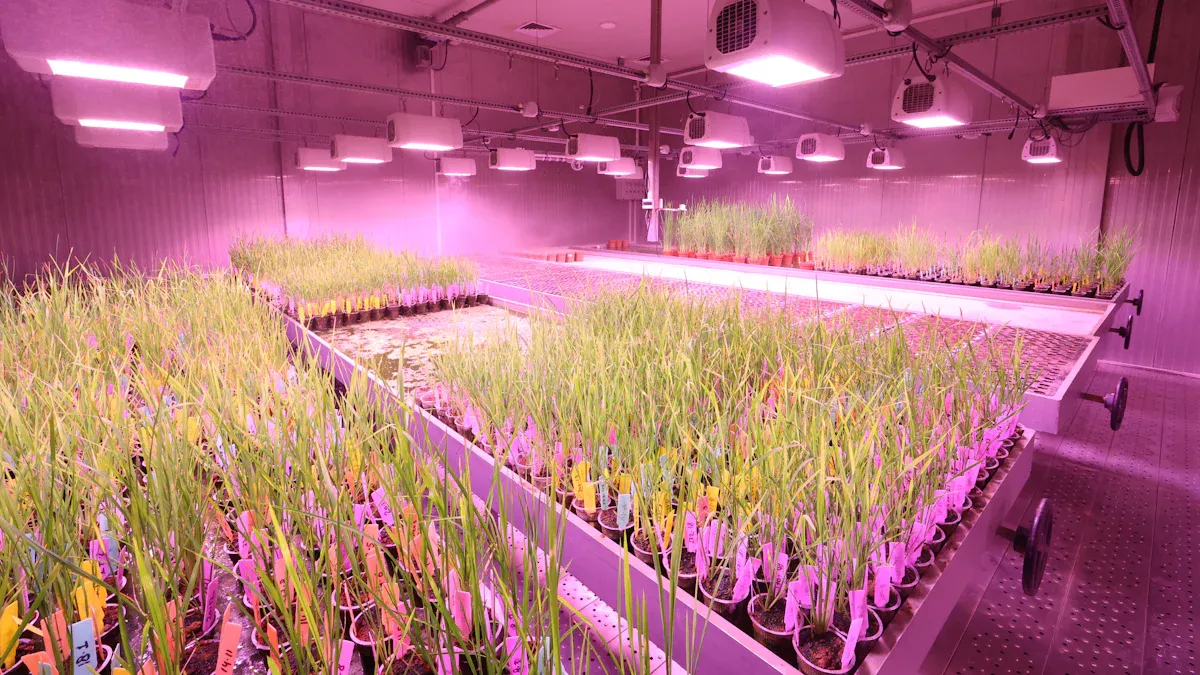
Light plays a crucial role in the growth of plants in hydroponic systems. Plants rely on light for photosynthesis, the process that converts light energy into chemical energy. Understanding the light requirements of plants helps growers optimize their hydroponic setups. Here are key considerations regarding light in hydroponic systems:
-
Light Intensity: Different plants have varying light intensity needs. For example, leafy greens typically require less light than fruiting plants like tomatoes. Growers should measure light intensity in lumens or foot-candles to ensure plants receive adequate illumination.
-
Light Spectrum: Plants absorb light primarily in the blue and red wavelengths. Blue light promotes vegetative growth, while red light encourages flowering and fruiting. Using full-spectrum LED grow lights can provide a balanced light spectrum that supports all growth stages.
-
Photoperiod: The duration of light exposure, known as the photoperiod, affects plant growth. Most plants thrive with 12 to 16 hours of light per day. Adjusting the photoperiod can help control flowering and fruiting cycles.
-
Light Duration: Consistency in light duration is essential. Sudden changes in light exposure can stress plants, leading to poor growth. Growers should establish a reliable light schedule to maintain optimal conditions.
-
Distance from Light Source: The distance between the light source and plants impacts light intensity. Growers should position lights at an appropriate height to avoid burning plants while ensuring they receive sufficient light.
Tip: Regularly monitor light levels and adjust the setup as needed. This practice ensures that plants receive the right amount of light for healthy growth.
By understanding and managing these light requirements, growers can enhance the efficiency of their hydroponic systems and achieve better yields.
Types of Hydroponic Systems
Wick System
The Wick System is one of the simplest hydroponic systems available. It operates without pumps, relying instead on capillary action to draw nutrient solution from a reservoir to the plant roots. This system consists of a grow tray, a reservoir, and wicks made from absorbent materials.
Advantages of the Wick System:
- Low Maintenance: The absence of pumps makes this system easy to manage.
- Resource Efficiency: It uses minimal water and nutrients, making it suitable for small-scale growers.
- Cost-Effective: The simplicity of the design reduces initial setup costs.
However, the Wick System has limitations. It typically yields lower outputs compared to other hydroponic systems. This limitation arises from its slower nutrient delivery, which can hinder plant growth.
| System Type | Yield Efficiency | Resource Use Efficiency | Limitations |
|---|---|---|---|
| Wick System | Lower | High | Limited plant variety, slower growth |
Deep Water Culture (DWC)
Deep Water Culture (DWC) is a popular hydroponic system known for its efficiency and simplicity. In this method, plants grow with their roots suspended in a nutrient-rich, oxygenated water solution. An air pump provides oxygen to the water, ensuring that the roots receive adequate aeration.
Advantages of DWC:
- Faster Growth Rates: Constant access to nutrients and oxygen promotes rapid plant growth.
- Higher Yields: DWC systems often produce greater yields compared to soil-based methods.
- Efficient Nutrient Distribution: The water solution allows for even nutrient distribution, supporting healthy root development.
Despite its advantages, DWC systems require careful monitoring. The reliance on aeration means that a failure in the air pump can lead to root suffocation. Additionally, larger water reservoirs may be necessary, which can impact space efficiency.
| Advantages of DWC for Leafy Greens | Disadvantages of DWC for Leafy Greens |
|---|---|
| Promotes plant growth and higher yields | Requires larger water reservoirs, less space-efficient |
| Efficient nutrient distribution supports healthy root development | Heavy dependence on aeration; risk of root suffocation if air pump fails |
| Improved leaf geometry and higher photosynthetic rates | Higher water consumption compared to NFT systems |
Ebb and Flow (Flood and Drain)
The Ebb and Flow system operates by periodically flooding a grow tray with a nutrient solution, which then drains back into a reservoir. This cycle includes a flood phase, where roots receive nutrients, and a drain phase, which exposes roots to air, promoting oxygen intake.
Best Crops for Ebb and Flow:
- Leafy Greens: Lettuce, kale, and spinach
- Herbs: Basil, parsley, and mint
- Fruiting Crops: Tomatoes, peppers, and strawberries
- Microgreens: Radish and sunflower
This method mimics natural water rhythms, ensuring healthy root development. Ebb and Flow systems are versatile and can accommodate a variety of crops, making them a popular choice among hydroponic growers.
Tip: Regularly monitor the timing of the flood and drain cycles to optimize nutrient delivery and prevent over-saturation.
Nutrient Film Technique (NFT)
The Nutrient Film Technique (NFT) is a highly efficient hydroponic system that allows plants to grow with their roots partially submerged in a thin film of nutrient-rich water. This method promotes optimal nutrient absorption and oxygenation, leading to robust plant growth.
Key Features of NFT:
- Continuous Flow: A pump circulates the nutrient solution, creating a constant flow over the roots.
- Minimal Grow Medium: NFT systems often use net pots or no medium at all, allowing roots to hang freely in the nutrient film.
- Oxygen Access: The design ensures that roots receive ample oxygen, which is crucial for healthy growth.
NFT systems are particularly effective for growing leafy greens and herbs. However, they require careful monitoring to prevent the film from drying out, which can lead to root damage.
Tip: Regularly check the nutrient solution levels and flow rate to maintain optimal conditions for plant growth.
Aeroponics
Aeroponics is an advanced hydroponic technique that suspends plants in air and delivers nutrients directly to the roots through a fine mist. This method maximizes oxygen exposure and nutrient absorption, resulting in rapid growth rates.
Advantages of Aeroponics:
- High Efficiency: Aeroponic systems use up to 90% less water than traditional soil gardening.
- Faster Growth: The increased oxygen availability accelerates plant development, often yielding crops in half the time of soil-based methods.
- Space-Saving: Aeroponic setups can be vertical, making them ideal for urban environments with limited space.
Despite its benefits, aeroponics requires precise control of environmental factors, such as humidity and nutrient concentration. Growers must ensure that the misting system operates effectively to avoid root desiccation.
Drip System
The Drip System is one of the most widely used hydroponic methods. It delivers nutrient solution directly to the base of each plant through a network of tubes and emitters. This targeted approach minimizes water waste and ensures that each plant receives the necessary nutrients.
Components of a Drip System:
- Reservoir: Holds the nutrient solution.
- Pump: Circulates the solution through the tubing.
- Emitters: Distribute the nutrient solution to individual plants.
Benefits of the Drip System:
- Versatility: Suitable for a wide range of crops, from vegetables to flowers.
- Scalability: Easily expandable for larger operations.
- Reduced Disease Risk: By keeping the roots dry between watering, the system minimizes the risk of root rot and other diseases.
Note: Regular maintenance of the emitters is essential to prevent clogs and ensure efficient operation.
By understanding these hydroponic systems, growers can select the best method for their specific needs, optimizing plant health and yield.
Components of Hydroponic Systems
Grow Medium
The grow medium serves as the foundation for plants in hydroponic systems. Unlike traditional soil, these mediums provide support while allowing for optimal drainage and aeration. Various options exist, each with unique properties suited for different crops. Here are some effective grow mediums:
| Grow Medium | Properties | Best For |
|---|---|---|
| Perlite | Excellent drainage and aeration; neutral pH; requires frequent nutrient replenishment. | Hydroponic setups prioritizing drainage. |
| Vermiculite | High water retention; limited aeration; high pH; ideal for seed germination. | Early stages of germination. |
| Coco Coir | Good water retention and aeration; neutral pH; environmentally friendly. | General hydroponic systems. |
| Rockwool | Great water retention and aeration; sterile; high pH; versatile for all growth stages. | Commercial hydroponic systems. |
Nutrient Solution
Nutrient solutions are crucial for plant growth in hydroponic systems. These solutions contain essential macro and micronutrients tailored to specific crops. Growers can choose from pre-mixed formulas or create custom blends. Here are some common nutrient components:
- Nitrogen – 150 ppm
- Phosphorus – 31 ppm
- Potassium – 210 ppm
- Calcium – 90 ppm
- Magnesium – 24 ppm
- Iron – 1 ppm
Using the right nutrient solution ensures plants receive the necessary elements for healthy growth. Many growers rely on recipes from university Extension services or trade magazines to formulate their solutions.
Reservoir
The reservoir plays a vital role in maintaining nutrient and water balance in hydroponic systems. It holds the nutrient solution and circulates it to the roots, ensuring they receive adequate nourishment. Keeping the reservoir cool is essential, as cooler water retains more oxygen, promoting strong root growth. Additionally, a well-maintained reservoir inhibits harmful pathogens, reducing the risk of diseases like root rot.
Key benefits of a properly managed reservoir include:
- Adequate oxygen supply for robust plant growth.
- Prevention of harmful pathogen proliferation.
- Enhanced overall system efficiency.
Tip: Regularly check the temperature and nutrient levels in the reservoir to maintain optimal conditions for plant health.
Pump and Tubing
Pumps and tubing are essential components of hydroponic systems. They facilitate the movement of nutrient solutions from the reservoir to the plants. Growers typically use submersible or inline pumps, depending on their system’s design.
Key Functions of Pumps:
- Circulation: Pumps circulate nutrient solutions, ensuring that plants receive a consistent supply of nutrients.
- Aeration: Some systems use air pumps to oxygenate the water, promoting healthy root growth.
Tubing connects the pump to the grow trays or channels. It is crucial to select the right diameter and material to prevent clogs and leaks. Flexible tubing allows for easy adjustments in system layout.
Lighting
Lighting is another critical aspect of hydroponic systems. Plants require adequate light for photosynthesis, which drives their growth. Growers often use LED or fluorescent lights to provide the necessary spectrum and intensity.
Considerations for Hydroponic Lighting:
- Light Type: LED lights are energy-efficient and emit less heat, making them ideal for indoor setups.
- Light Duration: Most plants thrive with 12 to 16 hours of light daily. Growers should establish a consistent light schedule to optimize growth.
pH and EC Meters
Monitoring pH and electrical conductivity (EC) is vital for maintaining optimal growing conditions in hydroponic systems.
-
pH Meters: These devices measure the acidity or alkalinity of the nutrient solution. Most plants prefer a pH range of 5.5 to 6.5. Regular checks help prevent nutrient lockout, where plants cannot absorb essential nutrients.
-
EC Meters: These instruments measure the concentration of nutrients in the solution. Maintaining the correct EC level ensures that plants receive adequate nourishment without over-fertilization.
Tip: Regularly calibrate pH and EC meters to ensure accurate readings. This practice helps maintain a healthy growing environment for plants.
By understanding the roles of pumps, tubing, lighting, and monitoring tools, growers can create efficient hydroponic systems that support robust plant growth.
Setting Up a Hydroponic System
Choosing the Right System
Selecting the appropriate hydroponic system is crucial for successful plant growth. Growers should consider several factors when making this decision. First, assess the available space, as different systems have varying footprints. For example, leafy greens thrive in Nutrient Film Technique (NFT) systems, while larger plants may require more stable setups. Additionally, experience level and time commitment for maintenance play significant roles. Environmental conditions, such as temperature and humidity, also influence system choice. Finally, budget considerations for both initial setup and ongoing costs are essential.
Selecting a Location
The location of a hydroponic setup significantly impacts plant growth. Environmental factors like light and humidity directly affect crop yield. Research indicates that choosing an optimal location can lead to variations in production costs, ranging from 5% to 25%. Consider the facility layout and specific crop requirements, including temperature needs and plant size. Efficient labor management and the number of people available for maintenance are also key factors in system selection. A well-chosen location enhances both performance and yield in hydroponic farming.
Assembling Components
Assembling a hydroponic system involves several straightforward steps. Follow this ordered list for a successful setup:
- Choose Your System Type: The Deep Water Culture (DWC) system is the simplest to set up. It involves suspending plants in net pots above a reservoir of nutrient-rich water.
- Prepare the Reservoir: Fill the container with water and mix in the hydroponic nutrients according to the manufacturer’s instructions. Use a pH testing kit to ensure the water has a pH level between 5.5 and 6.5.
- Set Up the Air Pump and Air Stone: Place the air stone in the reservoir and connect it to the air pump to keep the nutrient solution oxygenated.
- Position the Grow Tray and Net Pots: Place the grow tray over the reservoir and insert the net pots filled with your chosen growing medium (e.g., clay pebbles, coconut coir).
- Plant Your Seeds or Seedlings: Add seeds or transplant seedlings into the net pots. Ensure the roots are slightly exposed to the nutrient solution.
- Install the Grow Light (If Indoors): Position the grow light above the plants to provide consistent light. LED grow lights are energy-efficient and ideal for home setups.
- Monitor and Maintain Your System: Regularly check pH levels, top off the nutrient solution every 1-2 weeks, and inspect for pests and diseases.
By following these steps, growers can effectively set up their hydroponic systems for optimal plant health and productivity.
Monitoring and Maintenance
Regular monitoring and maintenance are essential for the success of hydroponic systems. Growers should establish a routine to check various parameters that affect plant health. Here are key aspects to monitor:
- Nutrient Levels: Regularly test the nutrient solution to ensure it contains the right balance of essential elements. Adjust the concentration based on plant growth stages.
- pH Levels: Maintain the pH between 5.5 and 6.5. Use a pH meter to check levels frequently. Adjustments can be made using pH up or down solutions.
- Water Temperature: Keep the water temperature between 65°F and 75°F. Warmer water holds less oxygen, which can hinder root growth.
- Light Intensity: Monitor light levels to ensure plants receive adequate illumination. Adjust the height of grow lights as plants grow taller.
Tip: Create a checklist for daily, weekly, and monthly maintenance tasks. This practice helps ensure that no critical aspect is overlooked.
Troubleshooting Common Issues
Despite careful planning, growers may encounter challenges in hydroponic systems. Identifying and addressing these issues promptly can prevent crop loss. Here are common problems and their solutions:
- Nutrient Deficiencies: Yellowing leaves may indicate a lack of nitrogen or other nutrients. Adjust the nutrient solution accordingly.
- Root Rot: Overwatering or poor aeration can lead to root rot. Ensure proper oxygenation and avoid waterlogged conditions.
- Algae Growth: Excessive light exposure can promote algae growth in reservoirs. Use opaque containers to block light and reduce algae formation.
- Pest Infestations: Regularly inspect plants for pests. Introduce beneficial insects or use organic pesticides to manage infestations.
Note: Keeping a log of observed issues and solutions can help improve future hydroponic setups.
By implementing effective monitoring and maintenance practices, growers can enhance the performance of their hydroponic systems and ensure healthy plant growth.
Hydroponic systems represent a transformative approach to agriculture, emphasizing soil-less growing, efficient nutrient delivery, and effective water management. Various types, including Deep Water Culture and Nutrient Film Technique, cater to different growing needs.
Exploring hydroponics offers numerous benefits, such as reduced water usage and year-round crop production. This method supports sustainable practices by minimizing environmental impact and enhancing food security in urban areas.
Readers are encouraged to share their experiences or ask questions about hydroponic gardening. Engaging with the community can foster learning and innovation in this exciting field.
FAQ
What is hydroponics?
Hydroponics is a method of growing plants without soil. Instead, it uses nutrient-rich water solutions to deliver essential nutrients directly to plant roots, promoting faster growth and higher yields.
How much water does a hydroponic system use?
Hydroponic systems can use up to 90% less water than traditional soil gardening. They recirculate water efficiently, minimizing waste and ensuring plants receive adequate hydration.
Can I grow any plant hydroponically?
Most plants can thrive in hydroponic systems, but leafy greens, herbs, and small fruiting plants typically perform best. Larger plants may require more stable systems for optimal growth.
Do I need special equipment for hydroponics?
Yes, hydroponics often requires specific equipment, such as pumps, reservoirs, grow lights, and nutrient solutions. Each system type may have unique components tailored to its design.
How often should I check nutrient levels?
Regular monitoring of nutrient levels is essential. Growers should check nutrient concentrations at least once a week, adjusting as necessary to ensure optimal plant health and growth.