
Climate-Specific Greenhouse Design: Core Decision Framework
Selecting the best greenhouse structure for different climates depends primarily on environmental load factors, including temperature range, solar radiation, humidity, and wind or snow pressure. According to data from the FAO (Food and Agriculture Organization), climate-responsive greenhouse design can improve crop yield by 20–40% compared to non-adaptive structures. Key variables include heat retention in cold regions, ventilation efficiency in hot regions, and structural durability in extreme weather zones. The decision process should prioritize structural geometry, covering materials, and environmental control systems. A climate-adapted greenhouse structure is defined as an engineered enclosure optimized for local weather conditions to maintain stable plant growth parameters.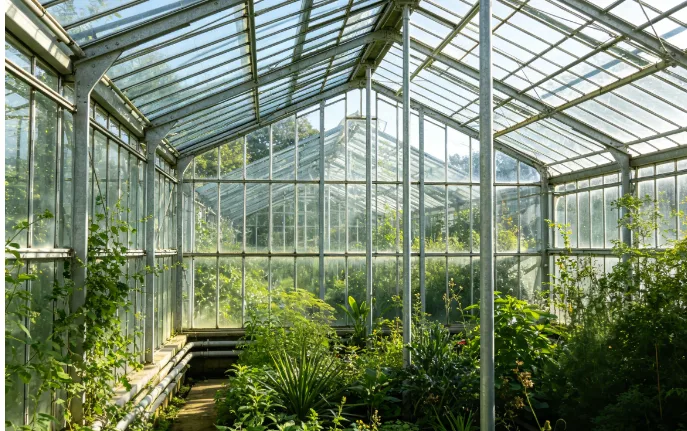
Cold Climate Greenhouse Structure Selection (Snow Load & Insulation Efficiency)
Cold climates require greenhouse structures designed for maximum insulation and snow load resistance. A gothic arch or A-frame structure is preferred because the steep roof slope prevents snow accumulation. The NASA Earth Climate Data Reports indicate that regions above 45° latitude experience prolonged low solar angles, reducing passive solar gain.
Key structural features include:
- Double-layer polyethylene covering for thermal insulation
- Polycarbonate panels with high R-value (≥1.5 m²·K/W)
- Reinforced steel frames for snow load resistance (>20 lbs/ft²)
| Feature | Recommended Specification | Purpose |
|---|---|---|
| Frame Type | Galvanized steel | Structural strength |
| Covering | Twin-wall polycarbonate | Heat retention |
| Shape | Gothic arch | Snow shedding |
For implementation, consider polycarbonate greenhouse kits designed for cold weather insulation performance.
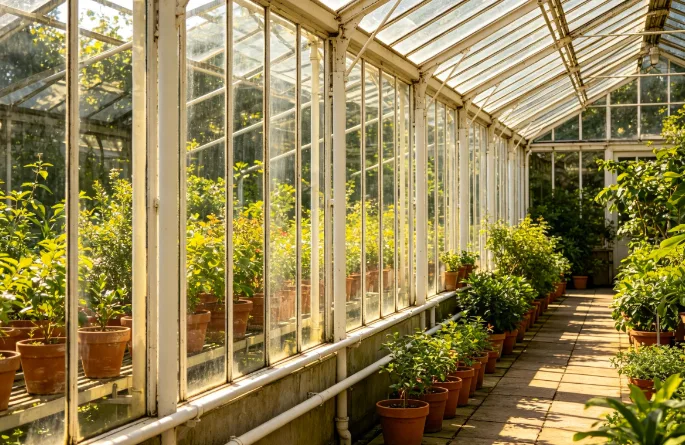
Hot Climate Greenhouse Structure Selection (Ventilation & Heat Dissipation)
Hot climates demand greenhouse structures that prioritize ventilation and solar heat reduction. According to the U.S. EPA Climate Indicators, average surface temperatures in arid regions have increased by 1.5°C since 2000, intensifying greenhouse overheating risks.
Effective design elements include:
- Sawtooth roof structures for natural ventilation
- Shade netting (30–50% shading coefficient)
- High sidewalls (≥4 meters) to enhance air circulation
| Design Element | Function | Impact |
|---|---|---|
| Roof vents | Hot air release | Reduces internal temperature by 5–8°C |
| Shade cloth | Solar radiation control | Prevents plant stress |
| Evaporative cooling | Humidity increase | Stabilizes microclimate |
A practical solution involves ventilated greenhouse systems optimized for airflow management in high-temperature zones.
Temperate Climate Greenhouse Structure (Balanced Design Strategy)
Temperate climates require a balanced greenhouse design that supports both heating and cooling. The NOAA Climate Data shows that temperate zones experience seasonal variability exceeding 25°C annually, requiring flexible systems.
Recommended structure characteristics:
- Quonset (hoop house) structures for cost efficiency
- Roll-up sidewalls for seasonal ventilation
- Modular heating systems for winter adjustment
| Parameter | Optimal Range |
|---|---|
| Temperature | 18–26°C |
| Humidity | 50–70% |
| Light transmission | ≥80% |
For adaptable setups, modular greenhouse frames provide scalability across seasons.
Windy and Storm-Prone Regions (Structural Stability and Aerodynamics)
Regions exposed to high wind speeds require greenhouse structures with enhanced aerodynamic profiles. According to IPCC climate assessments, extreme weather events have increased in frequency, particularly in coastal and open plains.
Critical design considerations include:
- Low-profile structures to reduce wind resistance
- Anchoring systems embedded at least 60 cm into soil
- Cross-bracing for frame reinforcement
| Wind Speed (km/h) | Required Design Adjustment |
|---|---|
| 50–80 | Reinforced joints |
| 80–120 | Ground anchoring |
| >120 | Steel frame + aerodynamic shape |
For resilience, heavy-duty greenhouse frames are engineered for high wind tolerance.
Humid and Tropical Climates (Condensation and Disease Control)
High humidity environments require greenhouse structures that minimize condensation and prevent fungal diseases. Research from CABI Agriculture and Bioscience indicates that humidity above 85% significantly increases pathogen risk.
Effective solutions include:
- Anti-drip film coverings
- Ridge ventilation systems
- Elevated structures to improve airflow
| Issue | Structural Solution |
|---|---|
| Condensation | Anti-drip coating |
| Mold growth | Cross ventilation |
| Heat retention | Reflective shading |
For tropical applications, humidity-controlled greenhouse designs improve crop health stability.
Material Selection for Climate-Optimized Greenhouses
Material choice directly affects greenhouse performance across climates. The National Renewable Energy Laboratory (NREL) highlights that light transmission and thermal retention are primary determinants of greenhouse efficiency.
Common materials comparison:
| Material | Light Transmission | Durability | Climate Suitability |
|---|---|---|---|
| Glass | 90% | High | Temperate |
| Polycarbonate | 80–85% | Very high | Cold & mixed |
| Polyethylene film | 85–90% | Moderate | Warm climates |
Key conclusion: polycarbonate offers the best balance between insulation and durability, while polyethylene is cost-effective for warm regions.
Key Takeaways for Choosing the Best Greenhouse Structure
The selection process should follow a structured evaluation:
- Identify dominant climate stress factors (heat, cold, wind, humidity)
- Match structural geometry to environmental loads
- Select materials based on insulation and light transmission
- Integrate climate control systems (ventilation, heating, shading)
A climate-adapted greenhouse structure improves yield consistency, reduces energy costs, and enhances crop protection. Data-driven design decisions align with modern controlled-environment agriculture standards.
FAQ Section
1. What is the most important factor when choosing a greenhouse structure?
The most critical factor is climate compatibility. Temperature extremes, humidity levels, and wind exposure determine structural shape, materials, and ventilation needs. Ignoring climate conditions often leads to inefficient energy use and unstable crop growth.
2. How does greenhouse shape affect performance?
Greenhouse shape influences airflow, light distribution, and load resistance. For example, gothic arch designs shed snow efficiently, while sawtooth roofs improve ventilation. Shape selection should align with environmental challenges.
3. Is polycarbonate better than polyethylene for all climates?
Polycarbonate provides better insulation and durability, making it suitable for cold and mixed climates. Polyethylene is more cost-effective and works well in warm regions where insulation is less critical.
4. How can overheating in greenhouses be prevented?
Overheating can be controlled through natural ventilation, shade cloths, and evaporative cooling systems. Structural features such as roof vents and high sidewalls also improve heat dissipation.
5. What are common mistakes in greenhouse selection?
Common mistakes include ignoring local climate data, choosing inappropriate materials, and underestimating ventilation needs. Another issue is selecting structures without considering long-term maintenance and durability.