
Core Insight: Choosing Greenhouse Materials Based on Lifecycle Performance
Selecting greenhouse materials requires balancing three measurable variables: upfront cost, structural durability, and energy efficiency. According to data from the U.S. Department of Agriculture, greenhouse productivity can increase by 30–50% when optimized materials improve light transmission and thermal retention. Key conclusions include:
- Light transmission above 80% directly impacts plant growth rate.
- Insulation reduces heating costs by up to 40% in temperate climates.
- Material lifespan determines total cost of ownership more than initial price.
These factors establish greenhouse material selection as an engineering decision rather than a purely budget-driven choice.
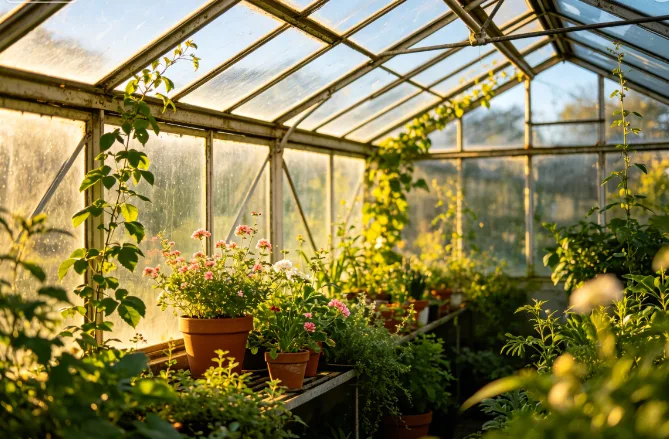
Glass Greenhouse Panels: High Light Transmission Material
Glass greenhouse panels remain a benchmark material due to optical clarity and longevity. Standard horticultural glass achieves 88–92% light transmission, as referenced by the Royal Horticultural Society. Tempered glass improves safety and durability but increases cost.
| Property | Value Range |
|---|---|
| Light Transmission | 88%–92% |
| Lifespan | 25+ years |
| Cost Level | High |
Glass is suitable for permanent structures where maximum sunlight is critical. However, poor insulation increases heating demand. For advanced setups, integrating glass greenhouse panels with thermal screens improves efficiency.
Polycarbonate Greenhouse Panels: Balanced Efficiency Solution
Polycarbonate greenhouse panels provide a balance between insulation and light diffusion. Twin-wall polycarbonate reduces heat loss while maintaining 75–85% light transmission. Research from National Renewable Energy Laboratory highlights that multi-wall panels can reduce heating energy consumption by 30%.
| Property | Value Range |
|---|---|
| Light Transmission | 75%–85% |
| Lifespan | 10–15 years |
| Cost Level | Medium |
Polycarbonate diffuses sunlight, reducing plant scorching and improving uniform growth. For mid-scale growers, polycarbonate greenhouse sheets offer strong ROI due to energy savings.
Polyethylene Film: Low-Cost Flexible Greenhouse Covering
Polyethylene film is widely used in commercial agriculture due to affordability and ease of installation. According to the Food and Agriculture Organization, over 60% of global greenhouses use polyethylene coverings.
| Property | Value Range |
|---|---|
| Light Transmission | 80%–90% |
| Lifespan | 2–5 years |
| Cost Level | Low |
UV-stabilized films extend lifespan and improve durability. Double-layer polyethylene systems enhance insulation by trapping air between layers. For cost-sensitive operations, greenhouse plastic film remains a practical entry solution.
Acrylic Greenhouse Panels: High Transparency Alternative
Acrylic panels provide higher clarity than polycarbonate and better impact resistance than glass. Light transmission can reach 90%, making acrylic suitable for specialized crops requiring high solar exposure.
Acrylic materials resist yellowing better than cheaper plastics, but brittleness under stress limits structural flexibility. Compared with polycarbonate, acrylic offers better optical performance but lower impact tolerance. Applications often include research greenhouses or controlled horticulture environments using acrylic greenhouse panels .
Fiberglass Reinforced Panels (FRP): Diffused Light Specialist
Fiberglass reinforced panels provide diffused lighting conditions that reduce plant stress. The University of Arizona Controlled Environment Agriculture Center notes that diffused light can improve crop yield uniformity by up to 20%.
| Property | Value Range |
|---|---|
| Light Transmission | 70%–85% |
| Lifespan | 10–20 years |
| Cost Level | Medium |
FRP panels degrade over time due to UV exposure, requiring coatings or treatments. For crops sensitive to direct sunlight, fiberglass greenhouse panels provide a controlled light environment.
Shade Cloth: Solar Radiation Control Material
Shade cloth is not a structural material but a critical efficiency component. It reduces solar radiation and controls internal greenhouse temperature. The U.S. Environmental Protection Agency emphasizes that temperature regulation significantly reduces water consumption and plant stress.
Shade cloth density ranges from 30% to 90%, depending on crop requirements. Integration with ventilation systems enhances climate control. Growers often pair shading systems with greenhouse shading solutions to maintain stable internal conditions.
ETFE Film: Advanced High-Performance Greenhouse Material
ETFE (ethylene tetrafluoroethylene) is a high-performance polymer used in modern greenhouse architecture. ETFE offers high light transmission (up to 95%) and self-cleaning properties due to low surface adhesion.
The European Commission reports that ETFE structures can reduce structural weight by 70% compared to glass systems. However, installation complexity and cost limit widespread adoption.
ETFE is typically used in large-scale or research facilities where long-term performance offsets high initial investment.
Comparative Analysis: Cost vs Efficiency vs Durability
| Material | Cost Level | Lifespan | Efficiency | Best Use Case |
|---|---|---|---|---|
| Glass | High | 25+ yrs | High light | Permanent structures |
| Polycarbonate | Medium | 10–15 yrs | Balanced | Energy-efficient greenhouses |
| Polyethylene | Low | 2–5 yrs | Moderate | Commercial farming |
| Acrylic | Medium | 10–20 yrs | High light | Specialty crops |
| Fiberglass | Medium | 10–20 yrs | Diffused | Uniform crop growth |
| Shade Cloth | Low | 5–10 yrs | Control | Temperature management |
| ETFE | High | 25+ yrs | Advanced | High-tech greenhouse systems |
Key Selection Criteria for Greenhouse Materials
Selecting the appropriate greenhouse material depends on measurable parameters:
- Climate Conditions: Cold climates prioritize insulation; warm climates require shading.
- Crop Type: Light-sensitive crops benefit from diffused materials.
- Budget Constraints: Short-term projects favor polyethylene; long-term investments favor glass or ETFE.
- Energy Efficiency Goals: Multi-layer materials reduce heating and cooling costs.
A structured evaluation of these criteria ensures alignment between material properties and agricultural output.
FAQ: Greenhouse Materials Selection and Performance
1. What is the most energy-efficient greenhouse covering?
Polycarbonate multi-wall panels are widely considered energy-efficient due to insulation properties. These panels reduce heat loss while maintaining sufficient light transmission, making them suitable for year-round cultivation in moderate and cold climates.
2. How often should greenhouse plastic film be replaced?
Polyethylene film typically requires replacement every 2–5 years depending on UV exposure and material quality. Regular inspection for brittleness and light transmission loss helps determine replacement timing.
3. Is glass better than polycarbonate for greenhouses?
Glass provides higher light transmission and longer lifespan, while polycarbonate offers better insulation and impact resistance. The choice depends on whether light intensity or energy efficiency is prioritized.
4. What material is best for beginners building a greenhouse?
Polyethylene film is commonly recommended for beginners due to low cost and simple installation. It allows experimentation without high capital investment, especially for seasonal growing operations.
5. Does greenhouse material affect crop yield significantly?
Yes, material affects light transmission, temperature stability, and humidity control. These factors directly influence photosynthesis efficiency and plant health, making material selection a key determinant of yield outcomes.