
Introduction
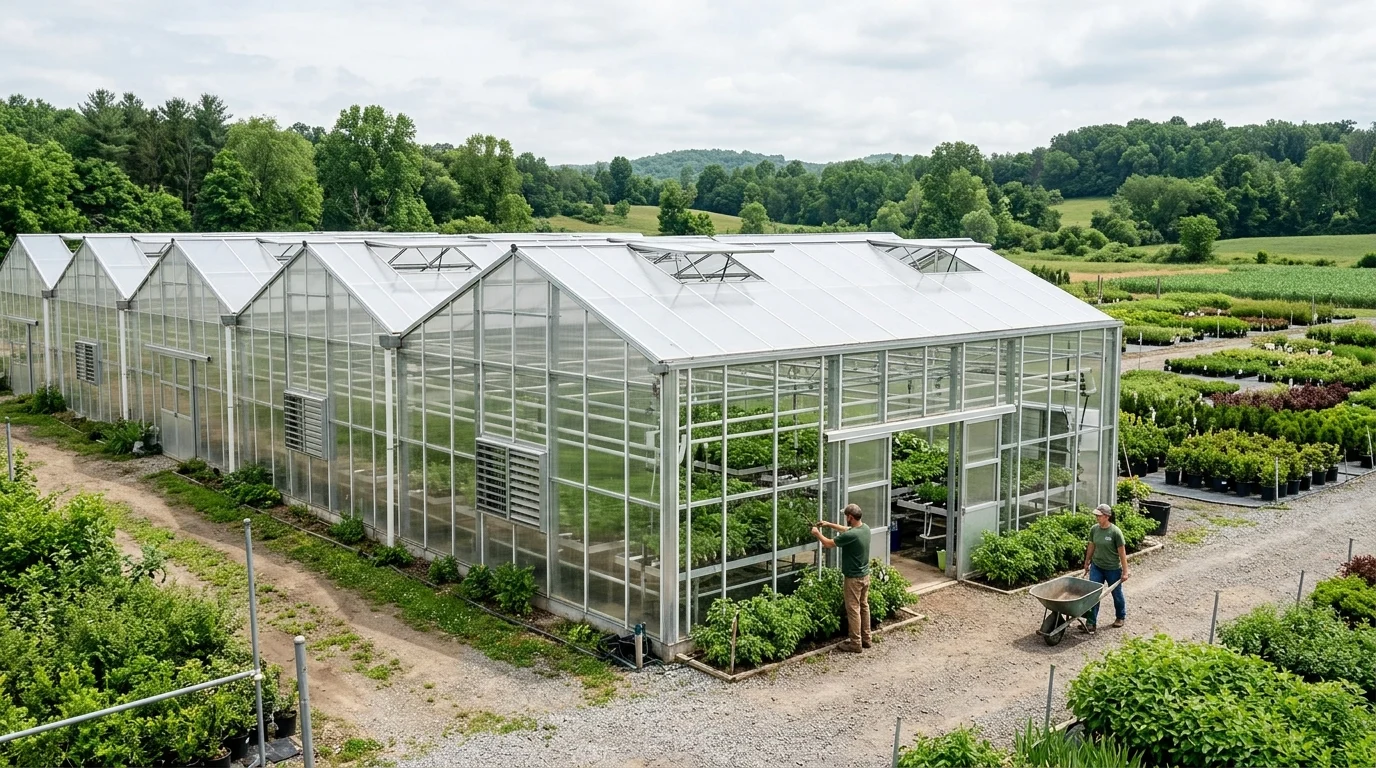
In high-wind regions, greenhouse design is less about maximizing space and more about resisting uplift, lateral pressure, and frame fatigue over time. The most reliable structures combine aerodynamic shapes, strong framing materials, deep anchoring, and reinforced connections to reduce the risk of failure during storms. This article compares the greenhouse types that perform best in exposed sites, explains how wind loads influence structural choices, and highlights the features that matter most for durability, safety, and long-term operating costs. From roof profile to foundation strategy, the goal is to help you identify a structure that can protect crops without creating unnecessary maintenance or replacement expense.
Why greenhouse structures for high-wind areas need special design
Operating agricultural facilities in regions prone to severe weather requires specialized infrastructure. Standard hoop houses and lightweight frames routinely fail under the stress of high-velocity gusts, leading to catastrophic crop loss and expensive debris cleanup. Understanding the aerodynamic forces at play is the first step toward mitigating these environmental risks.
Wind loads, uplift, and site exposure
Wind exerts dynamic pressure on buildings that increases exponentially with velocity. For instance, a 115 mph gust creates significantly more than double the force of a 60 mph wind. In high-wind zones, uplift forces can easily exceed 20 to 30 pounds per square foot (psf), transforming broad roof spans into massive sails. Site exposure also plays a critical role: structures situated on open plains or coastal regions lack the natural windbreaks found in wooded or urban areas, exposing them to sustained laminar airflow and sudden, turbulent microbursts.
Key performance requirements
To survive these extreme forces, the architecture must meet strict performance thresholds. The primary requirement is rigid structural integrity, ensuring the frame does not bend or collapse inward under positive pressure. Simultaneously, the foundation and connection points must resist severe vertical uplift. Deflection limits are typically engineered so that structural members flex no more than L/120 (span length divided by 120) under peak load. This prevents the catastrophic shattering of rigid glazing or the tearing of poly films.
Best greenhouse structures for high-wind areas
Selecting the correct framework and cladding is the most consequential decision when developing greenhouse structures for volatile climates. The building’s geometry dictates how aerodynamic forces interact with its exterior surfaces, directly influencing the required strength of the materials.
Gutter-connected vs freestanding vs hoop vs gothic arch
A building’s geometric profile dictates its aerodynamic efficiency. Traditional semi-circular hoop houses are highly vulnerable to winds exceeding 60 mph due to their broad, flat apex, which catches wind and creates massive uplift. In contrast, the gothic arch profile features a peaked roof that effectively slices through wind currents and sheds snow, significantly reducing both positive pressure and negative suction. Freestanding structures generally offer better aerodynamic profiles, whereas expansive gutter-connected designs create massive surface areas that require specialized internal trussing to prevent lateral racking.
Frame materials, roof shapes, bracing, and cladding
Material selection directly dictates wind resilience. Heavy-duty galvanized steel tubing—typically 2.375 inches in outside diameter with a minimum 14-gauge wall thickness—is the standard for high-wind applications, outperforming thinner 16-gauge or 18-gauge alternatives. Robust cross-bracing, including knee braces and cable X-bracing along the sidewalls and roof, prevents the frame from skewing. For cladding, twin-wall polycarbonate offers superior impact and wind resistance compared to standard 6-mil double polyethylene film, which can easily tear if not kept under constant, precise inflation.
Cost, durability, and maintenance comparison
Evaluating the financial and operational trade-offs is essential for long-term viability.
| Structure Type | Wind Resistance Limit | Est. Cost per Sq Ft | Maintenance Frequency |
|---|---|---|---|
| Standard Hoop | Up to 65 mph | $4 – $8 | High (Film tears) |
| Gothic Arch (Poly Film) | Up to 90 mph | $8 – $14 | Moderate |
| Engineered Steel (Polycarbonate) | 115+ mph | $18 – $35 | Low |
While the initial capital expenditure for engineered steel is substantial, its durability offsets the recurring costs of replacing shredded plastic and repairing bent purlins after every severe storm season.
Engineering, compliance, and installation factors
A robust frame is entirely useless if it is not properly rooted to the ground. Engineering, regional compliance, and the meticulous installation of greenhouse structures are the invisible pillars of high-wind resilience.
Foundations, anchoring, and connection details
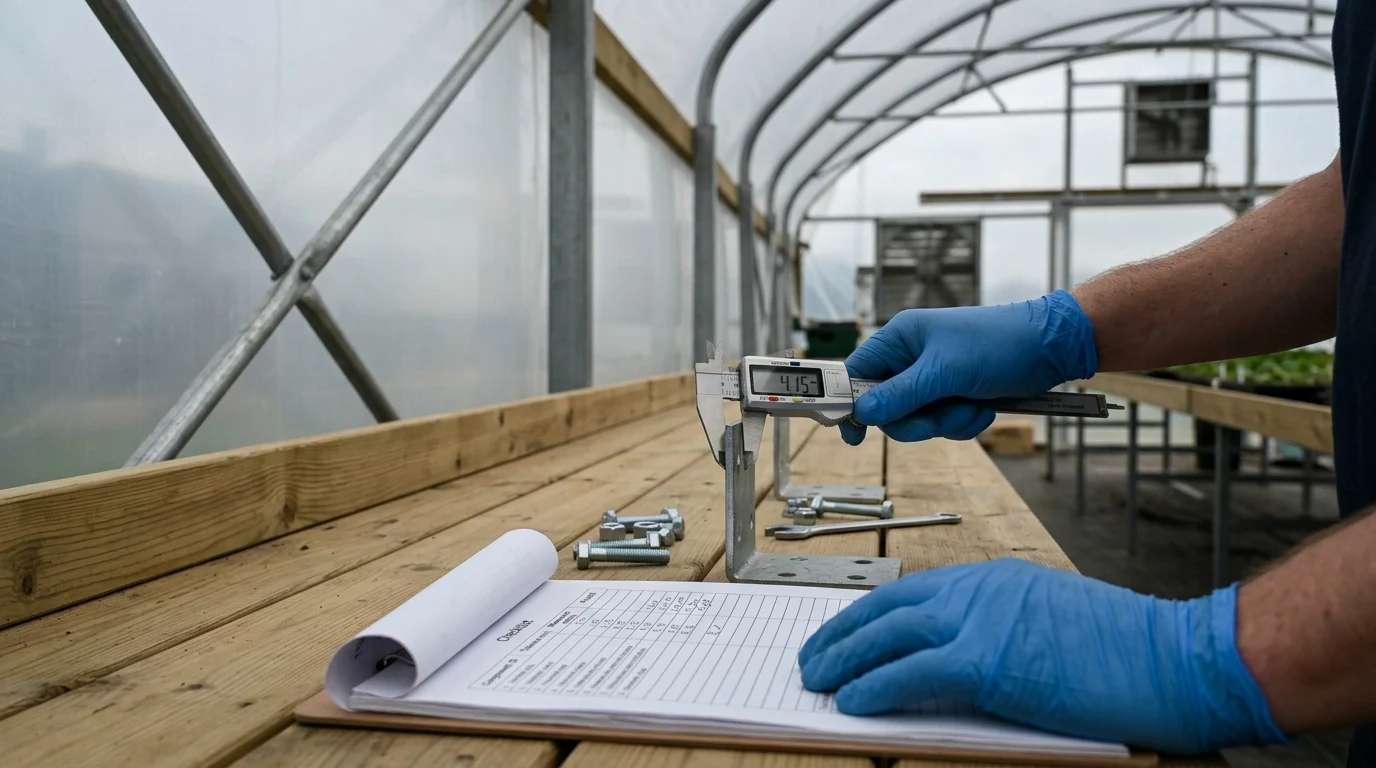
The foundation is the primary defense against uplift and lateral displacement. For zones experiencing winds over 90 mph, standard driven ground posts are insufficient. Instead, structural columns must be embedded into concrete piers. A typical specification requires piers that are 12 to 18 inches in diameter and poured to a depth of at least 36 to 48 inches, utilizing 3,000 PSI concrete. Furthermore, heavy-duty saddle brackets and through-bolts must be used for all critical connections, replacing weaker self-tapping screws that can shear under cyclical wind loading.
Codes, wind ratings, permits, and regional compliance
Agricultural buildings are often subject to varying degrees of regulatory oversight, depending on the jurisdiction. The International Building Code (IBC) and the American Society of Civil Engineers (ASCE 7) provide the foundational guidelines for wind load calculations. While some rural counties classify these facilities as Category I agricultural buildings with lower regulatory thresholds, areas prone to hurricanes often mandate Category II compliance. This requires stamped engineering plans certifying resistance to 120 mph or 130 mph basic wind speeds.
Common installation mistakes that reduce wind resistance
Even heavily engineered systems fail due to poor execution during assembly. The most frequent installation error is the inadequate tensioning of poly film cladding; loose film creates a flutter effect that rapidly degrades the plastic and transfers violent, rhythmic shocks to the metal frame. Another critical mistake is omitting lateral wind bracing or installing foundation posts at inconsistent depths. This creates uneven load distribution and localized stress points where catastrophic failure invariably begins.
How to evaluate greenhouse structures for long-term value
Procurement should be viewed through the lens of total lifecycle value rather than merely upfront capital expenditure. High-wind environments aggressively accelerate wear and tear, punishing any compromises made during the design phase.
Lifecycle costs, repair risks, and insurance
The total cost of ownership extends far beyond the initial purchase. A structure rated for 120 mph will carry a premium, but it drastically reduces repair risks and crop loss scenarios. Insurance premiums are also heavily influenced by structural integrity. Commercial growers can often secure a 10% to 20% reduction in premium costs by providing carriers with stamped engineering documents proving the facility meets local wind load requirements. Conversely, under-engineered facilities face higher deductibles or outright coverage denials in hurricane-prone regions.
Ventilation, crop needs, expansion plans, and operations
Ventilation systems represent a major vulnerability in high-wind zones. Traditional roll-up sides can easily catch powerful gusts, turning the structure into a parachute. Drop-down sides or rigid ridge vents equipped with automated wind sensors (anemometers) provide superior protection. When local sensors detect sustained winds exceeding 35 mph, automated systems can instantly close all vents, sealing the envelope and protecting the internal crops while maintaining the exterior’s aerodynamic integrity.
Step-by-step buying process
A methodical procurement strategy minimizes risk. First, operators must obtain a historical wind analysis for their specific parcel. Next, they should consult with structural engineers to define the necessary psf uplift resistance.
| Cladding Material | Typical Lifespan | Wind Deflection Risk | Upfront Cost Factor |
|---|---|---|---|
| 6-mil Double Poly | 3-5 Years | High (Flutter/Tear) | 1.0x (Baseline) |
| Corrugated Polycarbonate | 10-15 Years | Low (Rigid) | 3.5x |
| Twin-Wall Polycarbonate | 12-20 Years | Very Low (High Impact) | 4.5x |
Finally, buyers must secure local permits and verify foundation requirements before releasing the final deposit to the manufacturer.
Choosing the right structure for specific high-wind conditions
There is no universal solution for agricultural infrastructure. The final specification must be tailored to the exact topographical and meteorological realities of the build site, ensuring operators partner with the right greenhouse structures providers to meet their specific demands.
When reinforced steel structures are the best option
In coastal regions, hurricane corridors, or high-altitude plains where gusts routinely exceed 110 mph, heavy-duty reinforced steel is non-negotiable. These environments demand rigid cladding, such as 8mm twin-wall polycarbonate, and structural frameworks utilizing I-beams or heavy-gauge square tubing rather than standard round pipes. The investment is substantial—often exceeding $25 per square foot—but it is the only viable method to protect high-value commercial yields from complete destruction during extreme weather events.
When smaller or modular structures can still work
Operators situated in valleys, dense forests, or areas protected by robust artificial windbreaks can safely deploy smaller or modular systems. If the localized microclimate caps peak gusts at 75 mph, a well-braced gothic arch hoop house covered in double poly film is highly effective. Modular designs also allow growers to isolate risk: if a microburst damages one freestanding 30-by-100-foot unit, the rest of the facility remains operational, unlike a massive gutter-connected complex where a roof breach can compromise the entire acreage.
Final fit-by-site decision guidance
The ultimate decision relies on a holistic site evaluation. Orientation is a critical factor: structures should ideally be positioned so that the narrowest profile (the gable end) faces the prevailing storm winds, reducing the total surface area exposed to direct dynamic pressure. By combining strategic site orientation, appropriate material selection, and rigorous adherence to engineered load specifications, commercial growers can establish highly resilient facilities capable of thriving in the most demanding atmospheric conditions.
Further reading:
Key Takeaways
- The most important conclusions and rationale for greenhouse structures
- Specs, compliance, and risk checks worth validating before you commit
- Practical next steps and caveats readers can apply immediately
Frequently Asked Questions
What greenhouse shape performs best in high-wind areas?
A gothic arch or engineered freestanding design usually performs best because the peaked roof reduces uplift and sheds wind more effectively than standard hoop houses.
Which frame material is best for windy sites?
Heavy-duty galvanized steel is the safest choice. Aim for about 2.375-inch tubing with at least 14-gauge thickness for stronger wind resistance and less frame distortion.
Is polycarbonate better than polyethylene film in strong winds?
Yes. Twin-wall polycarbonate is tougher, more impact-resistant, and less likely to tear than 6-mil poly film, especially during repeated storm events.
Do greenhouse foundations matter as much as the frame?
Yes. In high-wind zones, strong anchors, secure connections, and a properly designed foundation are critical to resist uplift and prevent the structure from shifting or failing.
Where can I compare greenhouse structure options for severe weather?
You can review greenhouse systems and product categories on miilkiiablog.com to compare frame styles, materials, and wind-focused design features before choosing a structure.